September 2021

Collective Leadership Training

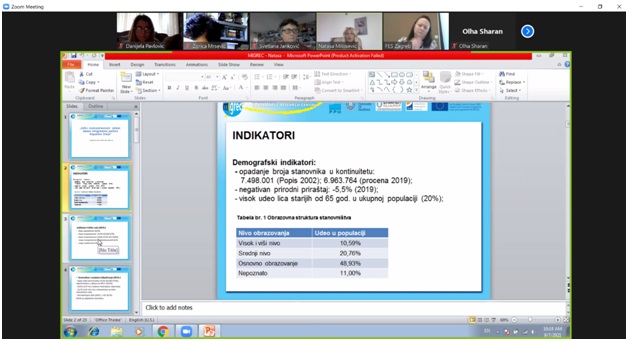
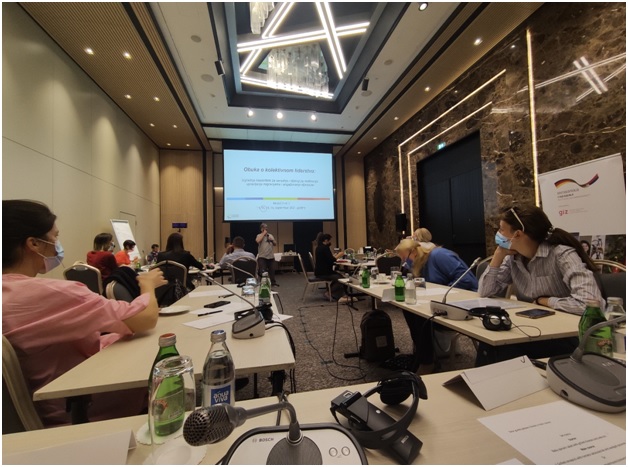
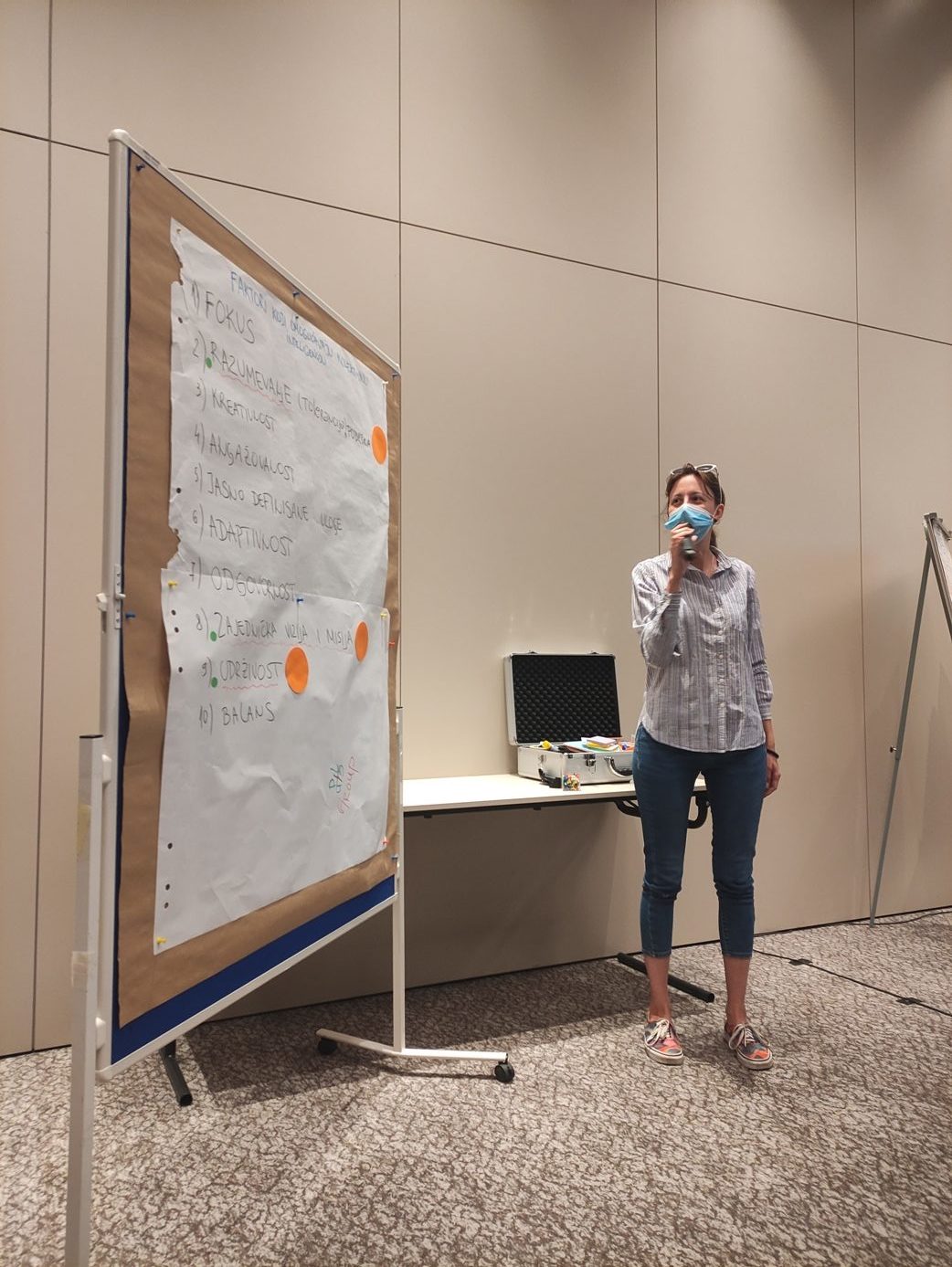
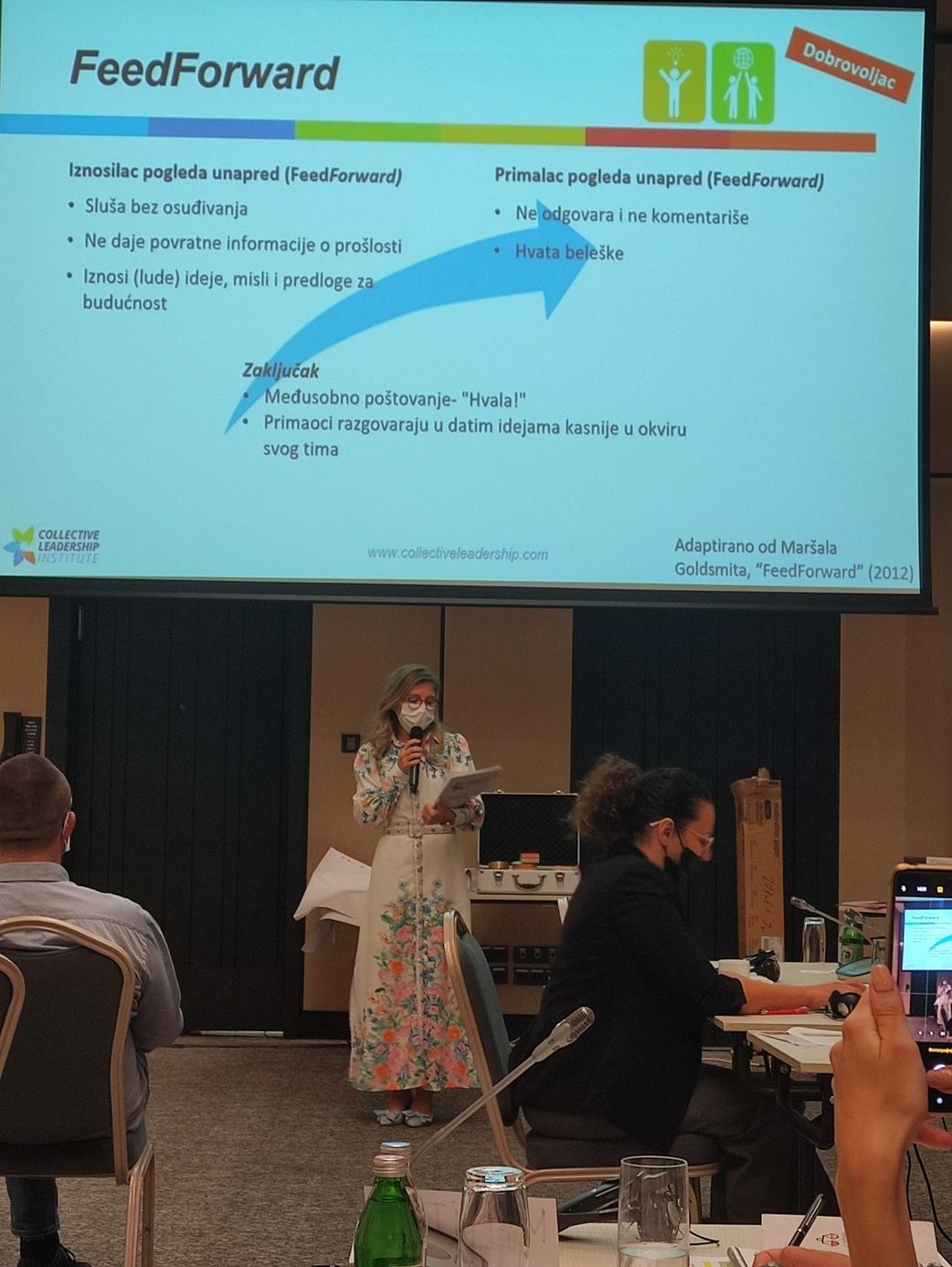
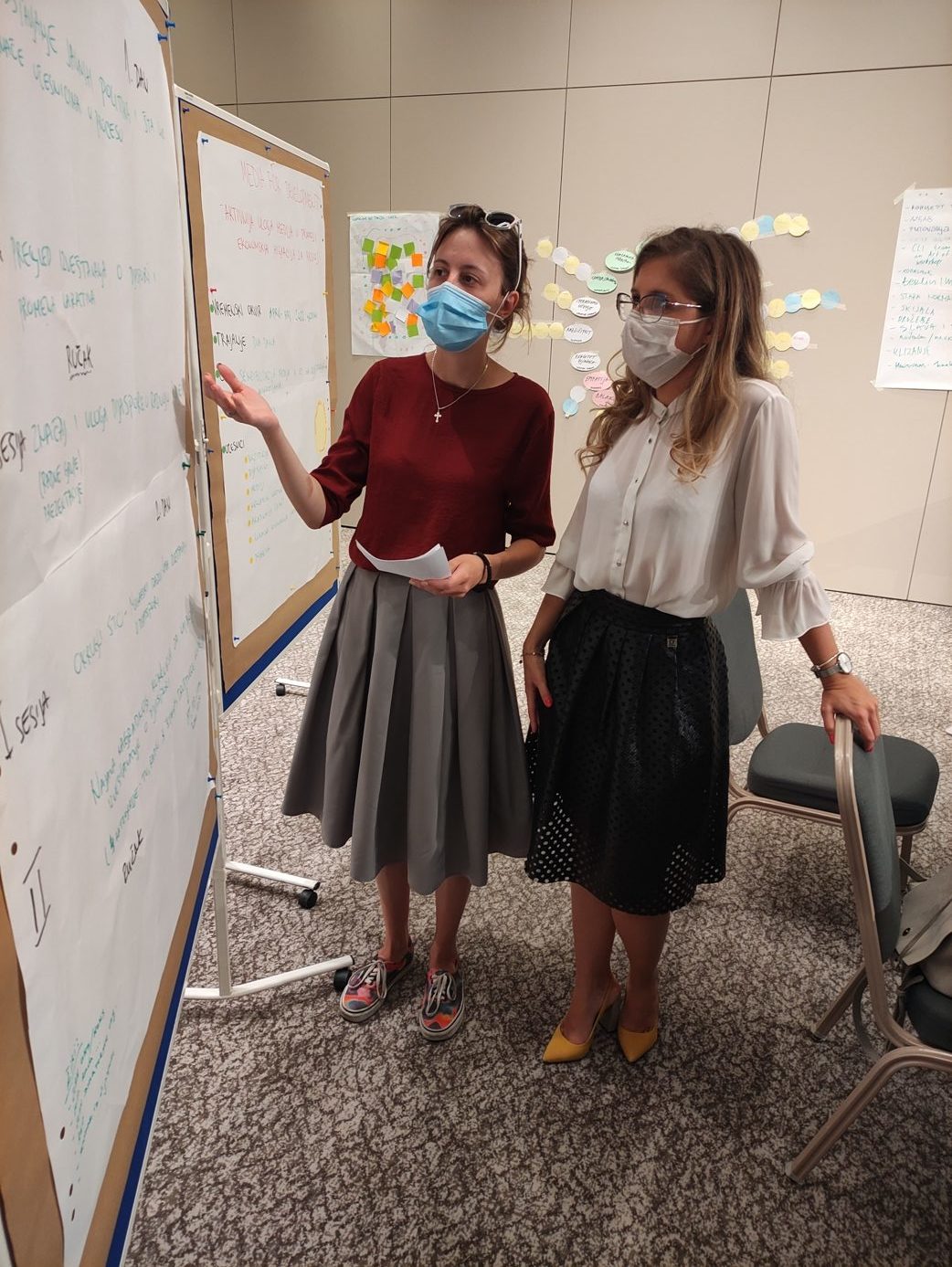
Danijela Pavlović and Nevena Radić obtained the Collective Leadership Expert certificates, thus joining the global community of exchange&learning-oriented practice. They attended an intensive leadership training course organized by the Programme for Migration and Diaspora (PMD) and carried out by the Collective Leadership Institute (CLI) from March to October 2021. In Serbia, this programme, funded by the German Federal Ministry of Economic Cooperation and Development, is implemented by GIZ, in cooperation with partner institutions. This expert and practical training presented the most recent tools and methodologies in the fields of collective leadership, cooperation among interested parties and alleviation of dialogue among several actors. The course was aimed at professionals working on migration and diaspora issues in public authorities, civil society organizations, private sector, academic community and other relevant organizations. Participants learnt how to use the leading CLI methodologies: Collective Leadership Compass and Dialogue Change Model.

These two methodologies were presented within the first two modules, whereas the participants were offered practical opportunities to apply them in their own change-implying initiatives. The Compass is a leadership tool which enables the user to analyse, diagnose and plan activities for balancing six dimensions of competences. The third model was meant for facilitation of skills for gathering of interested parties and carrying out the dialogue process through implementation both of the compass and of the dialogue change model. Upon completed training, participants obtain skills, knowledge and practical experience to continue – in a sustainable manner – to lead dialogues among larger number of actors, aimed at action in key issues in the fields of migration and diaspora in the future, for the sake of gaining long-term advantages for the citizens within the country borders and beyond them.
Collective Leadership Training Read More »
MIGREC at the conference “National minorities, migration and security”

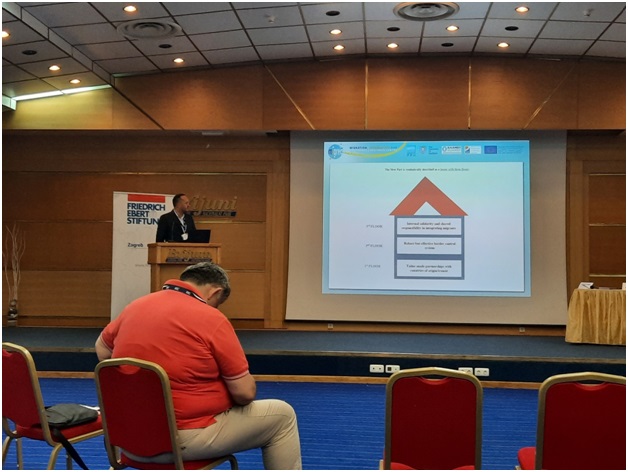
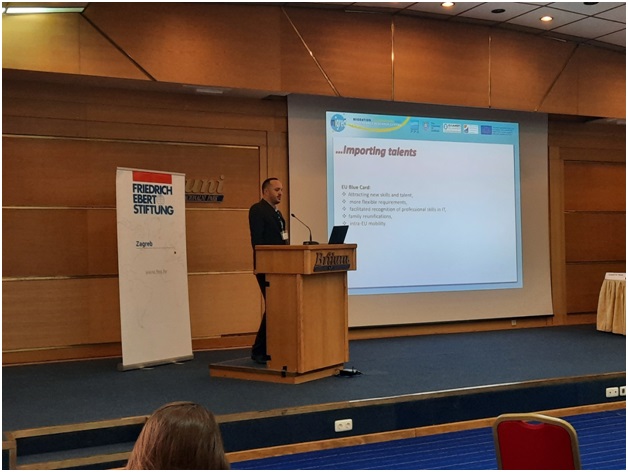
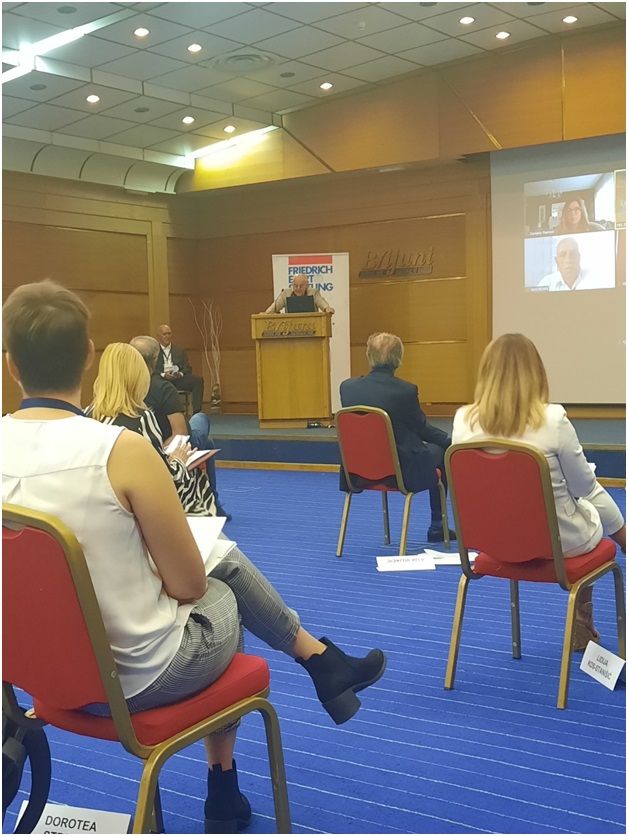
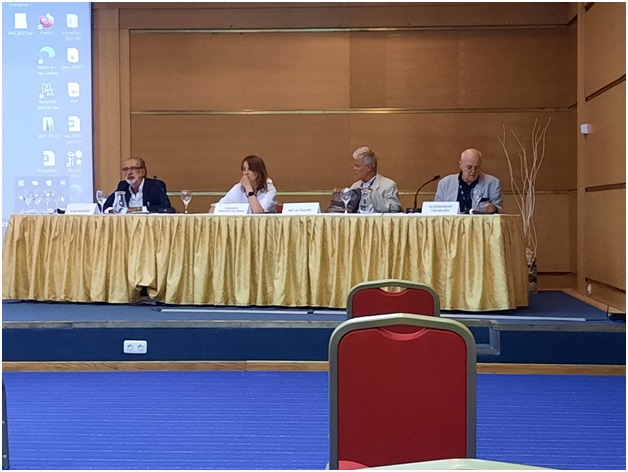
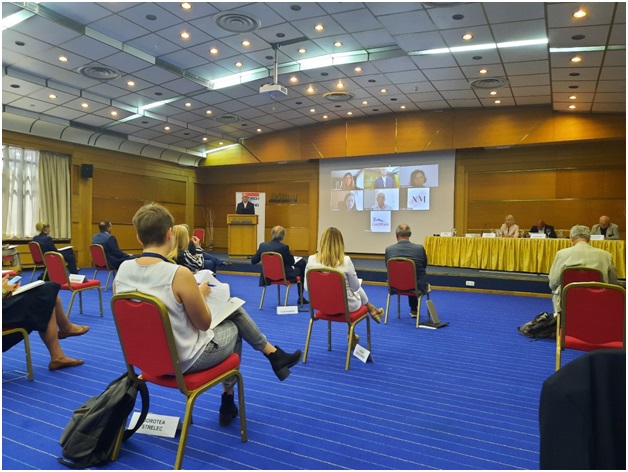
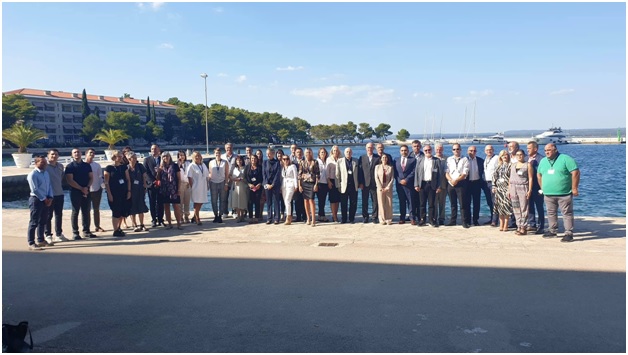
The 25th international scientific conference “National minorities, migration and security”, organized by the Center for International and Security Studies, Faculty of Political Science (University of Zagreb) took place in Brijuni Islands, Croatia from 6-8 September 2021. The conference was co-organized by Friedrich Ebert Foundation and Council of National Minorities of the Republic of Croatia.

The conference covered three thematic units:

  1. National minorities in democratic societies
  2. Migration and migration policies
  3. Global security challenges.

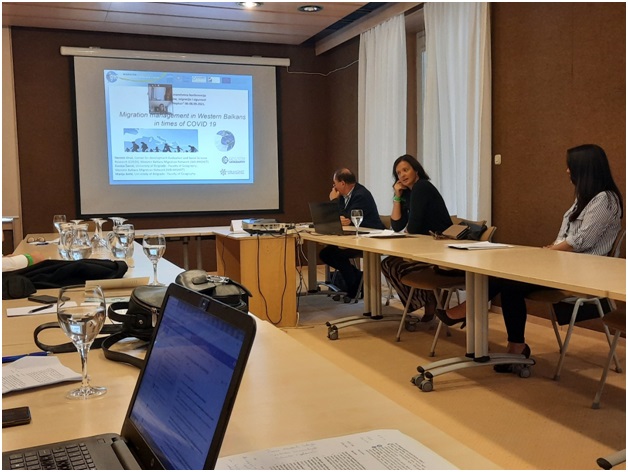
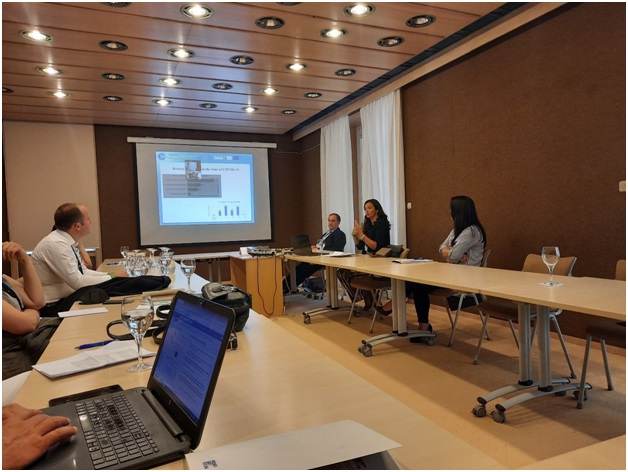
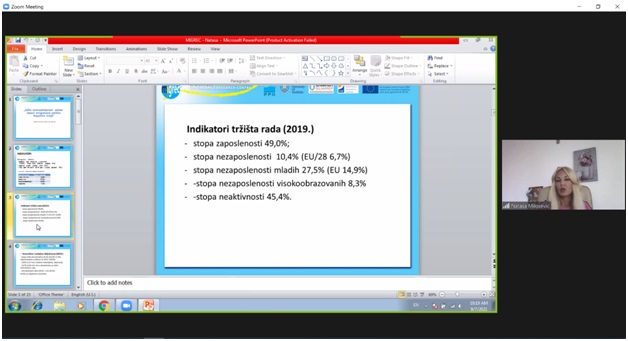
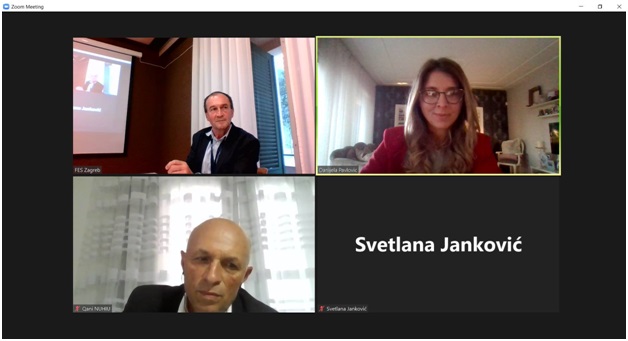
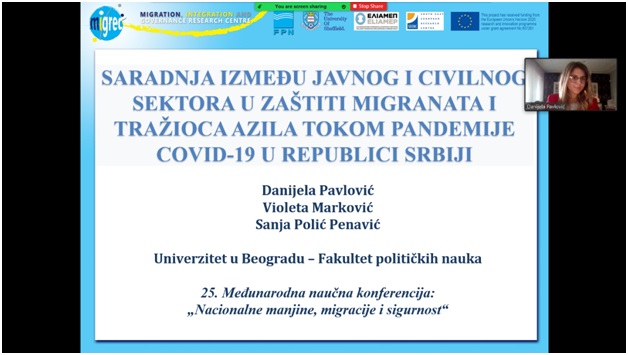
MIGREC team members presented four interesting papers at the conference. Nataša Milošević, Milica Glišić and Ena Todorović analyzed the topic of emigration of highly skilled population from Serbia and pointed to systemic obstacles to prevent brain drain. Dejan Pavlović, Danica Šantić and Natalija Perišić researched potential consequences of the New EU Pact on Asylum and Migration on migration trends and migration policies in Serbia. Nermin Oruč, Danica Šantić and Marija Antić, presented the topic of migration management on the Western Balkans during the COVID-19 pandemic. Danijela Pavlović, Violeta Marković and Sanja Polić Penavić focused on challenges for the cooperation between the civil and public sectors in the protection of migrants and asylum seekers during the COVID-19 pandemic.


MIGREC at the conference “National minorities, migration and security” Read More »

MIGREC at Royal Geographical Society Annual International Conference 2021

Annual International Conference of the Royal Geographical Society was held from August 31 to September 3, 2021 under the title “Borders, Borderland and Bordering” (https://www.rgs.org/research/annual-international-conference/attending-the-virtual-conference/). The main topics of the Conference were: What is the role of geography and geographers in producing knowledge and understanding about the multiple, multi-scalar and ceaselessly changing forms of environmental, physical, symbolic, smart/digital and invisible borders? How can geographers illuminate and creatively engage with borderlands? How can we interrogate the multiplicity of bordering technologies and practices? How are the disciplinary borders of geography itself being reified, challenged and reshaped in an academic environment that increasingly promotes trans-disciplinary research? What truly progressive ideas and research can geographers develop, what actions can we take and what alternatives can we propose that challenge those borders and bordering practices that control and confine?

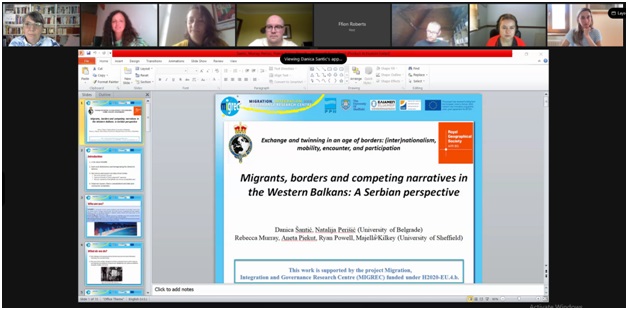
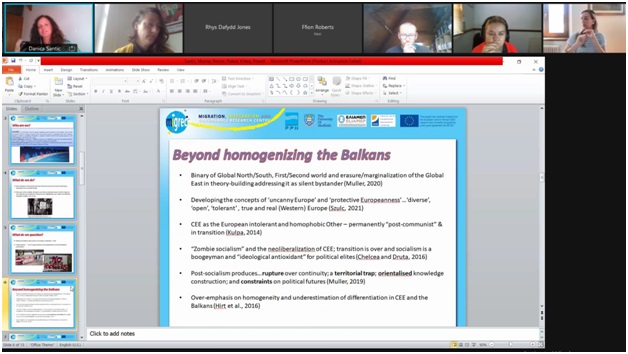
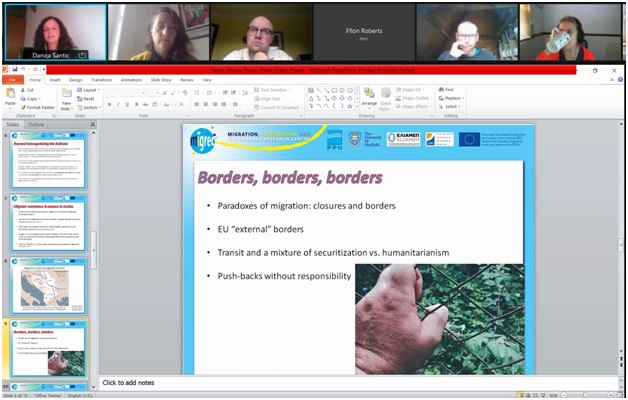
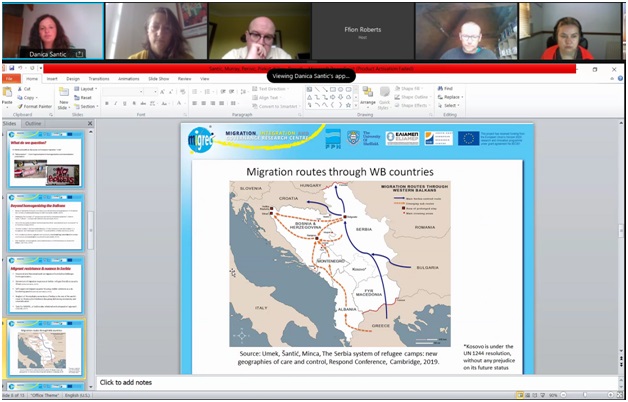
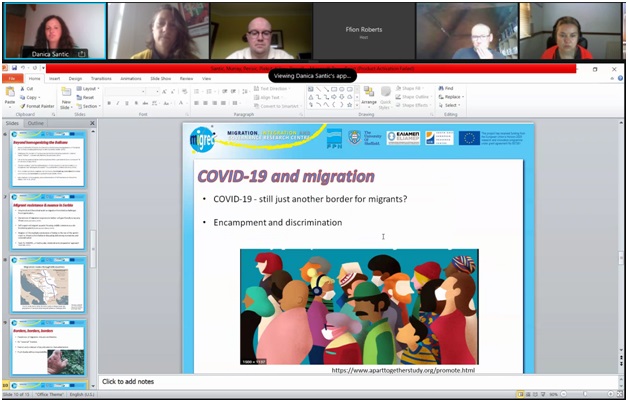
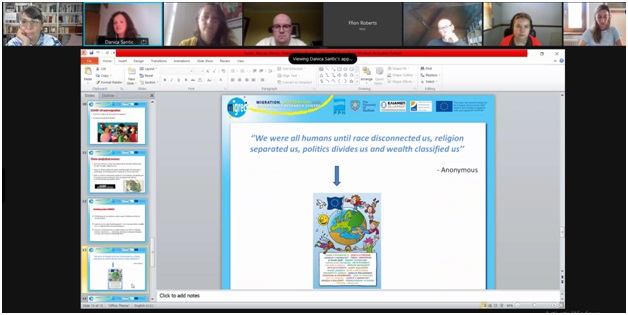
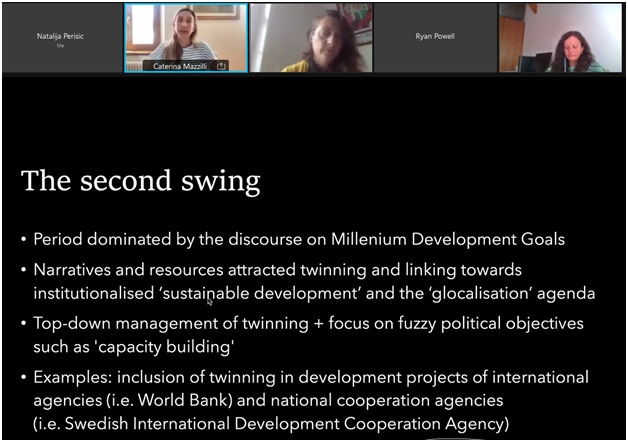
Prof. Dr. Danica Šantić from the University of Belgrade – Faculty of Geography presented on “Migrants, borders and competing narratives in the Western Balkans: A Serbian Perspective” in front of the MIGREC team which included also Natalija Perišić, Rebecca Murray, Ryan Powell and Majella Kilkey. MIGREC’s presentation was a part of the panel “Exchange and twinning in an age of borders: (inter)nationalism, mobility, encounter, and participation”.

Prof. Šantić presented the main twinning ideas behind the MIGREC project, its aims, goals and activities as an overall framework. Drawing on insights from the project, she sought to place the western Balkans at the centre of debates which contribute to the disruption of east-west dichotomous thought through a migration lens.  Through a critical engagement with migration narratives in Serbia before and during COVID-19, Prof. Šantić presented three analytical moves: decentering Western Europe from these debates; capturing diversity within the region underlying logics and rationales in challenging the homogenisation of responses as “post-communist”; disrupting contemporary narratives of an intolerant, xenophobic and homogeneous post-communist “east” juxtaposed with a liberal, multicultural and cosmopolitan “west”.  Through international collaborative practice within the MIGREC, myths perpetuated by dichotomous and normative thinking by theorizing from and with Serbia were challenged.  The variable, divergent and often ambivalent ways in which migrants are positioned and governed, highlighting care and solidarity alongside hostility and racism (just as in “western Europe”) were nuanced. This revealed a far more dynamic, complex and variegated context in refuting a standardized and static post-communist xenophobia – one that is shown to be produced relationally and in opposition to an imagined, tolerant European civility as the self-image of the west.


MIGREC at Royal Geographical Society Annual International Conference 2021 Read More »