Events

MIGRANT INTEGRATION WORKSHOP

In the period from September 10 to 16, 2020 under the auspices of the MIGREC project, four online workshops focused on current challenges around migration and integration, were organized by MIGREC partner – the University of Sheffield’s Migration Research Group. Workshop participants extended beyond members of the MIGREC consortium, to include among others, senior researchers, PhD students and Master students from the University of Belgrade, as well as a number of practitioners and stakeholders working in the field of integration in Serbia.

The first workshop “Life at the Frontier: Social mobility, segregation and integration“ was chaired by Helen Grady, Senior Broadcast Journalist for BBC Radio 4 . It included presentations from Professor Gwilym Pryce (Sheffield Methods Institute and Department of Urban Studies, University of Sheffield), Professor Liv Osland (Western Norway University of Applied Sciences) and Professor Urban Lindgren (Umea University, Sweden). There were further contributions from Lord David Blunkett, and a range of stakeholders from the UK, Norway and Sweden.The workshop marked the launch of a significant new project funded by Nordforsk and the ESRC, involving as Co-Investigator MIGREC’s team member Dr Aneta Piekut. The Project will compare and contrast the social integration of migrants between neoliberal societies (the four nations of the UK) and socio-liberal ones (Norway and Sweden).

In the second workshop, the speaker was Professor Raivo Vetik, from School of Governance, Law and Society, Tallinn University, Estonia, Coordinator of the MirNet project, with a presentation “Beyond state-of-the-art in studying migrant integration: a relational approach“. This presentation captured an innovative way to conceptualize identificational integration of migrants and discussed policy implications deriving from the study based on such a conceptualization. Professor Raivo Vetik proposed a new, relational approach to conceptualize identificational integration of migrants by defining national identity in terms of social positioning.

Kostas Vlachopoulos, a PhD Researcher in Politics at the University of Glasgow and Junior Research Fellow at the Migration Programme of  ELIAMEP, presented “Migration in Greece: It’s time to talk about integration” during the third workshop. While Greece is currently hosting approximately 96,500 refugees and asylum-seekers (30,700 of them residing in the islands and 65,800 in the mainland), official discourse and policy around their integration remains weak. Kostas Vlachopoulos made three arguments as to why integration is necessary and beneficial in the Greek context: 1. by forwarding integration processes, there is a chance to combat a conservative set of policies and securitized discourse toward migrants; 2. the utilitarian argument; 3. the moral/humanitarian argument.

The last workshop provided an opportunity for University of Belgrade MIGREC researchers to present on current writing and research projects. The presentations revealed a rich body of work from a range of disciplines ongoing at the University of Belgrade including relating to: Access to justice for asylum seekers in the Republic of Serbia (Dr Dejan Pavlović), and Migration and youth in Serbia: attitudes, intentions and motives (Vanja Javor, Milica Todorović and Nevena Radić).

Majella Kilkey, Professor of Social Policy and Co-Director of the Migration Research Group at the University of Sheffield, UK, closed the workshop series and invited colleagues to join the next series of workshops to be organized as part of the MIGREC project.


MIGRANT INTEGRATION WORKSHOP Read More »
Online Debate at the Summer School in Skopje

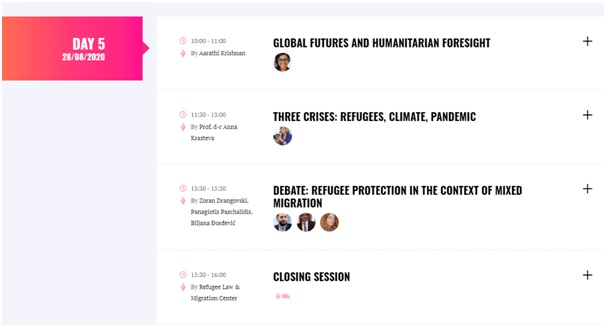
On 28/8/2020 MIGREC team members Biljana Đorđević and Panagiotis Paschalidis, altogether with Zoran Drangovski from the Macedonian Young Lawyers Association, took part in an online debate on “Refugee protection in the context of mixed migration – Movements in the Western Balkans” which was a closing event of the Summer School on Refugee Rights and Migration with a special focus on the Challenges in times of COVID-19 Pandemic. The debate was organized by Center for refugee law and migration at the Iustinianus Primus Law Faculty, University Ss. Cyril and Methodius – Skopje, North Macedonia in collaboration with the UNHCR Mission in Skopje, and in partnership with the International Institute of Humanitarian Law – Sanremo, Italy. The debate took place from 13:30 to 15:30 (CET), using the Zoom meeting platform. Panagiotis Paschalidis presented the situation in Greece, Zoran Drangovski in North Macedonia and Biljana Đorđević presented the situation in Serbia, thus covering significant part of the Balkan migration route. The debate has been followed by a Q & A session from the summer school participants and lecturers. It was a great opportunity to promote MIGREC project and team members’ cooperation.

Online Debate at the Summer School in Skopje Read More »

MIGREC’s Online Presentation at the ECPR

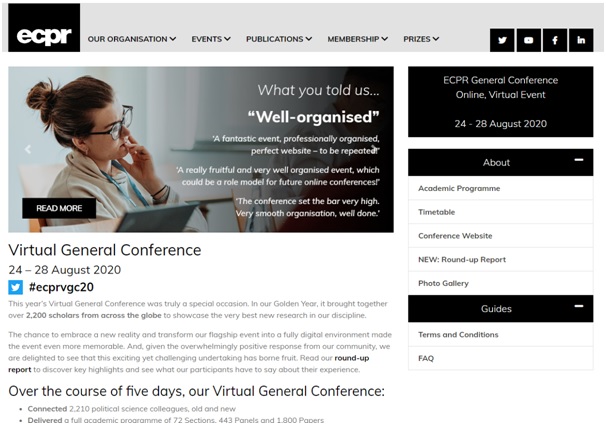
MIGREC team member, Biljana Đorđević, had a successful online presentation titled “Confronting the Progressive Dilemma, Rethinking Inclusive Solidarity” on 27/8/2020, at the 14th ECPR Virtual General Conference that took place online between 24-28 August 2020 (#ecprvgc20).

ECPR (The European Consortium for Political Research), that has celebrated its 50th anniversary in 2020, is the leading scholarly society for political scientists in Europe that through its events, publications and research groups, foster scholarly collaboration across borders. ECPR organizes many events, but the general conference, alongside ECPR’s joint sessions, is considered as the key event in the agendas of most political scientists in Europe.

Due to the COVID-19 crisis the 2020 ECPR General Conference successfully transitioned from a planned live event at the University of Innsbruck into the virtual conference. The organizers made the online conference the best they could, scheduling a programme that could fit different time zones and devising an excellent website for the general conference with friendly and helpful interface. The programme has been rich as always at the ECPR general conferences consisting of 43 sections with 443 panels and 1804 papers, several roundtables, exhibitions, and discussions with top editors, but also regular meetings of the ECPR Standing Groups. Finally, the virtual conference also included interesting social program such as floor, standing and seating exercises before each conference’s day, and recipes for ice creams and other delights at the end of conference.

The presentation of the MIGREC member was part of the Section “International Migration Policies and Politics: Current Challenges and Opportunities”, supported by the ECPR Standing Group on Migration and Ethnicity, and was realized on the panel “Transnational Social Protection: Countries’ Policies and Migrants’ Practices in the EU”, held on 27/8/2020, 13:30 – 15:15(BST), using the Zoom meeting platform. Biljana Đorđević presented results of her study about lack of integration policy in Serbia and the need for translation of the so-called progressive dilemma (bounded solidarity vs. Diversity) into a different context of a transit/transitional country such as Serbia. The panel included 4 paper presentations, and had two panel discussants. It provided a tremendous opportunity for exchange of research results and ideas, as well as different disciplinary perspectives such as the ones coming from political theory and social policy.

MIGREC’s Online Presentation at the ECPR Read More »
MIGREC at the first IMISCOE online conference

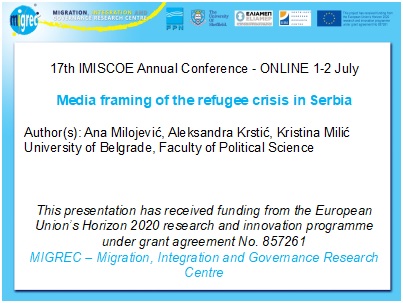
MIGREC team member, Ana Milojević, had a successful online presentation titled “Media framing of the refugee crisis in Serbia” co-authored with MIGREC members Aleksandra Krstić and Kristina Milić, on 1/7/2020, at the 17th IMISCOE Annual Conference.

IMISCOE (International Migration, Integration and Social Cohesion in Europe) is the largest research network in the field of migration, integration and diversity studies in Europe. This network includes 56 research institutes and connects scholars from various disciplines, including sociology, political science, economics, law, demography, public administration, social geography and history. IMISCOE organizes many events, but the annual conference is considered as the key event in the agendas of most migration scholars in Europe.

Due to the challenges caused by the COVID-19 crisis the 2020 IMISCOE Annual Conference successfully transitioned into the online format. The ambition of the organizers was to make the online conference to look as much as possible as a ‘normal’ IMISCOE conference. They have very much fulfilled such ambition, by developing rich and exiting program consisting or plenaries, panels, workshops, a PhD program, as well as an elaborate social program.

The presentation of the MIGREC members was part of the Reflexive Migration Studies Paper Sessions,and was realized on the Session 1, held on 1/7/2020, 15:45-17:15 (CEST), using the Webex meeting platform. On behalf of Aleksandra Krstić and Kristina Milić, Ana Milojević presented results of their joint study about media framing of the refugee crisis in Serbia. The session included 4 paper presentations, and provided an excellent platform for exchange of knowledge, research results and ideas. Participants have engaged in fruitful conversation sharing experiences and advise on how to proceed with current endeavors and improve existing work.

MIGREC at the first IMISCOE online conference Read More »
European deportations: UK exclusion of EU citizens to take back control

Dear Colleagues,

You are warmly invited to a seminar hosted by the University of Sheffield Migration Research Group (MRG). Dr Agnieszka Radziwinowiczówna, University of Wolverhampton, will present recent research exploring ‘European deportations: UK exclusion of EU citizens to take back control’Dr Michaela Benson, Goldsmiths University of London will join the seminar as a discussant.

Date: Thursday 25th June

Time: 12.30 – 2.00 pm (UK time)

Registration:  Places are limited so please register your interest here and you will receive a link to join.

European deportations: UK exclusion of EU citizens to take back control

On the 30th of April 2020, under the national lockdown in the UK, a chartered flight left Stansted airport with 35 deportees and as many Home Office escorts on board. One of the passengers had been tested positive after showing COVID-19 symptoms in detention and nonetheless had boarded the plane; others were not tested at all. It was impossible to keep sufficient distance between the passengers to prevent the spread of the deadly disease on the plane. The flight was headed to Poland in spite of the fact that the Polish borders had been closed for 47 days. The deportees had to go home for compulsorily 14-days self-isolation – of course, if they still had a place they could call “home” in Poland.

During this seminar I will present the genealogy of the April deportation flight to Poland. I will explain why European Union citizens are deported during the Brexit transition period, when the EU Treaties and the four freedoms (including the Freedom of Movement) remain in force in the UK. The Home Office started targeting the EU citizens with its hostile environment policy even before the British voted to leave the European Union. I will argue that the UK used the forced removals in order to negotiate state sovereignty from the European Union. Similarly, the EU Settlement Scheme and the new points-based immigration system may convert the EU citizens into undocumented and thus deportable immigrants. This exclusion-based negotiation of sovereignty has not affected all the EU citizens equally but has disproportionally targeted the citizens of the “new” Member States. These examples evidence a longue durée process of excluding more vulnerable Europeans, practices which look set to escalate following the UK’s transition from the EU.

For more information, please contact Rebecca Murray: r.e.murray@sheffield.ac.uk

European deportations: UK exclusion of EU citizens to take back control Read More »

Children Affected by Mixed Migration – First Workshop

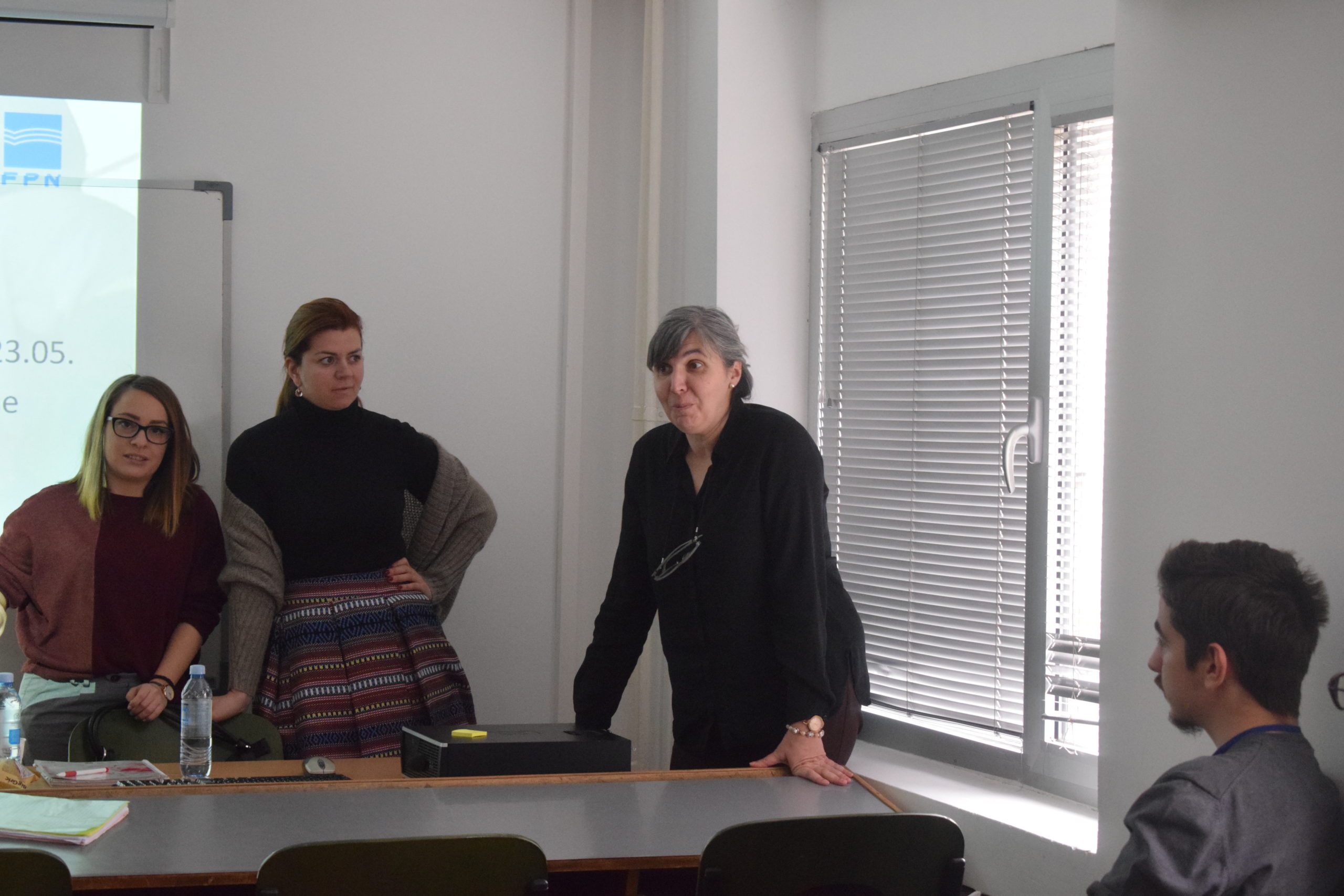
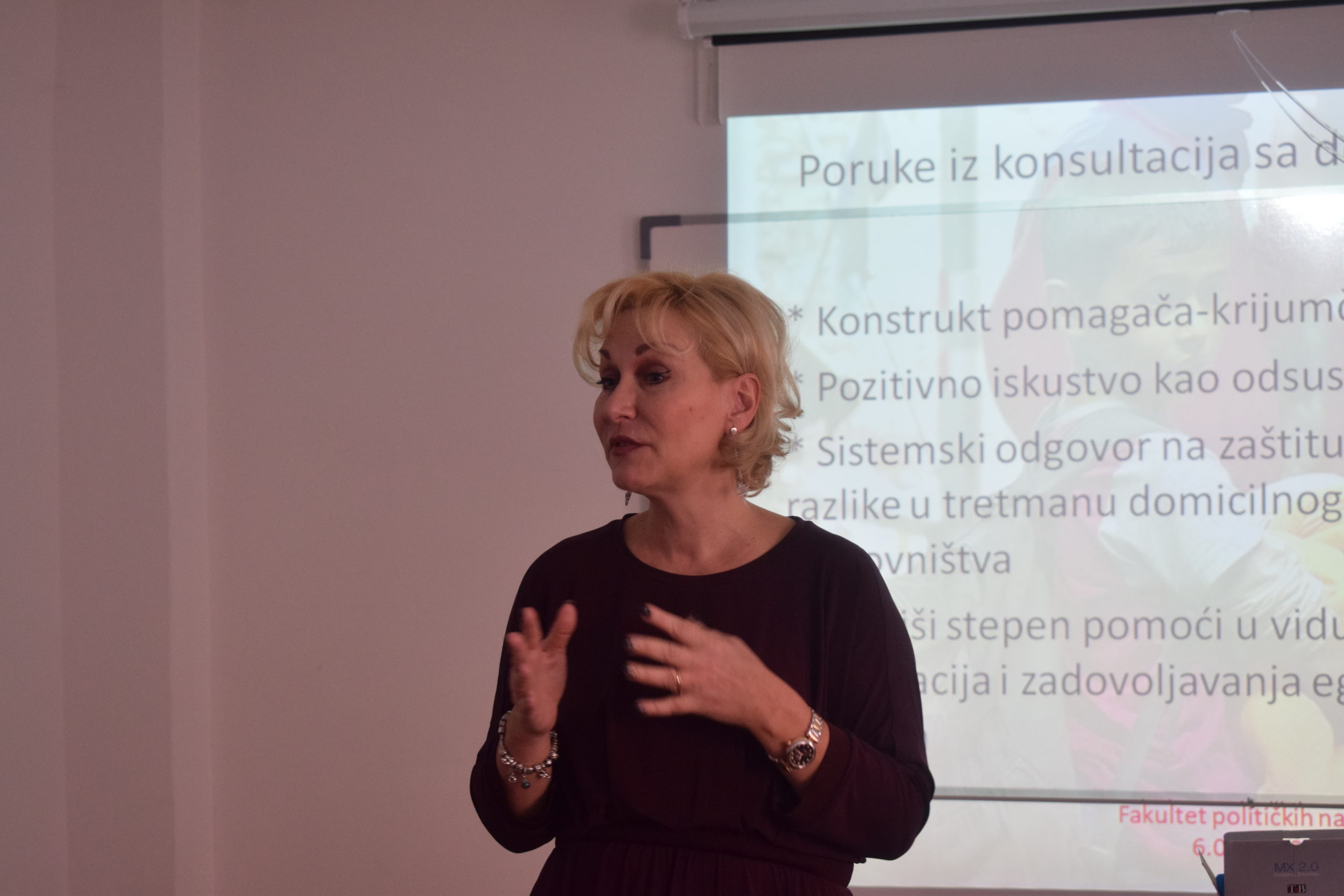
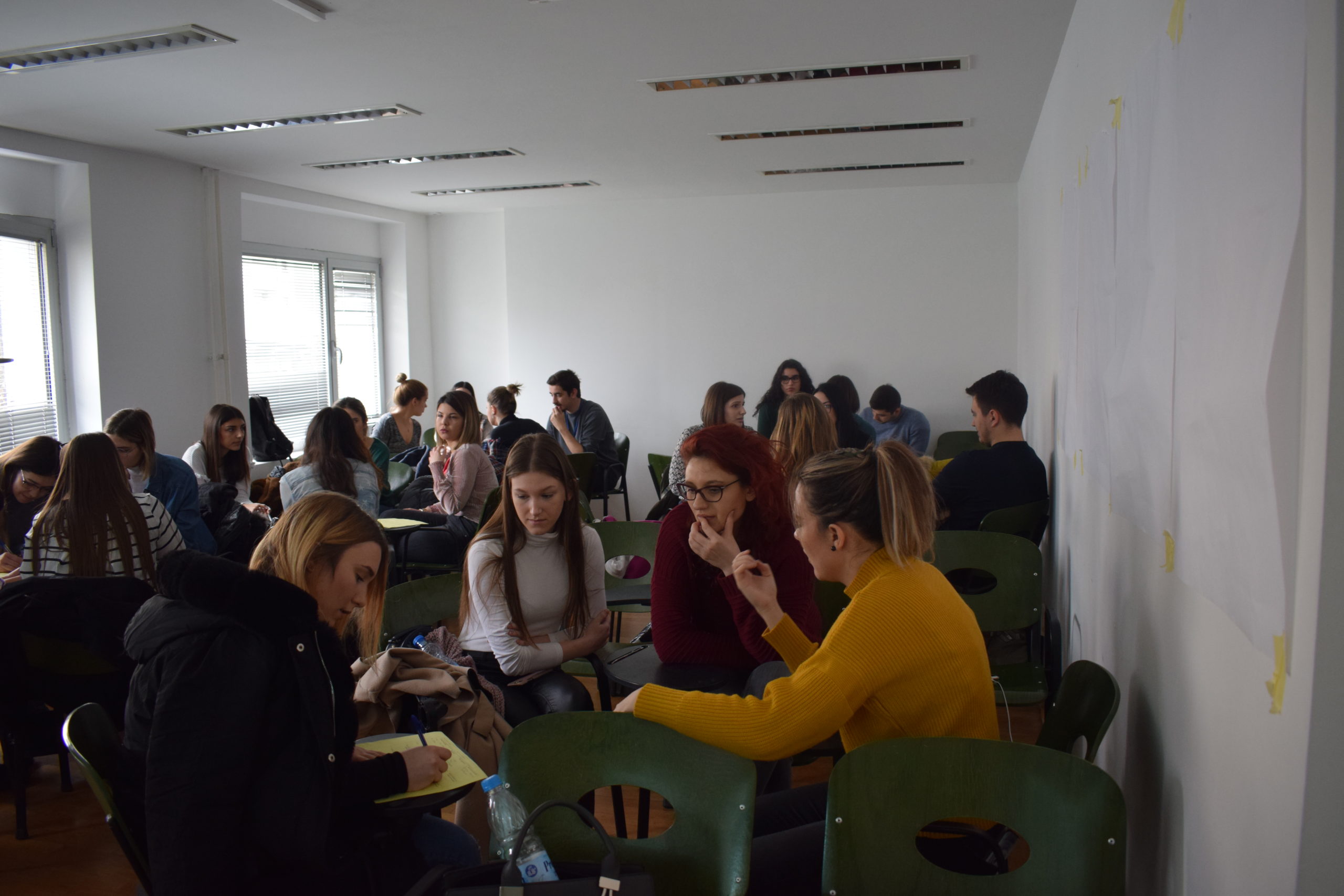
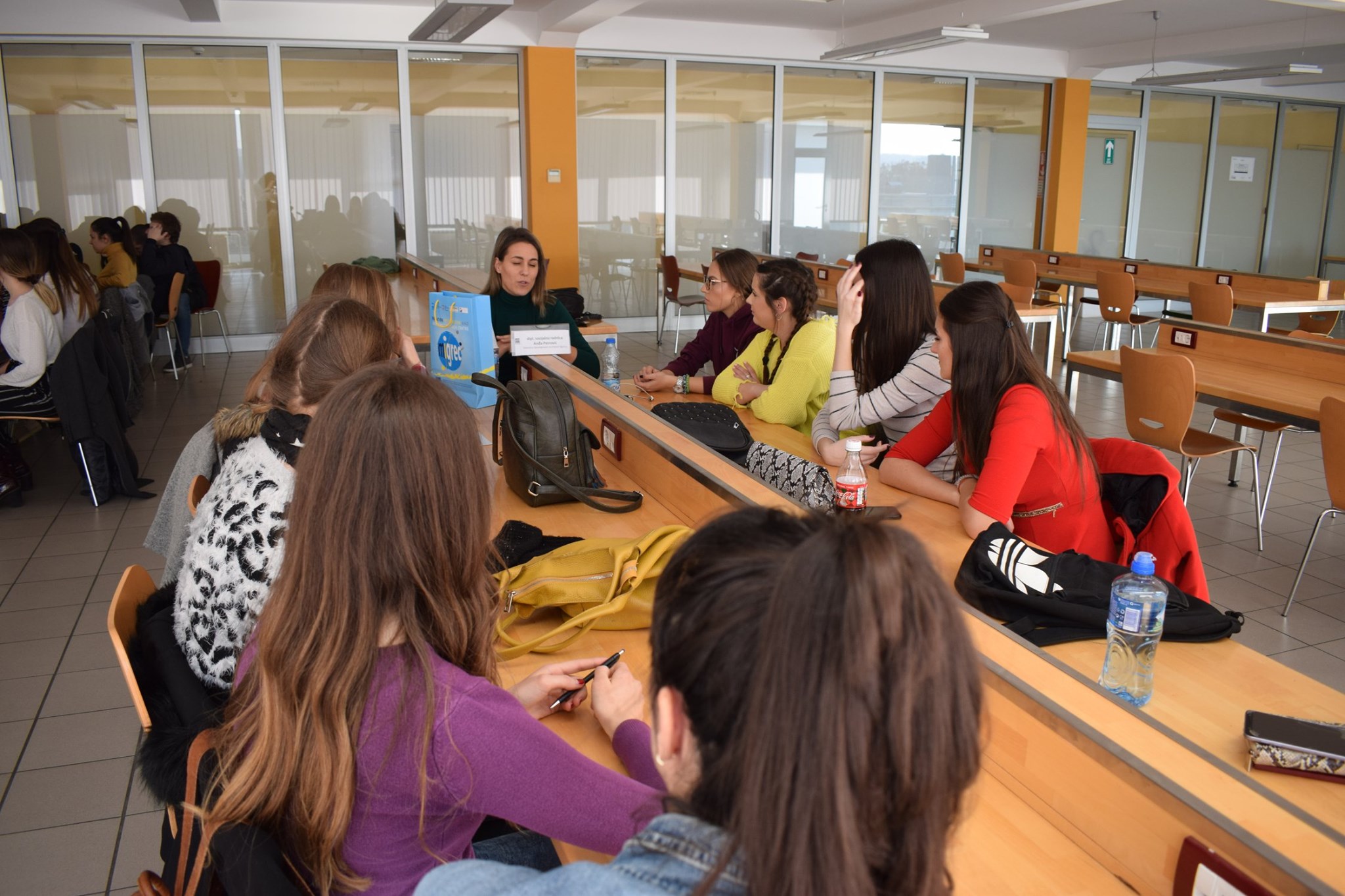
The first workshop within the project Co-Creation of Knowledge and Building of Expertise for the Protection of Children Affected by Migration and Forced Displacement – Curriculum Development was held at the Faculty of Political Science on March 6th, 2020. The workshop was intended to participants in the piloting course Protection of Children Affected by Mixed Migration.

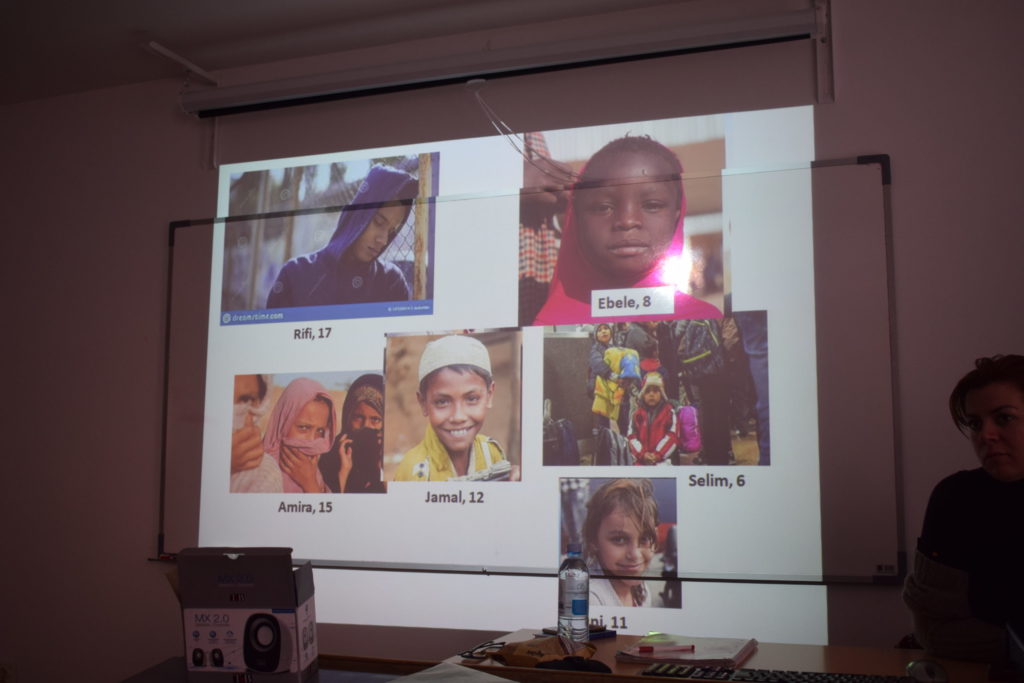
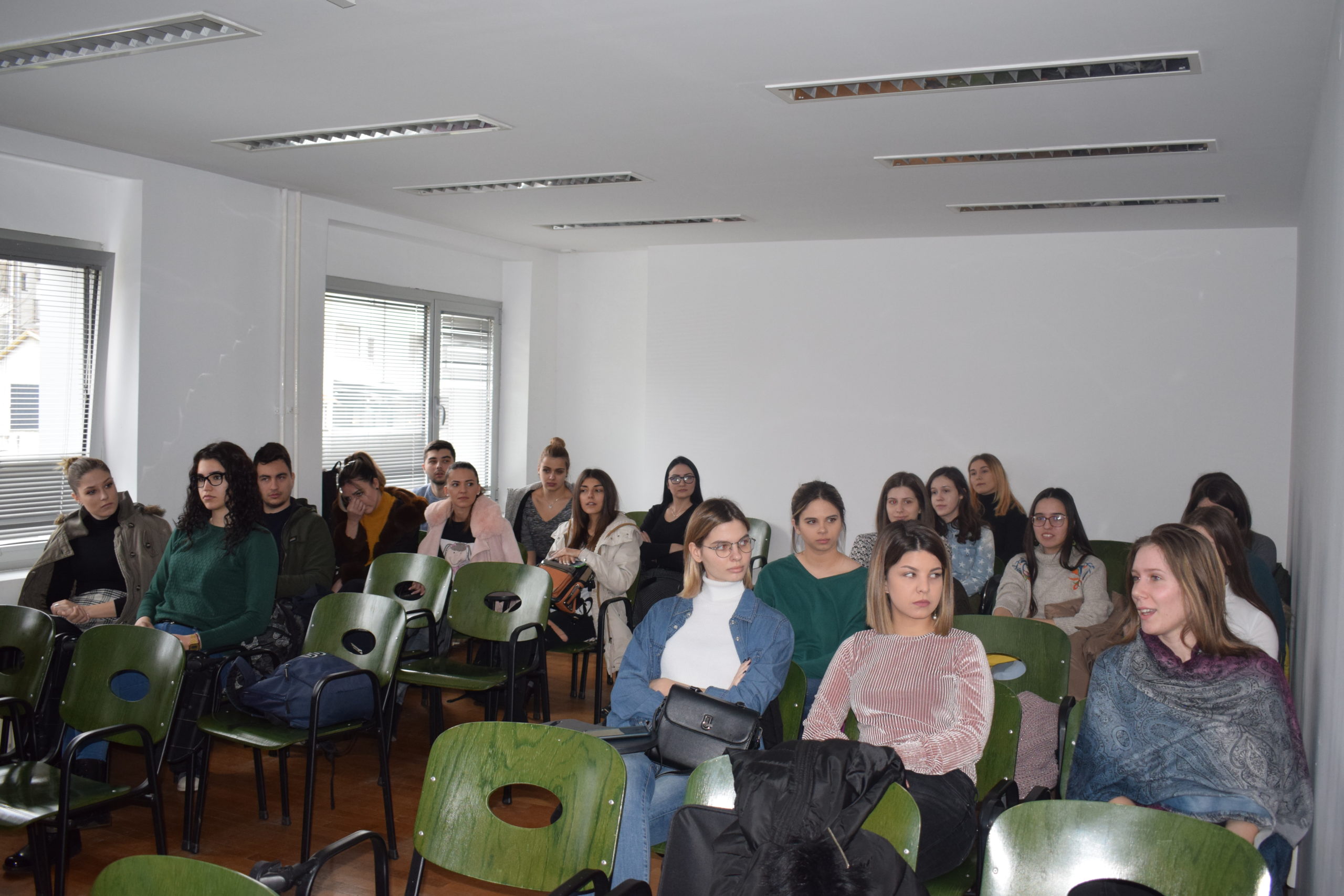
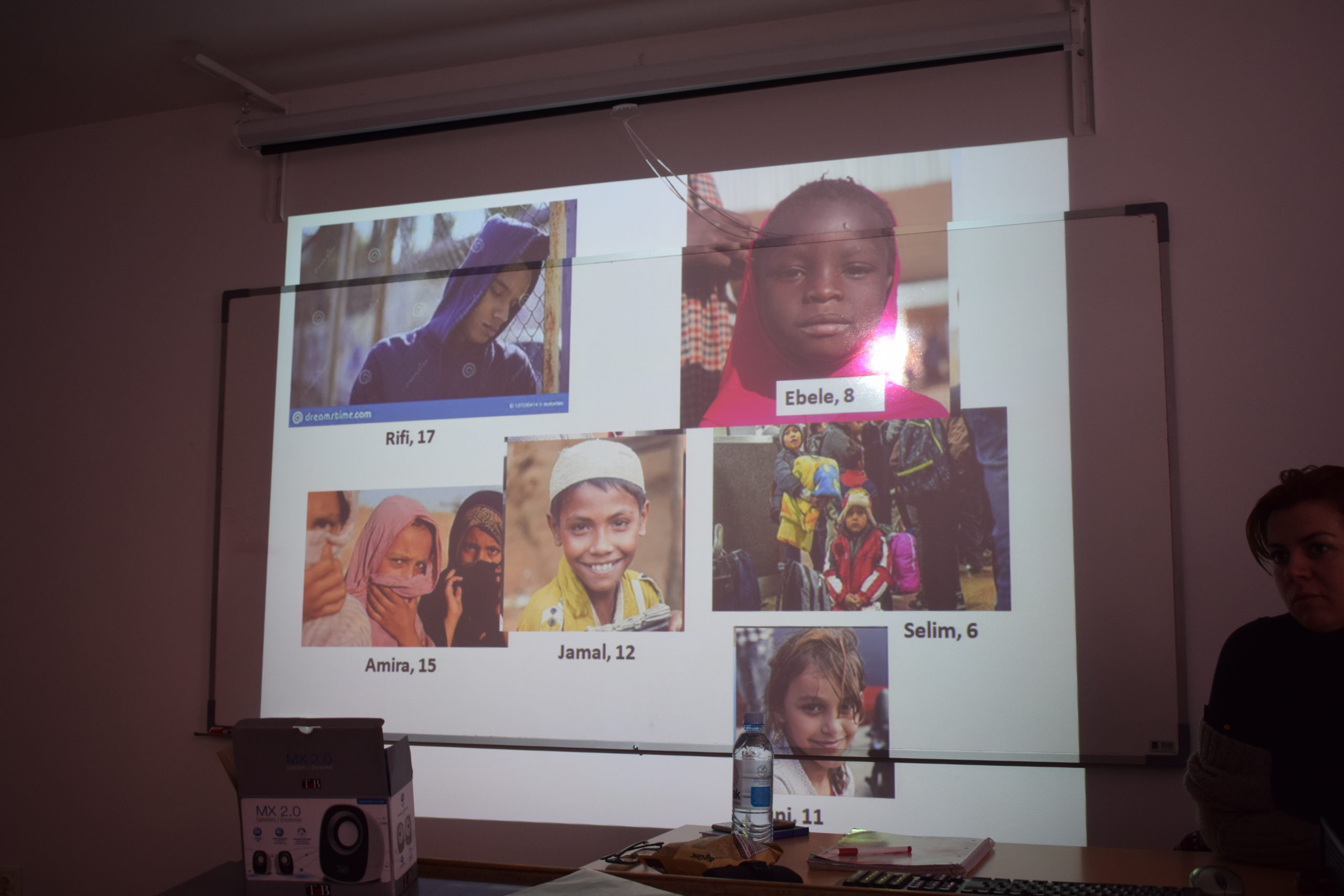
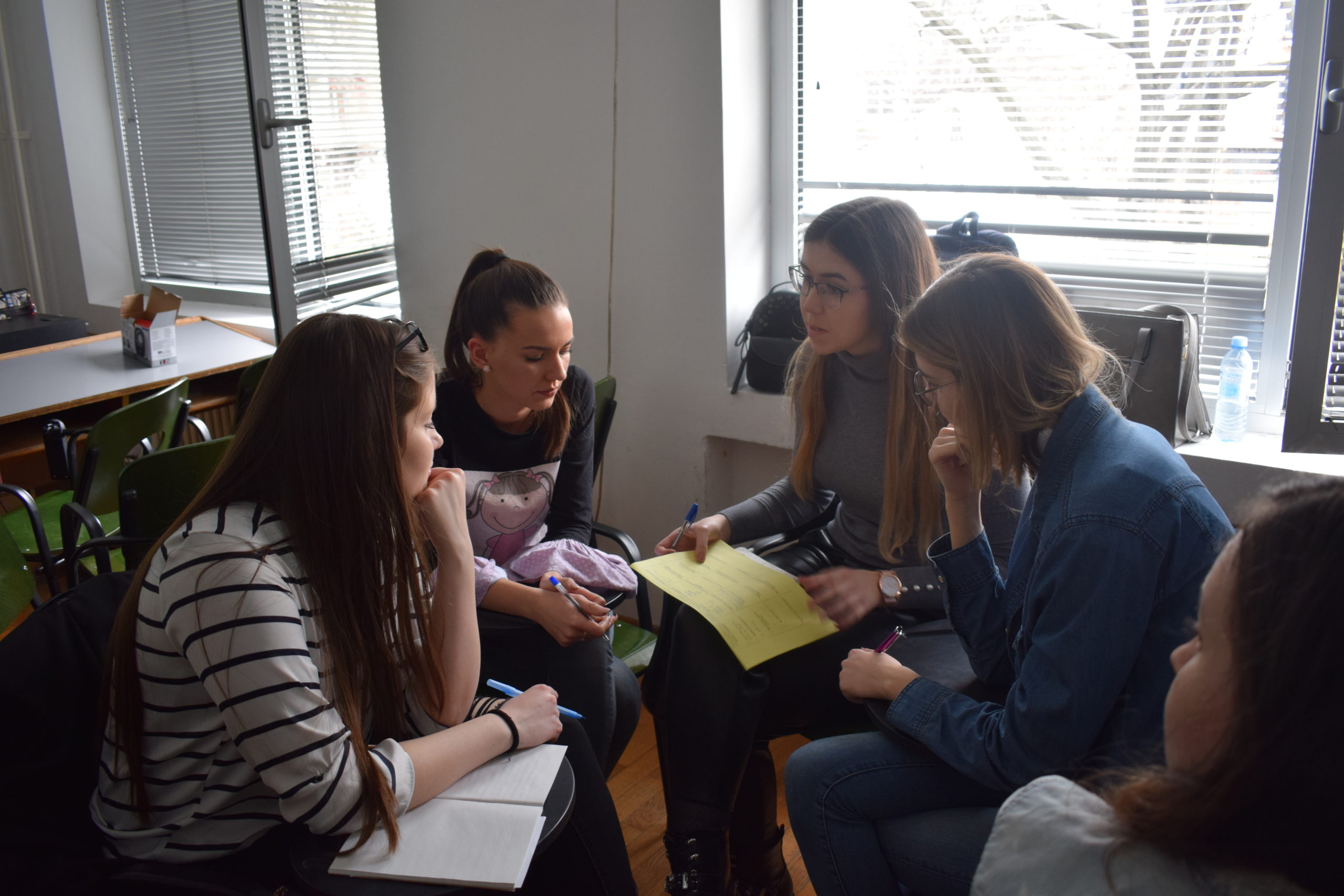
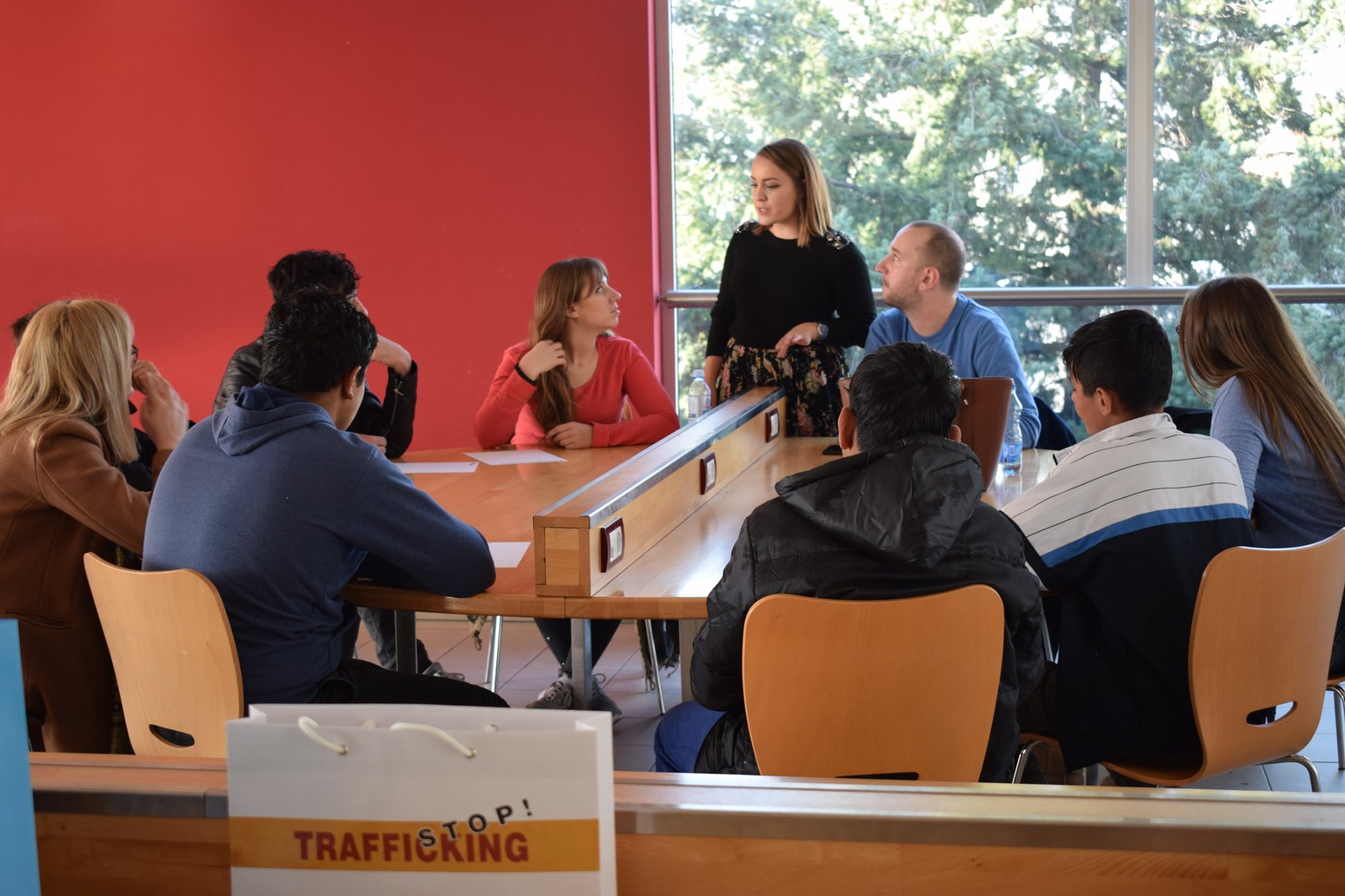
During the first part of the workshop students had a group discussion about actual cases of migrant children and problems they are facing with, thus having an opportunity to use the knowledge and skills obtained during the studies in solving the migrant crisis problem. In the second part of the workshop the participants’ task was to create messages to be addressed to public institutions, international organizations, social workers and students, in order to emphasize the importance of education in work with migrants.

The project will involve students of the third and fourth years of undergraduate academic studies of social policy and social work, as well as students from other departments demonstrating a particular interest in this field. The piloting was planned to include 5 professionals from the field. The project will be realized through four direct-contact, whole-day classes over two months. Upon the completion of the project, students will take a final test to be registered in their diploma supplement. The participants will also complete internship, to be organized in cooperation with organizations affiliated to the project. The approach to teaching units will be based on rights and protection of children. It will focus on migration, gender sensitivity and unaccompanied children.

Project coordinator is Prof. Nevenka Žegarac, member of the MIGREC team. The participants are Prof. Natalija Perišić and Junior Researcher Violeta Marković, both members of the MIGREC team, together with Anita Burgund Isakov and Katarina Lončarević, both PhD Assistant Professors at the Faculty of Political Science, University of Belgrade.  The course is developed in cooperation with UNICEF and supported by the Bureau for Population, Refugees and Migration of the State Department.


Children Affected by Mixed Migration – First Workshop Read More »

Memorandum of Understanding Signed

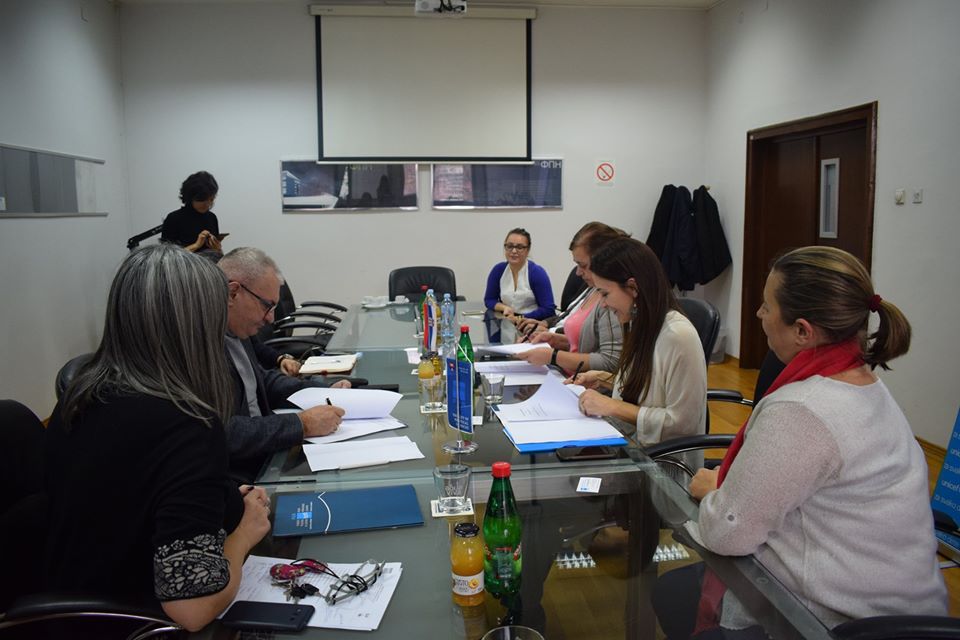
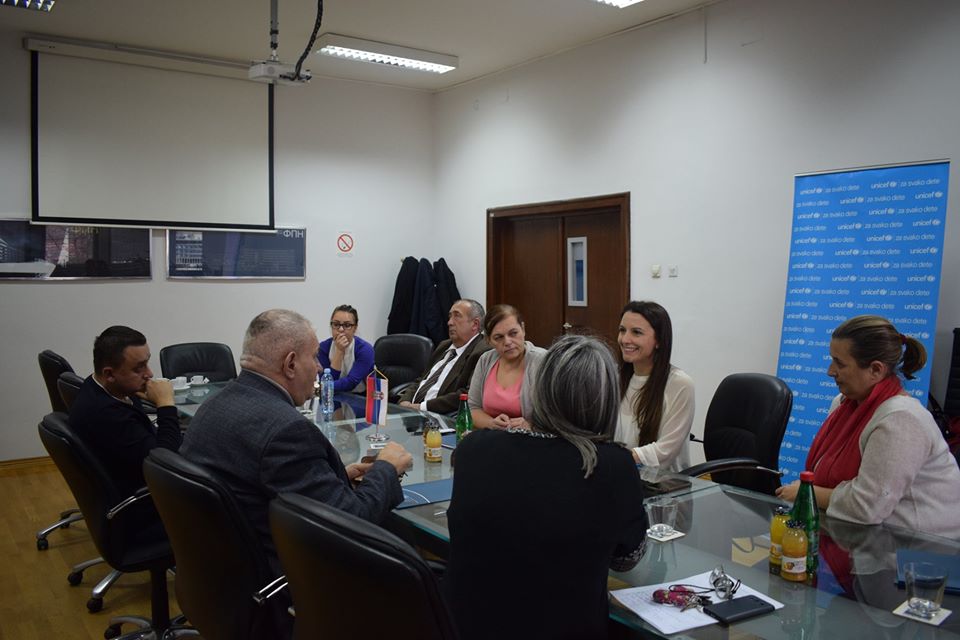
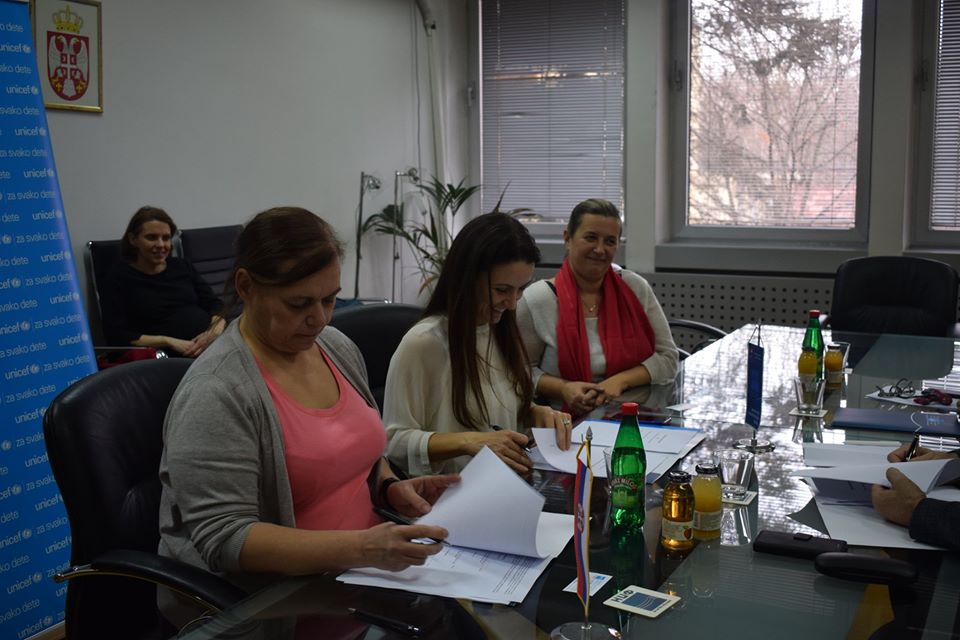
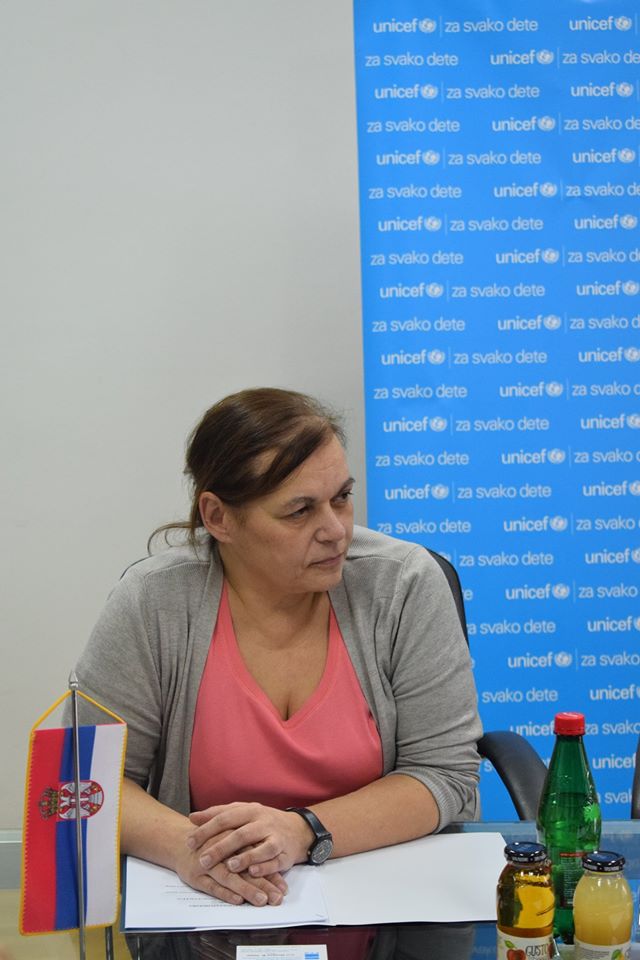
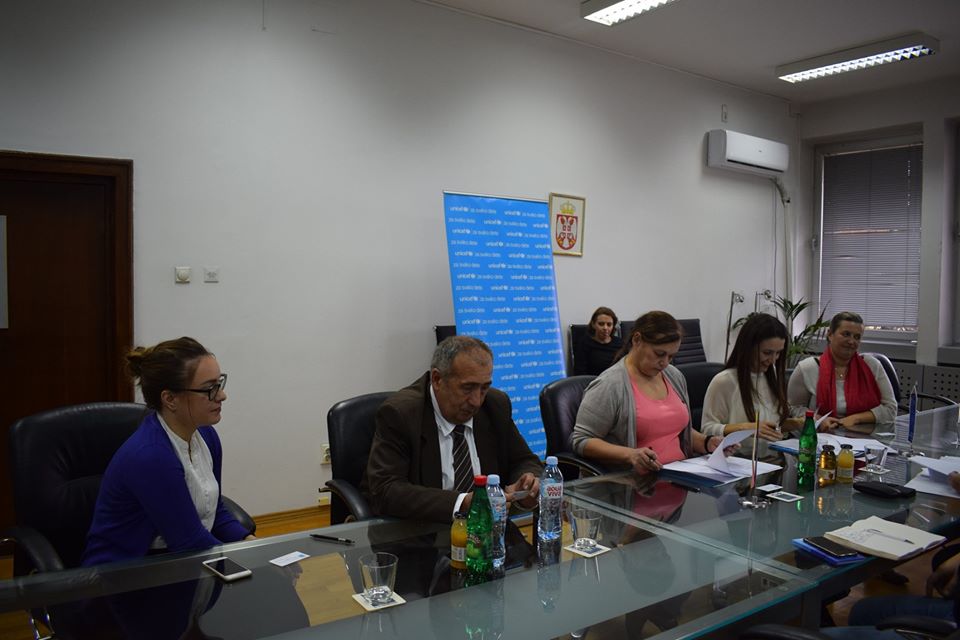
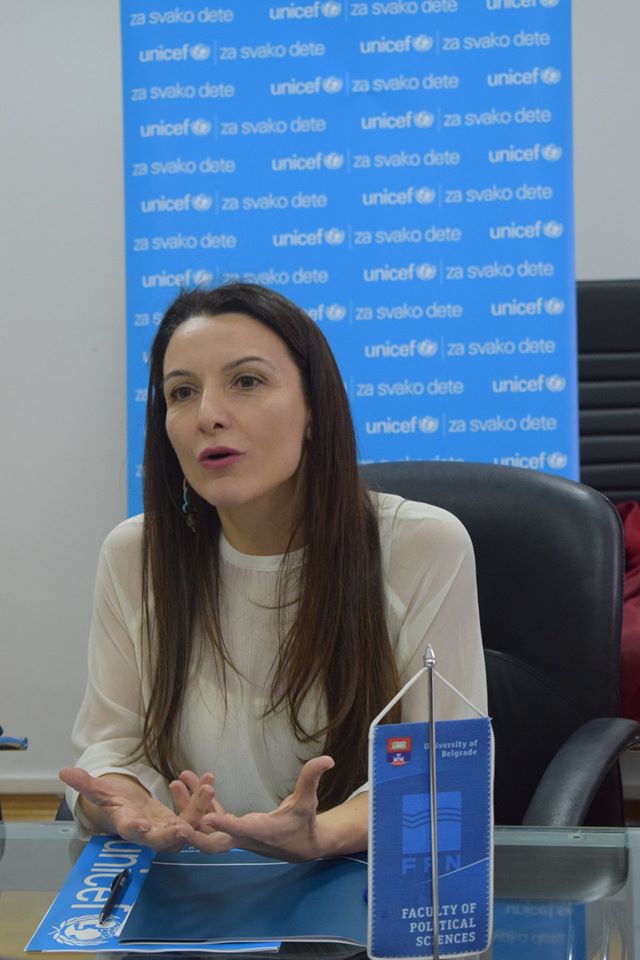
Memorandum of Understanding between the University of Belgrade – Faculty of Political Science, Commissariat for Refugees and Migration of the Republic of Serbia and the UNICEF Serbia was signed at the University of Belgrade – Faculty of Political Science on February 4th, 2020.  The Memorandum is the result of joint work on the project carried out by the Center for Research in Social Policy and Social Work at the Faculty’s Department of Social Policy and Social Work.

The project Co-Creation of Knowledge and Building of Expertise for the Protection of Children Affected by Migration and Forced Displacement – Curriculum Development is aimed at further strengthening of the social protection system in Serbia, with particular focus on the protection of migrant children, particularly the unaccompanied ones.

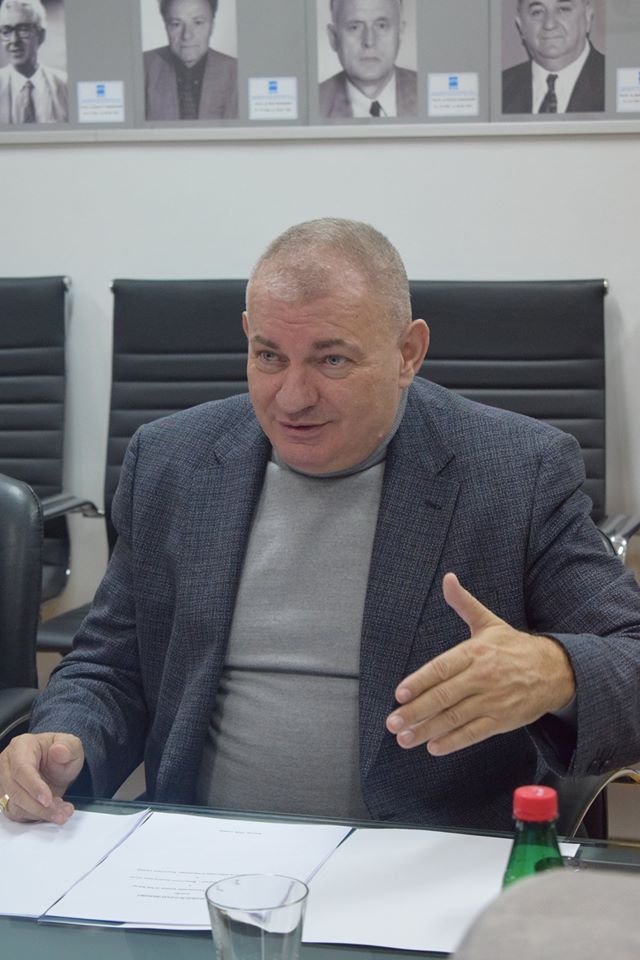
On behalf of the Faculty of Political Science, the Memorandum of Understanding was signed by the Dean, Prof. Dragan R. Simić, who emphasized the importance of this and similar projects, having in mind their aim to protect children and develop expertise of professionals in this field.

On behalf of the Commissariat for Refugees and Migrations of the Republic of Serbia, the Memorandum was signed by Svetlana Velimirović, the Deputy Commissioner, who stressed the importance of cooperation between the academic community and the Commissariat, particularly regarding the plans for opening an education centre in Plandište where academics would transfer knowledge to future professionals, not only from Serbia but from the entire region.

On behalf of the UNICEF, the Memorandum was signed by Ms. Regina de Dominicis, UNICEF Representative in Serbia, who emphasized the importance of cooperation of academic community, institutions offering in-the-field assistance to migrants and international organizations, as an example of good practice that is transferable to other countries.

The Head of the Department of Social Policy and Social Work at the Faculty of Political Science, Prof. Natalija Perišić, thanked to the Commissariat and the UNICEF on ongoing support in carrying out both this and the MIGREC project, emphasizing that signing of this document is a step forward in the already established, successful cooperation.


Memorandum of Understanding Signed Read More »

Panel discussion – “Migration – A Challenge or a Threat to Security of Croatia and Serbia?”

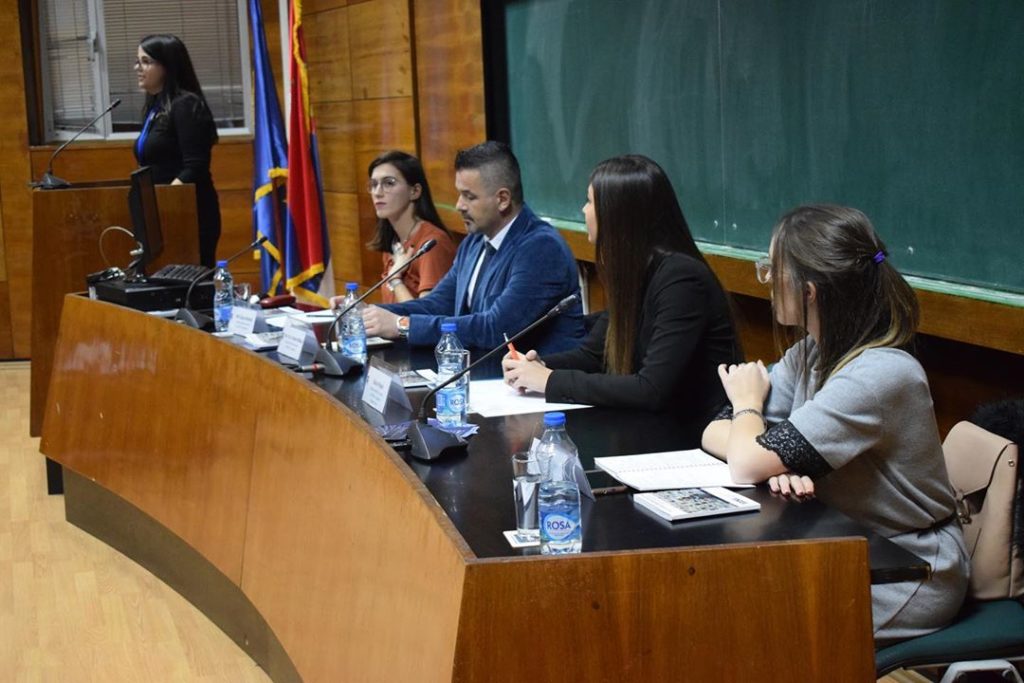
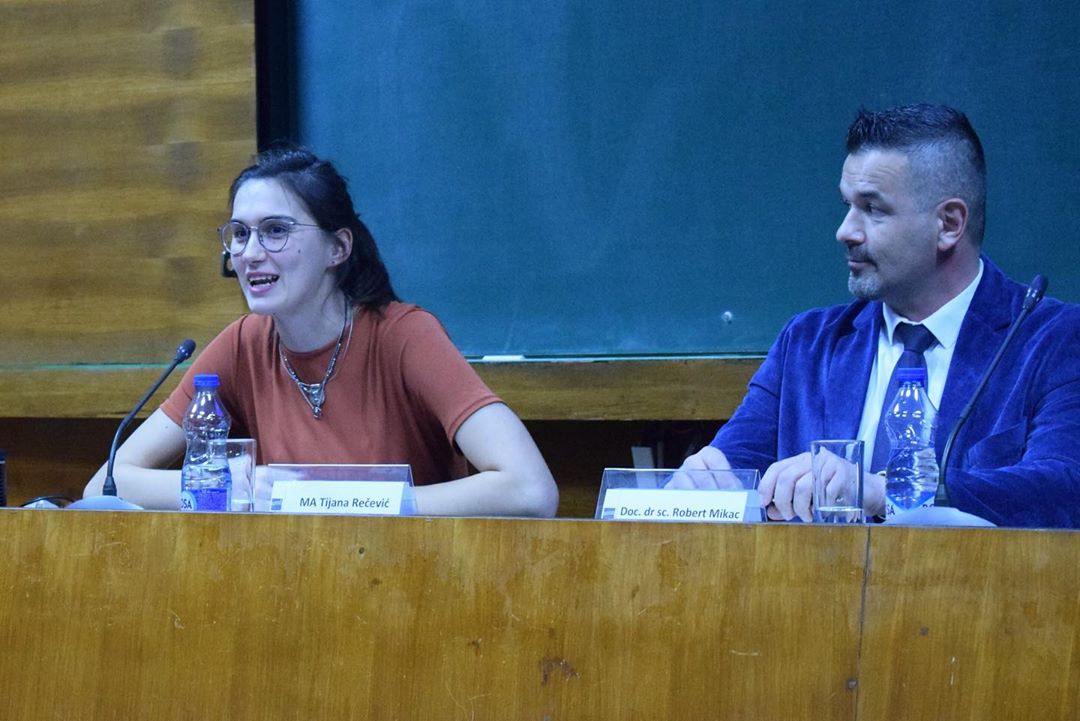
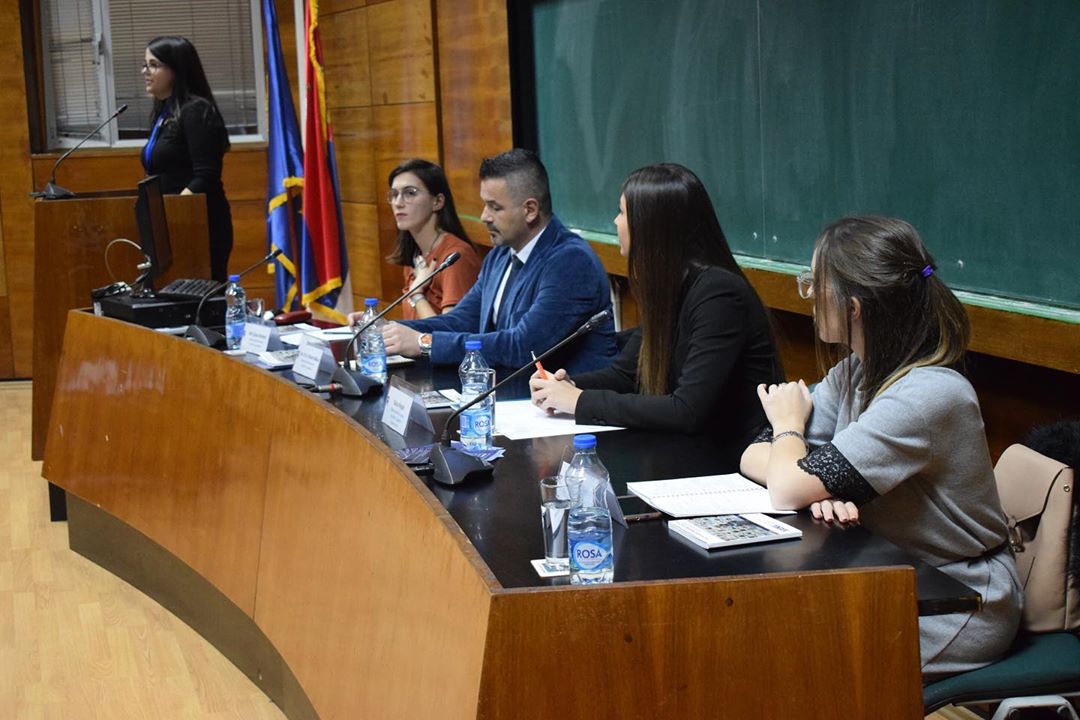
Tijana Rečević, Junior Researcher and PhD Candidate at the Faculty of Political Science, University of Belgrade, participated at the panel discussion titled “Migration – A Challenge or a Threat to Security of Croatia and Serbia?”. The discussion was organized under the project “PEROM Srbije i Hrvatske”, implemented by the students of the Faculty of Political Science, University of Belgrade and Faculty of Political Science, University of Zagreb. Focusing on the role of the transit countries, Tijana talked about security challenges which the recent migratory movements have posed in front of the countries on the Balkans route, about the cooperation of these countries in responding to constantly changing developments in the field, as well as about the potential opportunities for more comprehensive and effective migration, security and development policies in the region.


Panel discussion – “Migration – A Challenge or a Threat to Security of Croatia and Serbia?” Read More »

The International Migrant Day

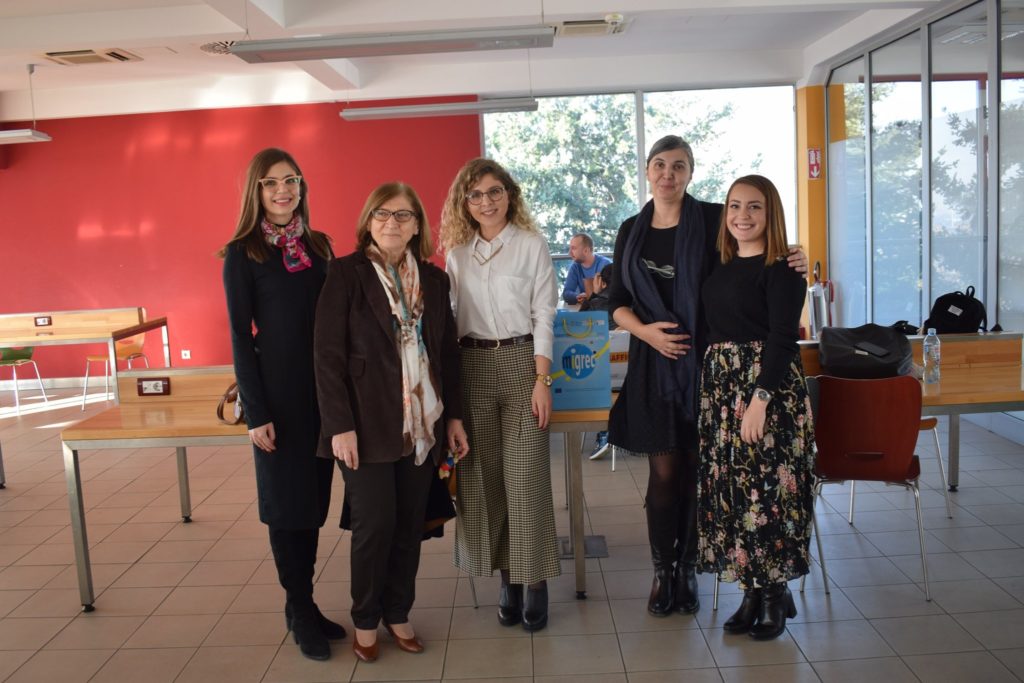
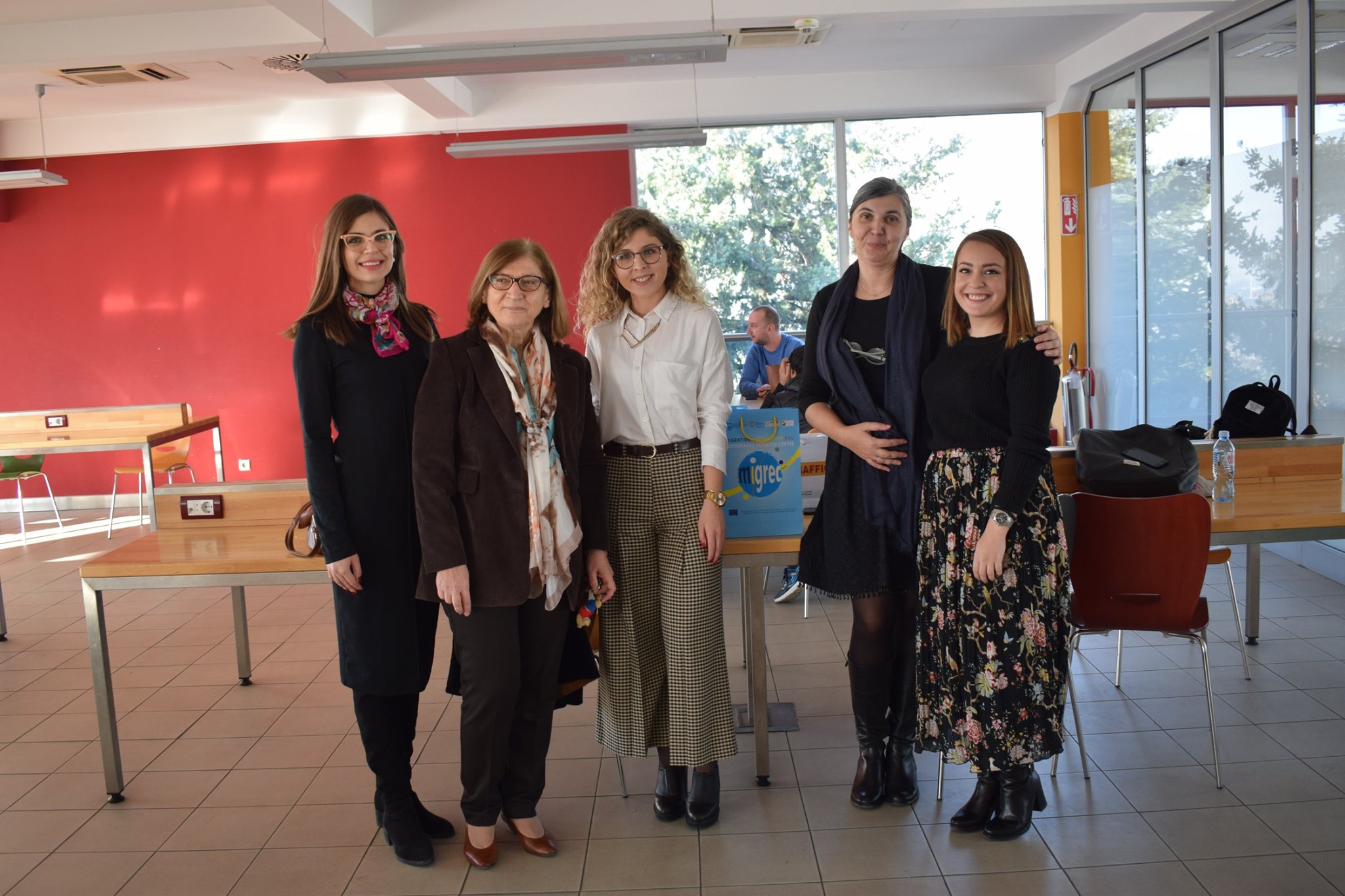
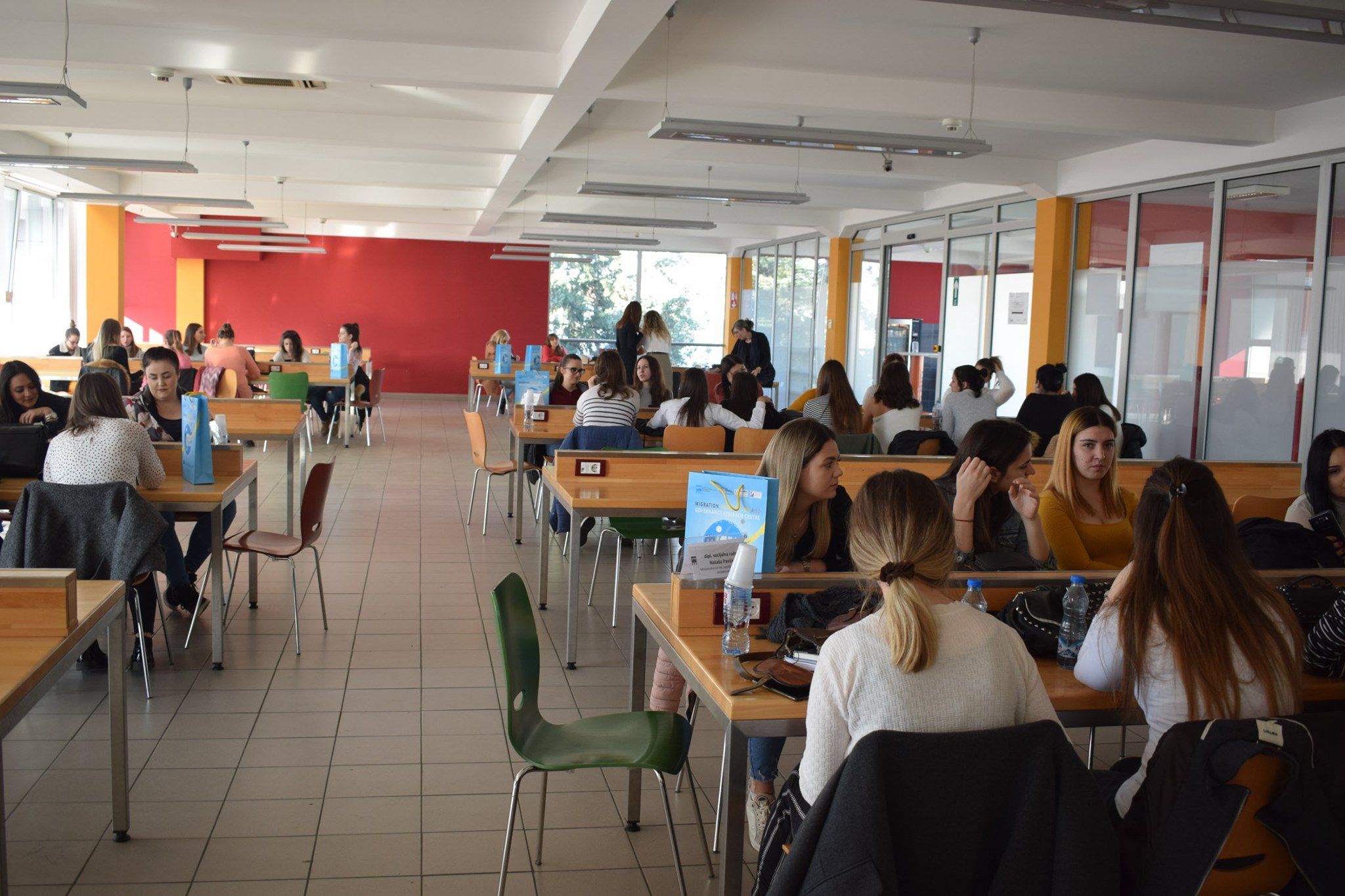
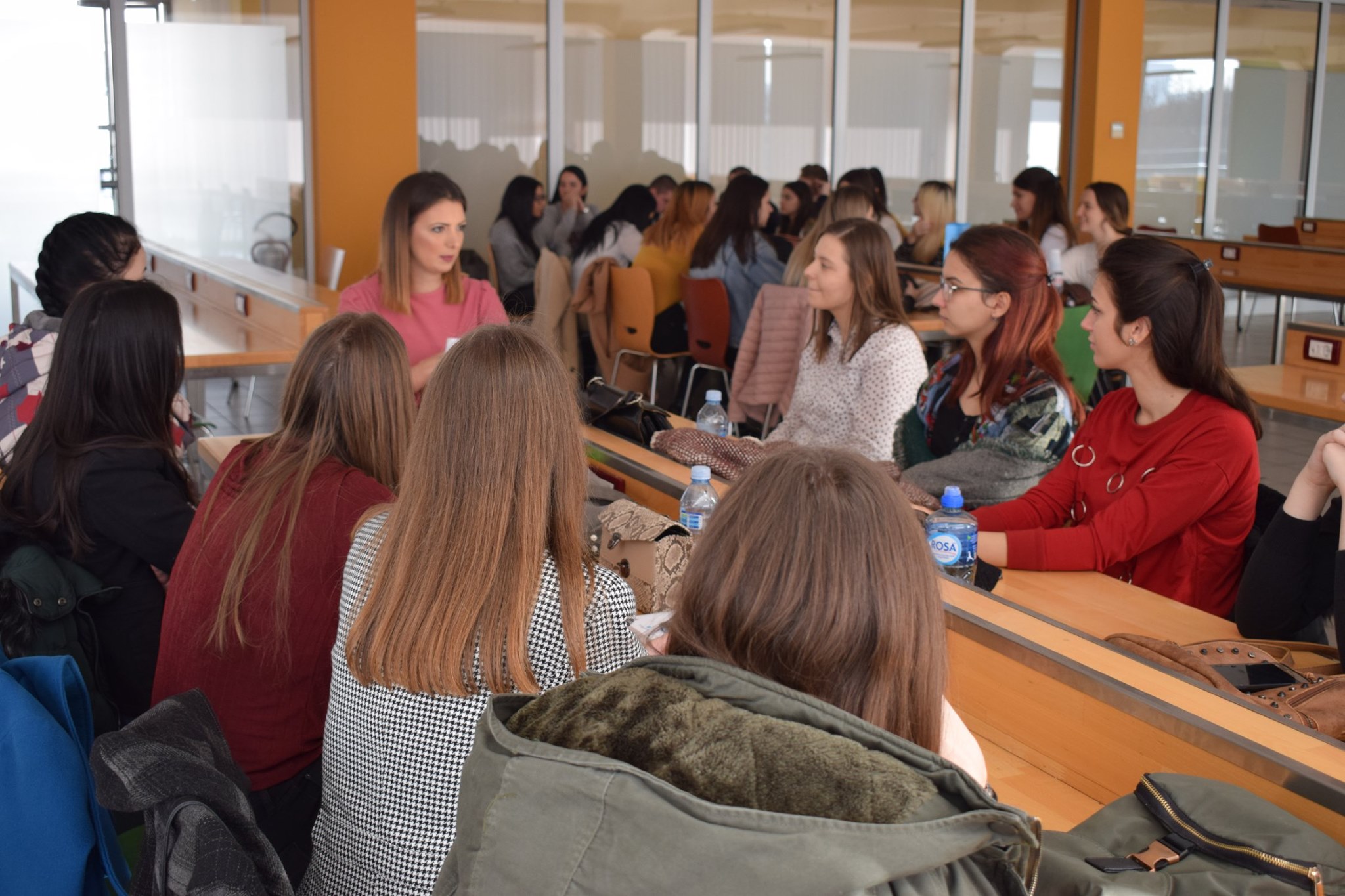
On December 17th, the Department of Social Policy and Social Work organized a Chat caffee: Migrants in Serbia… on the occasion of the International Migrant Day.

The event was focused on the migration of population from the MENA region which has been affecting Serbia since 2008. More than a million people have traveled through Serbia only since 2015, most wishing to reach one of the European Union countries. Governmental and non-governmental organizations in Serbia work day-to-day to support migrants.

Students of the third year of social policy and social work discussed the current challenges in the provision of support to migrants with graduate social workers from the Ministry of Labour, Employment, Veteran and Social Policy of the Republic of Serbia, Home for children without parental care “Jovan Jovanovic Zmaj” as well as two NGOs: JRS and ADRA.
Dear guests of the Faculty of Political Science were also migrant children, hanging out with students and having fun at board games.


The International Migrant Day Read More »

Provision of Social Services to Migrants in Transit through Serbia

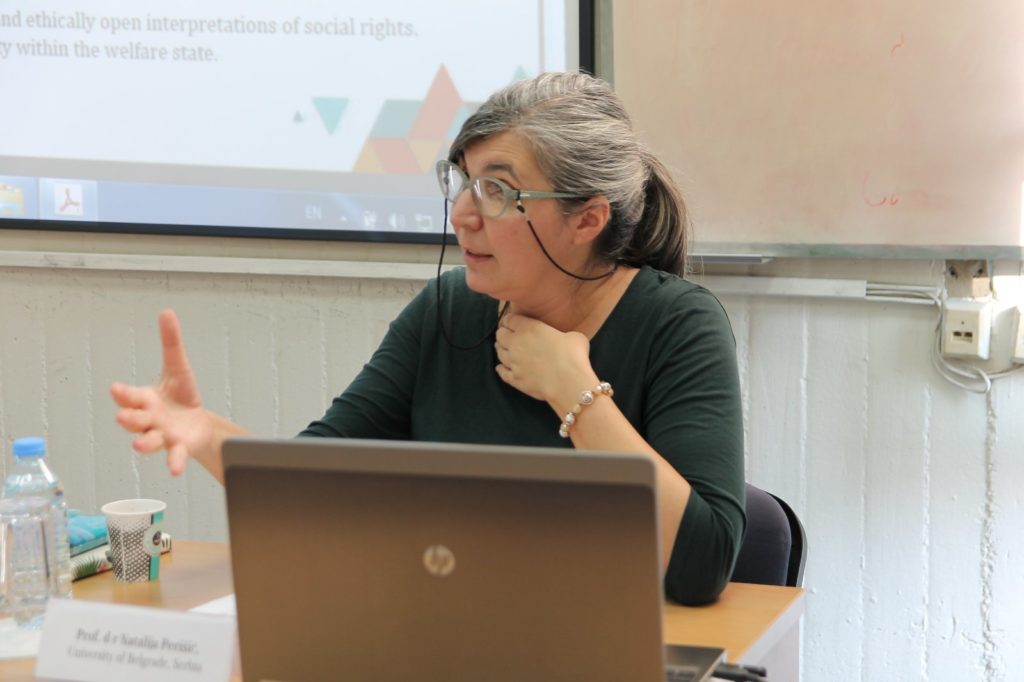
Professor Natalija Perišić, a member of MIGREC, had a presentation on providing social services to migrants in transit through Serbia at the Institute of Social Policy and Social Work of the Faculty of Philosophy in Skopje, North Macedonia, on November 27th 2019.

The presentation was a part of the First Regional Week of CESPASWON held from November 25th to 29th, 2019 in Skopje, North Macedonia, financed under CEEPUS Programme. CESPASWON – the Central European Social Policy and Social Work Network, is a network of academics and researchers in the field of social policy and social work. The main idea behind CESPASWON is to build upon previously existing cooperation practices in the region (i.e. among ex-Yugoslav Republics) and extend the links with new partners (i.e. Austria, Czech Republic) in order to establish academic alliances among universities that will nurture, promote and advance the regional social work and social policy research and teaching.

Prof. Perišić’s presentation focused on the migration situation in Serbia and the provision of welfare to irregular migrants. The theoretical framework of the presentation started from the concept of social rights and its consequences to limited welfare of irregular migrants in general. The central part of the presentation was the analysis of social services provided by the public and the civil sector stakeholders. The services under scrutiny were those aimed at the provision of basic support – accommodation, food and clothing, cash benefits, but also psychological support, legal advice and advocacy, child protection, educational support and capacity building. In the conclusion, the main challenges the sectors are facing were identified, along with obstacles to their improvement. Some of the challenges are at the macro level and are attributed to the overall decline of the national welfare state. Those relating mainly to the lack of cooperation mechanisms between the public and the civil sector are meso-level challenges. Finally, micro-level challenges refer to the capacities of the sectors per se.


Provision of Social Services to Migrants in Transit through Serbia Read More »