News

Diaspora for Local Development

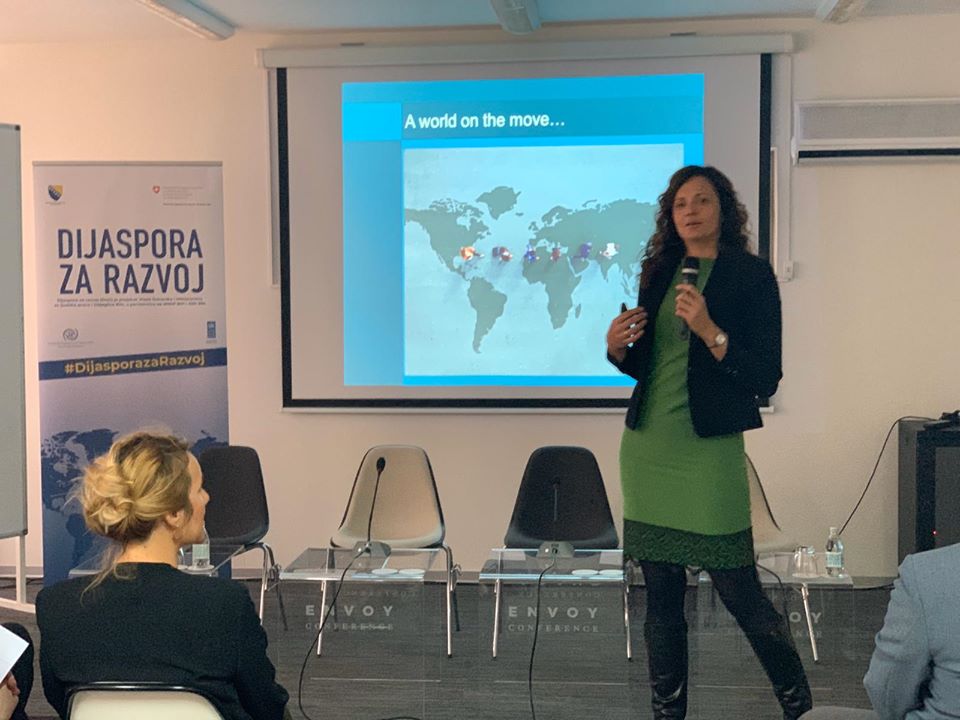
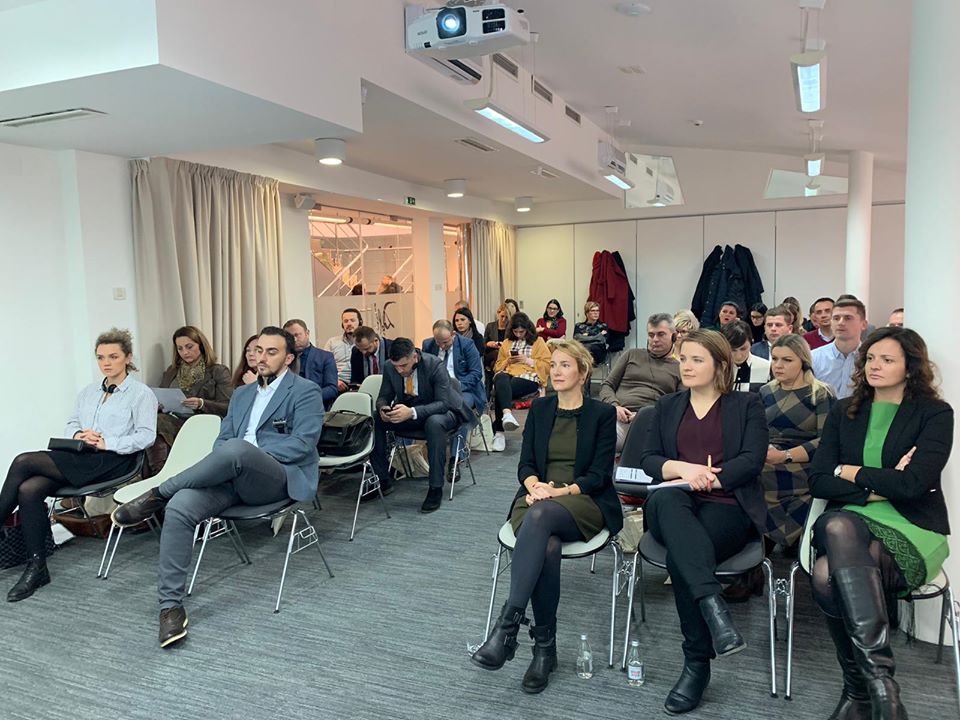
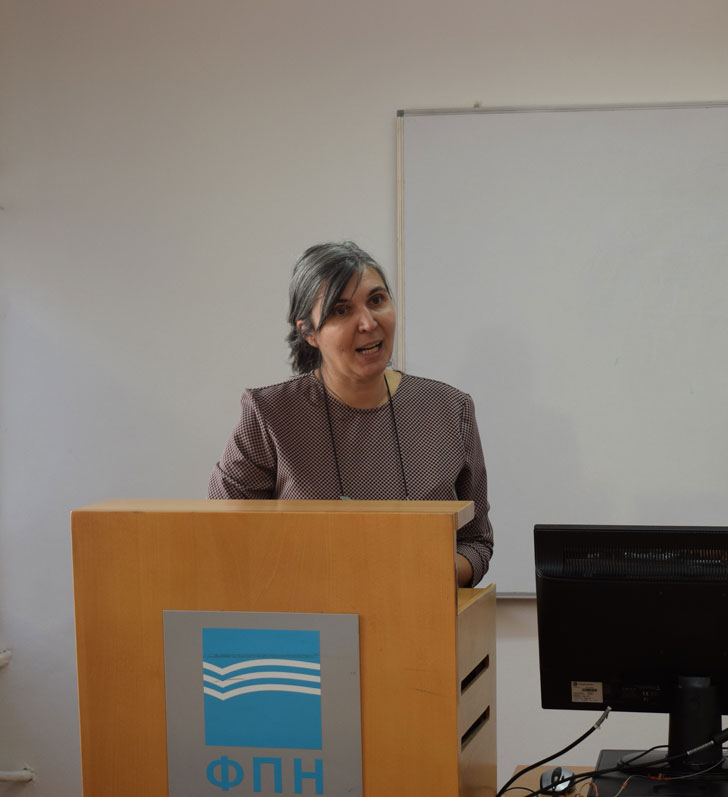
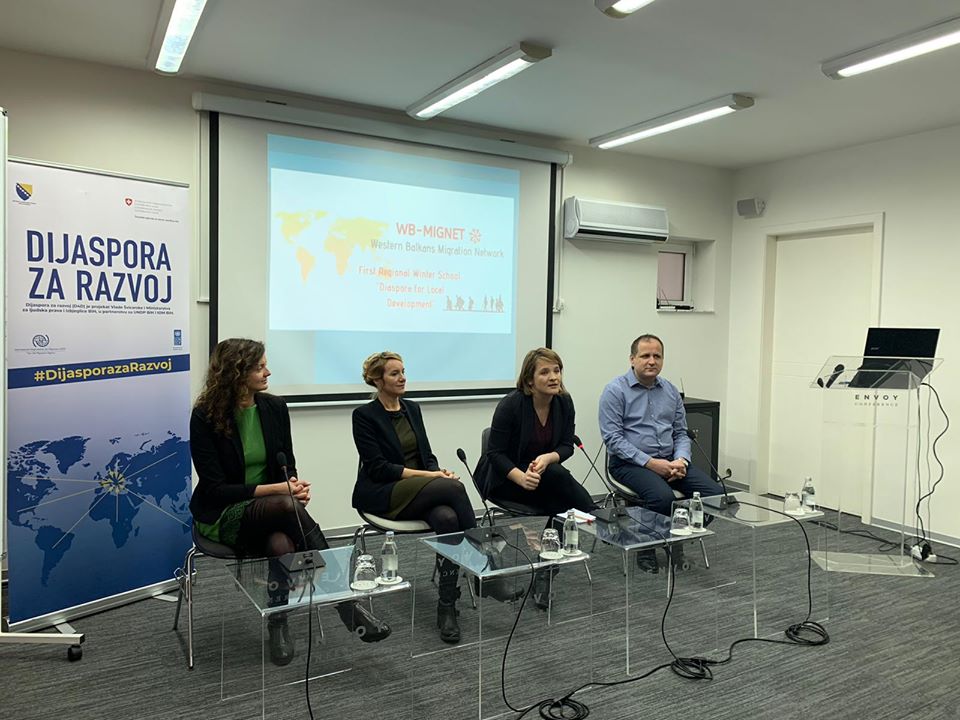
Professor Danica Santic, a member of the MIGREC team, participated in the first regional winter school held in Belgrade from 9-11. December 2019. The main topic was “Diaspora for Local Development”.


Diaspora for Local Development Read More »

Provision of Social Services to Migrants in Transit through Serbia

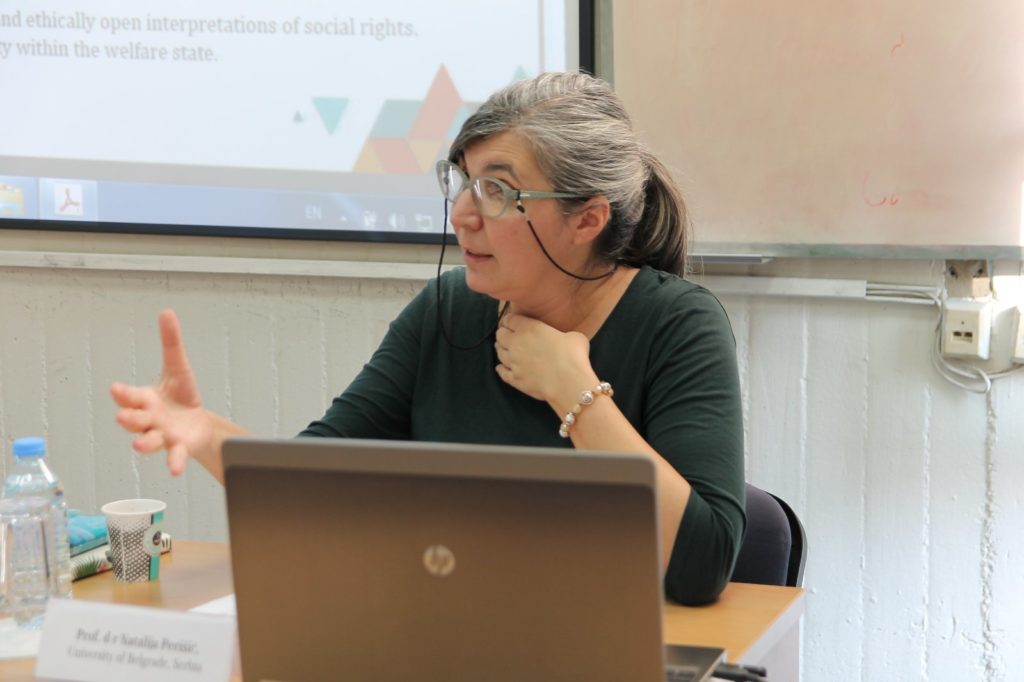
Professor Natalija Perišić, a member of MIGREC, had a presentation on providing social services to migrants in transit through Serbia at the Institute of Social Policy and Social Work of the Faculty of Philosophy in Skopje, North Macedonia, on November 27th 2019.

The presentation was a part of the First Regional Week of CESPASWON held from November 25th to 29th, 2019 in Skopje, North Macedonia, financed under CEEPUS Programme. CESPASWON – the Central European Social Policy and Social Work Network, is a network of academics and researchers in the field of social policy and social work. The main idea behind CESPASWON is to build upon previously existing cooperation practices in the region (i.e. among ex-Yugoslav Republics) and extend the links with new partners (i.e. Austria, Czech Republic) in order to establish academic alliances among universities that will nurture, promote and advance the regional social work and social policy research and teaching.

Prof. Perišić’s presentation focused on the migration situation in Serbia and the provision of welfare to irregular migrants. The theoretical framework of the presentation started from the concept of social rights and its consequences to limited welfare of irregular migrants in general. The central part of the presentation was the analysis of social services provided by the public and the civil sector stakeholders. The services under scrutiny were those aimed at the provision of basic support – accommodation, food and clothing, cash benefits, but also psychological support, legal advice and advocacy, child protection, educational support and capacity building. In the conclusion, the main challenges the sectors are facing were identified, along with obstacles to their improvement. Some of the challenges are at the macro level and are attributed to the overall decline of the national welfare state. Those relating mainly to the lack of cooperation mechanisms between the public and the civil sector are meso-level challenges. Finally, micro-level challenges refer to the capacities of the sectors per se.


Provision of Social Services to Migrants in Transit through Serbia Read More »

Coordinators’ Day for H2020 Projects – Spreading Excellence and Widening Participation

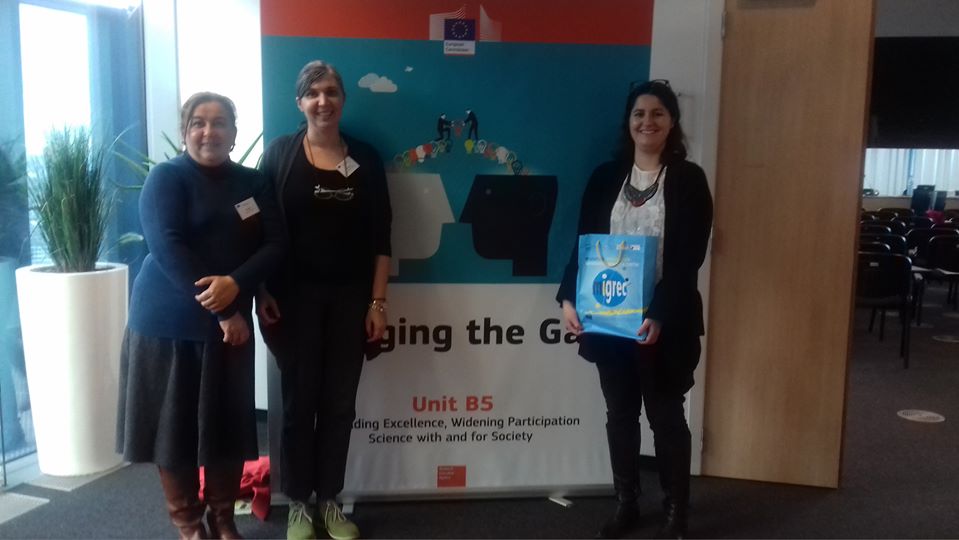
The Coordinator’s Day for H2020 Twinning Projects was organized in the Research Executive Agency of the European Commission in Brussels, Belgium, on November 14th 2019.

The event provided an opportunity for Coordinators of H2020 Projects to obtain information of relevance for the project management in general as well as to meet their Project Officers.

The presentations covered the topics of implementation and reporting given by Patricio ORTIZ DE LA TORRE, legal issues by Teodora PETKOVA, ethics issues by Katherine QUEZADA, H2020 Financial issues by Olivier BOBILLE as well as project communication and dissemination.

In the 2018 Twinning call, the EU provided budget to the amount of 30 MEUR. Out of 456 project proposals, 37 were granted funding, making the success rate of 8%. The number of project proposals in the field of humanities was 76. Out of the number, 5 were granted funding, making the success rate of 6.5%. Project lifetime is 36 months.

Coordinators’ Day for H2020 Projects – Spreading Excellence and Widening Participation Read More »

MIGREC – A SUCCESSFULL CONFERENCE PRESENTATION!

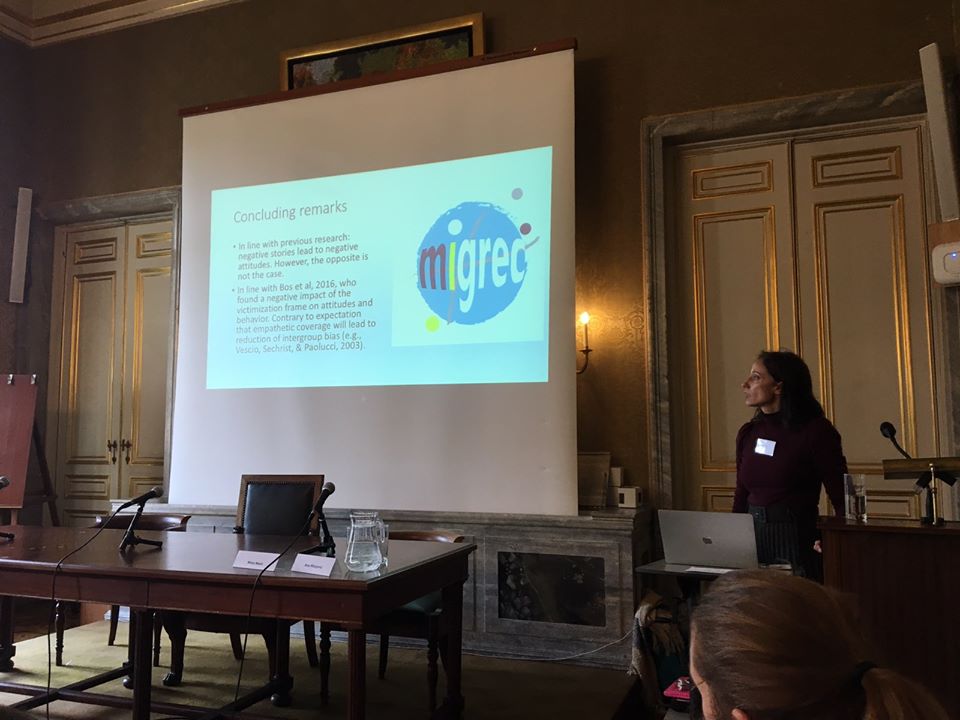
Under the MIGREC, Ana Milojević had a successful presentation at the conference “Digital Fortress Europe: Exploring Boundaries between Media, Migration and Technology” on October 30, 2019 in Brussels, Belgium.

The conference was organized by the European Communication Research & Education Association’s (ECREA) Diaspora, Migration & the Media (DMM) section in collaboration with the ECREA’s International & Intercultural Communication (IIC) section, the Young Scholars Network of ECREA (YECREA), the Netherlands-Flemish Communication Association (NeFCA), and has received support from the Royal Flemish Academy of Belgium for Science and the Arts (KVAB).

The two-day conference “Digital Fortress Europe”, held on October 30 and 31, 2019 in Brussels, Belgium, provided important forum which reflected on the relations between media, migration and technology. These relations touch on the essence of what migration means in our societies. The conference critically reflected on what the much-debated notion of “Fortress Europe” means in the digital age and questioned how it can guide our future thinking on media and migration. As such, scholars of media, communication, migration and technology have contributed to critical discussions on border politics and migration debates.

With the thematic focus on media, migration and technology and all their possible linkages and intersections, this conference was particularly suitable forum for the member of the MIGREC which focuses on developing UoB research capacity in order to contribute to deepening understanding of the migration-related challenges currently confronting Serbia and the wider Western Balkan region.

The conference took place at the Palace of the Academies, and hosted paper presentations within three broad themes:

– Borders and media technologies, particularly focusing on critical research on biometrics, algorithms, drones and cartography.

– Producing and circulating meanings and media on migration, including work on discourse and representation, journalism, popular culture and policy.

– Media uses and technologies by and for migrants and Diaspora, including research on activism, identity, emotion/affect, education, well-being, language and mediated social relations.

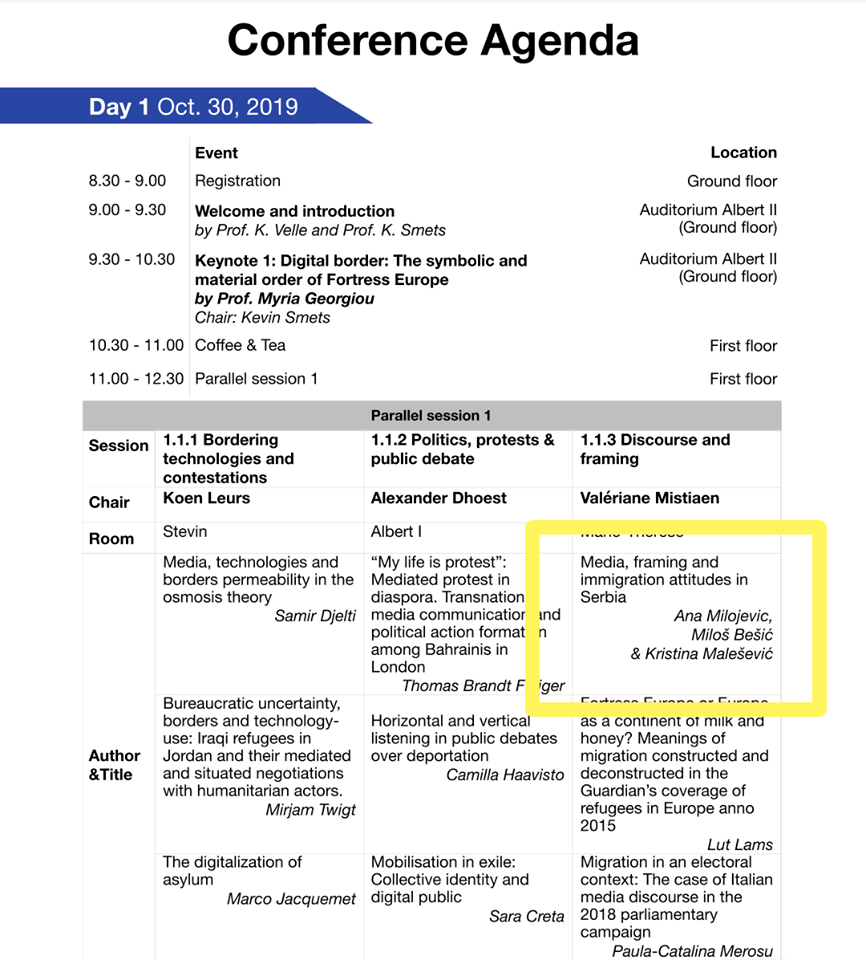
After the keynote presentation of Prof. Myria Georgiou, London School of Economics and Political Science, titled “Digital border: The symbolic and material order of Fortress Europe”, MIGREC member Ana Milojević had a successful presentation at the first conference panel: Discourse and framing, chaired by Valériane Mistiaen. On behalf of another MIGREC member Kristina Milić, Ana Milojević had a presentation “Media, framing and immigration attitudes in Serbia”. Based on data from the European Values Study (EVS 2018) and framing analysis of the refugee crisis media coverage (2015-2017), Milojević presented how national media portrayals were related to the attitudes towards immigration in Serbia.



MIGREC – A SUCCESSFULL CONFERENCE PRESENTATION! Read More »

MIGREC – SUCCESSFULLY KICKS-OFF!

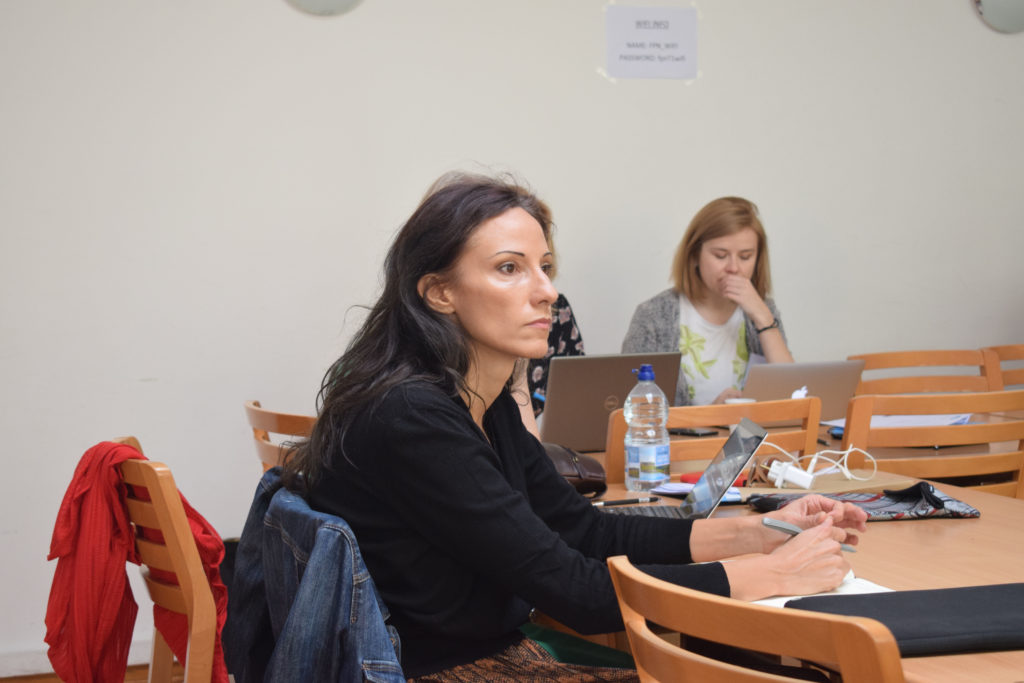
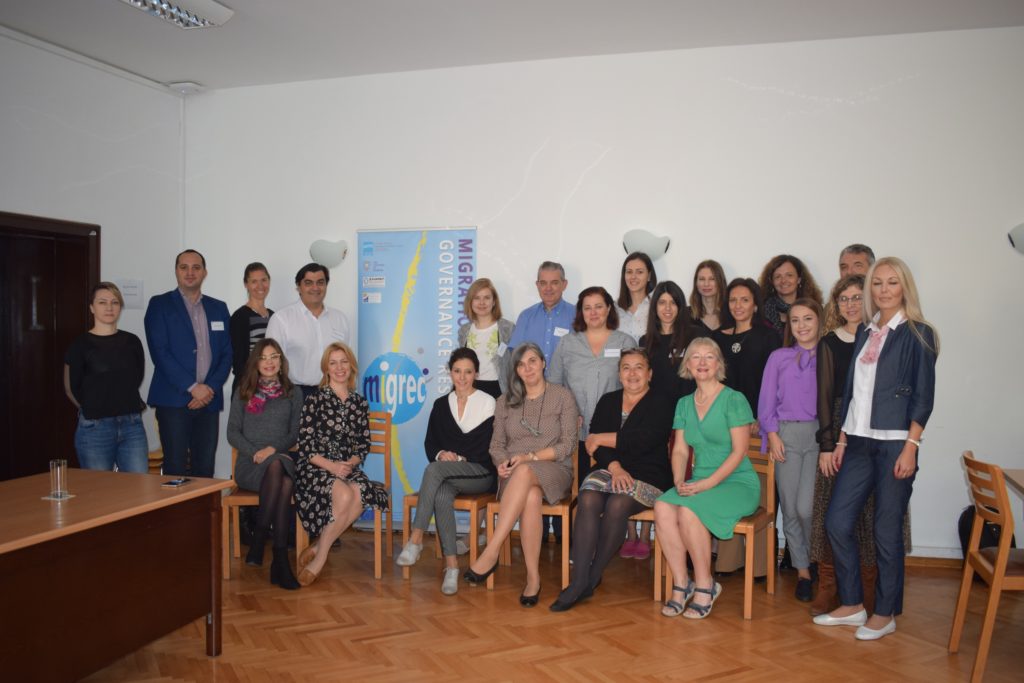
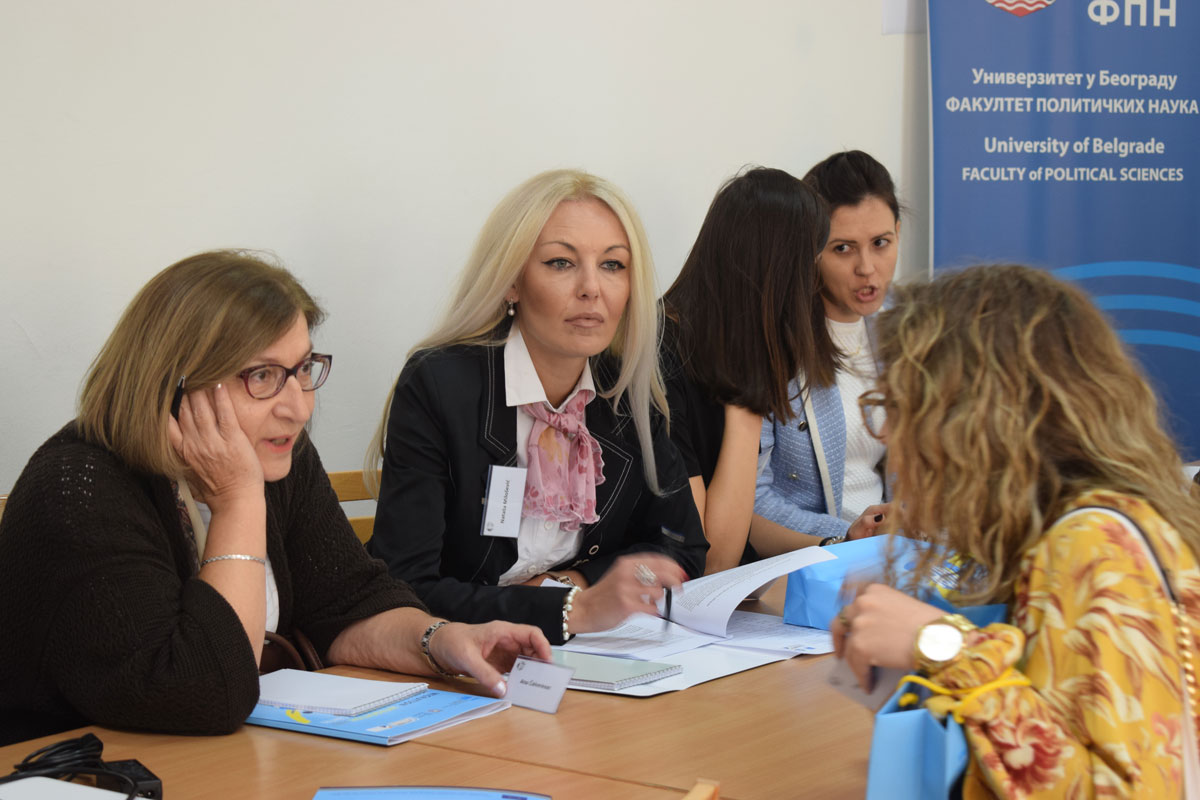
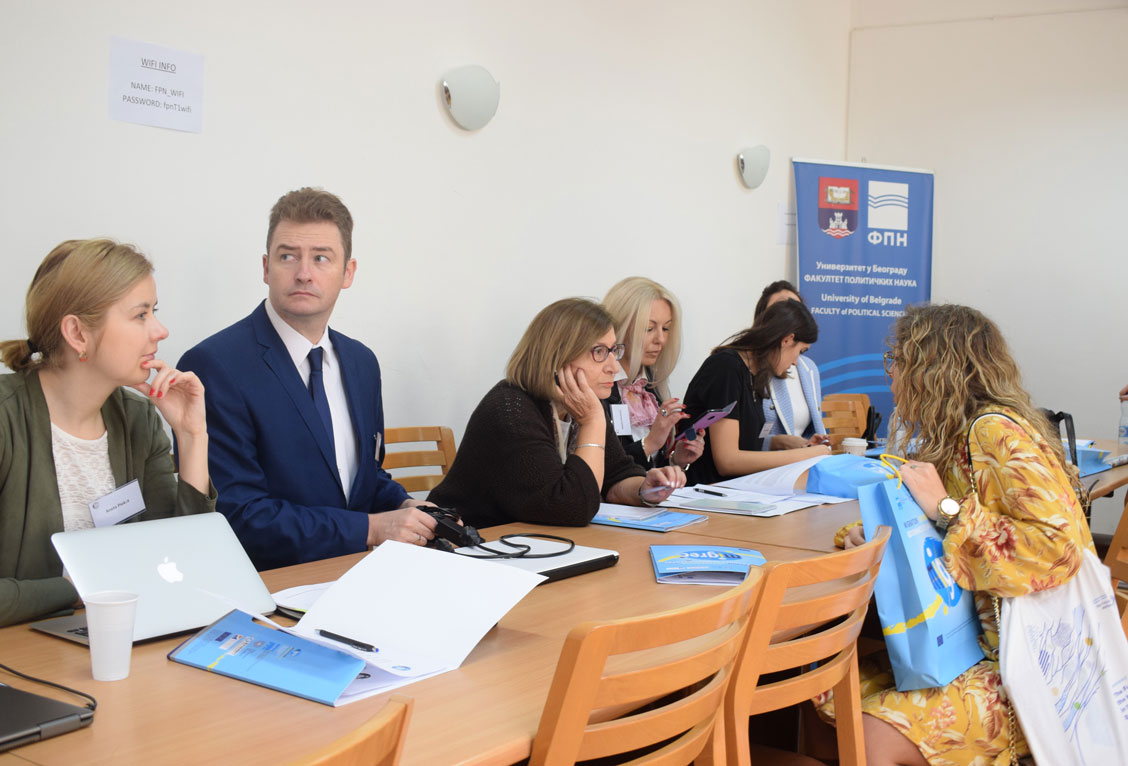
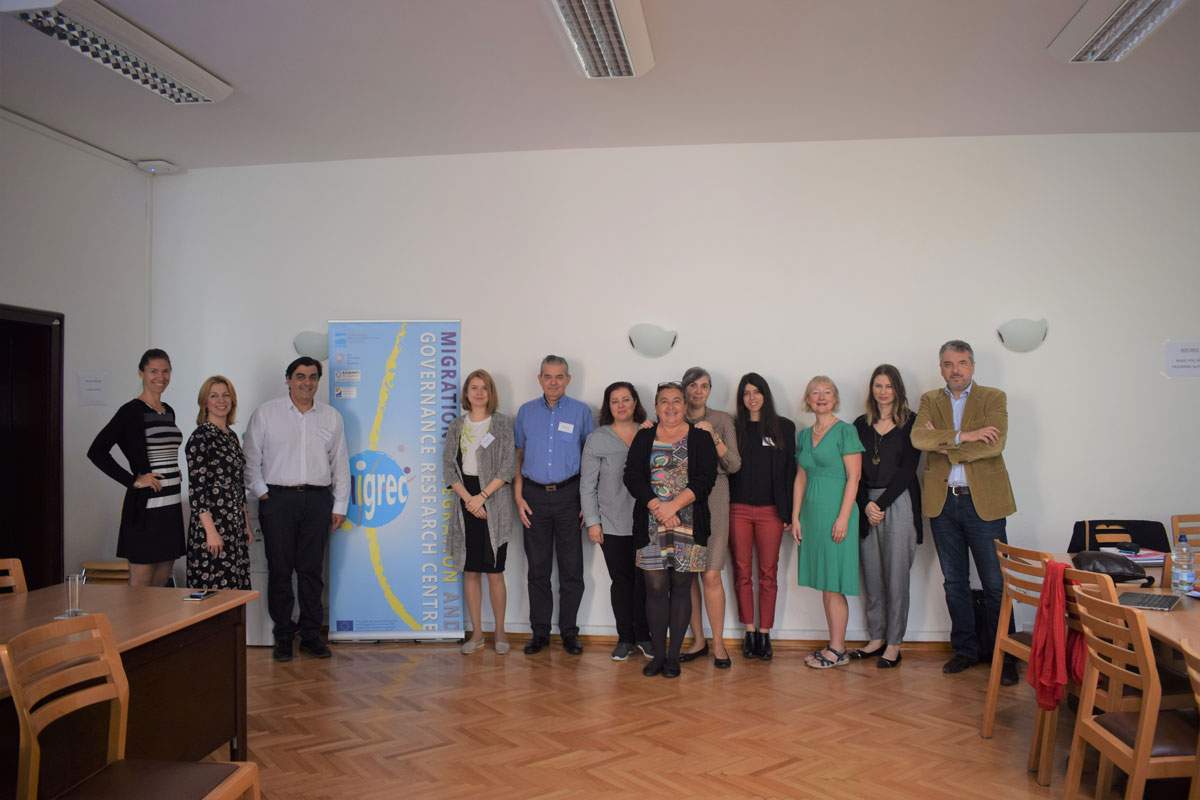
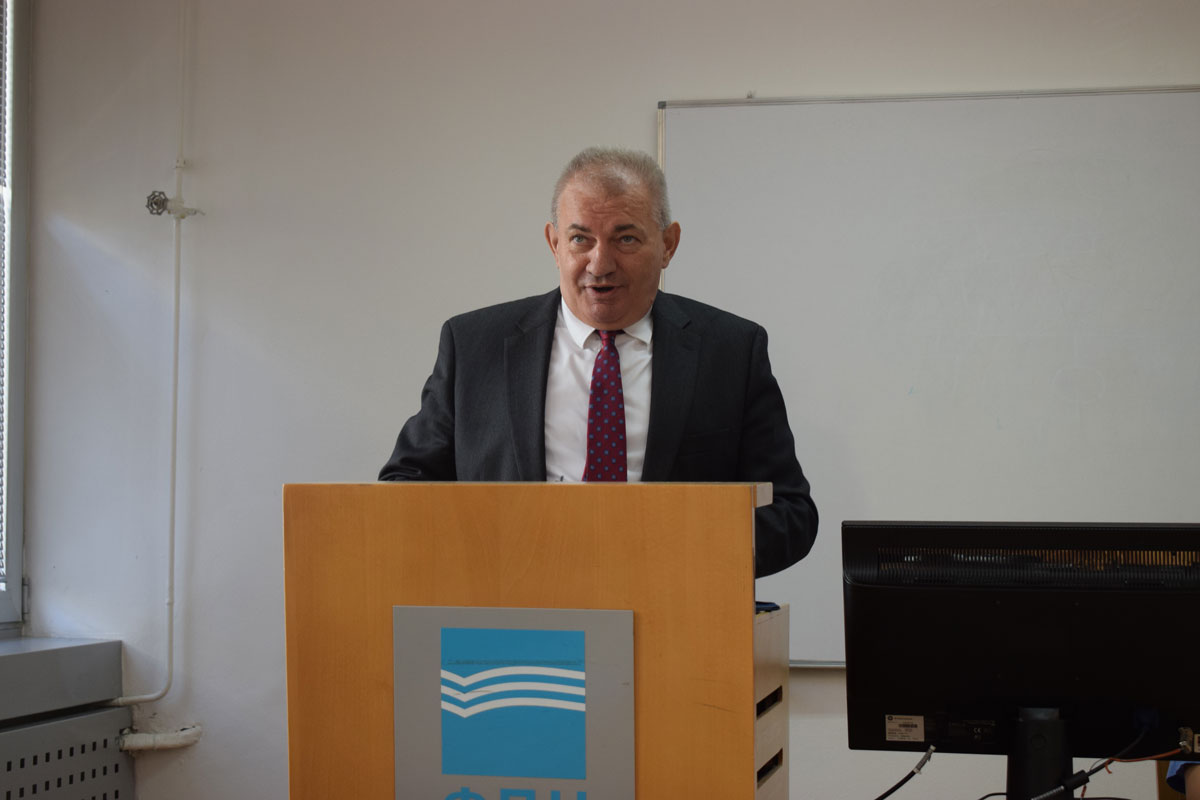
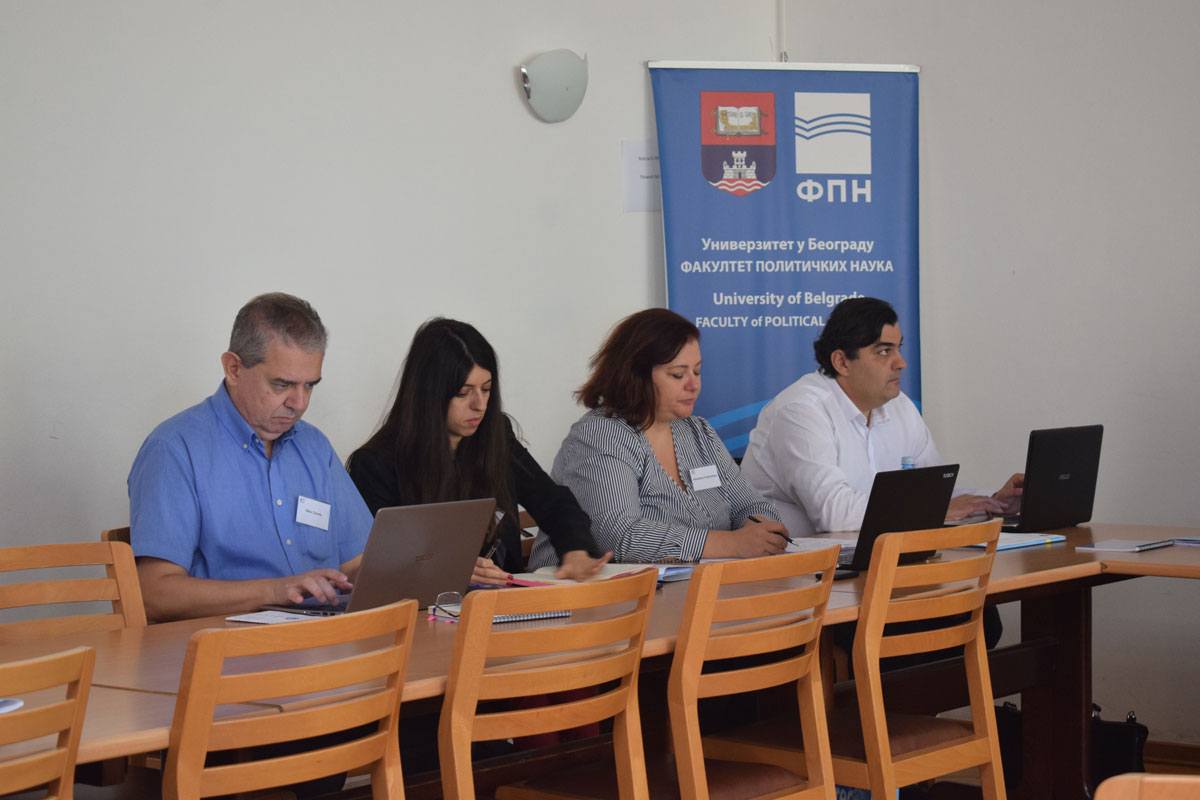
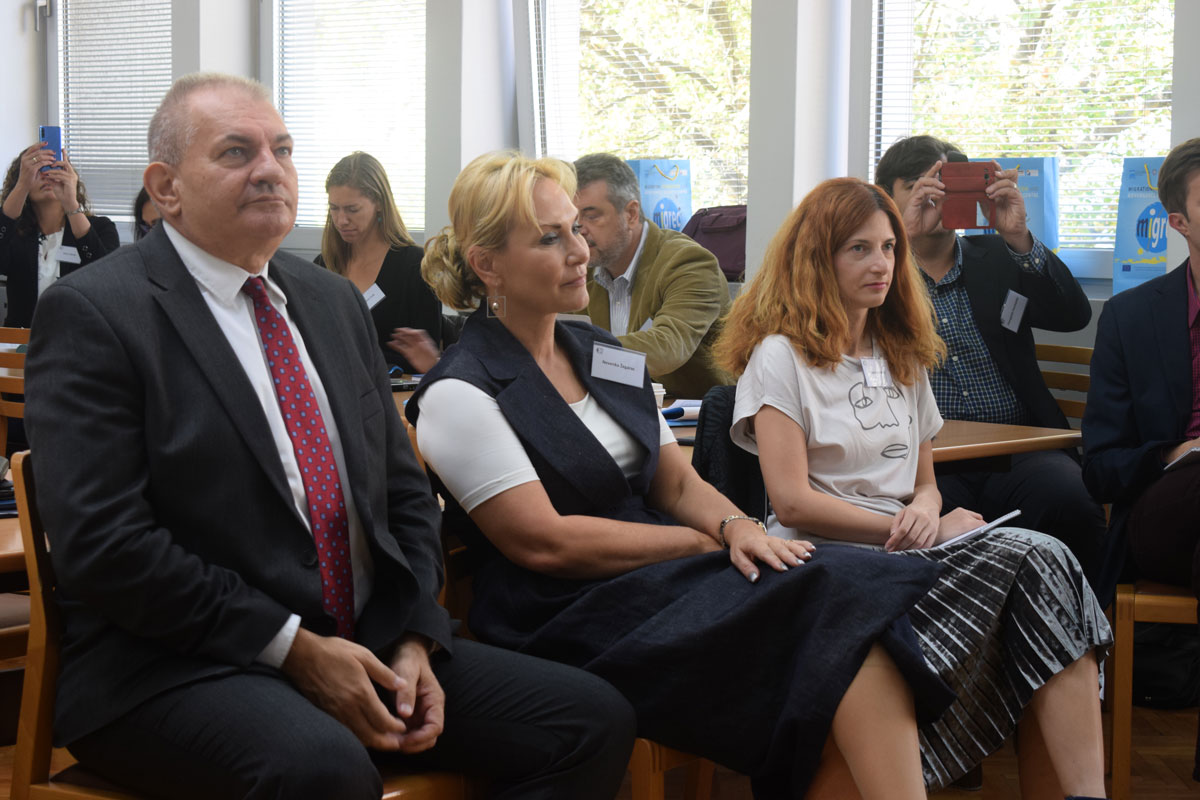
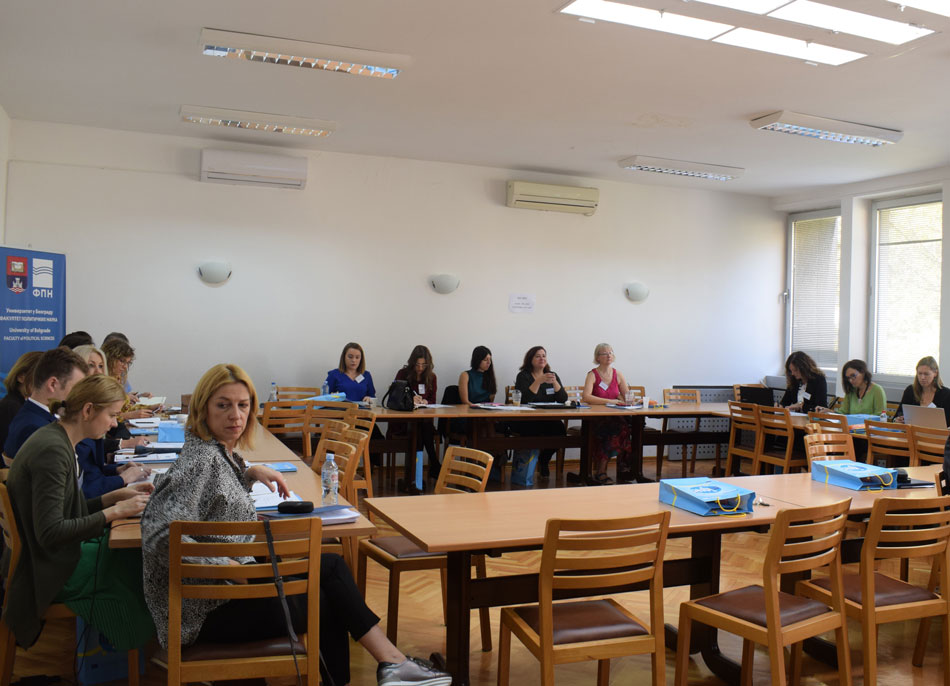
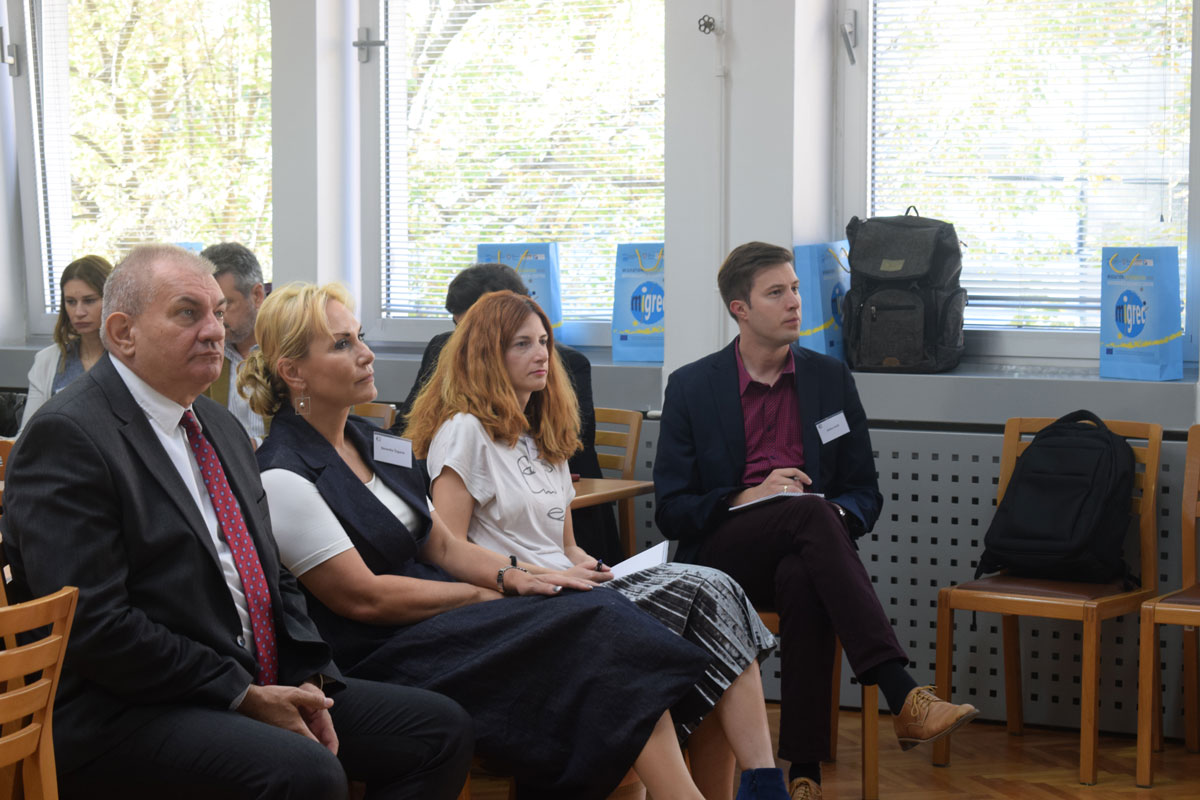
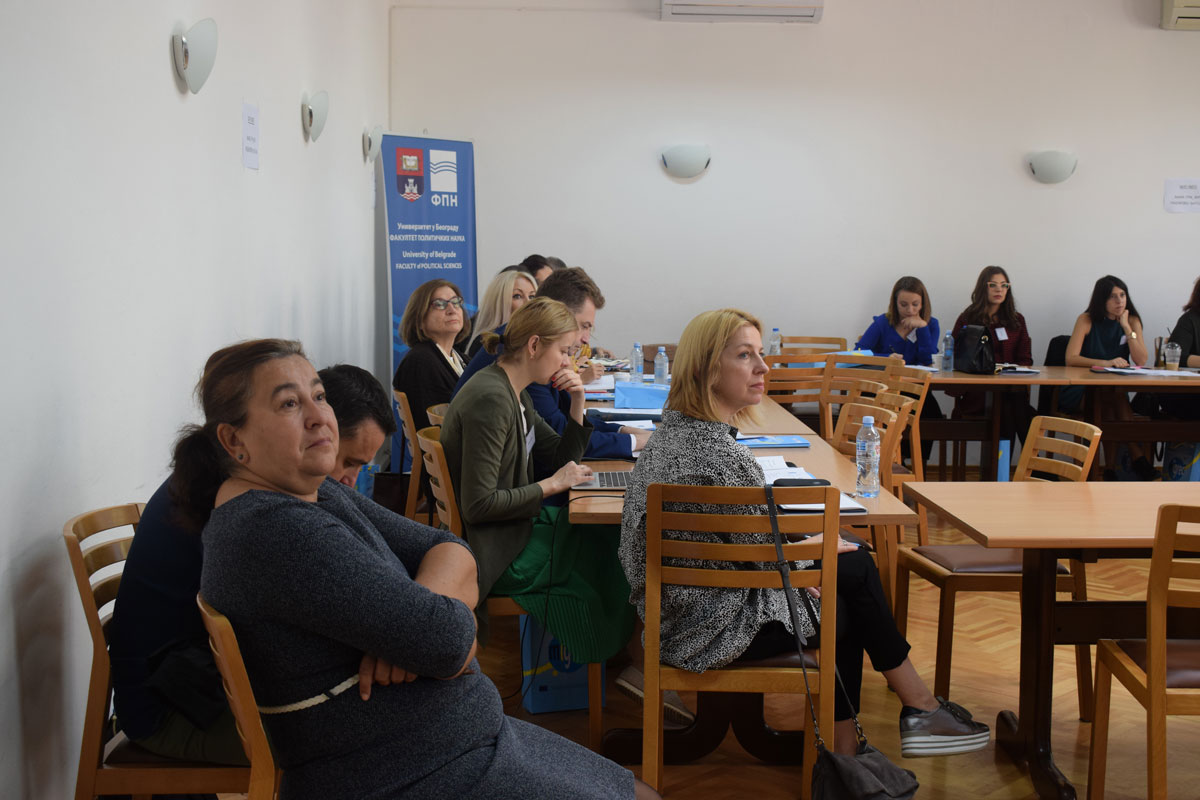
MIGREC – Migration, Integration and Governance Research Centre – a three-year research capacity building project in the field of Migration Studies at the Faculty of Political Science (FPN) at the University of Belgrade (UoB), successfully kicked-off at a two-day workshop in Belgrade on 21-22 October 2019.

Funded under the European Union’s Horizon 2020 Research and Innovation programme, MIGREC focuses on developing UoB research capacity in order to contribute to deepening understanding of the migration-related challenges currently confronting Serbia and the wider Western Balkan region.

MIGREC is the first Social Sciences project ever in H2020 to be co-ordinated by a Serbian institution, and as such represents a significant success and opportunity for UoB, the oldest and largest university in Serbia, as well as a regional higher-education leader.

Following a welcome from Dr. Dragan R. Simić – the Dean of FPN – Dr. Natalija Perišić, Associate Professor in Social Policy and MIGREC Co-ordinator, outlined the three specific challenges MIGREC will focus on: migration and integration, migration and development nexus and migration governance.

Over the course of the two days, researchers from MIGREC’s partner institutions – The University of Sheffield, UK, The Hellenic Foundation for European and Foreign Policy, Greece and The South East European Research Centre, Greece – worked with UoB colleagues to make concrete plans for putting into operation the programme of training, networking and mentoring to be undertaken, as well as the legacy planning in the form of the creation of a Doctoral Studies Program in migration and the establishment of the Research Centre on Migration, Integration and Governance.

Dr. Perišić was joined at the kick-off meeting by around 10 colleagues from UoB spanning the fields of Political Science, Journalism and Communication Studies, International Relations, Social Policy and Social Work and Human Geography. They included PhD students, early career researchers, as well as senior academics.

This group of UoB researchers gave a series of presentations on their current writing and research projects. The presentations revealed a rich body of work ongoing at UoB, including relating to: the integration of the refugees who arrived in Serbia in the 1990s following the dissolution of former Yugoslavia and the wars that ensued (Danica Šantić and Natalija Perišić); recent asylum seekers’ perspectives on integration in the Balkans (Stefan Surlić); migration and human rights in Serbia (Dejan Pavlović); the relationship between immigration and welfare state solidarity (Biljana Đorđević); media framing of migrants and refugees in Serbia (Ana Milojević, Aleksandra Krstić and Kristina Milić); high-skilled emigration from Serbia (Dragana Stoeckel); research with migrant children using co-production methods (Natalija Perišić, Nevenka Žegarac and Violeta Marković); and rural-urban migration in Serbia and its development impacts (Danica Šantić and Marija Antić).

The kick-off meeting ended by confirming the dates for the many exciting activities planned for Year 1 of the project. These include a workshop on Migration and Integration on 7th & 8th April 2020 and a Summer School week of 15th June 2020, both to be held in Belgrade.

Dr. Majella Kilkey on behalf of the MIGREC team

October 2019


MIGREC – SUCCESSFULLY KICKS-OFF! Read More »