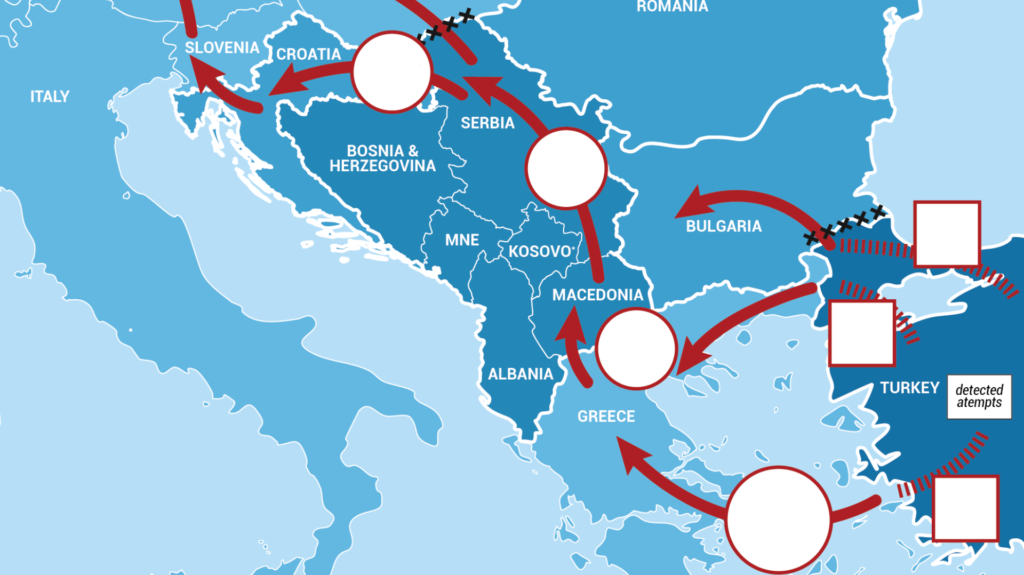
A Proposal of the Strategy of Economic Migration in front of the Government Soon
A Proposal of the Strategy of Economic Migration in front of the Government Soon Read More »

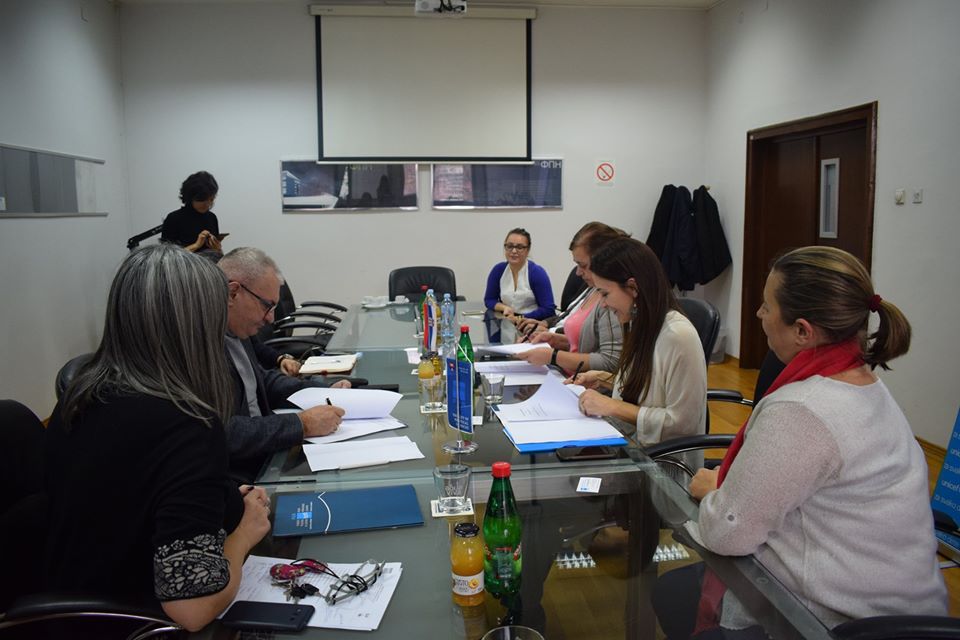
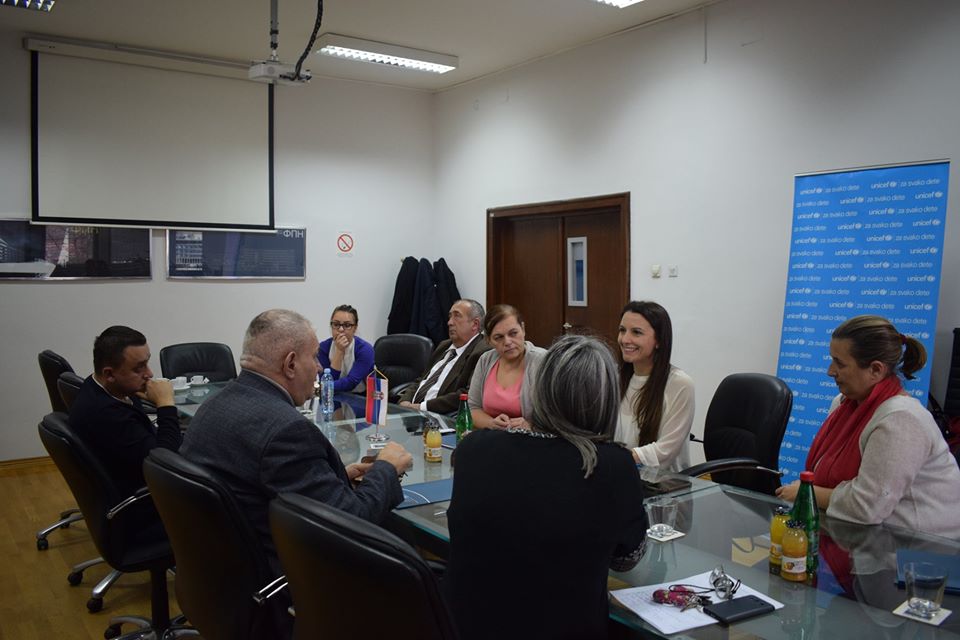
Memorandum of Understanding between the University of Belgrade – Faculty of Political Science, Commissariat for Refugees and Migration of the Republic of Serbia and the UNICEF Serbia was signed at the University of Belgrade – Faculty of Political Science on February 4th, 2020. The Memorandum is the result of joint work on the project carried out by the Center for Research in Social Policy and Social Work at the Faculty’s Department of Social Policy and Social Work.
The project Co-Creation of Knowledge and Building of Expertise for the Protection of Children Affected by Migration and Forced Displacement – Curriculum Development is aimed at further strengthening of the social protection system in Serbia, with particular focus on the protection of migrant children, particularly the unaccompanied ones.
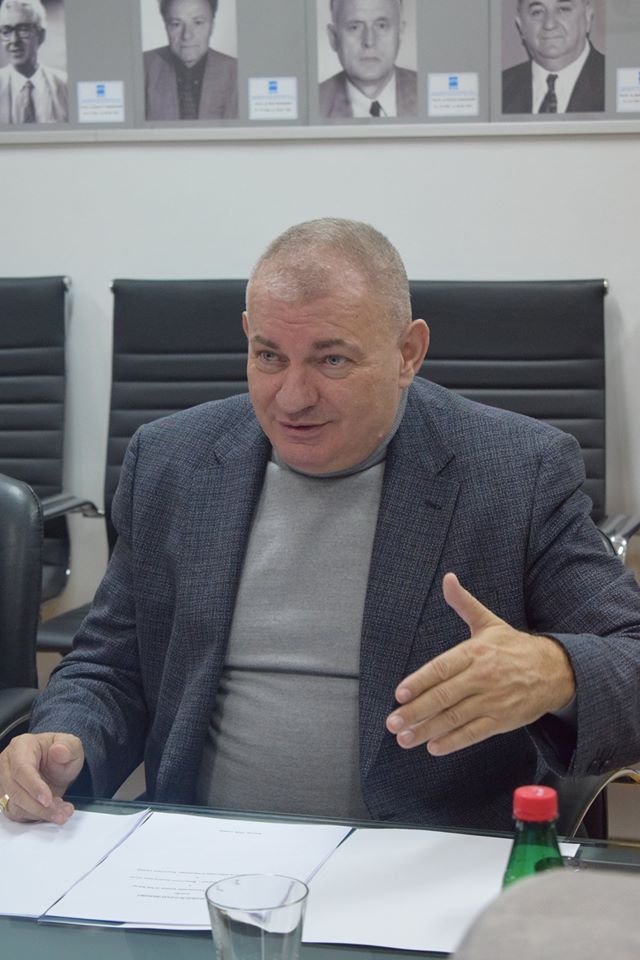
On behalf of the Faculty of Political Science, the Memorandum of Understanding was signed by the Dean, Prof. Dragan R. Simić, who emphasized the importance of this and similar projects, having in mind their aim to protect children and develop expertise of professionals in this field.
On behalf of the Commissariat for Refugees and Migrations of the Republic of Serbia, the Memorandum was signed by Svetlana Velimirović, the Deputy Commissioner, who stressed the importance of cooperation between the academic community and the Commissariat, particularly regarding the plans for opening an education centre in Plandište where academics would transfer knowledge to future professionals, not only from Serbia but from the entire region.
On behalf of the UNICEF, the Memorandum was signed by Ms. Regina de Dominicis, UNICEF Representative in Serbia, who emphasized the importance of cooperation of academic community, institutions offering in-the-field assistance to migrants and international organizations, as an example of good practice that is transferable to other countries.
The Head of the Department of Social Policy and Social Work at the Faculty of Political Science, Prof. Natalija Perišić, thanked to the Commissariat and the UNICEF on ongoing support in carrying out both this and the MIGREC project, emphasizing that signing of this document is a step forward in the already established, successful cooperation.
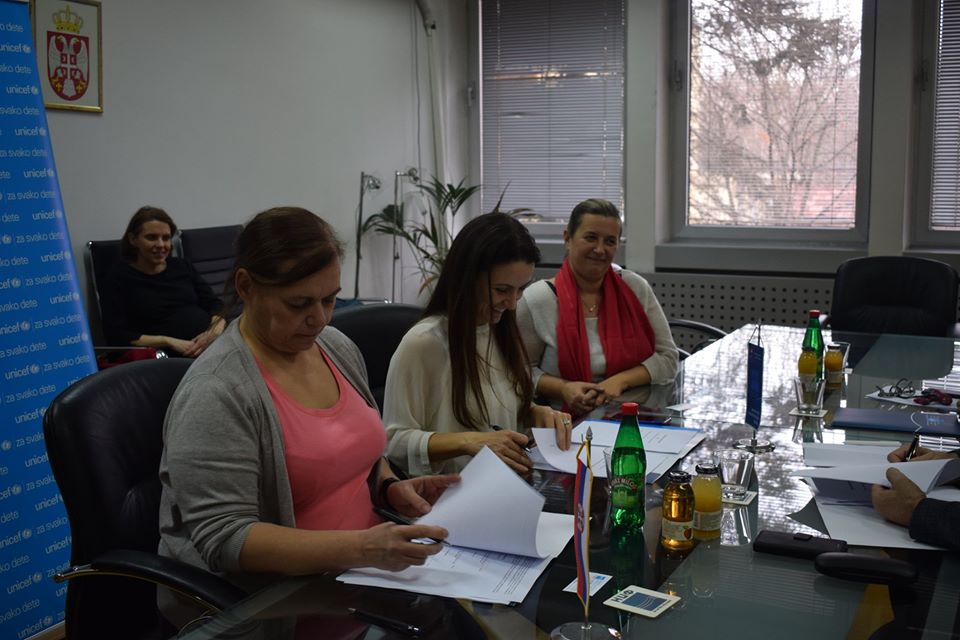
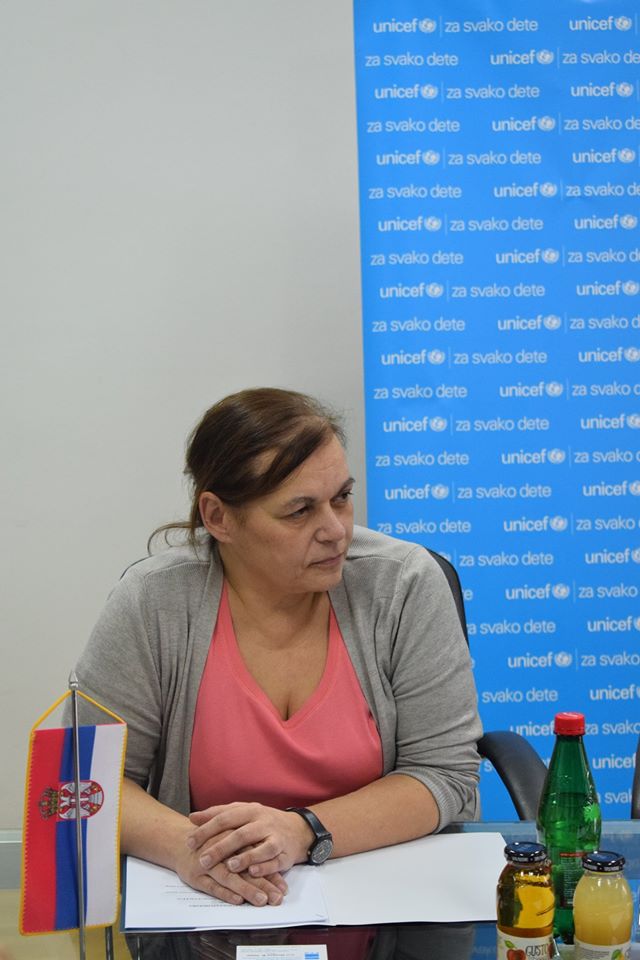
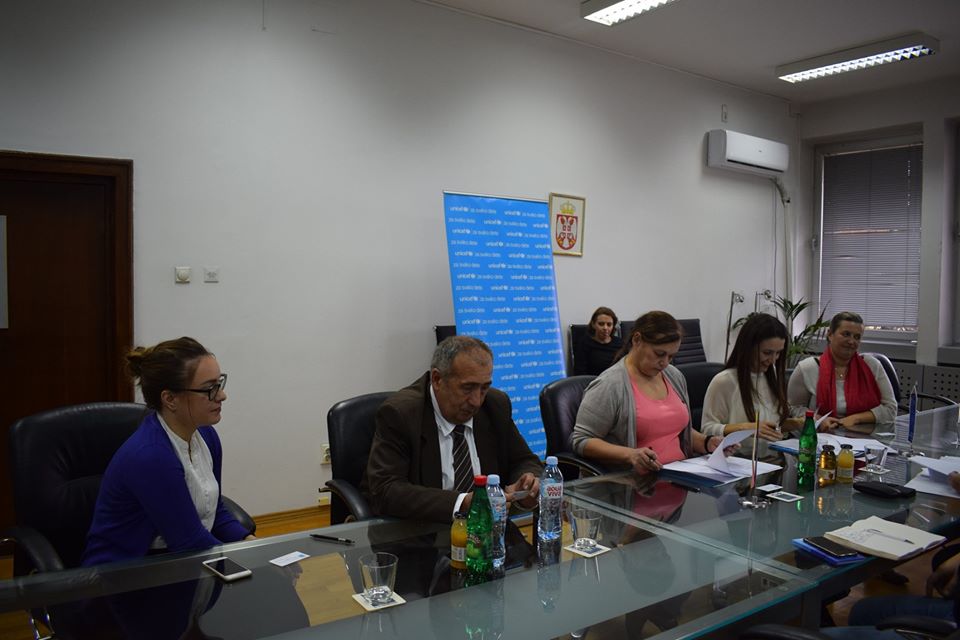
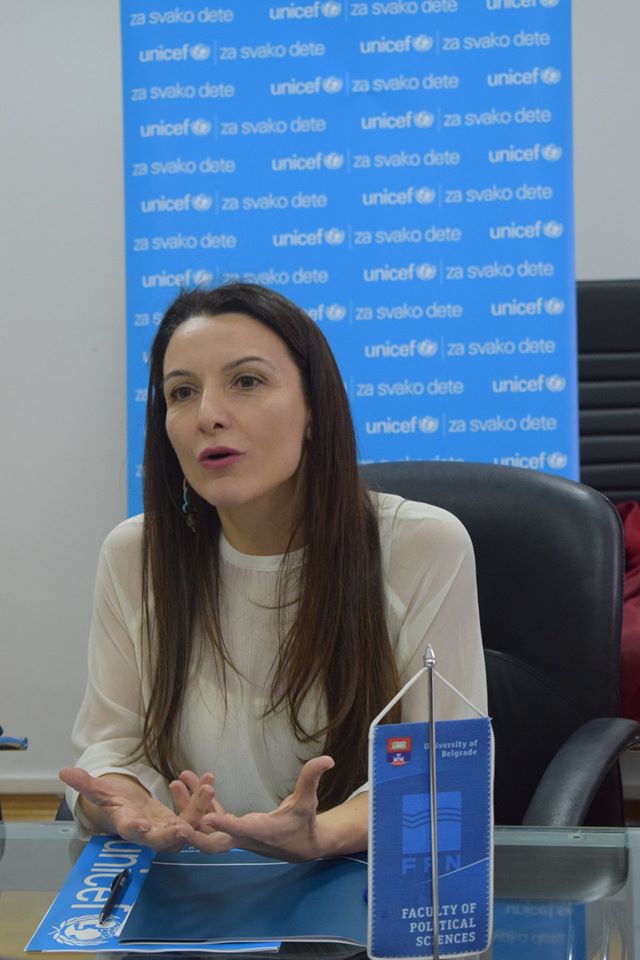
Memorandum of Understanding Signed Read More »
The paper of Professor Danica Santic, a member of the MIGREC team, has been published in the journal Demography. The paper briefly outlines the project Migration, Integration and Governance Research Center.
About MIGREC in the journal Demography Read More »
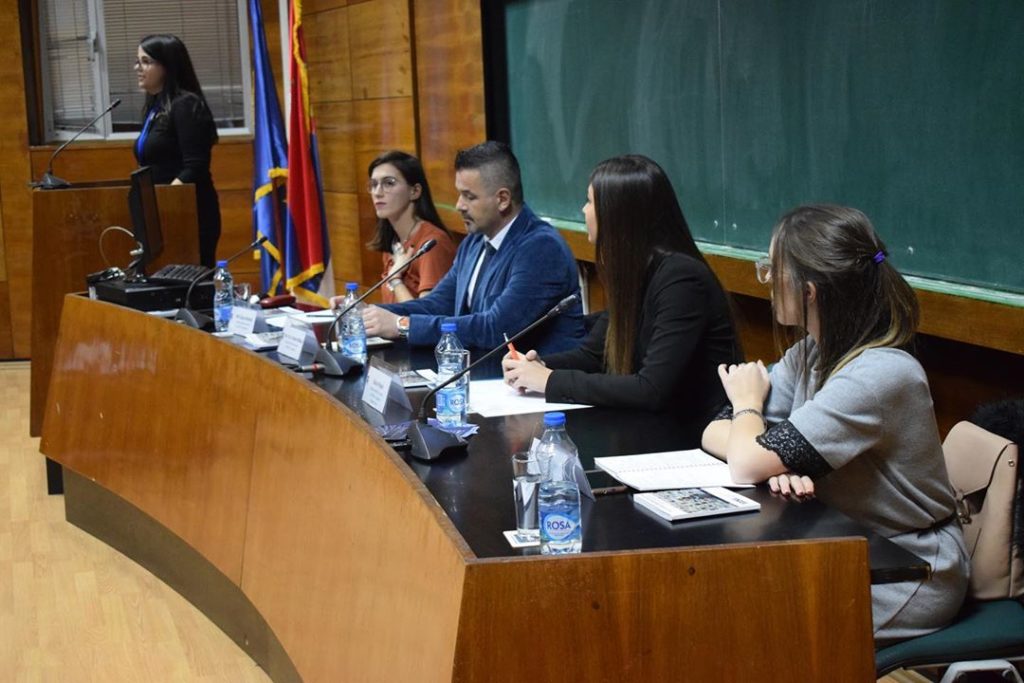
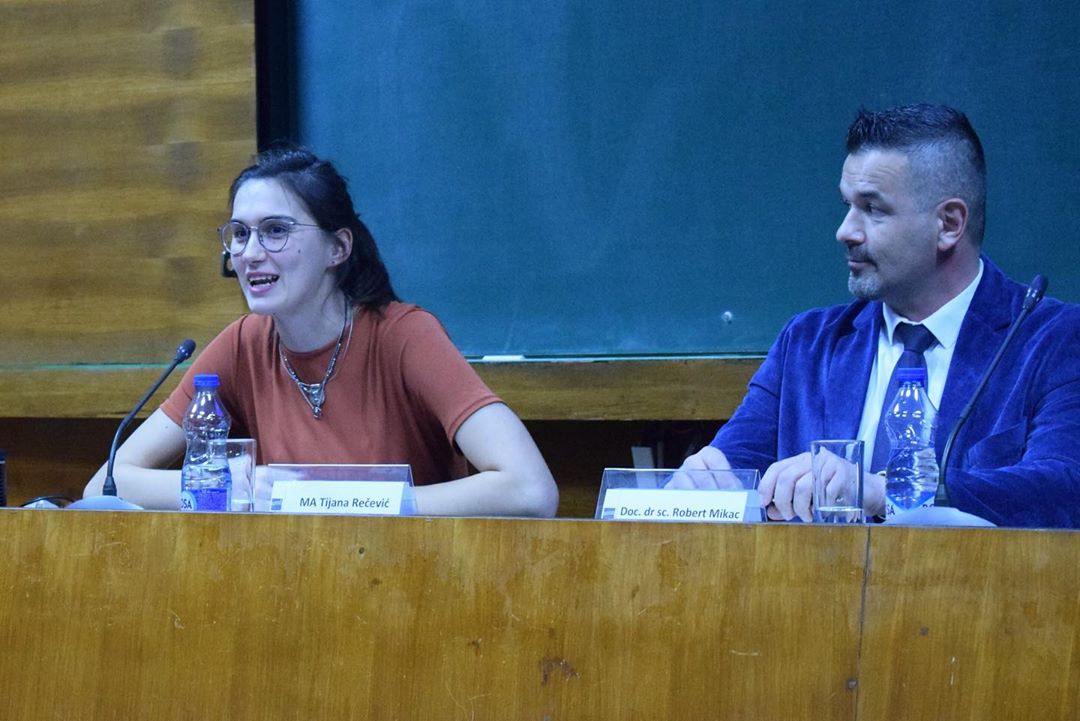
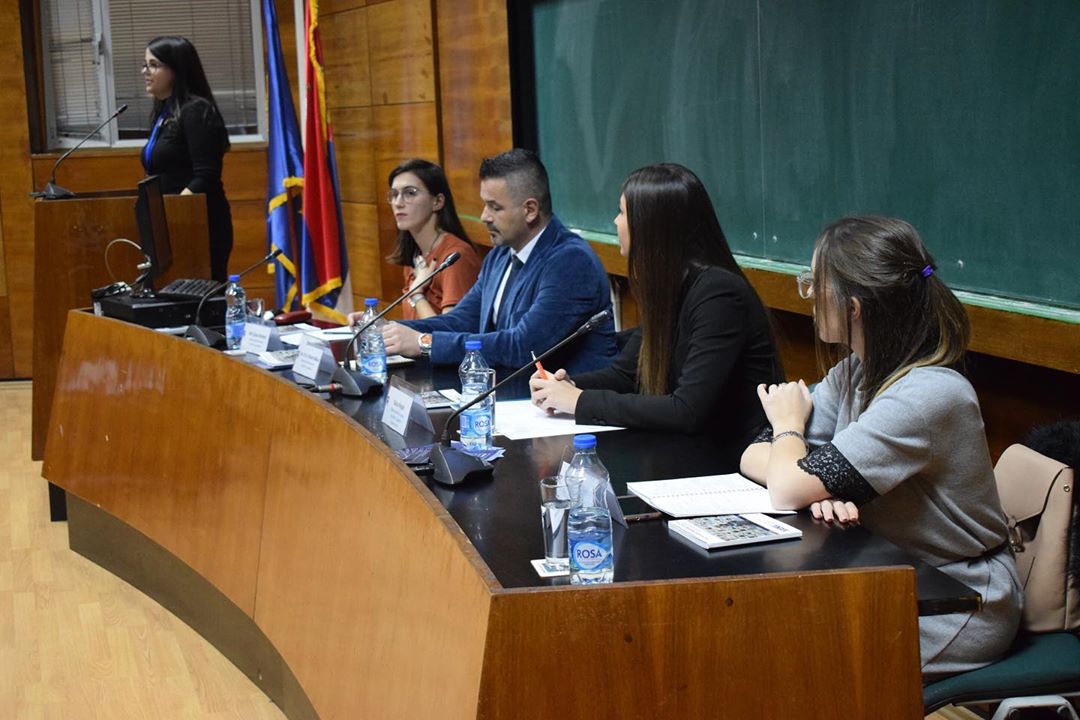
Tijana Rečević, Junior Researcher and PhD Candidate at the Faculty of Political Science, University of Belgrade, participated at the panel discussion titled “Migration – A Challenge or a Threat to Security of Croatia and Serbia?”. The discussion was organized under the project “PEROM Srbije i Hrvatske”, implemented by the students of the Faculty of Political Science, University of Belgrade and Faculty of Political Science, University of Zagreb. Focusing on the role of the transit countries, Tijana talked about security challenges which the recent migratory movements have posed in front of the countries on the Balkans route, about the cooperation of these countries in responding to constantly changing developments in the field, as well as about the potential opportunities for more comprehensive and effective migration, security and development policies in the region.
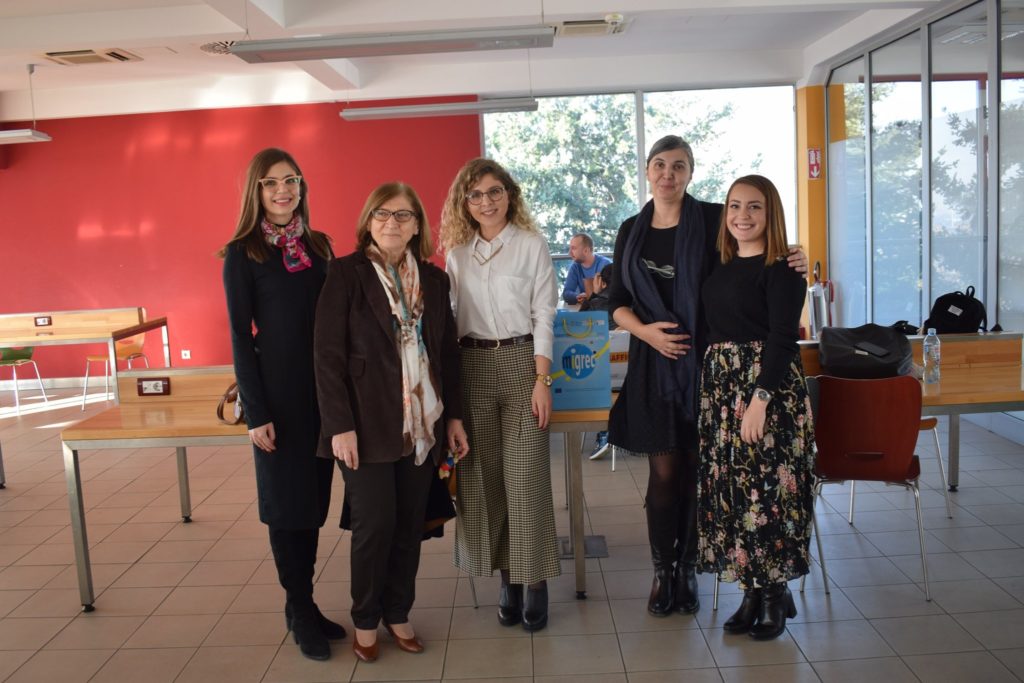
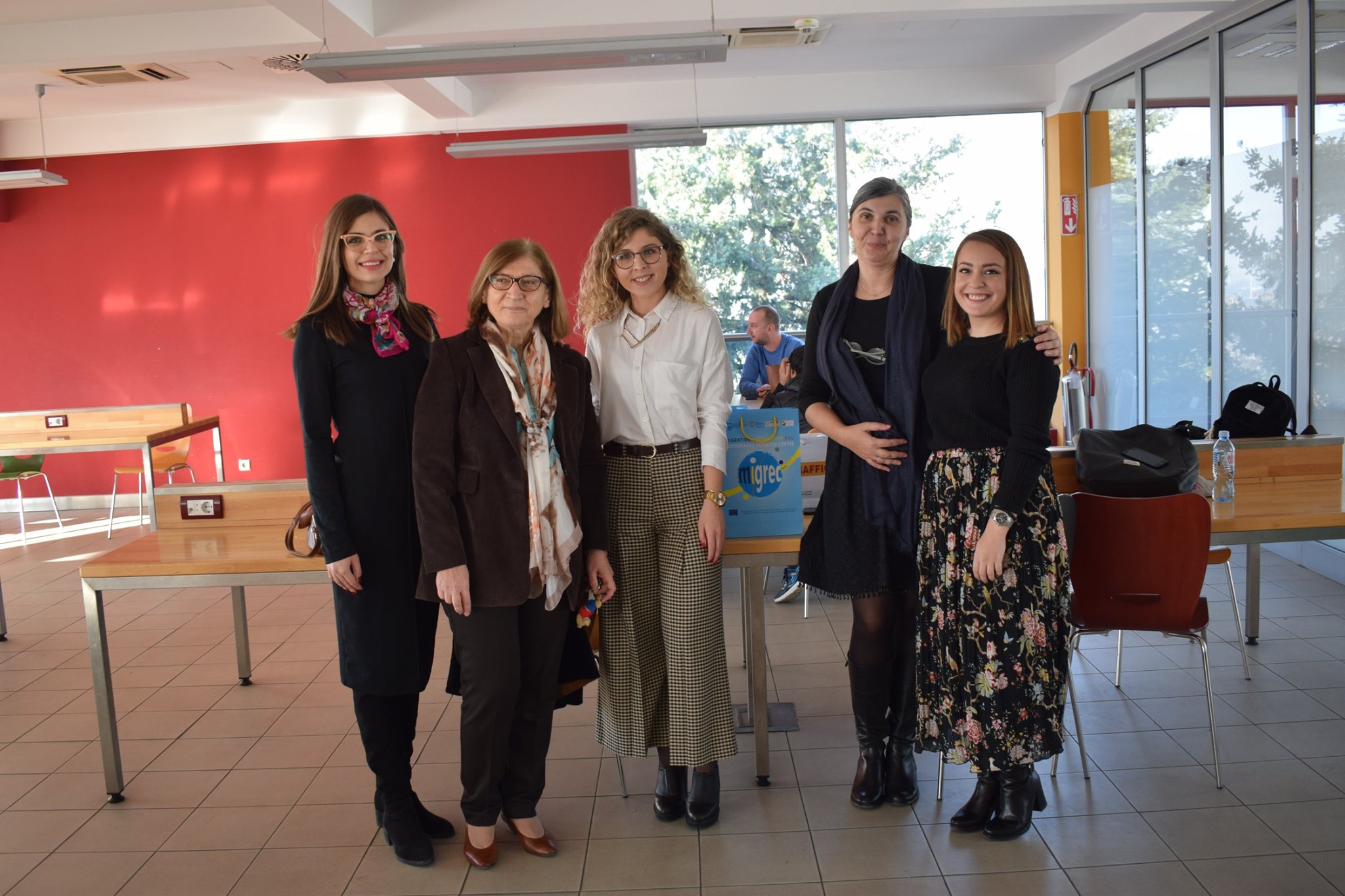
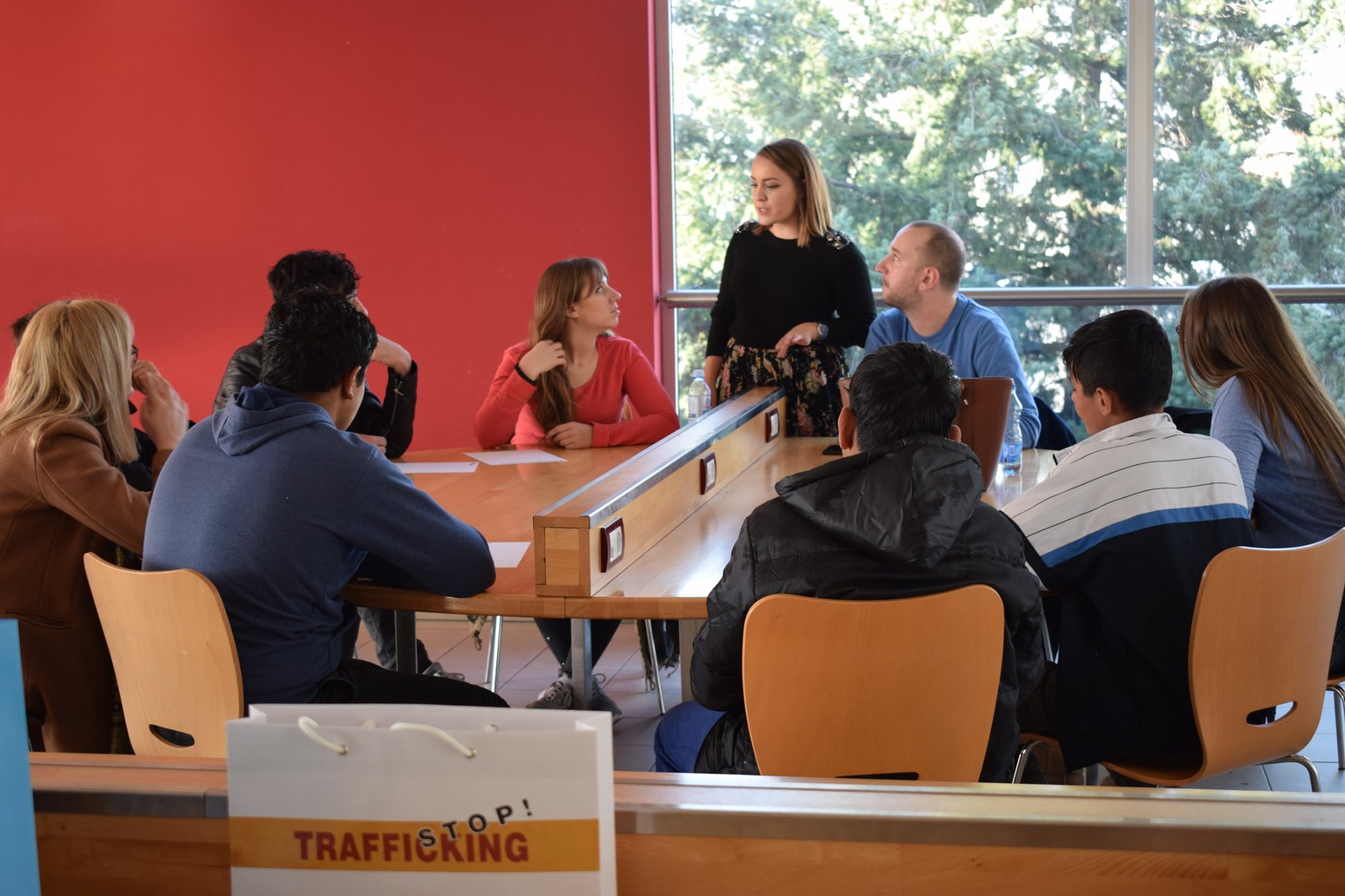
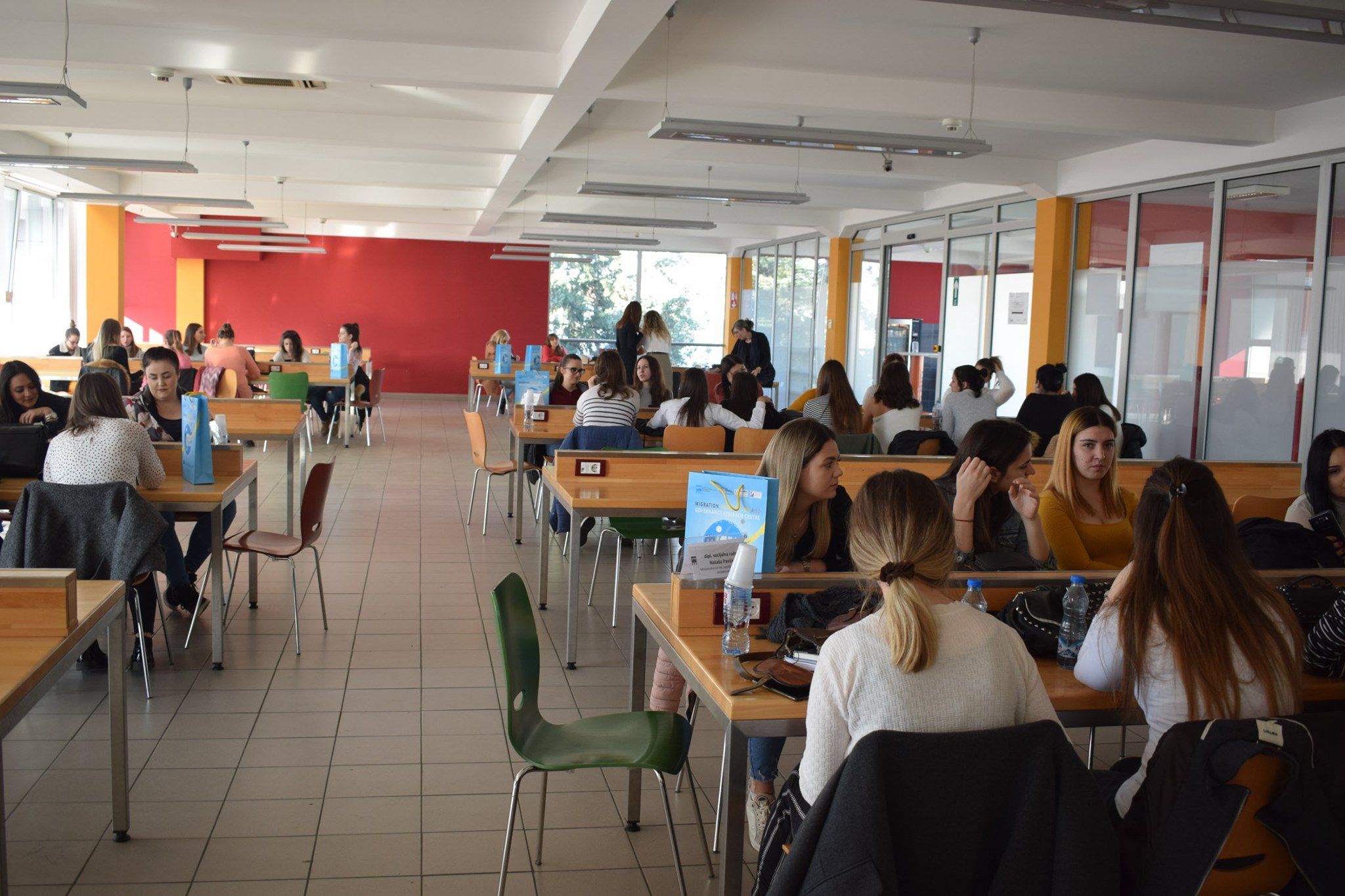
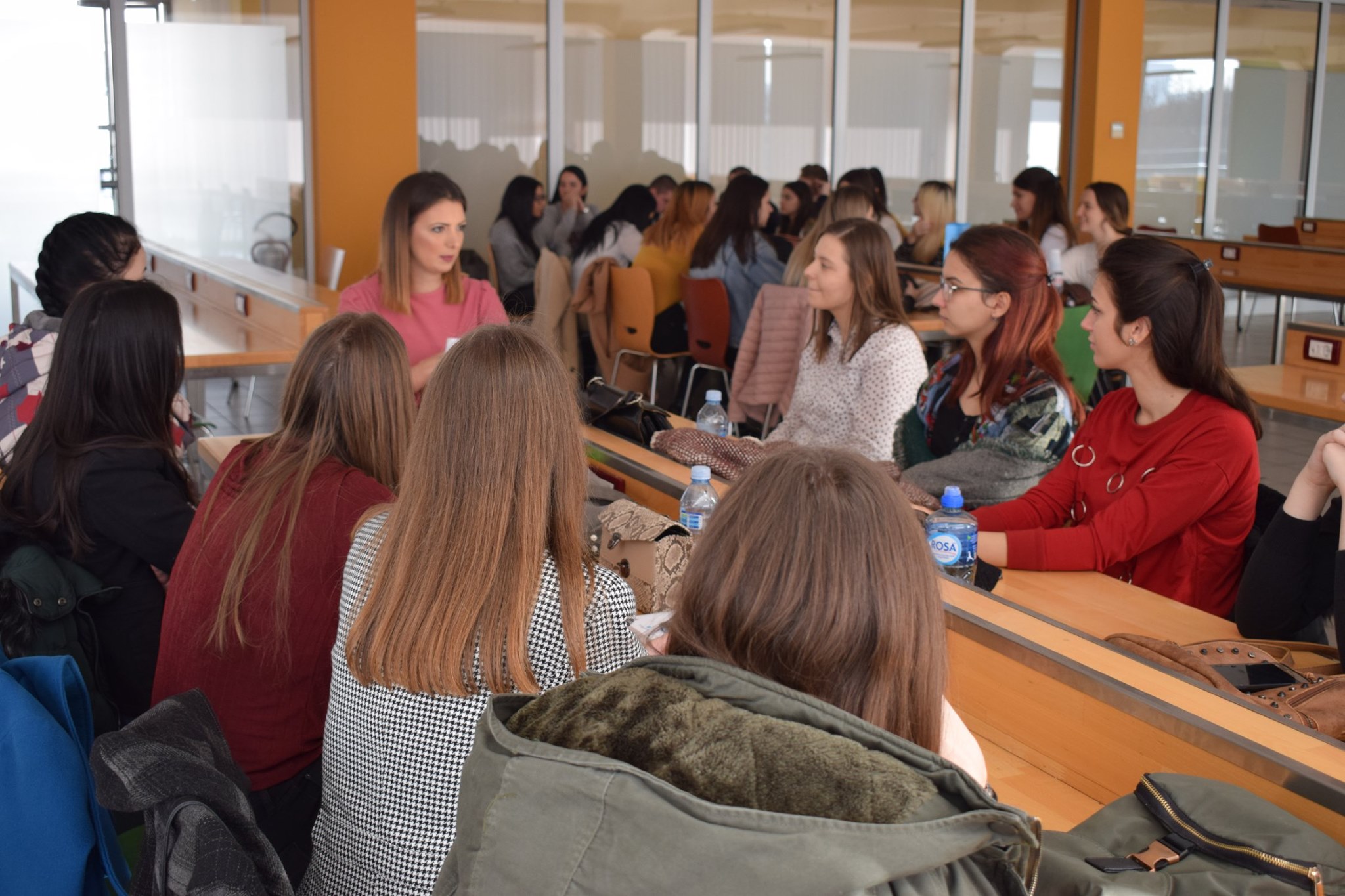
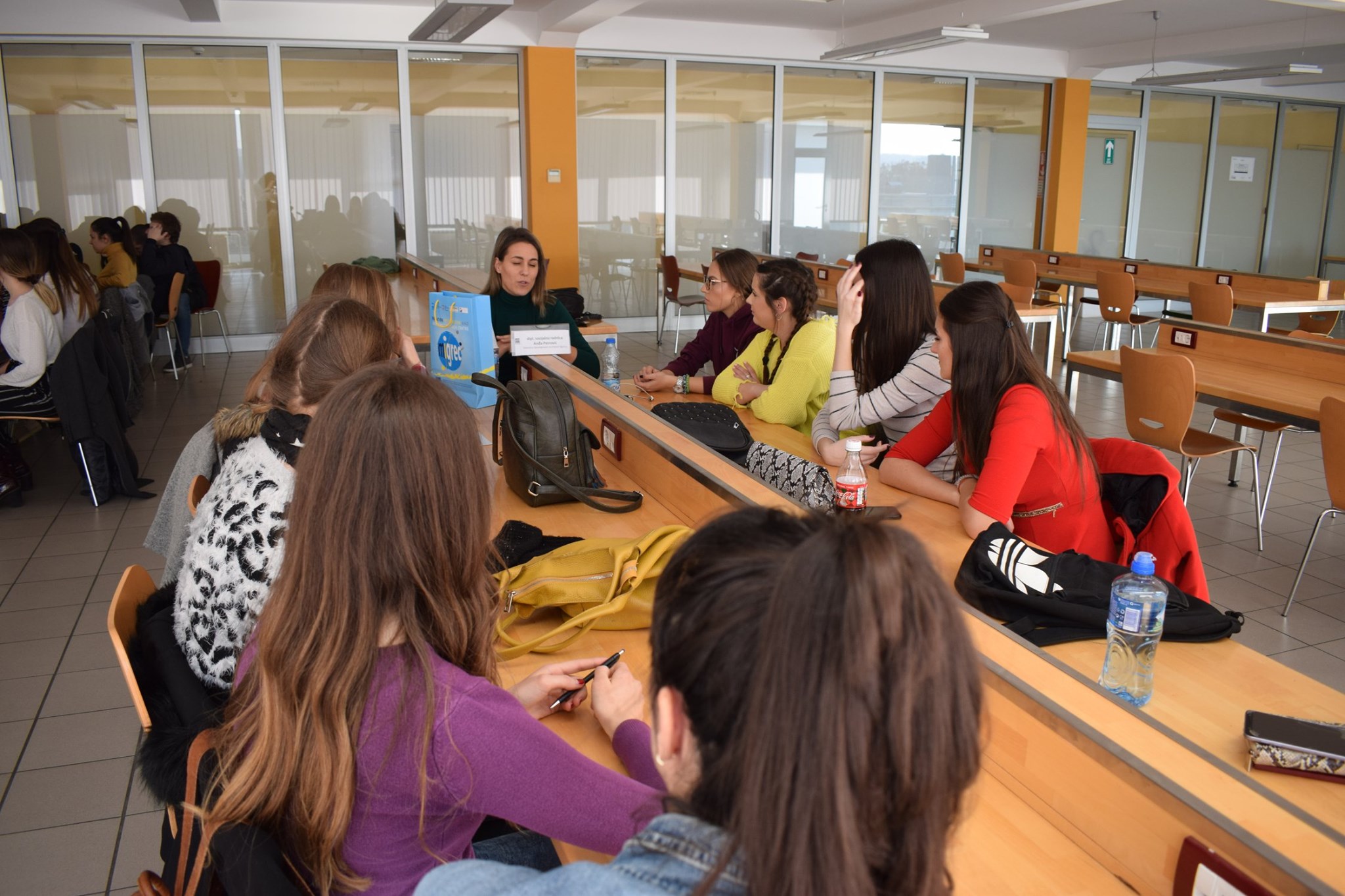
On December 17th, the Department of Social Policy and Social Work organized a Chat caffee: Migrants in Serbia… on the occasion of the International Migrant Day.
The event was focused on the migration of population from the MENA region which has been affecting Serbia since 2008. More than a million people have traveled through Serbia only since 2015, most wishing to reach one of the European Union countries. Governmental and non-governmental organizations in Serbia work day-to-day to support migrants.
Students of the third year of social policy and social work discussed the current challenges in the provision of support to migrants with graduate social workers from the Ministry of Labour, Employment, Veteran and Social Policy of the Republic of Serbia, Home for children without parental care “Jovan Jovanovic Zmaj” as well as two NGOs: JRS and ADRA.
Dear guests of the Faculty of Political Science were also migrant children, hanging out with students and having fun at board games.

The International Migrant Day Read More »
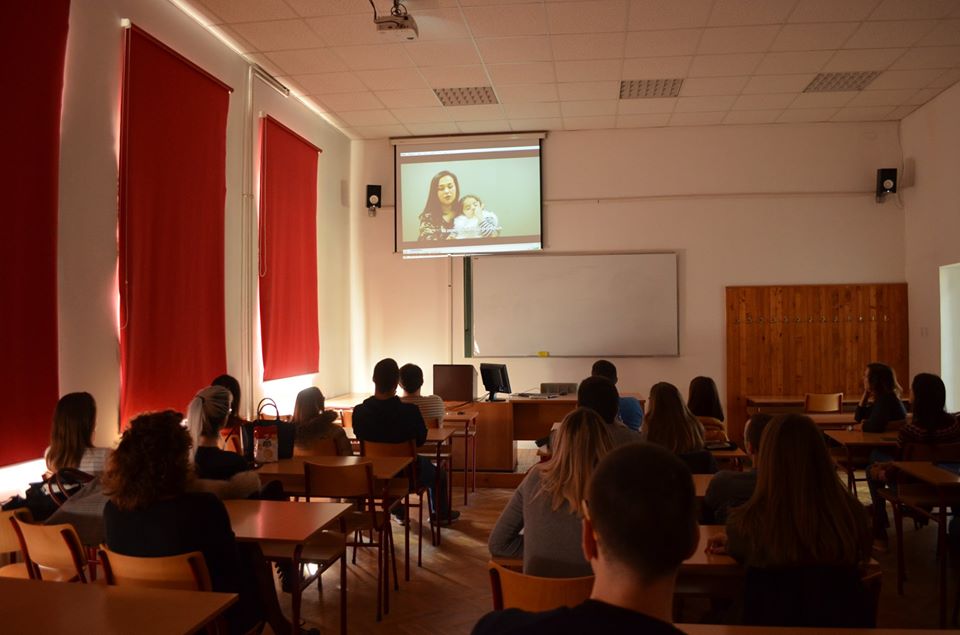
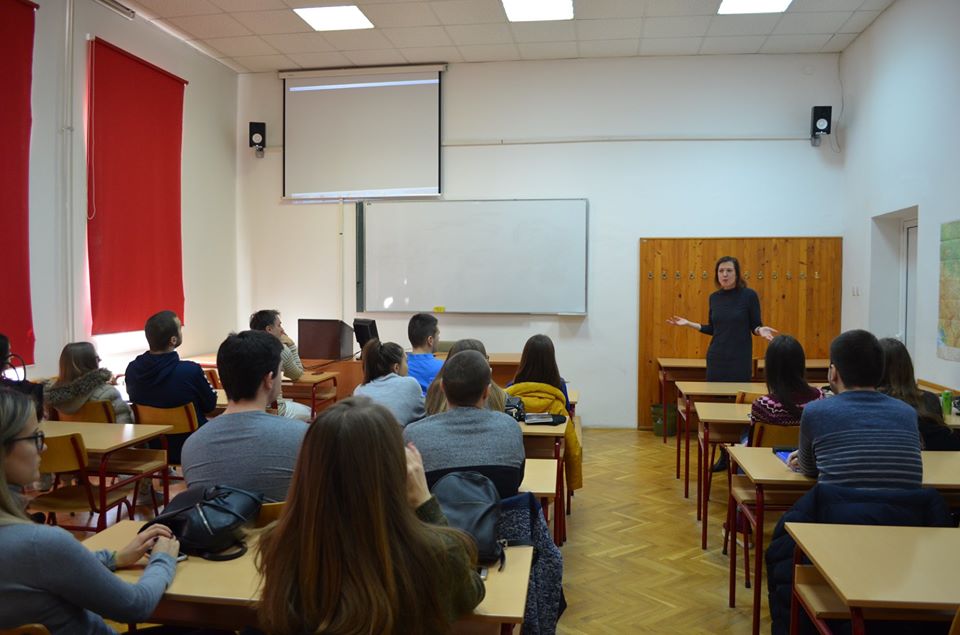
University of Belgrade – Faculty of Geography and Population Science Students Association – USPON marked International Migrant Day with the screening of the documentary on migration “Close (d)” by Brigitte Kuhar. The projection was attended by students of the second, third and fourth years of basic studies in the field of Demography, as well as students of master and doctoral studies. After watching the film, students had the opportunity to ask questions and talk with the author of the film.
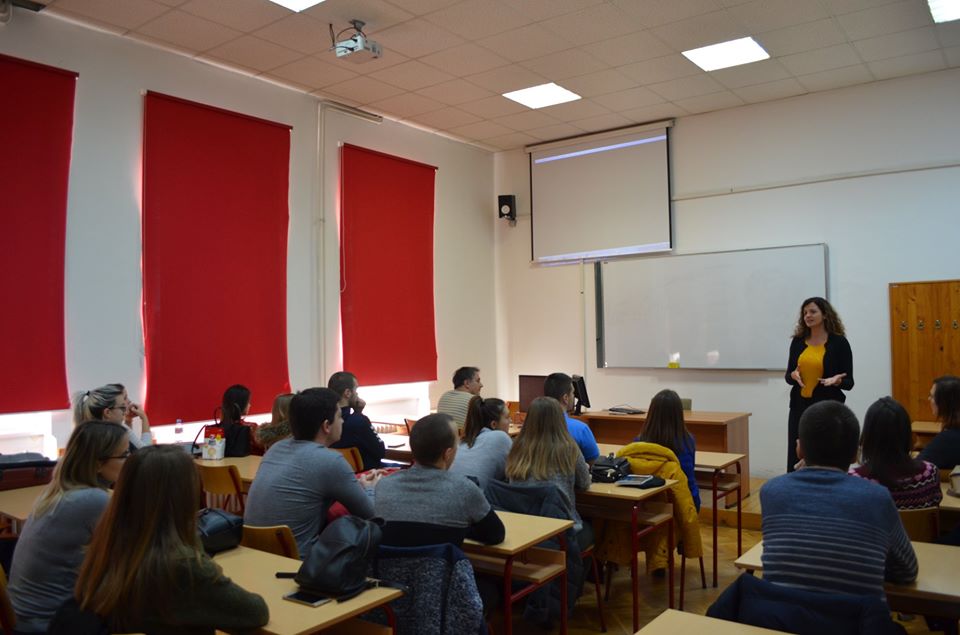
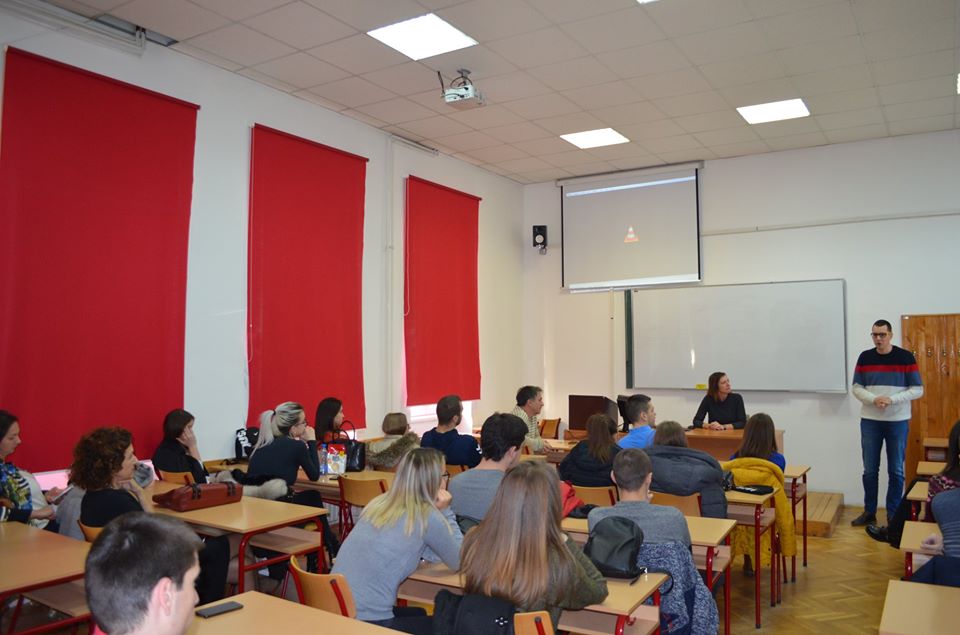
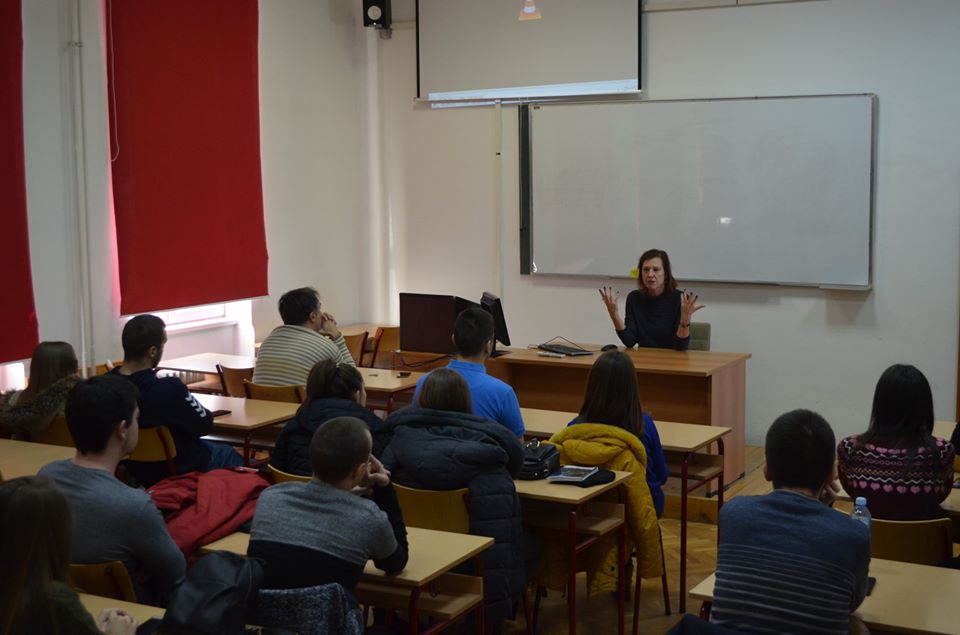
“Close (d)” by Brigitte Kuhar Read More »
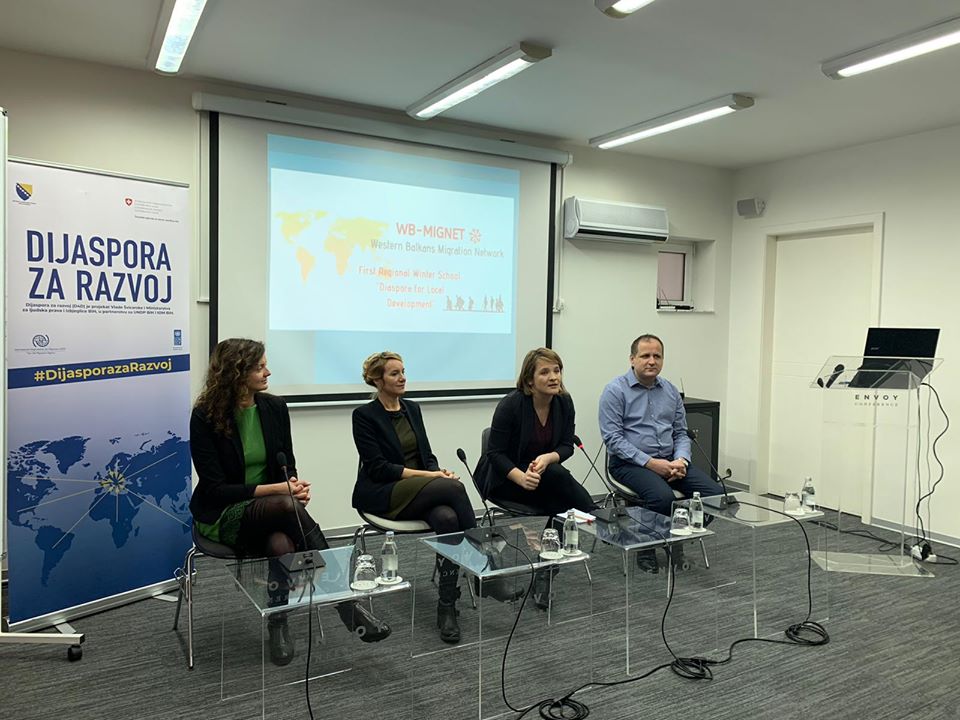
Professor Danica Santic, a member of the MIGREC team, participated in the first regional winter school held in Belgrade from 9-11. December 2019. The main topic was “Diaspora for Local Development”.
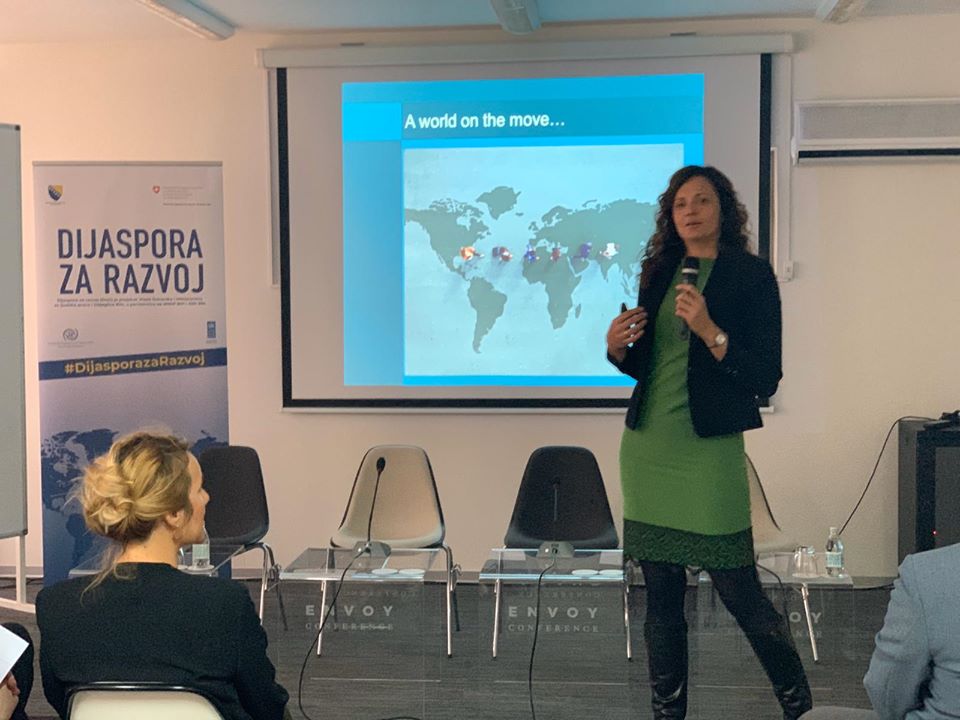
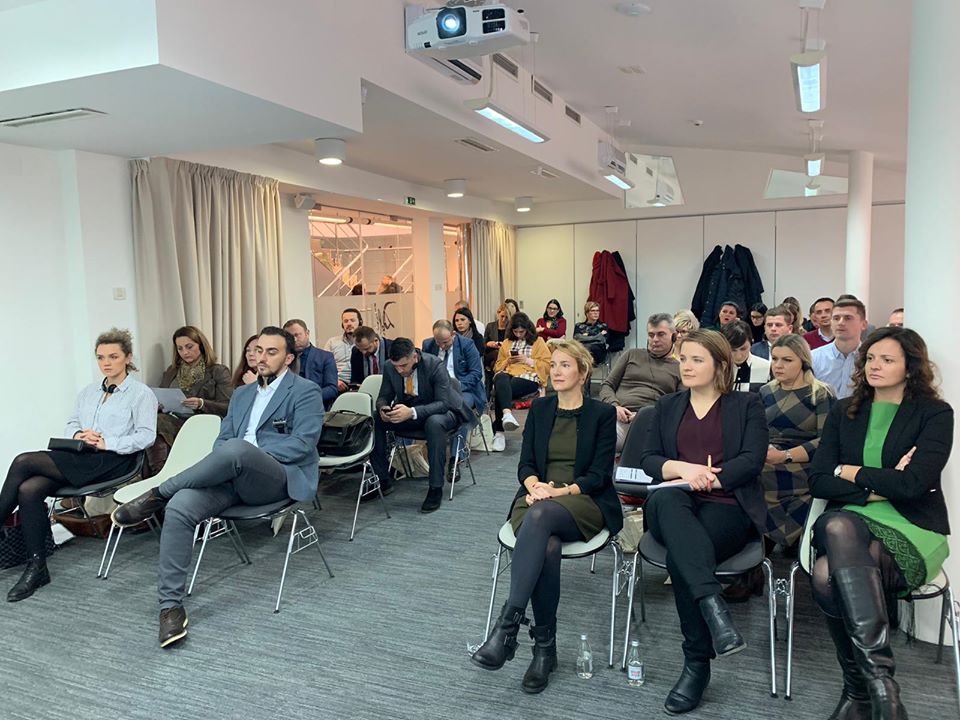
Diaspora for Local Development Read More »
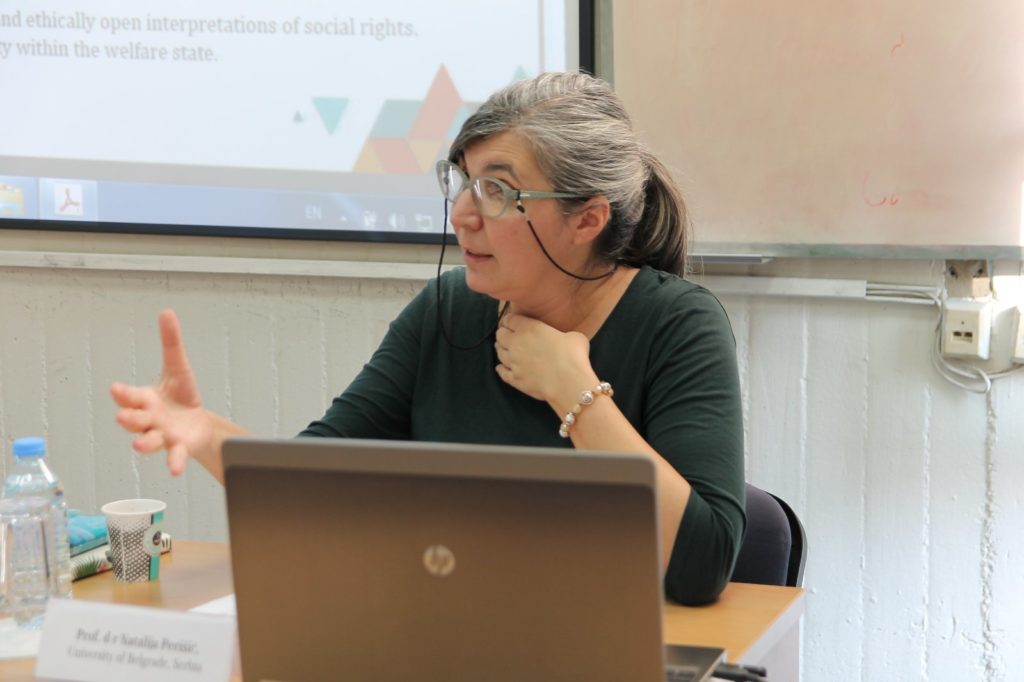
Professor Natalija Perišić, a member of MIGREC, had a presentation on providing social services to migrants in transit through Serbia at the Institute of Social Policy and Social Work of the Faculty of Philosophy in Skopje, North Macedonia, on November 27th 2019.
The presentation was a part of the First Regional Week of CESPASWON held from November 25th to 29th, 2019 in Skopje, North Macedonia, financed under CEEPUS Programme. CESPASWON – the Central European Social Policy and Social Work Network, is a network of academics and researchers in the field of social policy and social work. The main idea behind CESPASWON is to build upon previously existing cooperation practices in the region (i.e. among ex-Yugoslav Republics) and extend the links with new partners (i.e. Austria, Czech Republic) in order to establish academic alliances among universities that will nurture, promote and advance the regional social work and social policy research and teaching.
Prof. Perišić’s presentation focused on the migration situation in Serbia and the provision of welfare to irregular migrants. The theoretical framework of the presentation started from the concept of social rights and its consequences to limited welfare of irregular migrants in general. The central part of the presentation was the analysis of social services provided by the public and the civil sector stakeholders. The services under scrutiny were those aimed at the provision of basic support – accommodation, food and clothing, cash benefits, but also psychological support, legal advice and advocacy, child protection, educational support and capacity building. In the conclusion, the main challenges the sectors are facing were identified, along with obstacles to their improvement. Some of the challenges are at the macro level and are attributed to the overall decline of the national welfare state. Those relating mainly to the lack of cooperation mechanisms between the public and the civil sector are meso-level challenges. Finally, micro-level challenges refer to the capacities of the sectors per se.
Provision of Social Services to Migrants in Transit through Serbia Read More »
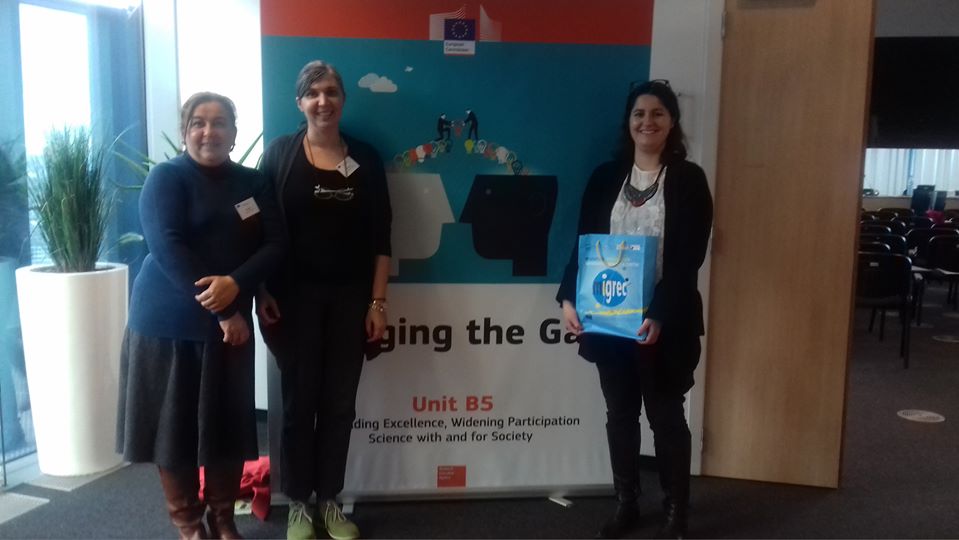
The Coordinator’s Day for H2020 Twinning Projects was organized in the Research Executive Agency of the European Commission in Brussels, Belgium, on November 14th 2019.
The event provided an opportunity for Coordinators of H2020 Projects to obtain information of relevance for the project management in general as well as to meet their Project Officers.
The presentations covered the topics of implementation and reporting given by Patricio ORTIZ DE LA TORRE, legal issues by Teodora PETKOVA, ethics issues by Katherine QUEZADA, H2020 Financial issues by Olivier BOBILLE as well as project communication and dissemination.
In the 2018 Twinning call, the EU provided budget to the amount of 30 MEUR. Out of 456 project proposals, 37 were granted funding, making the success rate of 8%. The number of project proposals in the field of humanities was 76. Out of the number, 5 were granted funding, making the success rate of 6.5%. Project lifetime is 36 months.
Coordinators’ Day for H2020 Projects – Spreading Excellence and Widening Participation Read More »