Events

Study visits in the context of MIGREC Project

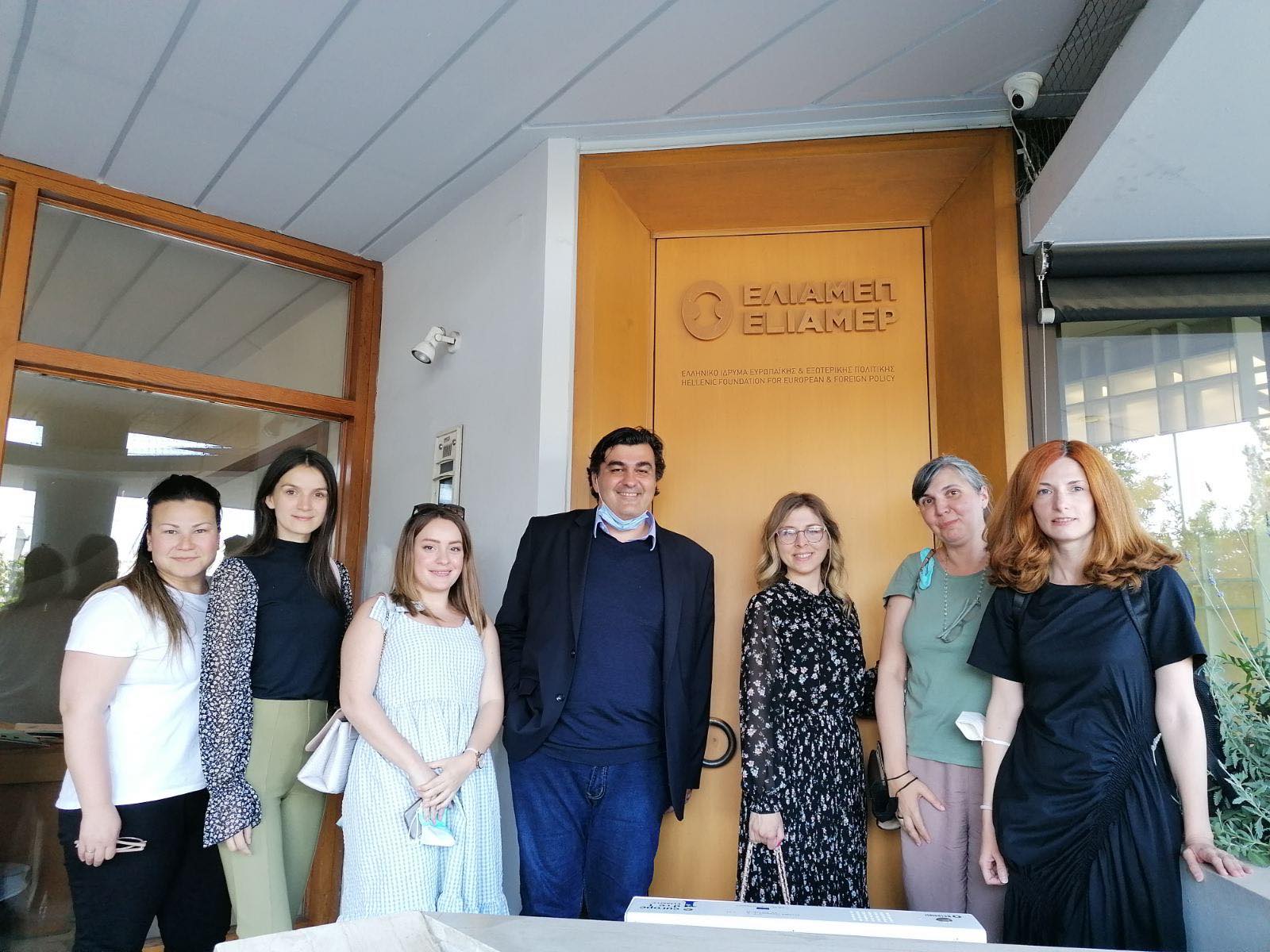
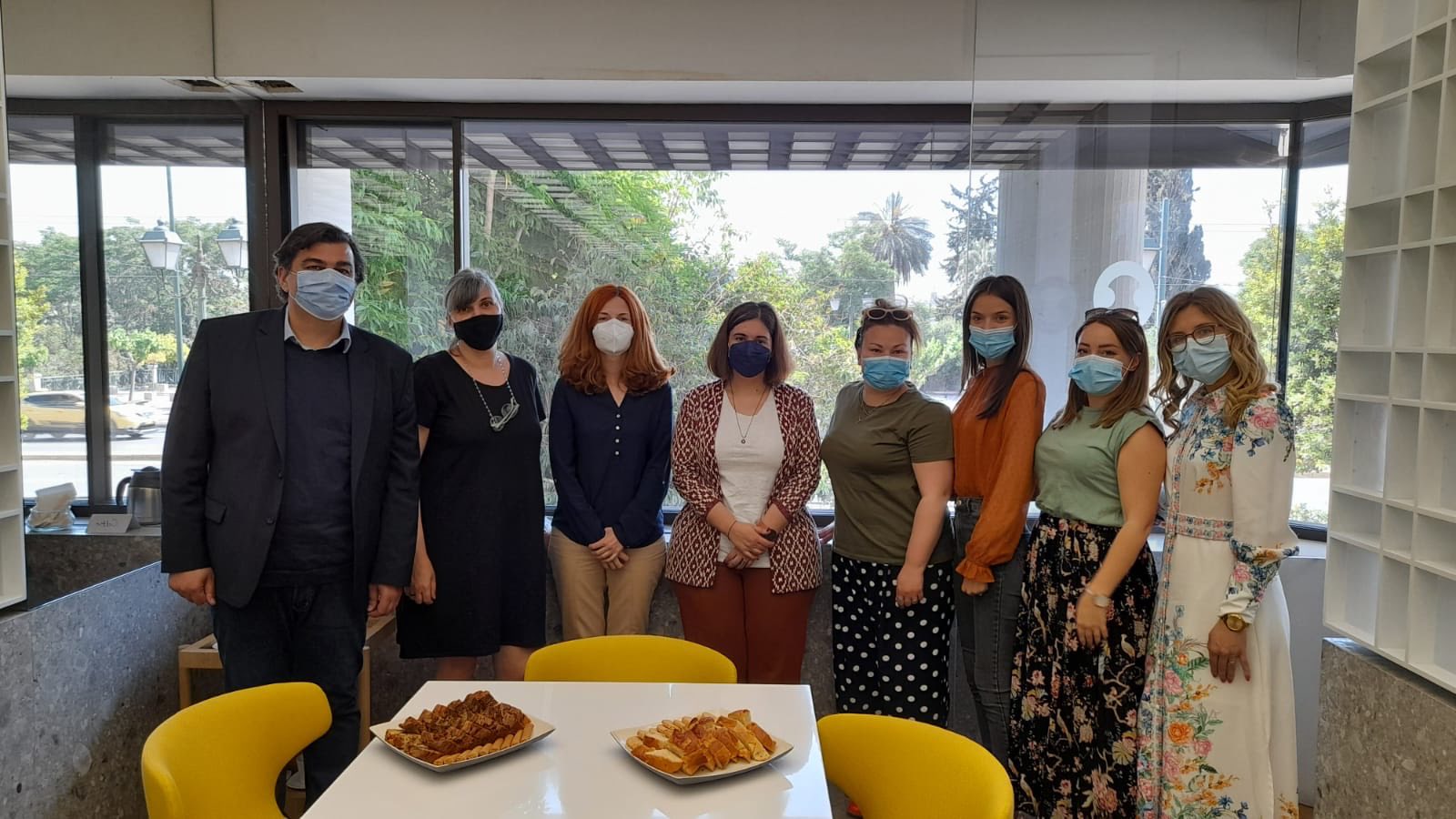
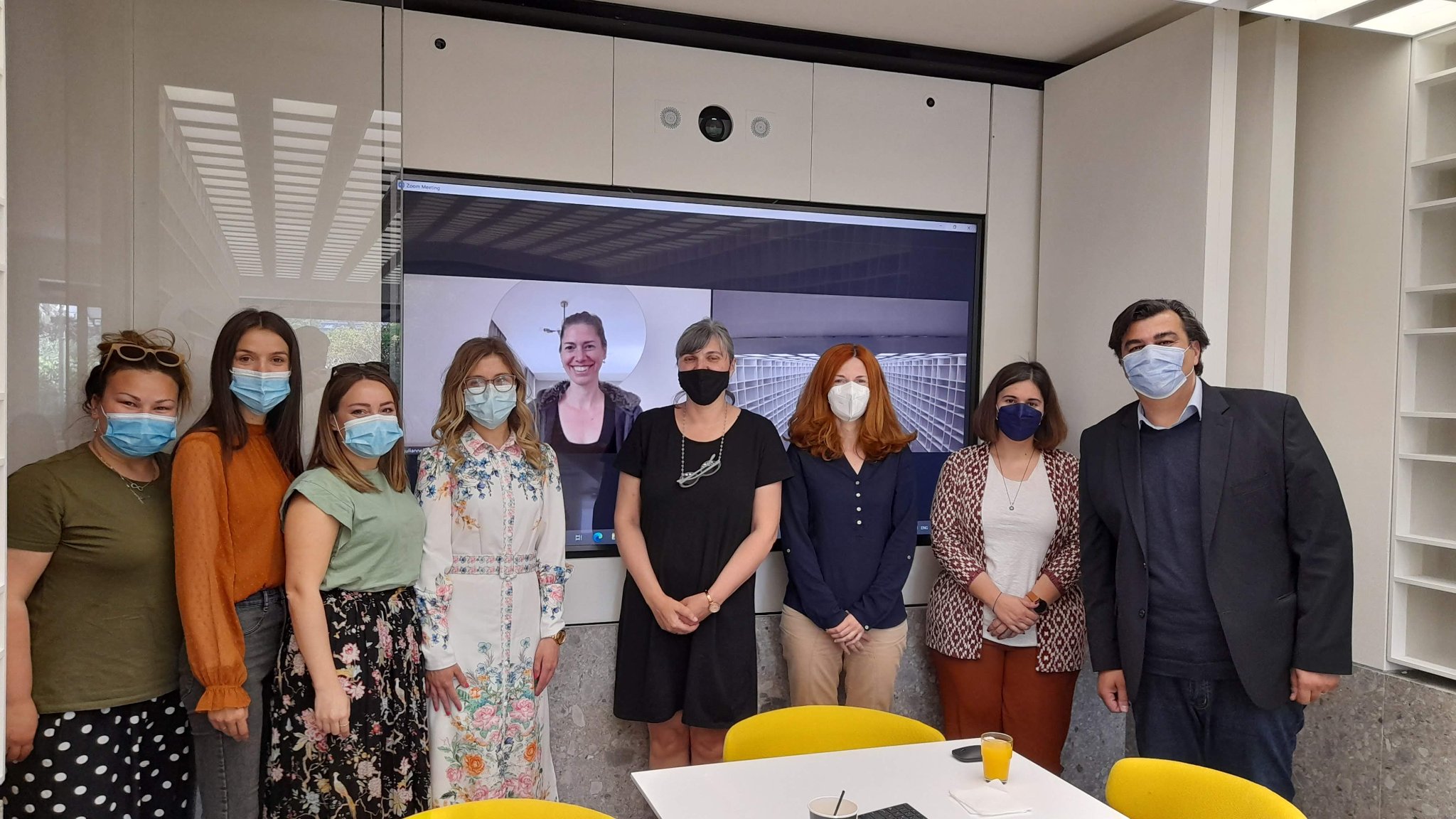
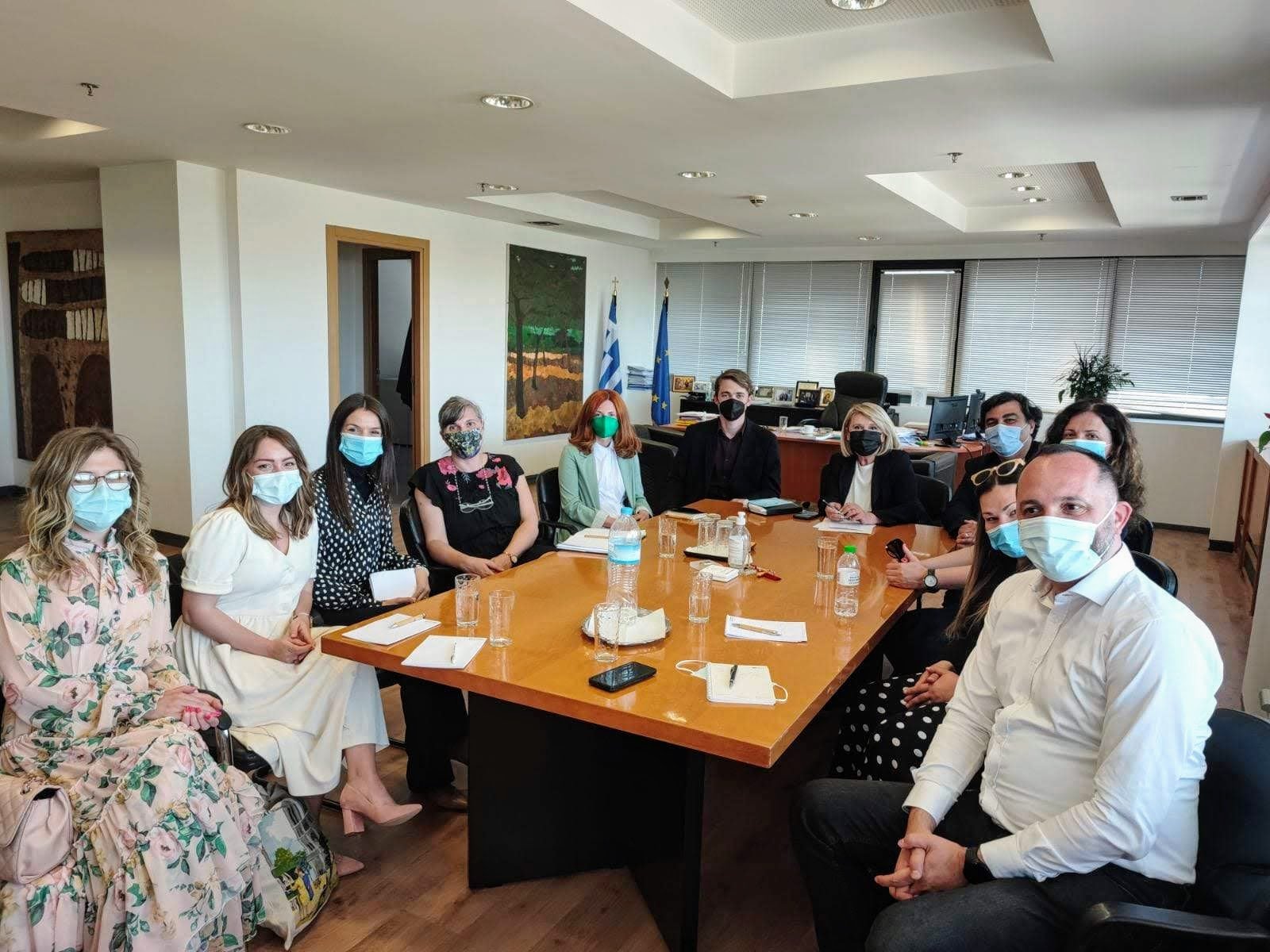
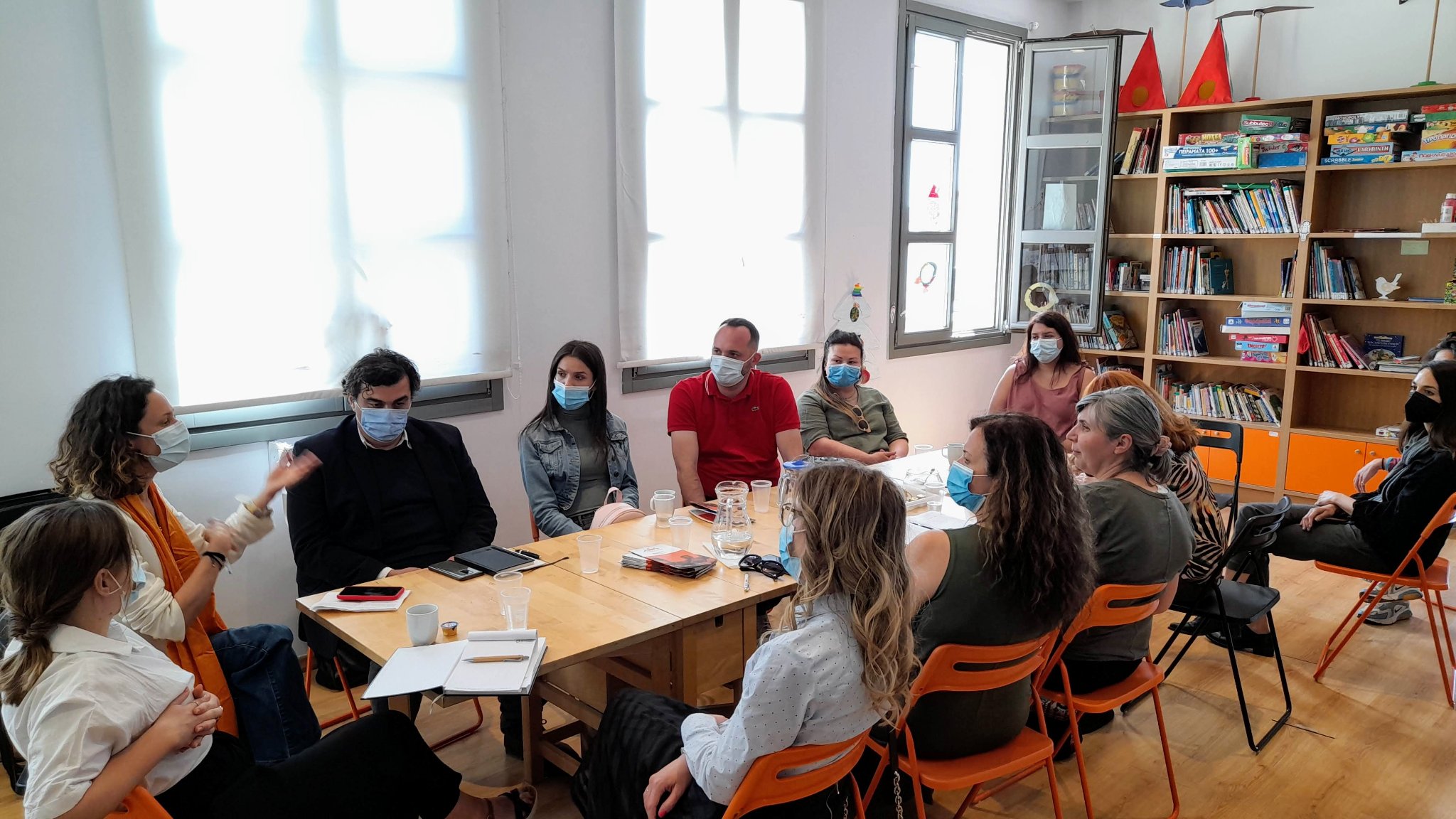
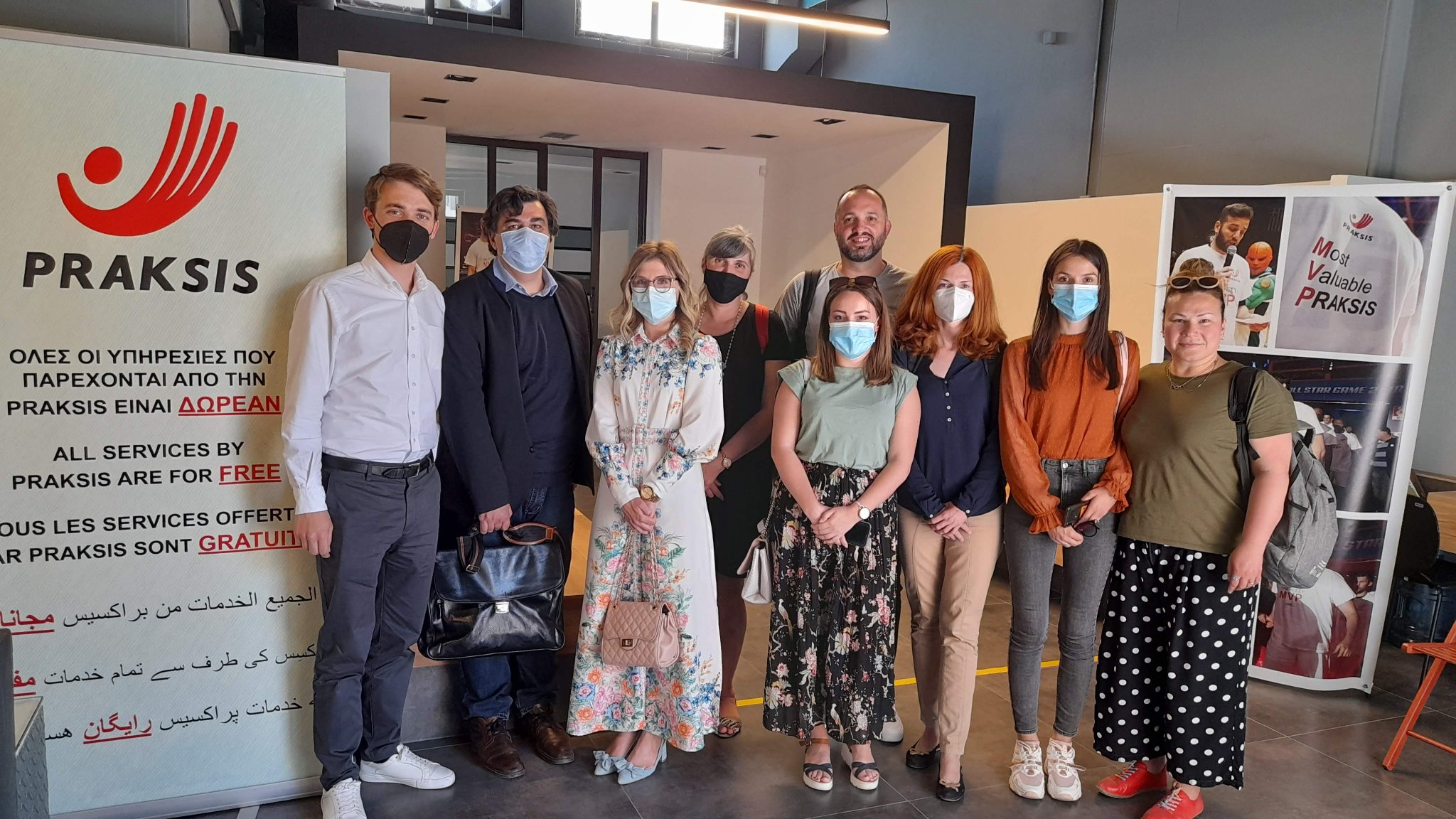
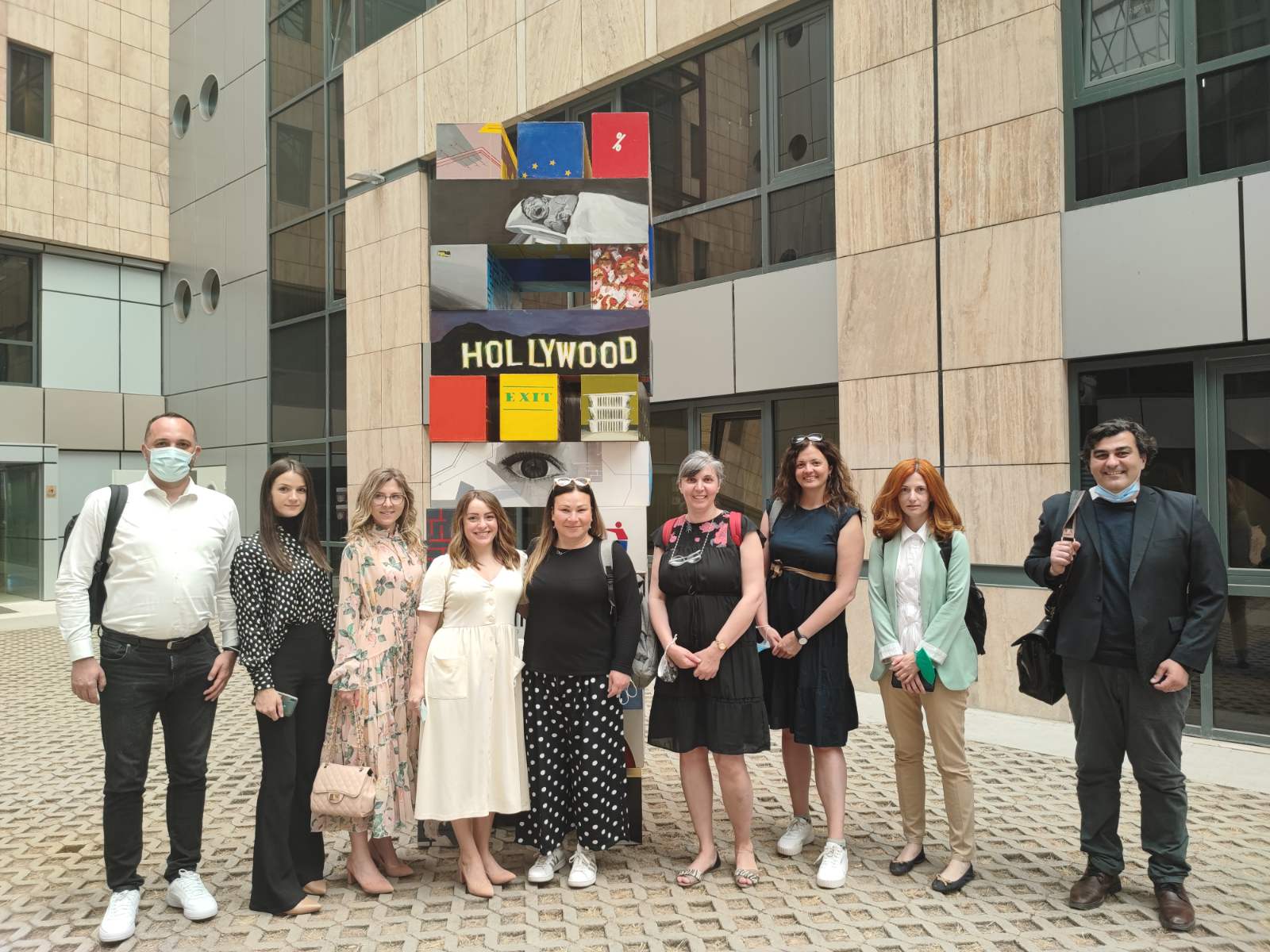
A targeted study visit coordinated by Hellenic Foundation for European and Foreign Policy (ELIAMEP) and University of Belgrade – Faculty of Political Science (FPN) took place in Athens. In total, 7 academics, doctoral students and one representative of the Commissariat for Refugees and Migration of the Republic of Serbia visited Athens in the context of H2020 MIGREC Project.

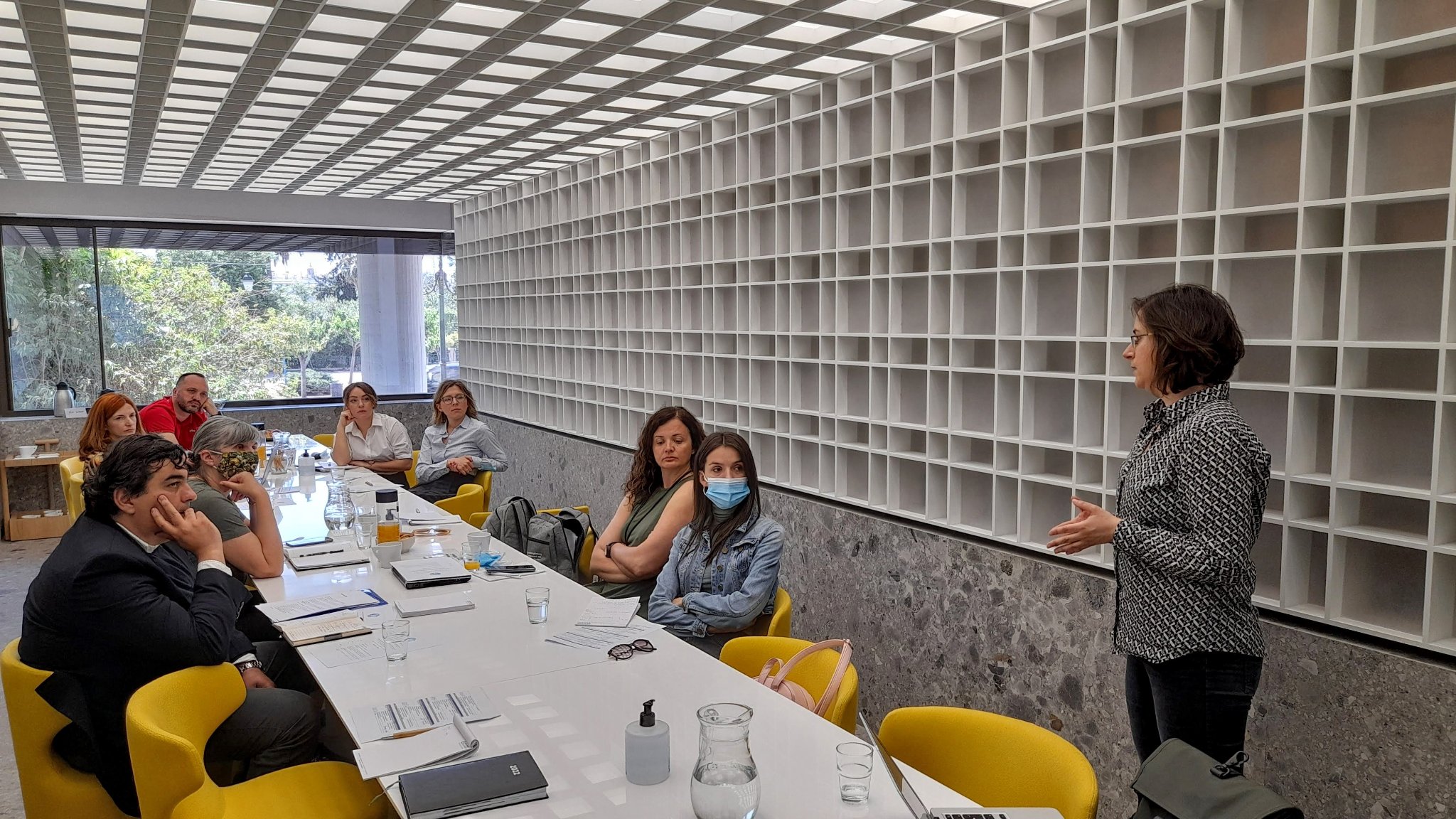
The South-East Europe Programme of ELIAMEP led by Panagiotis Paschalidis, Adjunct Lecturer at the University of Western Macedonia and Research Fellow at ELIAMEP and Alexandros Koutras, Project Manager of the Programme, organized and hosted a series of indoor sessions at ELIAMEP offices in Athens as well as meetings with migration related stakeholders. The schedule included seminars, presentations and open discussions related to migration with scholars, experts as well as government officials.

The study visits of staff and PhD students focused on enhancing a better understanding of the migration issues and strategies of Greece and the current geopolitical challenges. The participants had the opportunity to learn more about migration issues in Greece by following the agenda:

  • Visit to the Ministry of Migration and Asylum (Deputy Minister of Migration, Asylum in charge of integration)
  • Visit to the NGO Solidarity Now (Marina Kanta – Legal Team Leader)
  • Visit to PRAKSIS NGO (Athens Community Center)
  • Seminar on series on social sciences research and methodology (Salomi Boukala – Assistant Professor, Department of Social Anthropology, Panteion University of Athens)
  • Seminar on turning academic paper to policy papers (Angeliki Dimitriadi – Senior Research Fellow and former Head of the Migration programme at ELIAMEP 2017-2021)
  • Presentation on the Asylum and Citizenship issues in Greece (Lampros Baltsiotis – Department of Political Science and History, Panteion University of Athens)


The list of staff and PhD students:

Natalija Perišić – Full Professor, University of Belgrade – Faculty of Political Science

Biljana Djordjević – Assistant Professor, University of Belgrade – Faculty of Political Science

Dejan Pavlović – Assistant Professor, University of Belgrade – Faculty of Political Science

Danica Santić – Associate Professor, University of Belgrade – Faculty of Geography

Violeta Marković – teaching assistant and a PhD, University of Belgrade – Faculty of Political Science

Danijela Pavlović – teaching assistant and a PhD student, University of Belgrade – Faculty of Political Science

Milica Todorović – teaching assistant and a PhD, University of Belgrade – Faculty of Geography

Jovana Konjević – representative of the Commissariat for Refugees and Migration of the Republic of Serbia


Study visits in the context of MIGREC Project Read More »

Networking visit to the Western Balkans in the context of the H2020 project MIGREC

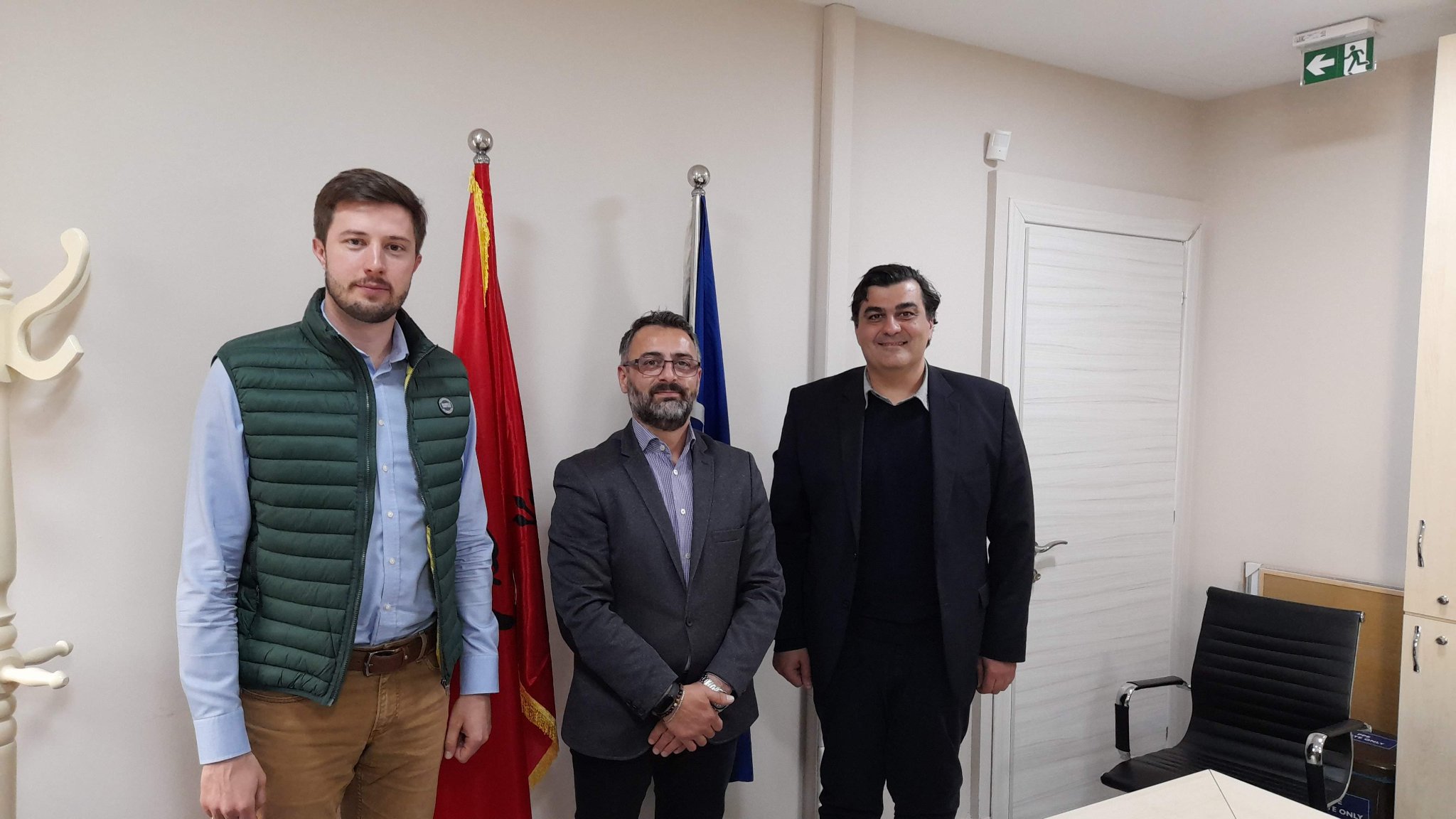
FPN (University of Belgrade – Faculty of Political Sciences) and ELIAMEP coordinated and conducted a networking visit with key migration related institutions in Albania in the context of the H2020 project MIGREC. The main outcome of this project will be the creation of migration related research center in Belgrade, Serbia.

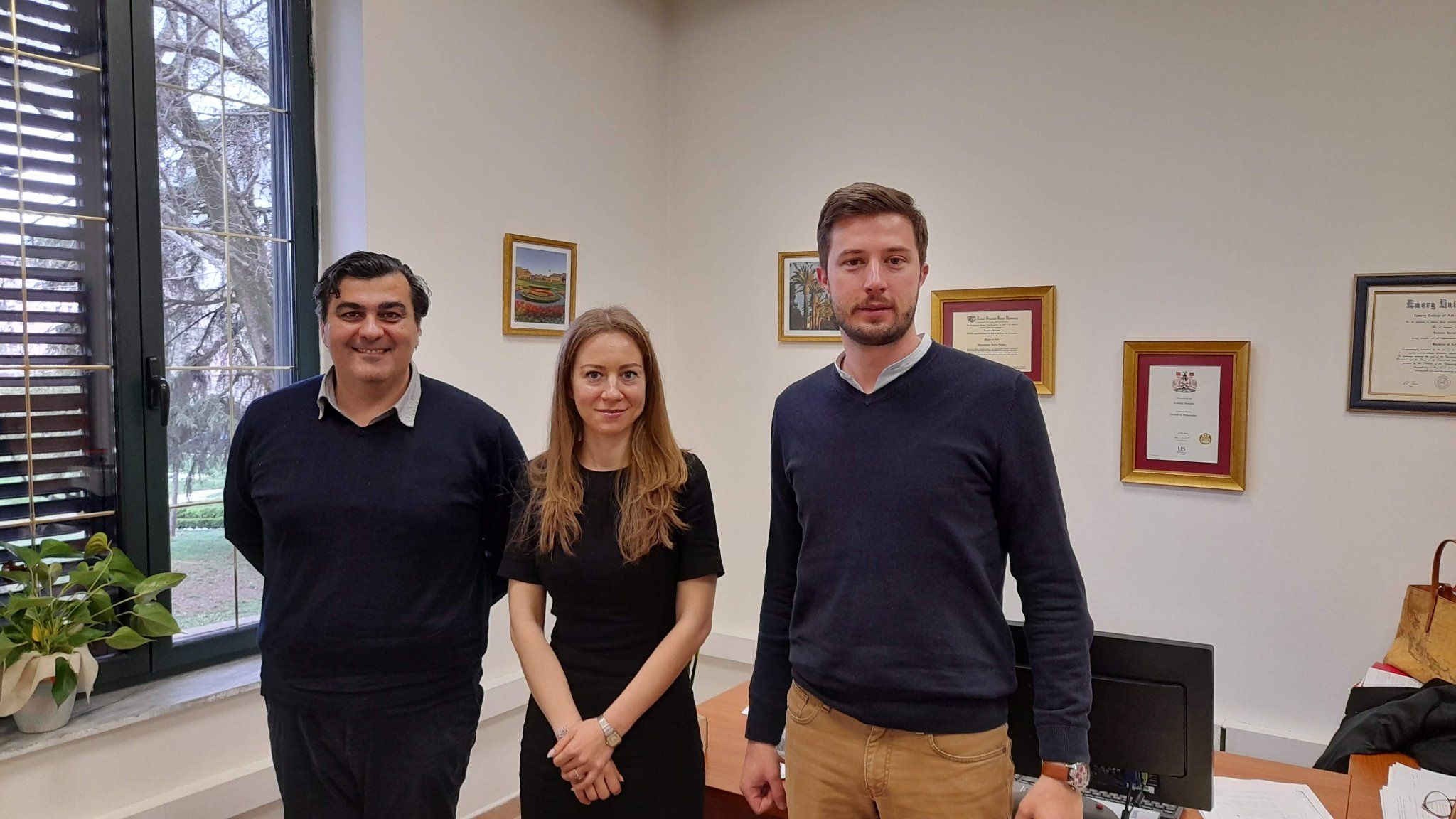
The visit took place in Tirana from 4 to 7 April 2022, led by Stefan Surlić, Assistant Professor at FPN, Panagiotis Paschalidis, Adjunct Lecturer at the University of Western Macedonia and ELIAMEP Research Fellow, Alexandros Koutras, Project Manager at the South-East Europe Programme of ELIAMEP. These networking meetings involved governance (State and international), civil society and academia while their main purpose was to facilitate the exchange of knowledge at a regional, Western Balkan level and to promote the MIGREC project by exploring possibilities for future synergies and cooperation.

The team conducted in total five meetings with the following personalities:

Dr. Kosta Barjaba, Academic; Member of the Academy of Sciences of Albania; Chief of Staff to the Speaker of Parliament of Albania

Dr. Joniada Barjaba, Director, Ministry of Finance and Economy of Albania

Dr. Ilir Gedeshi, Academic; Director, Centre for Economic and Social Studies (CESS)

Mrs. Sara Zekaj, Project Associate, Palladium

Mr. Genci Pjetri, Program Coordinator and Developer, IOM Albania

The discussions focused on the regional migration developments in Albania and the Western Balkans, such as inward and outward migration (as well as internal and seasonal), brain drain, the engagement of diaspora and asylum seekers. The migration strategies implemented (or planned) on state-level were also discussed as well as the role of the civil society and international organizations in dealing with migration issues both in Albania and the Western Balkans in general. The stakeholders shared recommendations for MIGREC networking opportunities.


Networking visit to the Western Balkans in the context of the H2020 project MIGREC Read More »

The second MIGREC’s Training workshop

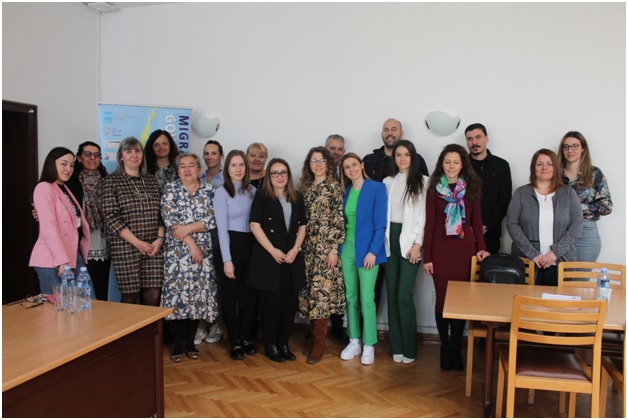
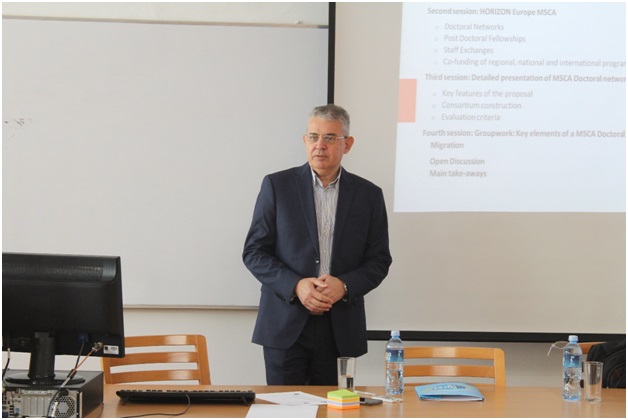
The second MIGREC„Training workshop in applying for external research funding with emphasis on Erasmus+ and HORIZON EUROPE MSCA (Marie Skłodowska-Curie Actions)“ was held at the Faculty of Political Science, on April 6, 2022. Research staff from FPN, GEF and other Faculties including PhD candidates plus stakeholders participated in an intense workshop led by Nikos Zaharis, SEERC Director.

The workshop started with a overview of Erasmus+, mainly KA2 and KA3 plus Jean Monnet. This is interesting for staff/senior researchers who might want to participate in projects that although they focus mostly on learning rather than research, they can present excellent networking and co-working opportunities with institutions in the EU and beyond. It is interesting for PhD students in the sense that they might work in projects like these and gain their first experience on working in international consortia through participation in Erasmus+ projects.

After that, the participants had the opportunity to learn more about MSCA Doctoral Networks and Post Docs which can be equally interesting for staff and students. Through them research staff can recruit PhD students and PostDocs. PhD students can use the MSCA PostDocs to work in another European country.


The second MIGREC’s Training workshop Read More »

Research Funding Workshop April 2022.

The MIGREC is organizing a workshop on April 6th.

Research Funding Workshop April 2022. Read More »

MIGREC Winter School

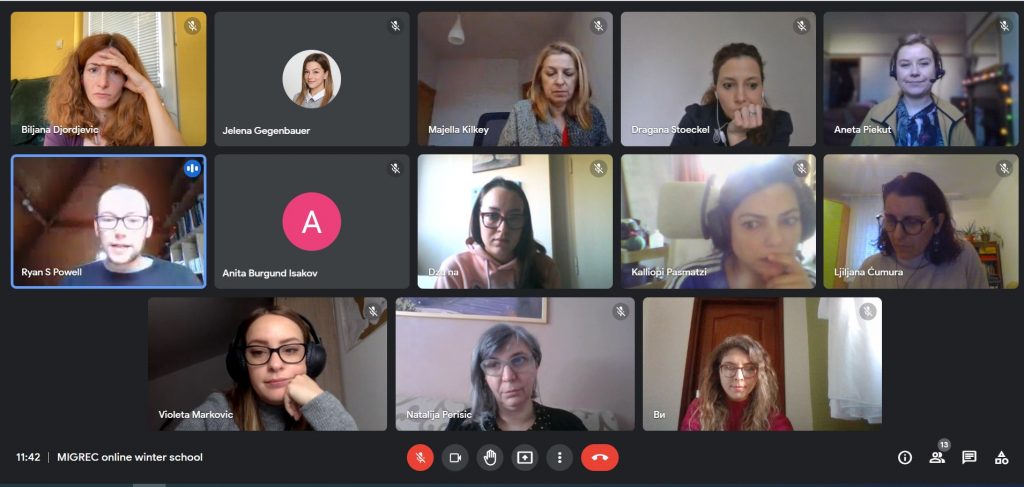
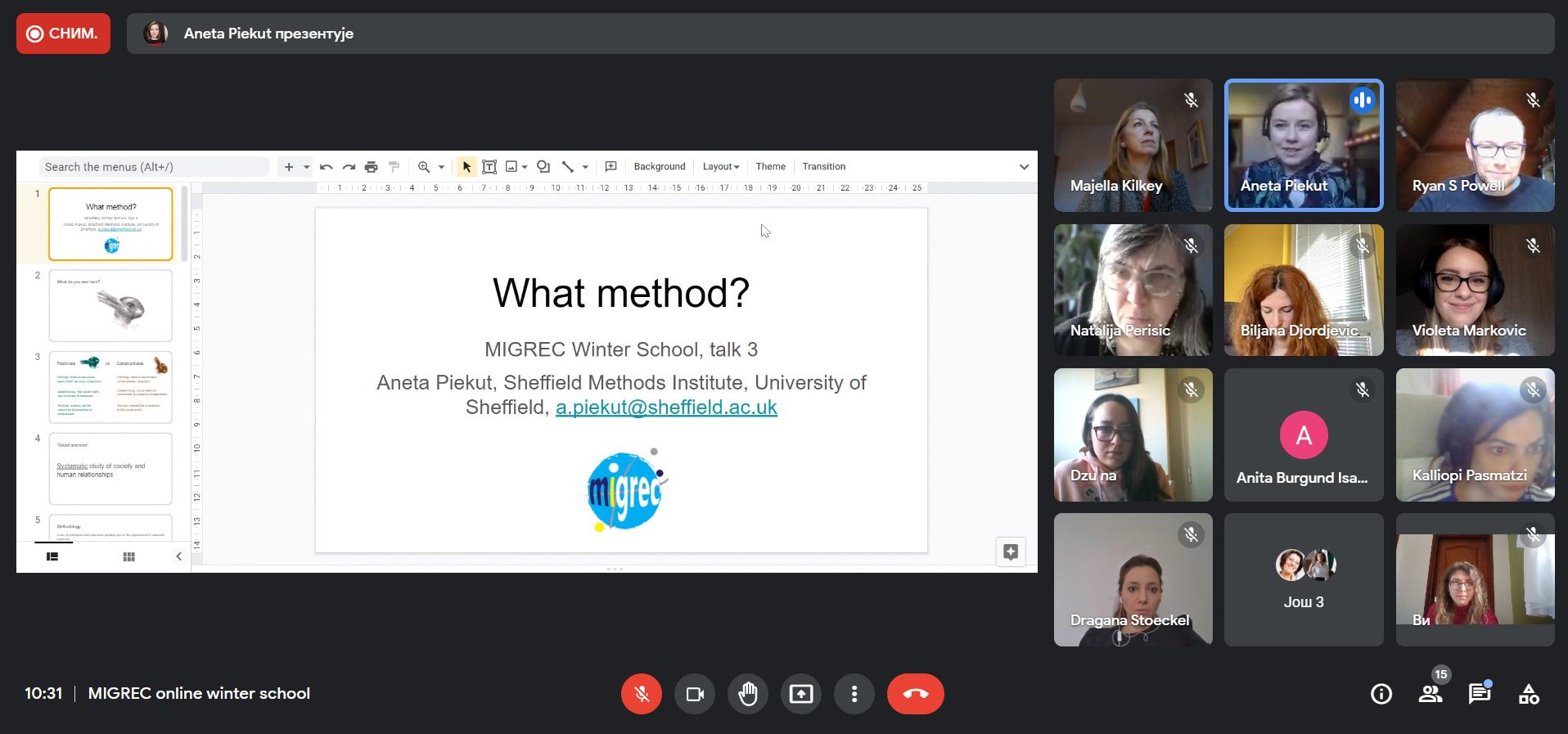
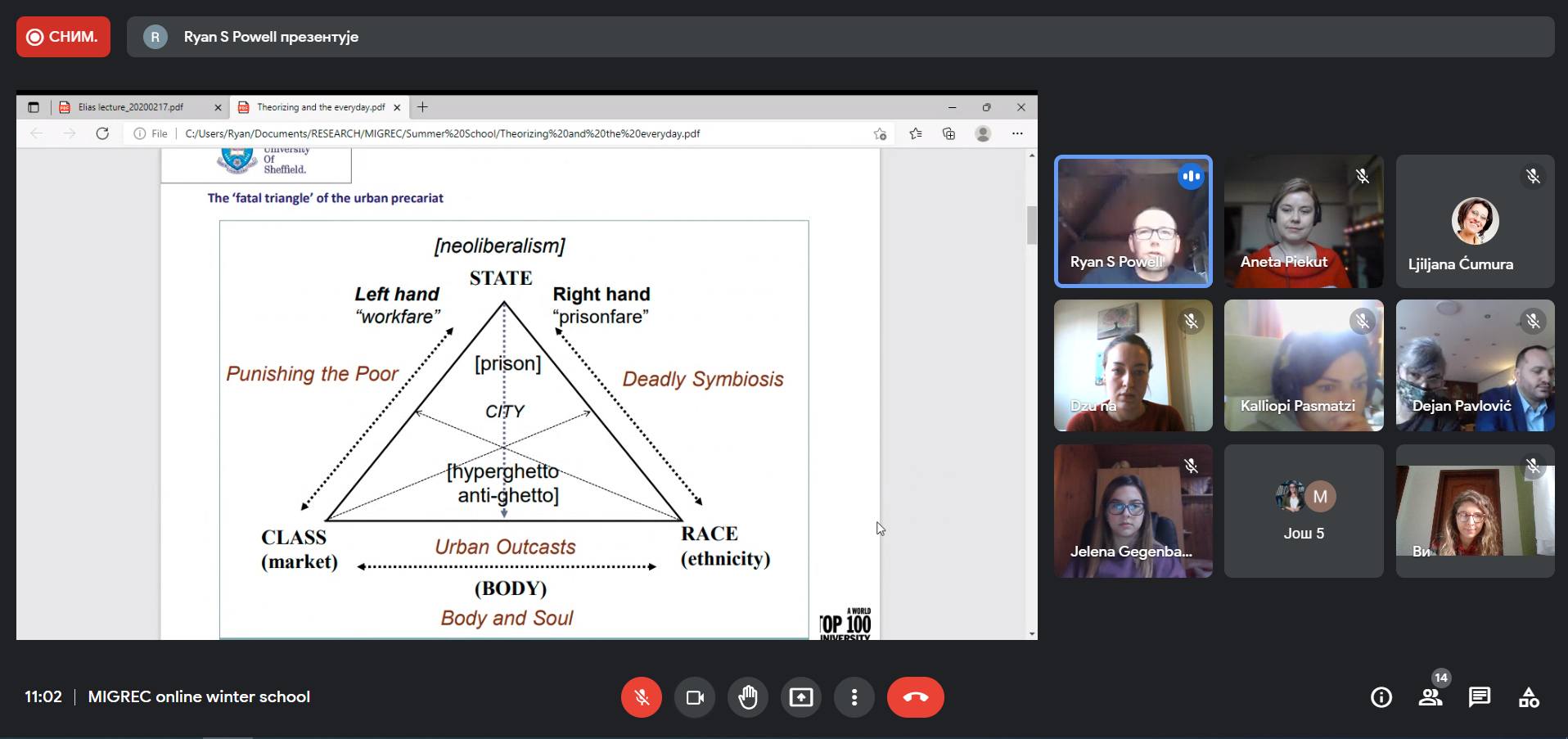
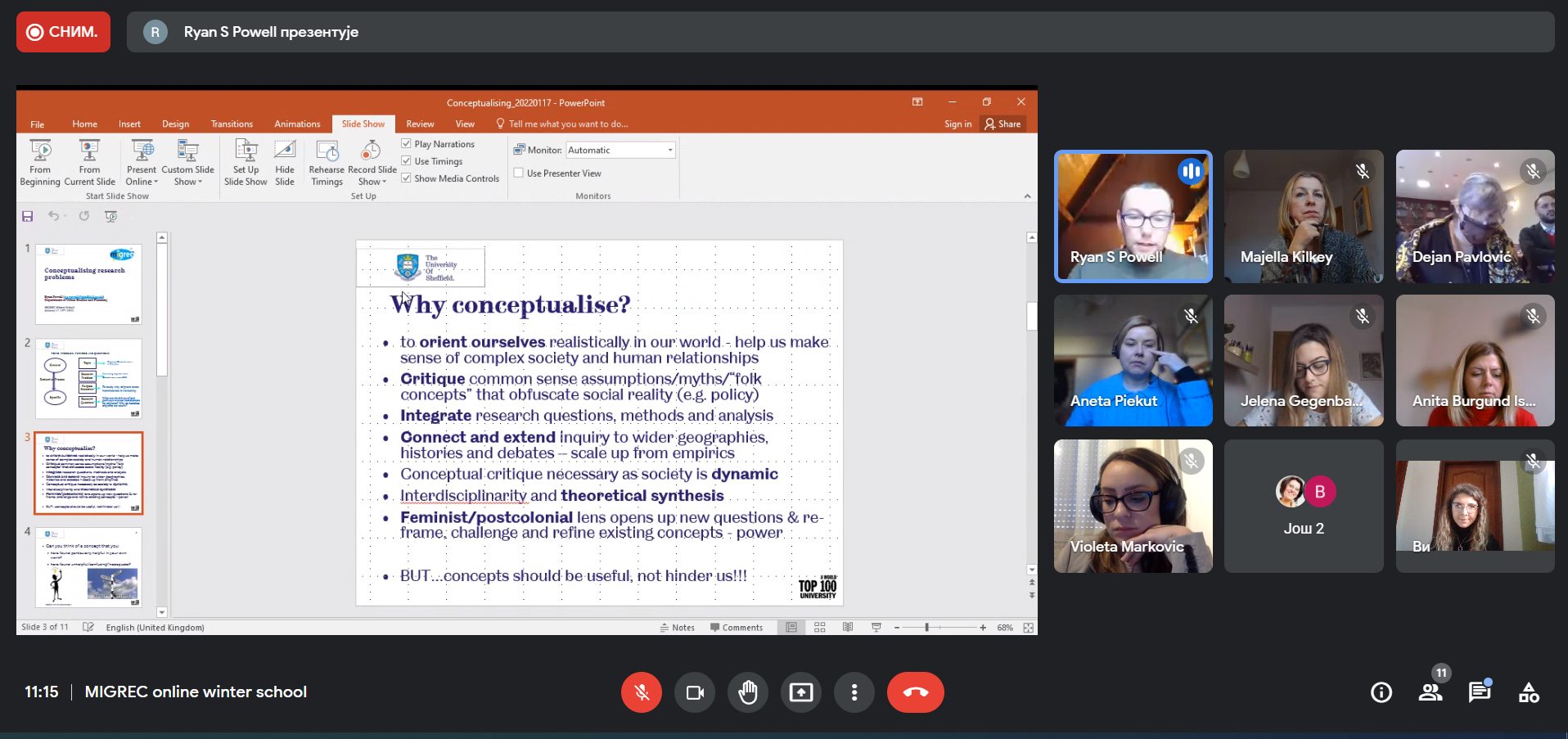
As part of the H2020 project Migration, Integration and Governance Research Center (MIGREC), the Winter School was successfully realized in online mode, in the period from January 17 to 19, 2022.

The Winter School was organized by the Migration Research Group from the University of Sheffield. Lecturers and discussants were Majella Kilkey, Aneta Piekut and Ryan Powell. Professors, assistants and PhD candidates from the University of Belgrade – Faculty of Political Science and Faculty of Geography participated in the work of the Winter School.

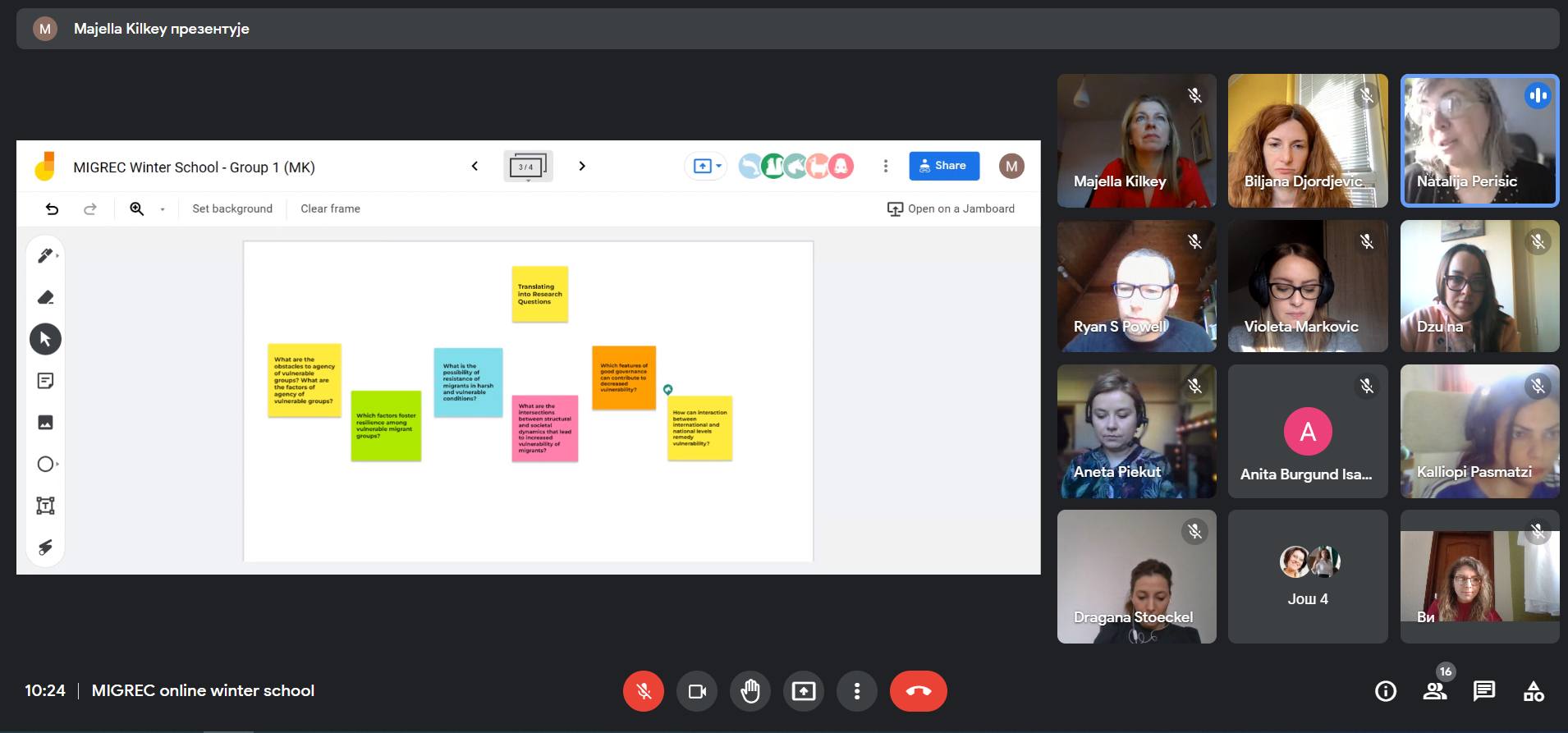
The School comprised of presentations followed by interactive activities in mini-groups and discussions on the conceptualization of research problems. The emphasis was on understanding the role of conceptualization in defining research problems, developing the ability to apply theoretical concepts in empirical studies, and critical understanding of different theorizations within migration studies.


MIGREC Winter School Read More »

MIGREC Seminar Series – Migration Development

The third set of workshops in the MIGREC series focused on the relationship between migration and development. Spanning from October to December 2021, the event featured seven speakers, from internationally acclaimed scholars to early career researchers and PhD students. The main attendees included scholars from a variety of institutions, including the University of Belgrade, ELIAMEP and SEERC, as well as scholars from other partner institutions who have a particular interest or expertise in this area. The Migration Development workshop was a valuable opportunity for researchers and academics to come together and share their insights and ideas on this important topic.

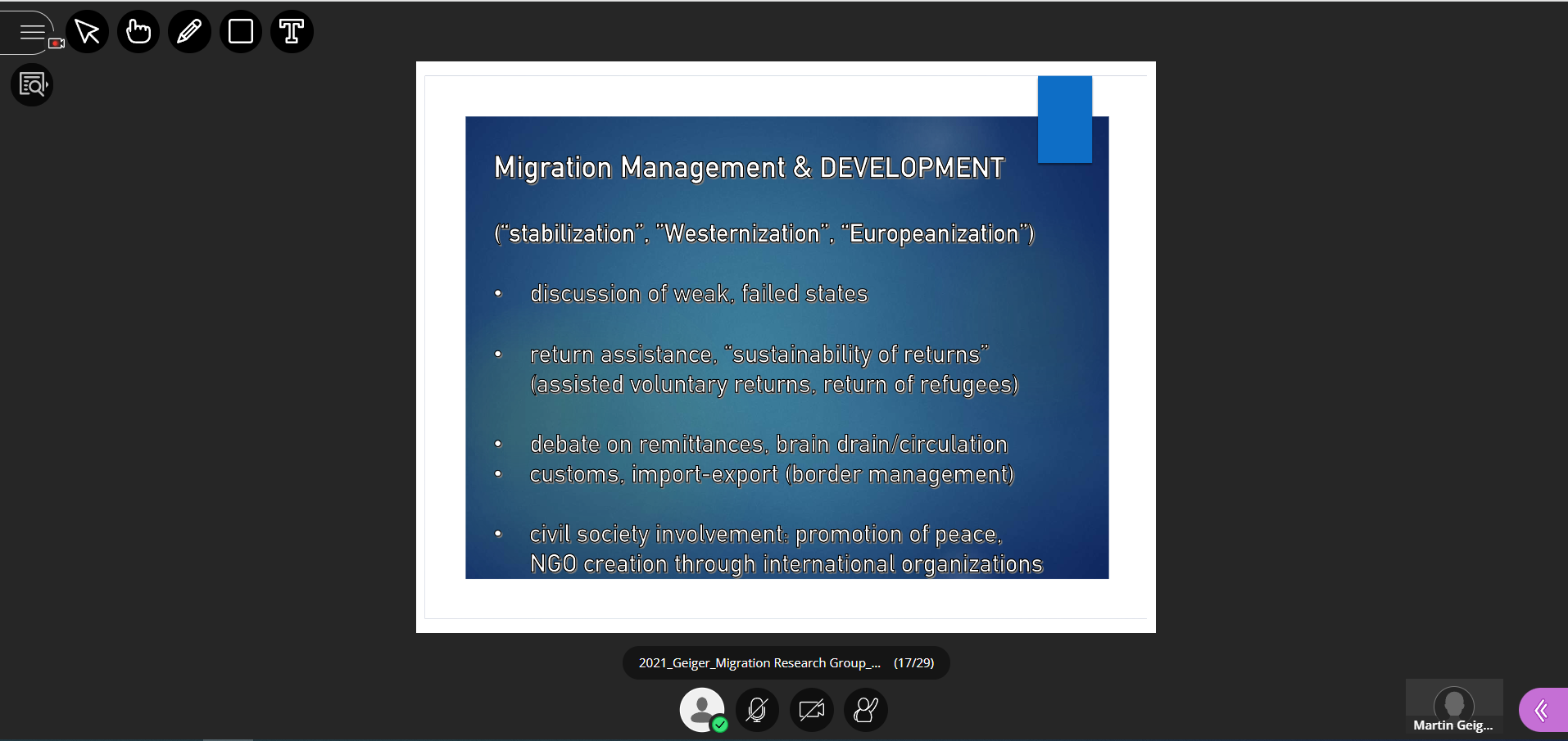
Martin Geiger, an Associate Professor of Politics of Human Migration and Mobility at Carleton University presented ‘The European Union, Russia, and International Organizations in Regional and Global Migration Management’. He spoke about the impact of the concept of migration management on the development of international politics, with a focus on Eastern and Southeastern Europe, the Western Balkans and the role of the EU, Russia and international organizations in these developments. He critically evaluated the outcomes of migration management activities in terms of development and integration.

Roda Madziva an Assistant Professor in the School of Sociology and Social Policy at the University of Nottingham presented ‘Diaspora investment and complex transnational care arrangements among diaspora women: A case study of Zimbabwean women living in the UK’. Her presentation focused on the engagement/involvement in transnational business creation and the dynamics of sustaining care arrangements in transnational spaces of Zimbabwean migrant women residing in the UK. In her presentation, she highlighted the influence of cultural and social factors on women’s participation in transnational activities and questioned traditional understandings of brain drain and care.

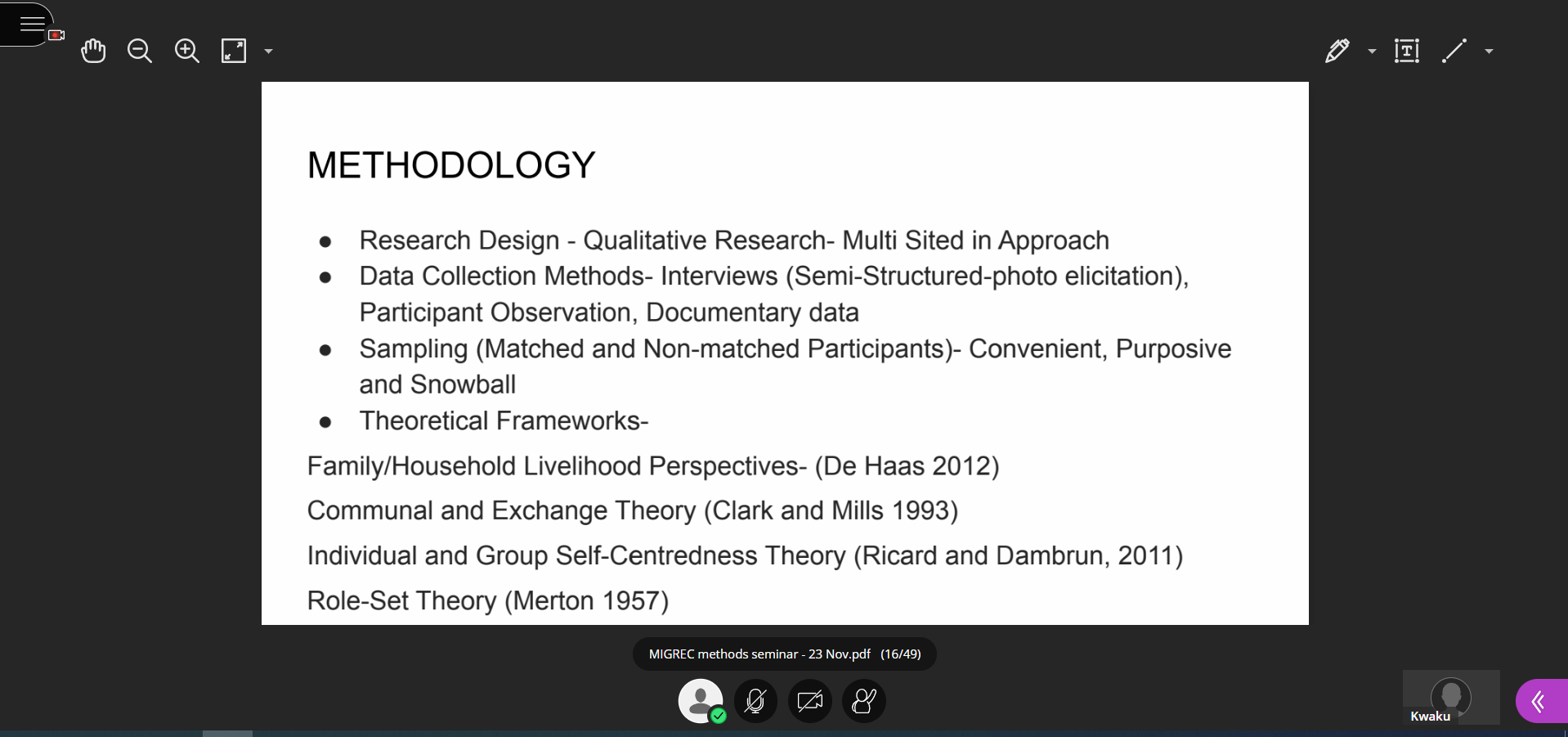
Kwaku Gyening Owusu a tutor in health and social care at the School of Applied Social Science, University of Bedfordshire, UK presented his study ’Migration and Development: Ghanaian Hometown Associations (HTAs) as Drivers of Welfare Development Back Home’. This study examined the impact of Ghanaian Hometown Associations (HTAs) on welfare development in their communities and other parts of Ghana. The findings suggest that HTAs have a positive impact on meso-level development in Ghana, with motivations including the well-being of left-behind families and community members.

Milica Todorović a PhD candidate and teaching assistant at the University of Belgrade, Faculty of Geography, Department of Human Geography presented ‘Return migration and reintegration in the context of the migration cycle in the Republic of Serbia’. She pointed out the need for more research on this topic in Serbia and discussed her doctoral dissertation, which aims to comprehensively investigate the process of voluntary return migration in the Republic of Serbia by examining all stages of the migration cycle of returnees and their reintegration process.

Dominika Pszczółkowska a political scientist and migration researcher at the Centre of Migration Research, University of Warsaw gave a lecture entitled ‘Researching the diaspora online and offline’. The presentation discussed the challenges and considerations of conducting qualitative research with diaspora members, both in person and online. Pszczółkowska drew on her experiences from two research projects, one focused on destination choice among Polish post-EU-accession migrants and the other on political and public participation of Poles in the Polish-Irish transnational space.

Obert Tawodzera a research fellow at the University of Birmingham presented ‘Shifting positionalities and power relations: theethical and emotional challenges of doing multi-sited research as a doctoral student’.  Based on his own experiences of conducting multi-sited research with Zimbabwean migrants in the UK and their overseas family members, Obert discussed the ethical and emotional challenges faced by doctoral researchers when conducting qualitative multi-sited research, specifically in regards to negotiating continuous access to participants living in different parts of the world.

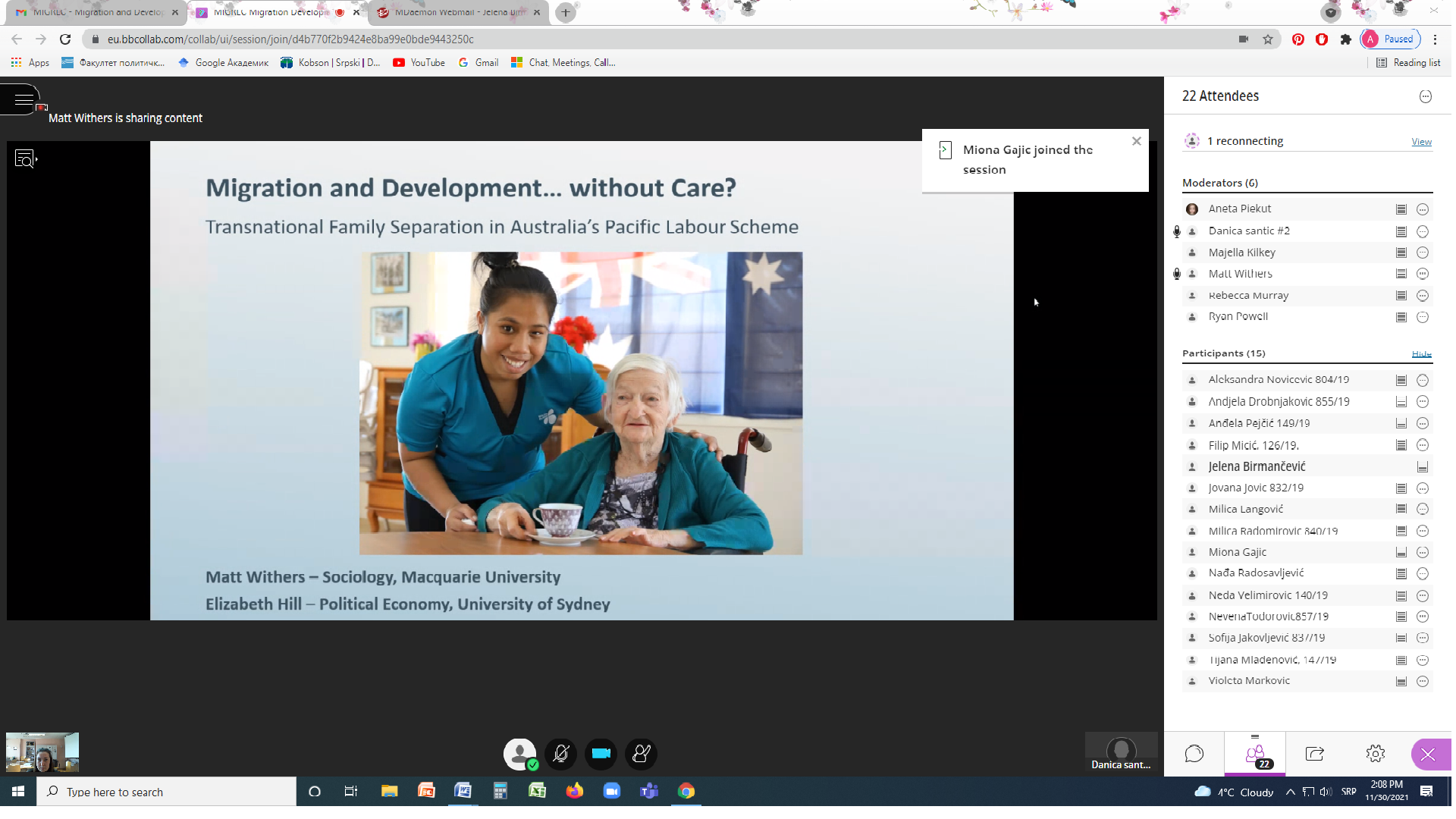
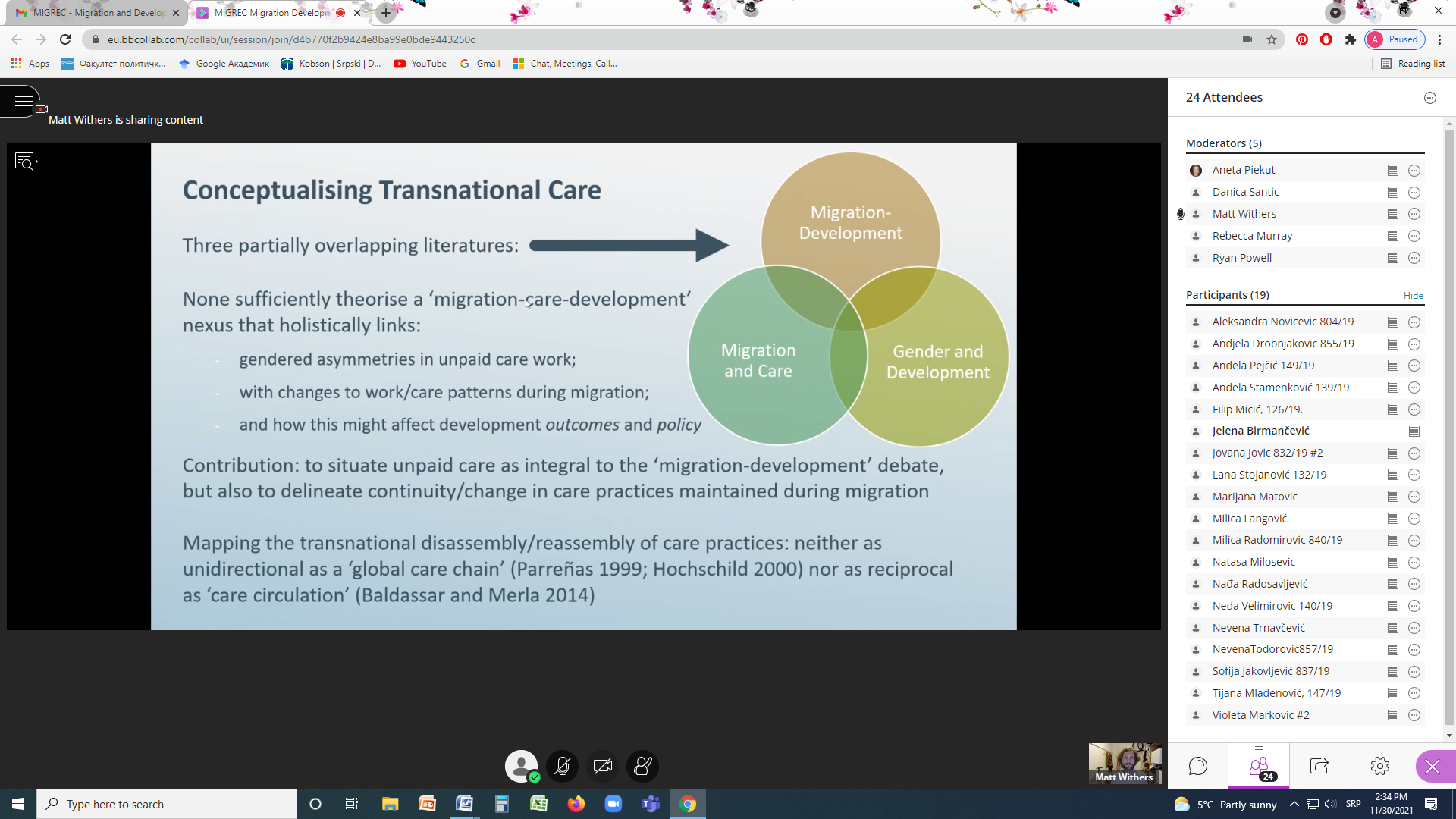
Matt Withers a research fellow within the Department of Sociology at Macquarie University presented ‘Migration and Development, without Care?’. His research paper highlighted the negative impacts of restrictive temporary labor migration schemes on families and communities in the Indo-Pacific region. The paper proposed a holistic migration-care-development nexus that prioritizes the identification, evaluation, and policy redress of unsustainable disruptions to care practices.


MIGREC Seminar Series – Migration Development Read More »

International migrants day

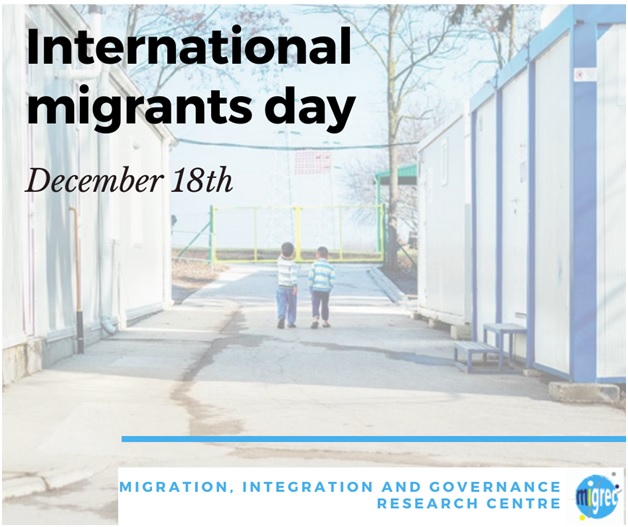
The United Nations General Assembly declared December 18th as the International Migrants Day, as a result of large and rising number of migrants in the world. In the last year, more than 280 million people had an international migrant status, which is 3.6% of the world population. Migrants contribute building of stronger and more resilient communities with their knowledge, networks and skills. Global social and economic system can be shaped through influential decisions for solving challenges and opportunities posed by global mobility and people in movement.

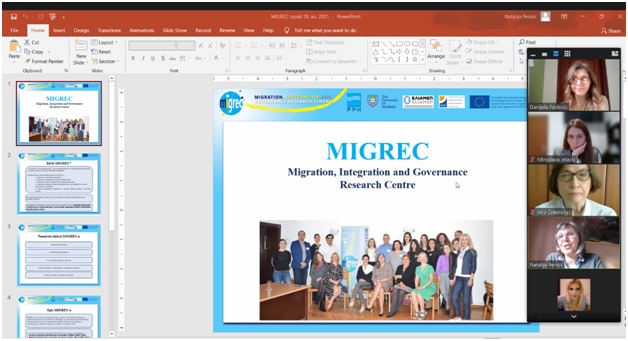
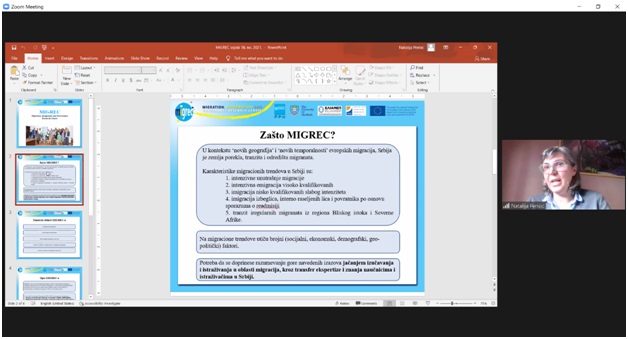
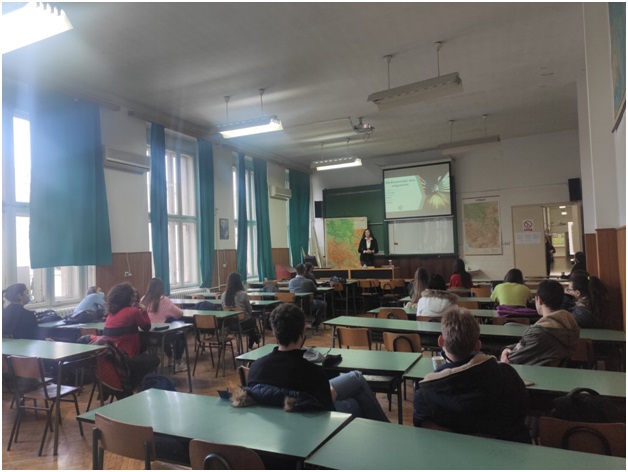
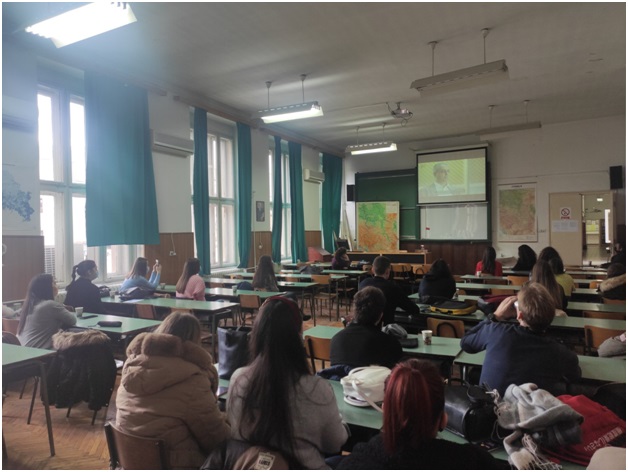
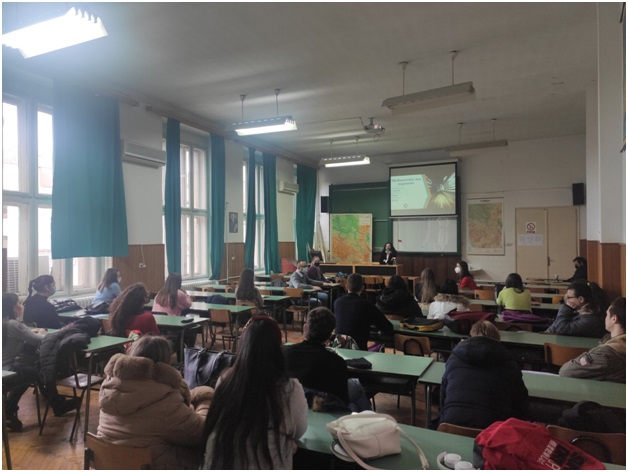
The Faculty of Political Science (University of Belgrade) hosted on December 20th, 2021 a lecture via Zoom platform for students of the fourth year of undergraduate studies on the occasion of International Migrants Day. The participants were greeted by Prof. Ana Čekerevac and assistant Danijela Pavlović, MA. The list of lecturers included Prof. Natalija Perišić, who presented the MIGREC project and pointed to the importance of migration research, and Miroslava Jelačić, legal analyst in non-governmental organization Group 484 and consultant in the GFA Consulting Group, who spoke about regular labour migration, cooperation with diaspora and the Strategy of Economic Migration.

The Faculty of Geography (University of Belgrade) marked the International Migrants Day on December 20th, 2021. Representatives of organizations Group 484, Praxis and Centre for Research and Social Development IDEAS spoke about programmes and projects being realized in the sphere of migration, field work and possibilities for volunteering and internship in their respective organizations. Students of undergraduate studies of Geography and Demography, together with students of master and doctoral studies, had an opportunity to discuss the above topics with the speakers; in doing so, they adequately emphasized the importance of research of migration phenomena.


International migrants day Read More »

MIGREC at the Conference ‘New Dynamics of East–West Migration and Migrant Integration Within Europe and Beyond’

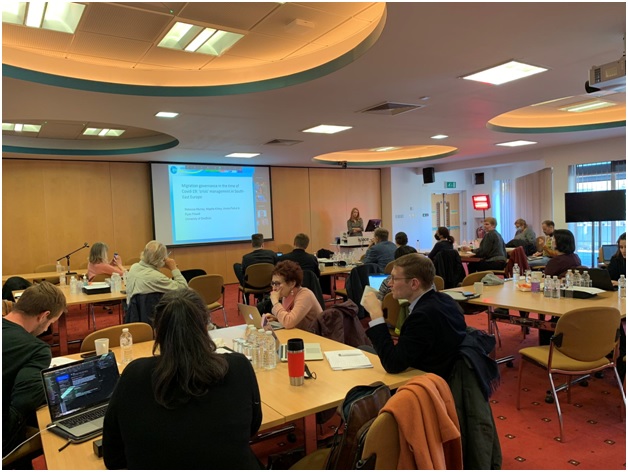
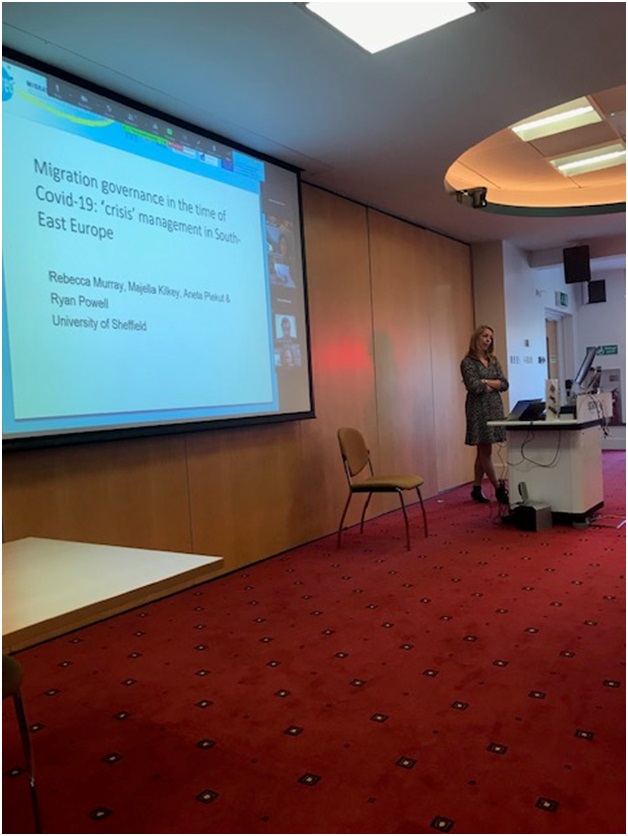
MIGREC team members contributed with a panel aimed at understanding of how migration governance is being shaped by a ‘crisis’ discourse. The presentations responded to a deficit in scholarship that focuses on how multiple crises have shaped migration governance within South-East Europe (SEE). This region is an important point of focus due to its geopolitical significance, especially since the ‘migrant crisis’ of 2015-16, which transformed its positioning in relation to European migration governance. Dynamic migration patterns have made SEE countries, to a varying extent, countries of origin, transit and destination. The Western Balkan countries experienced significant change, becoming one of the most populated migration routes into the EU. They constitute simultaneously the border along the EU, and the buffer zone between Greece and Western Europe. Greece, meanwhile, has experienced its own transformation, from a transit to a (temporary) destination front-line state. Significant numbers of migrants, therefore, are currently stranded in the Western Balkans and Greece, and in the time of Covid-19 they have become further subject to logic of ‘crisis’ management. The panel comprehensively examined the “crisis” management through policy, media and behavioural lenses, and as related to different groups of migrants (irregular, regular and returnees).

Access the conference programme here:

Programme


MIGREC at the Conference ‘New Dynamics of East–West Migration and Migrant Integration Within Europe and Beyond’ Read More »

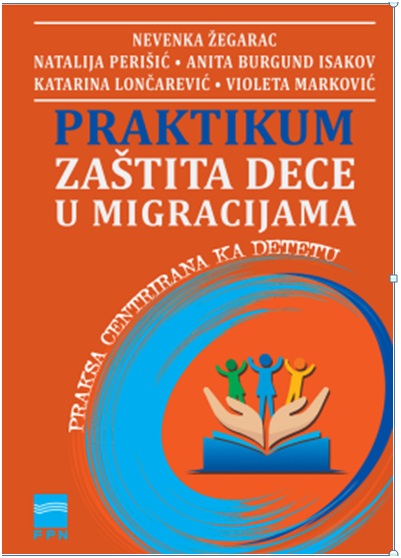
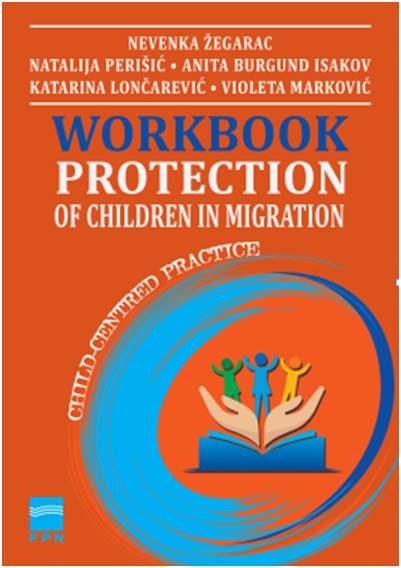
Protection of Children in Migration – textbook and workbook

Prof. Dr. Nevenka Žegarac, prof. dr. Natalija Perišić, doc. dr. Anita Burgund Isakov, doc. dr. Katarina Lončerević i asist. MA Violeta Marković published a textbook „ Protection of Children in Migration: A Rights-Based Approach” in Serbian and a workbook „ Protection of Children in Migration: A Rights-Based Approach: Child-Centred Practice” in Serbian and English.

The  “Protection of Children in Migration: A Rights-Based Approach” textbook was developed under the Co-creating Knowledge and Building Expertise for Protection of Children Affected by Migration – Curriculum Development project which was implemented by the Belgrade University’s Faculty of Political Science with the support of the UNICEF in Serbia and the United States Bureau of Population, Refugees and Migration. The original results and deliverables of the project were followed by financial support from the European Union Health Programme “Strengthening refugee and migrant children’s health status in Southern and South-Eastern Europe”, for the development of the textbook and workbook which combine experiences gained during multi-layered, co-creative work with decision makers, practitioners, students, researchers and analysts.

Comprehensive research and consulting activities were implemented during the project. Focus groups and interviews were organised with 40 policy and decision makers, as well as practitioners from the public and civil sectors from different parts of Serbia, who are involved in the protection of children in migration. Special attention was paid to consultations with unaccompanied migrant children and children traveling with their families. We consulted with 14 boys and girls from Afghanistan, Iran, Pakistan and Syria, who agreed to talk to the research team (along with other necessary parental and guardian consents), in a way that was carefully and professionally designed, ethically rigorous, highly participatory and child-friendly.

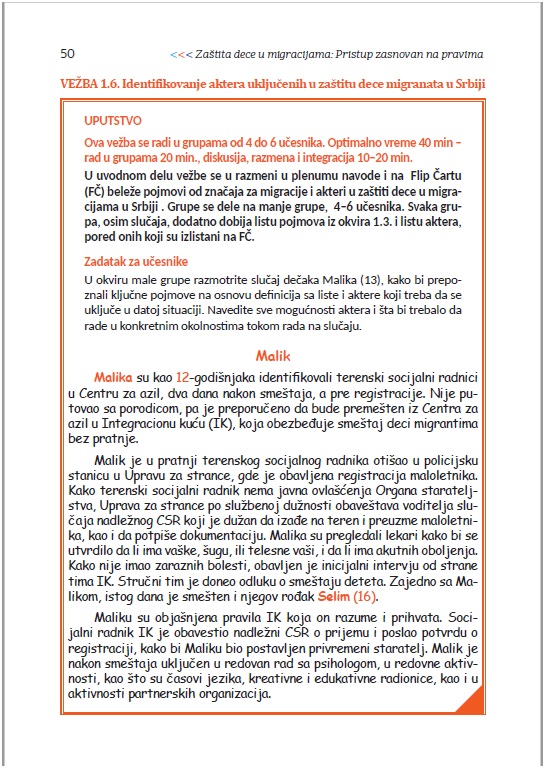
Based on the knowledge gained and material collected, the curriculum was designed in accordance with the university education standards, followed by a Continuing professional education (CPE) programme for practitioners. The programme was piloted in the 2019/20 school year and was delivered for the second time in 2020/21. In addition to students from different faculties, the classes also included a number of practitioners. Based on the experiences from the two teaching cycles, a Protection of Children in Migration textbook was developed, with the accompanying workbook. The textbook comprises ten chapters, thematic units which cover various areas of protection of migrant and unaccompanied children. It is intended for students of the Faculty of Political Sciences and other social sciences and humanities faculties, but also for decision makers and practitioners in the field of child protection, as well as those who come into contact with migrant and unaccompanied children in their work. Each chapter has defined learning objectives, it elaborates and explains theoretical concepts and practical approaches in the multidisciplinary field of child protection in migration, and includes appropriate practical exercises which are a prerequisite for experiential learning, recommendations for further reading and a list of key terms.

Chapter one elaborates the characteristics, trends and actors, provides an overview and analysis of the migration process, with a focus on children in migration. Although migrations have existed in all societies in the past, they belong to those processes that essentially affect the reshaping of modern societies and policies. The first chapter introduces and explains the basic concepts, notions and theories of migration, provides an understanding of the characteristics of modern trends in migration, as well as related knowledge in political science, to help understand migration flows involving children, and the role of actors in protecting children in migration, in the national and international framework.

Chapter two covers the rights-based approach and the child protection framework, where the theoretical, legal and practical component of the child rights-based approach is elaborated. The chapter offers a critical review of the understanding of childhood as a social phenomenon and the rights of the child. In the context of migration, the application of the four fundamental principles of the UN Convention on the Rights of the Child is crucial, from the point of view of the extent to which a child-centred policy, strategy, measure, programme or activity is fair, inclusive and participatory. The social work practice approaches that have strong implications and significance for working with children in migration and their families are also presented. These include, among others, the empowerment approach, strength-based practice, eco-systemic thinking, anti-subjugation, anti-oppressive and anti-discriminatory social work practices. These concepts, with the application of the principles of culturally competent practice, operationalize the practical application of the child rights-based approach.

Chapter three provides an overview of the framework for understanding migrations, “push and pull factors”, standards for child protection in humanitarian crises, and in particular the Global Minimum Standards for the Child Protection in Humanitarian Action. These contents are aimed at understanding the factors that encourage migration, learning about the relevant concepts and interpretation of the specifics of child protection in emergency and crisis situations. This lays the foundation for the application of these standards in practice and the ability to recognize and assess the degree to which child protection standards in emergencies and crises have been applied.

Chapter four deals with the identification of children in migration and the organization of initial interventions. This chapter deals with the process of identification of children in migration, theoretical and practical aspects of opening of the case management process, rules for interviewing children, initial procedure for establishing and determining the best interests of the child and standards for establishing child-friendly spaces. This provides an understanding, comparison and interpretation of standards and procedures for organizing child-friendly reception and assistance and identifying the best interests of the child in migration in Serbia, Europe and international practice, during identification and initial interventions.

Chapter five discusses the risks and resilience of children in migration. This chapter deals with contemporary knowledge about trauma and the impact of traumatic experience, as a knowledge base for the development of child protection systems in migration. This knowledge, together with the previously discussed rights, standards and principles of child protection, is placed in the context of risk and vulnerability assessment together with protective factors, which includes the child’s right to participate and consultations with children which encourage their resilience and capacity. Special attention is paid to the care of professionals and the importance of self-care, as well as debriefing techniques. The learning objectives in this chapter are aimed at learning and understanding the main concepts, ideas and theories about trauma as well as at interpreting and applying an assessment approach based on recognizing trauma and encouraging resilience, as well as understanding the importance of self-care.

Chapter six analyses the issues of gender and vulnerability, where the essential concepts and gender theories are elaborated, as well as the system of gender roles as a system of inequality that exists in every society and culture. The issues of understanding gender and vulnerability on the example of women and children on the move are explained here, with the elaboration of the issues of vulnerability of children (boys and girls) in migration and specific gender characteristics of vulnerability of unaccompanied and separated children. As it is almost impossible in practice to separate the issues of gender and vulnerability and gender-based violence in migration, this chapter offers a coherent framework for understanding the problems and building gender-sensitive interventions.

Chapter seven deals with child abuse in migration. Here, the risks to which children are exposed at different stages of migration processes and specific forms and manifestations of violence against children in migration are considered in order to understand and recognize the characteristic types of abuse. The main forms of violence faced by children in migration are presented, and the phenomena of smuggling, child trafficking and abuse of child labour in migration are comprehensively discussed.

Chapter eight deals with gender-based violence and its characteristics for children in migration. Migrations are presented as a gender process. The system of gender roles is presented as a system based on inequalities and discrimination that lead to violence, while the patriarchy itself changes as societies change, but it is present in various forms everywhere, including the migrants’ countries of origin. The learning objectives are aimed at understanding and interpreting the concepts and analysing the manifestations of gender-based violence in migration, as well as relevant international and national conventions, and at understanding the survivor-based approach to gender-based violence.

Chapter nine explains and elaborates the case management guidelines for children in migration. This chapter discusses case management standards in migrant children in national and transnational aspects, the child rights and procedures during the age assessment process, elaborates the decision-making process on the best interests of the child and interprets the good practice standards in protection of children in migration with interpreters and cultural mediators. The learning objectives are, inter alia, aimed at identifying, explaining and resolving ethical dilemmas in the case management process when working with children in a migration situation and interpreting the child’s rights and procedural guarantees in procedures for assessing and determining the best interests of the child in migration (including age assessment).

Chapter ten deals with the conceptual, legal, organizational challenges and challenges present in the social work practice relative to the alternative care of migrant children. This chapter deals with topics related to services intended for families of migrants with children, issues of guardianship, particularities of alternative care forms for unaccompanied and separated children. Long-term solutions for these children in accordance with international legal guarantees are also systematically presented: voluntary return to the country of origin, integration in the country of destination, relocation to a third country, family reunification in the country of origin, destination or a third country and international adoption.


Protection of Children in Migration – textbook and workbook Read More »

MIGREC at the conference “National minorities, migration and security”

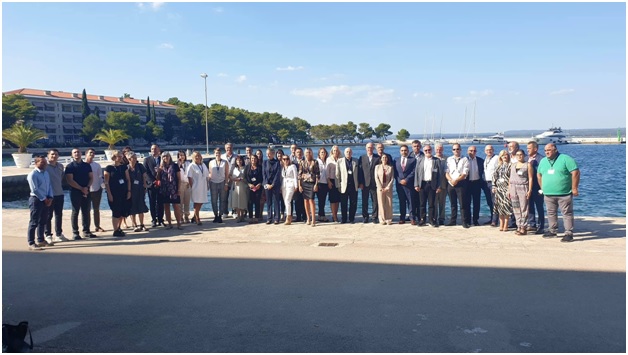
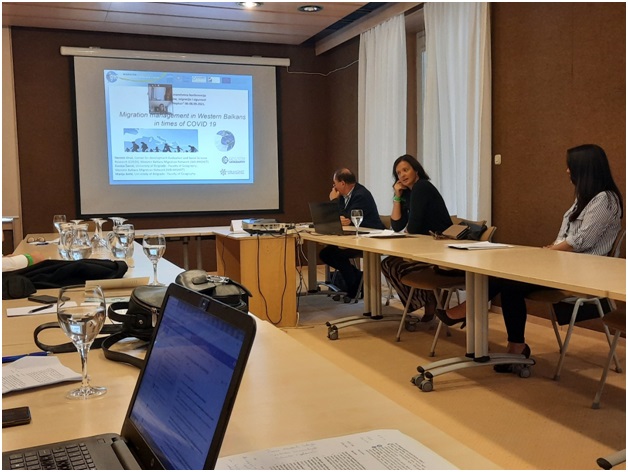
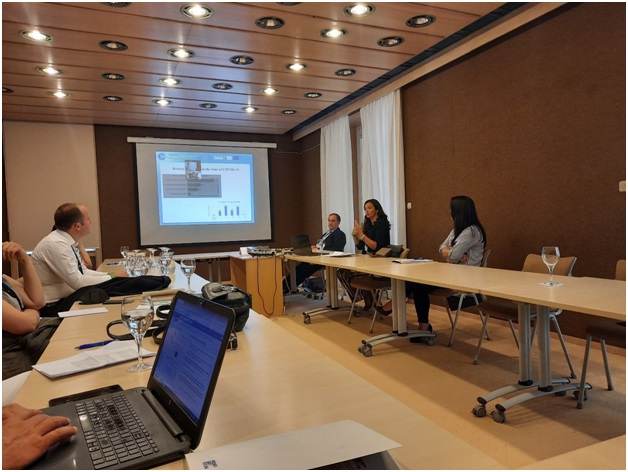
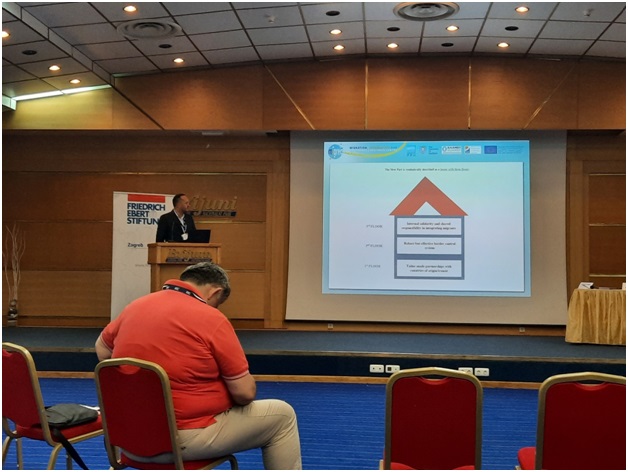
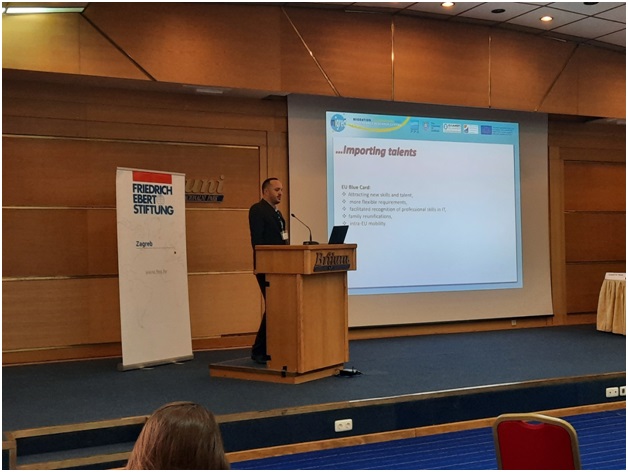
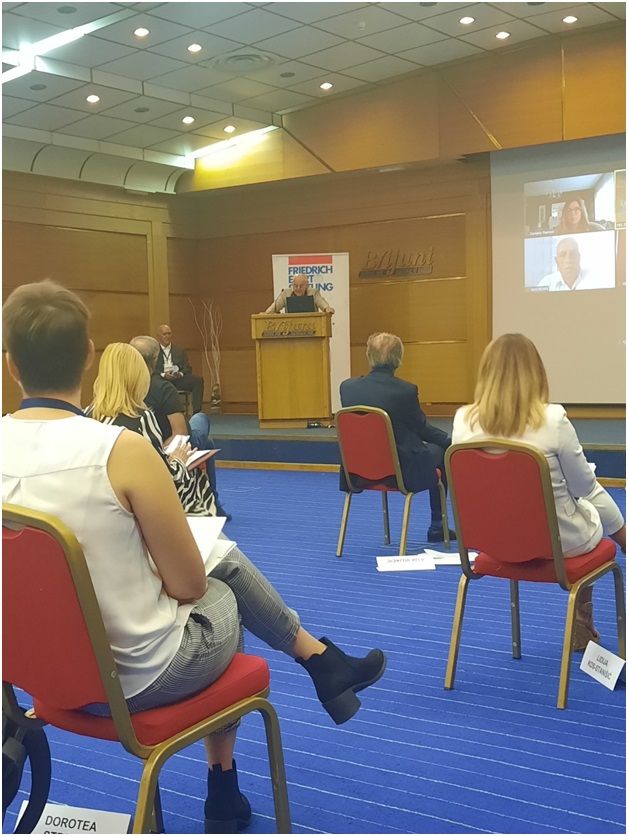
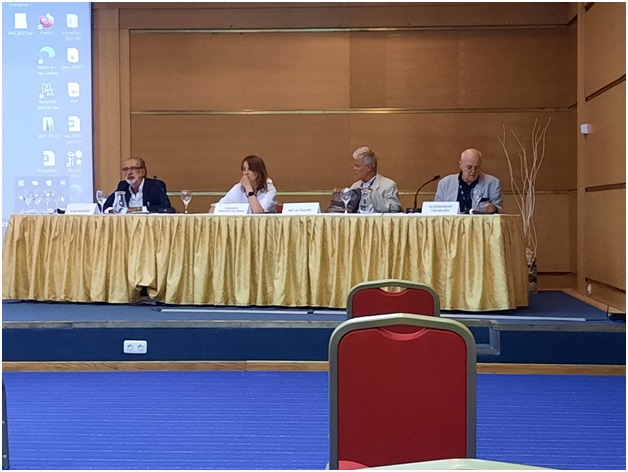
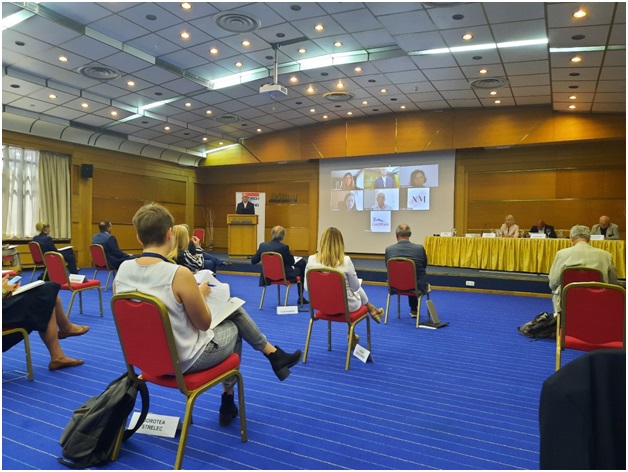
The 25th international scientific conference “National minorities, migration and security”, organized by the Center for International and Security Studies, Faculty of Political Science (University of Zagreb) took place in Brijuni Islands, Croatia from 6-8 September 2021. The conference was co-organized by Friedrich Ebert Foundation and Council of National Minorities of the Republic of Croatia.

The conference covered three thematic units:

  1. National minorities in democratic societies
  2. Migration and migration policies
  3. Global security challenges.

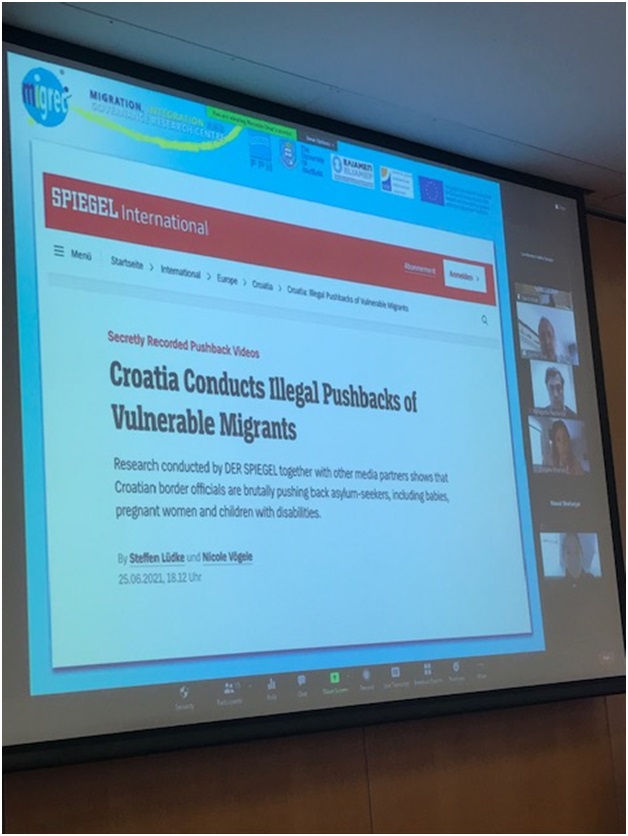
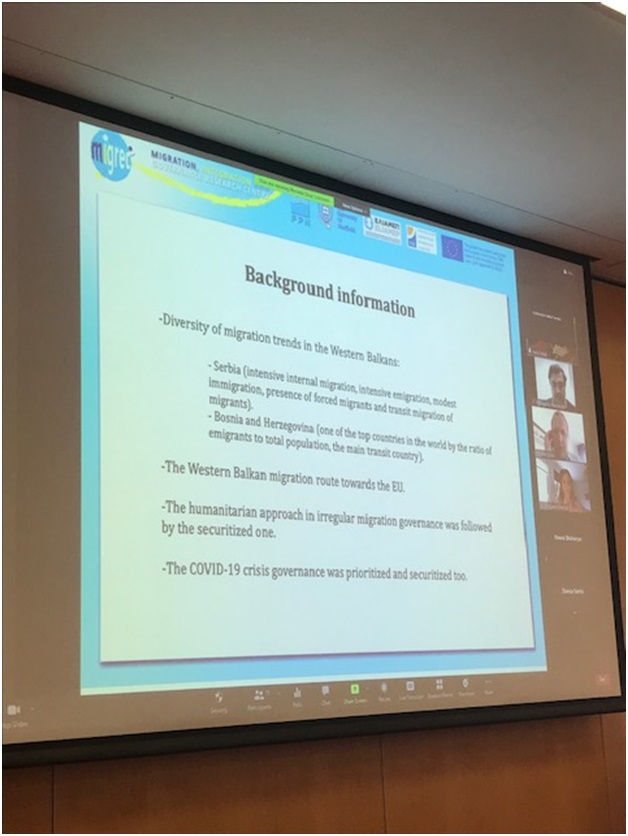
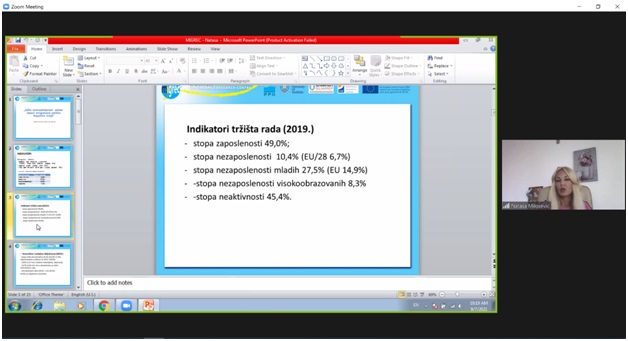
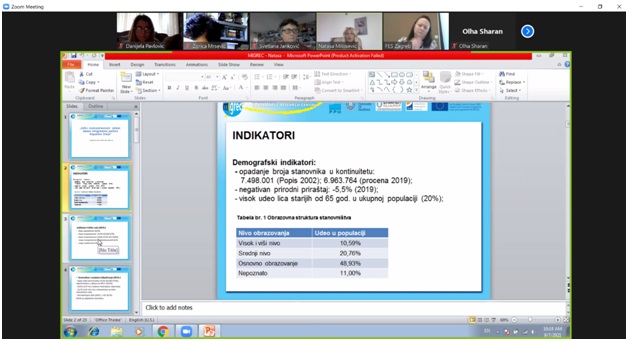
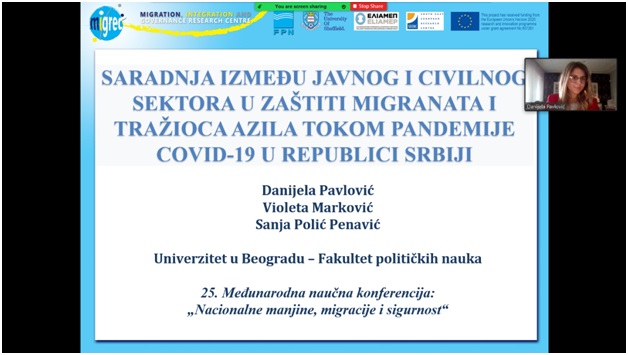
MIGREC team members presented four interesting papers at the conference. Nataša Milošević, Milica Glišić and Ena Todorović analyzed the topic of emigration of highly skilled population from Serbia and pointed to systemic obstacles to prevent brain drain. Dejan Pavlović, Danica Šantić and Natalija Perišić researched potential consequences of the New EU Pact on Asylum and Migration on migration trends and migration policies in Serbia. Nermin Oruč, Danica Šantić and Marija Antić, presented the topic of migration management on the Western Balkans during the COVID-19 pandemic. Danijela Pavlović, Violeta Marković and Sanja Polić Penavić focused on challenges for the cooperation between the civil and public sectors in the protection of migrants and asylum seekers during the COVID-19 pandemic.

MIGREC at the conference “National minorities, migration and security” Read More »