News

MIGREC at the Conference CHILD MIGRATION AND INTEGRATION: TRENDS & CHALLENGES

The International Conference “Child Migration and Integration: Trends & Challenges” was organised from June 2 – 4, 2022 at the University of Ljubljana, Faculty of Law. First two days of the Conference were organised through thematic units, with each day consisting of relevant thematic units. The Conference was organised by Science and Research Centre Koper, Institute for Social Studies in collaboration with MiCREATE consortium. This international scientific conference was organised as a final event of the Migrant Children and Communities in a Transforming Europe project, funded under Horizon 2020.

The thematic units on the first day were:

  • Unaccompanied minors
  • Methodologies and approaches
  • Educational settings
  • Migrant children in transit

At the final day of the Conference, a panel discussion was organised on the topic of “Teachers’ voices on child migration and integration in schools.”

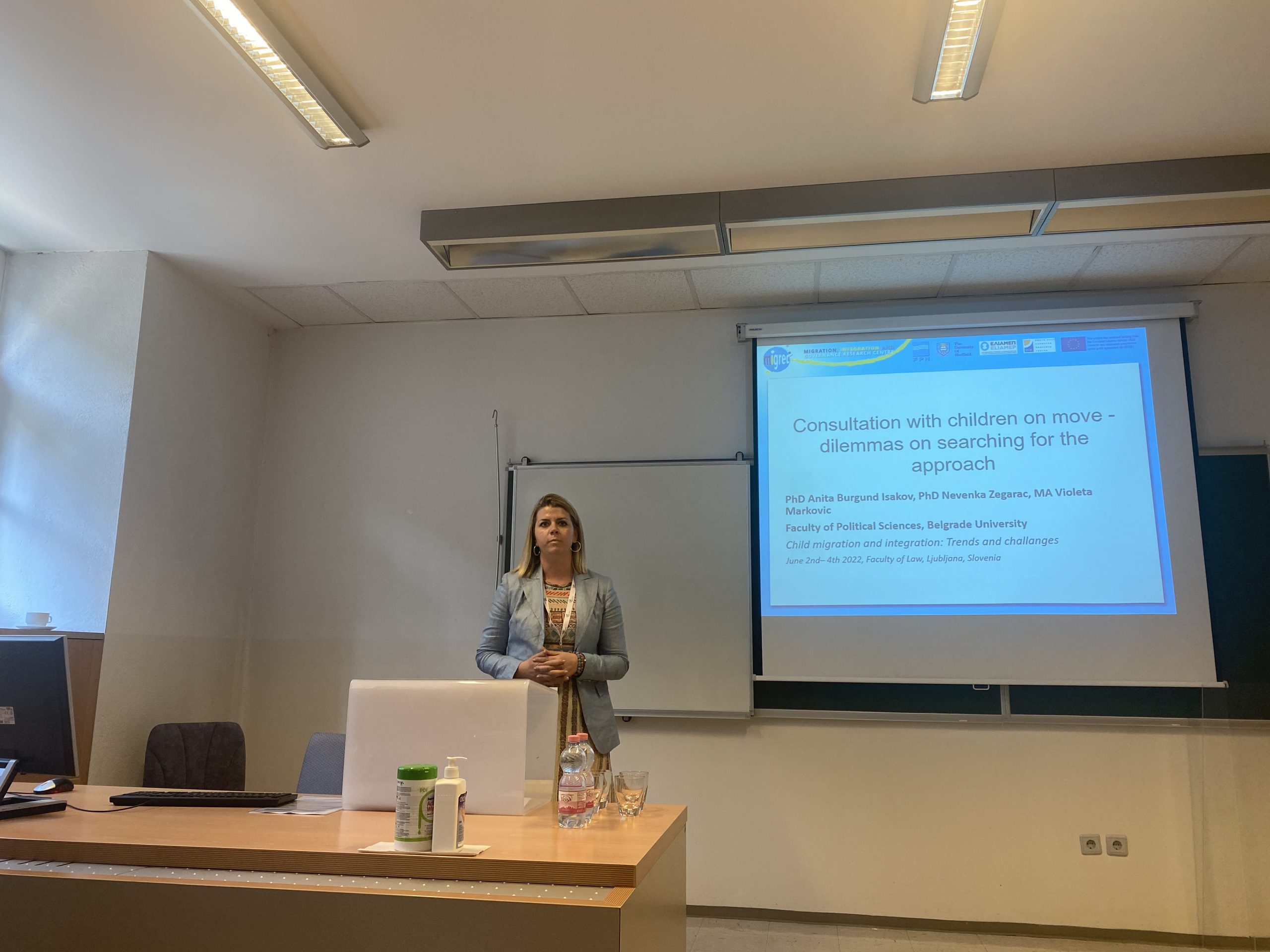
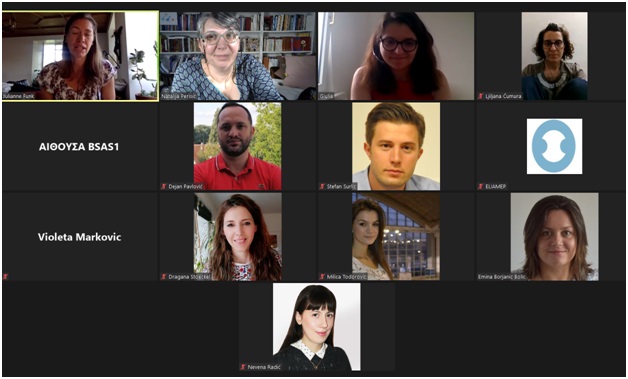
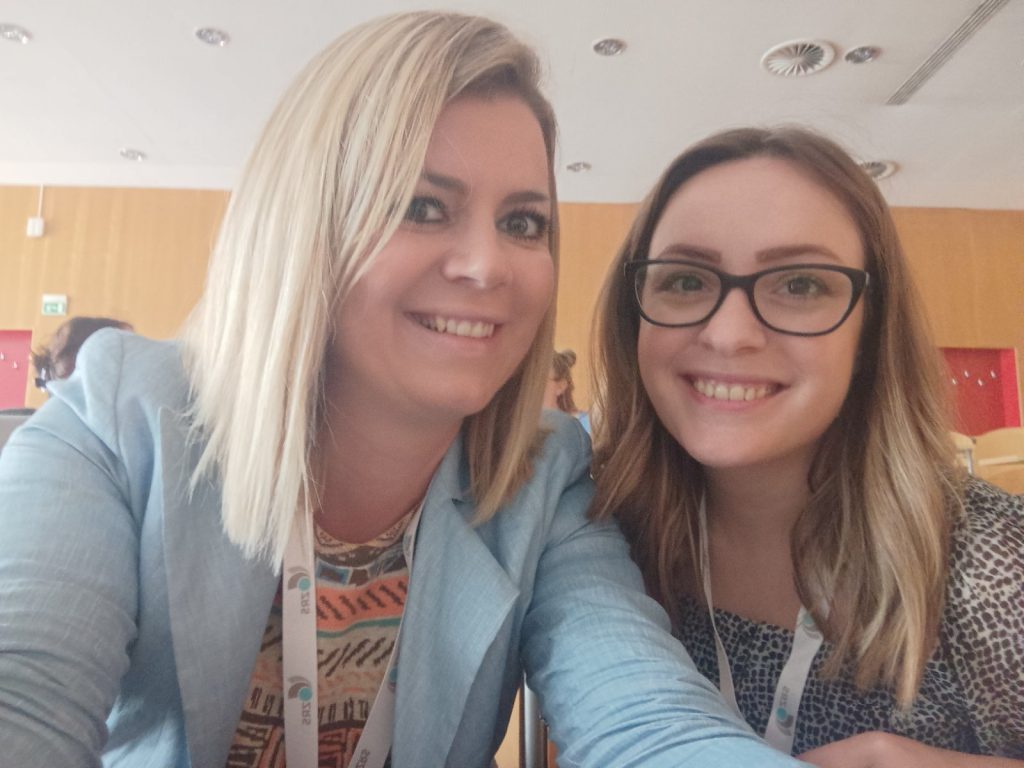
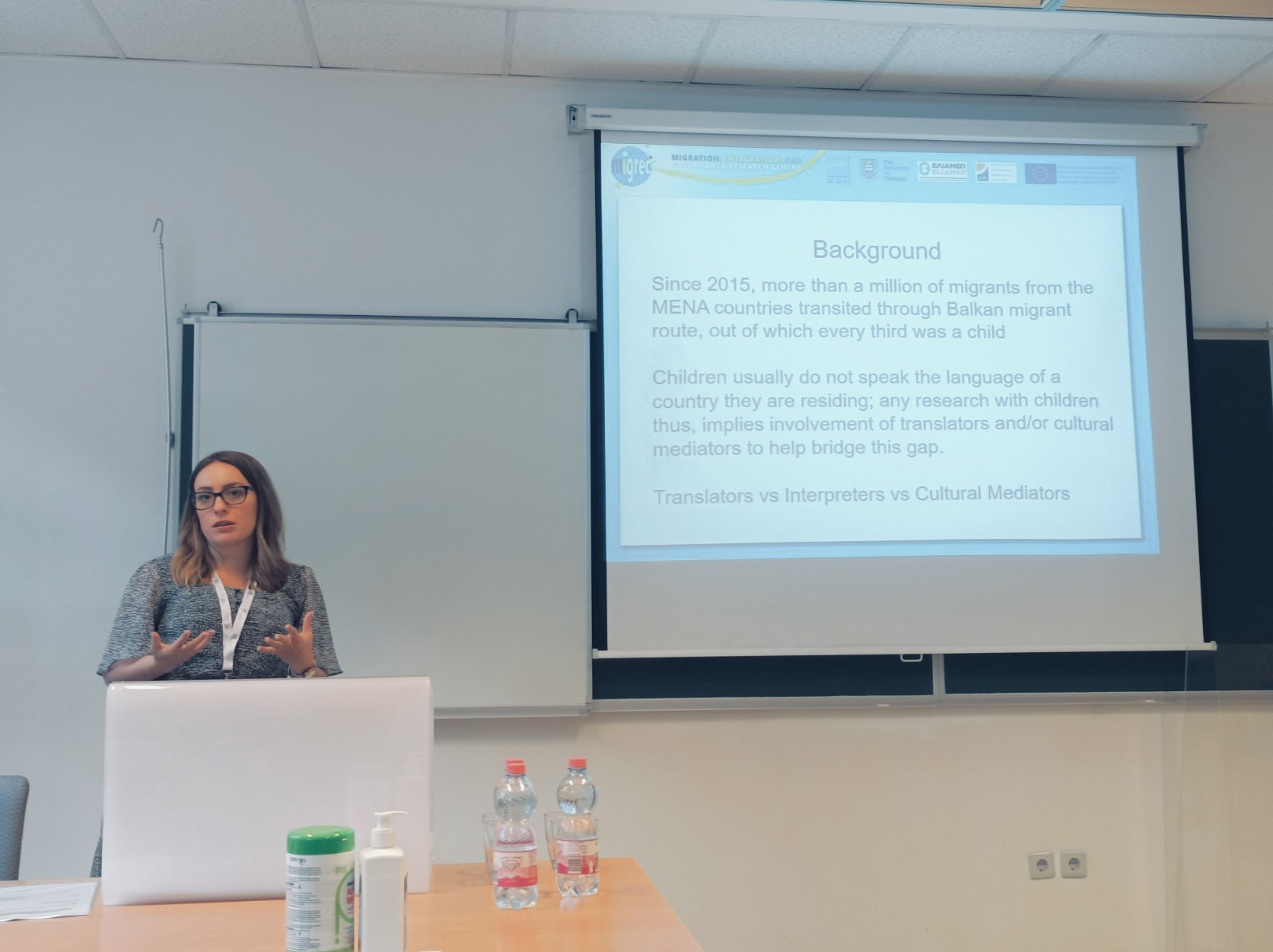
MIGREC members Professor Anita Burgund Isakov and Ass MA Violeta Markovic presented two papers. Professor Anita Burgund Isakov presented a paper “Consultations with migrant children – dilemmas on searching for the approach”, where she discussed participatory approaches, opportunities and pitfalls of doing research with children on the move. Ass MA Violeta Markovic presented the paper “Research with migrant children – challenges and opportunities of working with translators” where she discussed challenges and opportunities in the participation of translators and cultural mediators as co-researchers in the process of organizing consultation and research with migrant children.


MIGREC at the Conference CHILD MIGRATION AND INTEGRATION: TRENDS & CHALLENGES Read More »

MIGREC Winter School

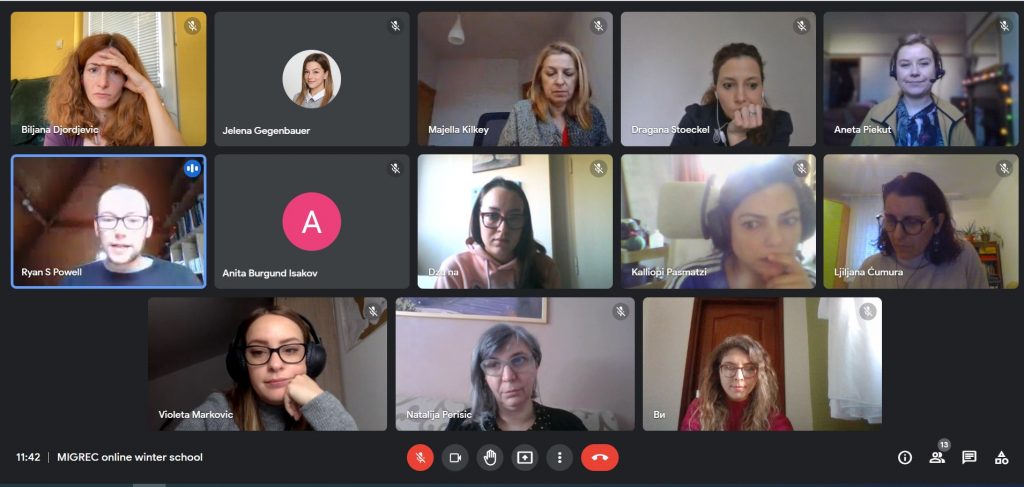
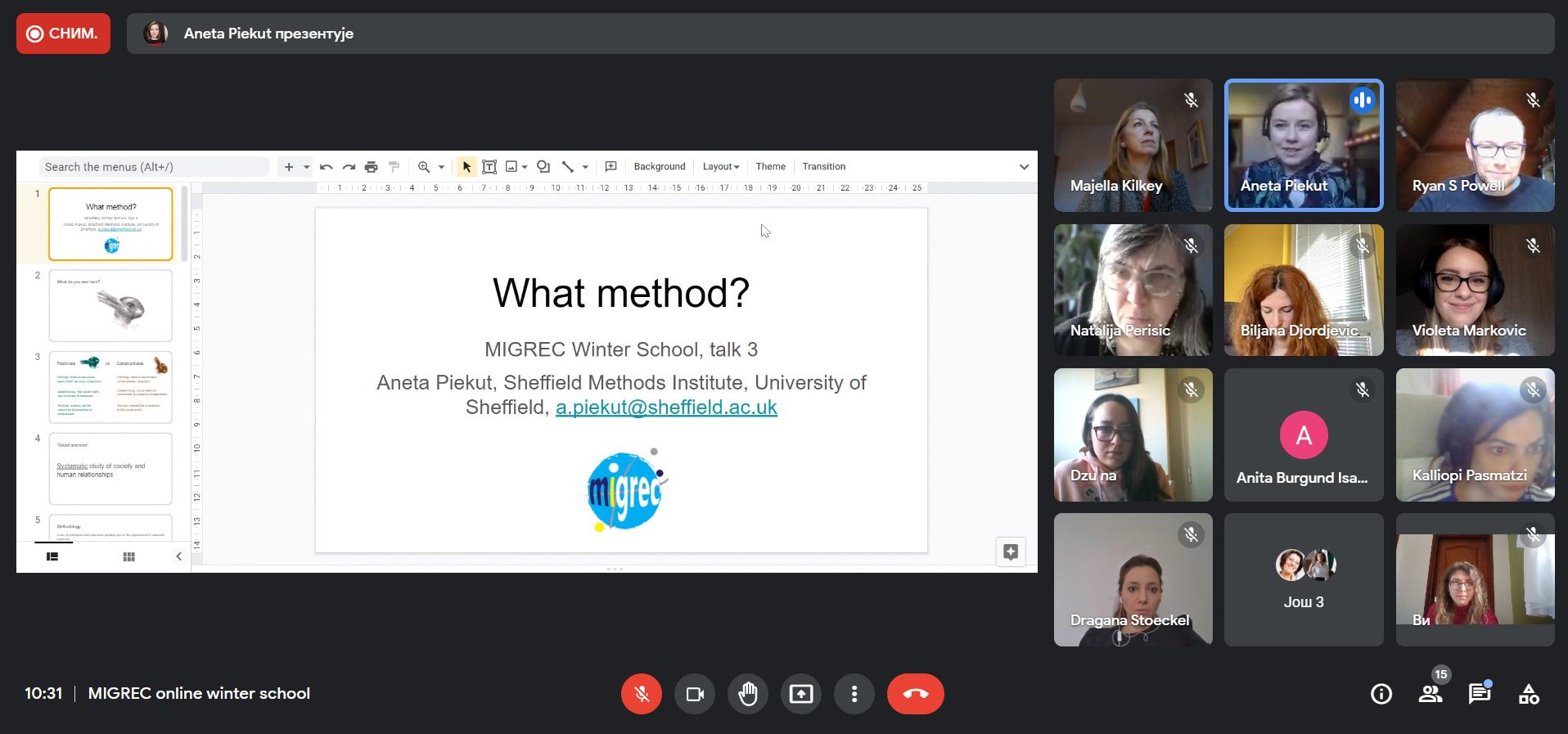
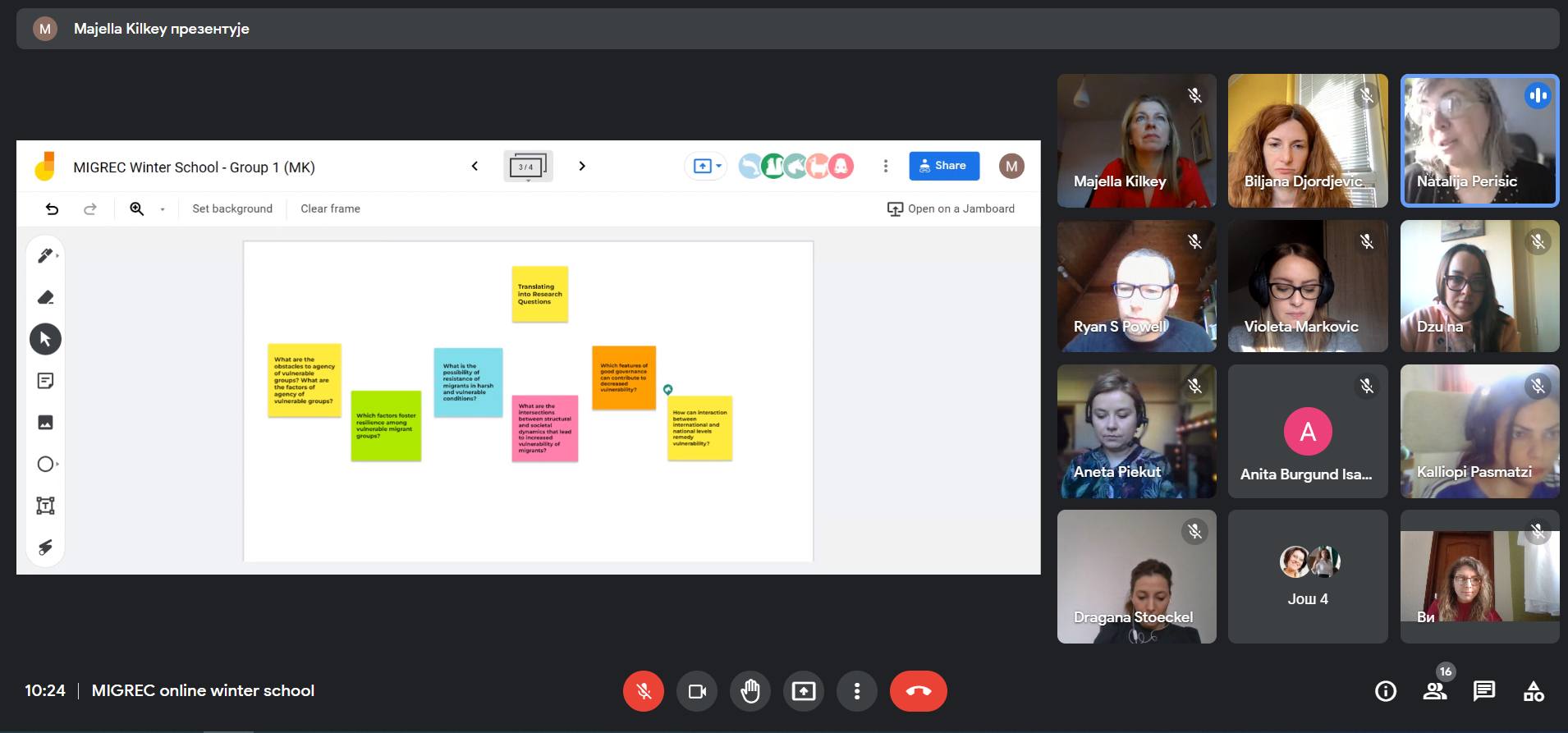
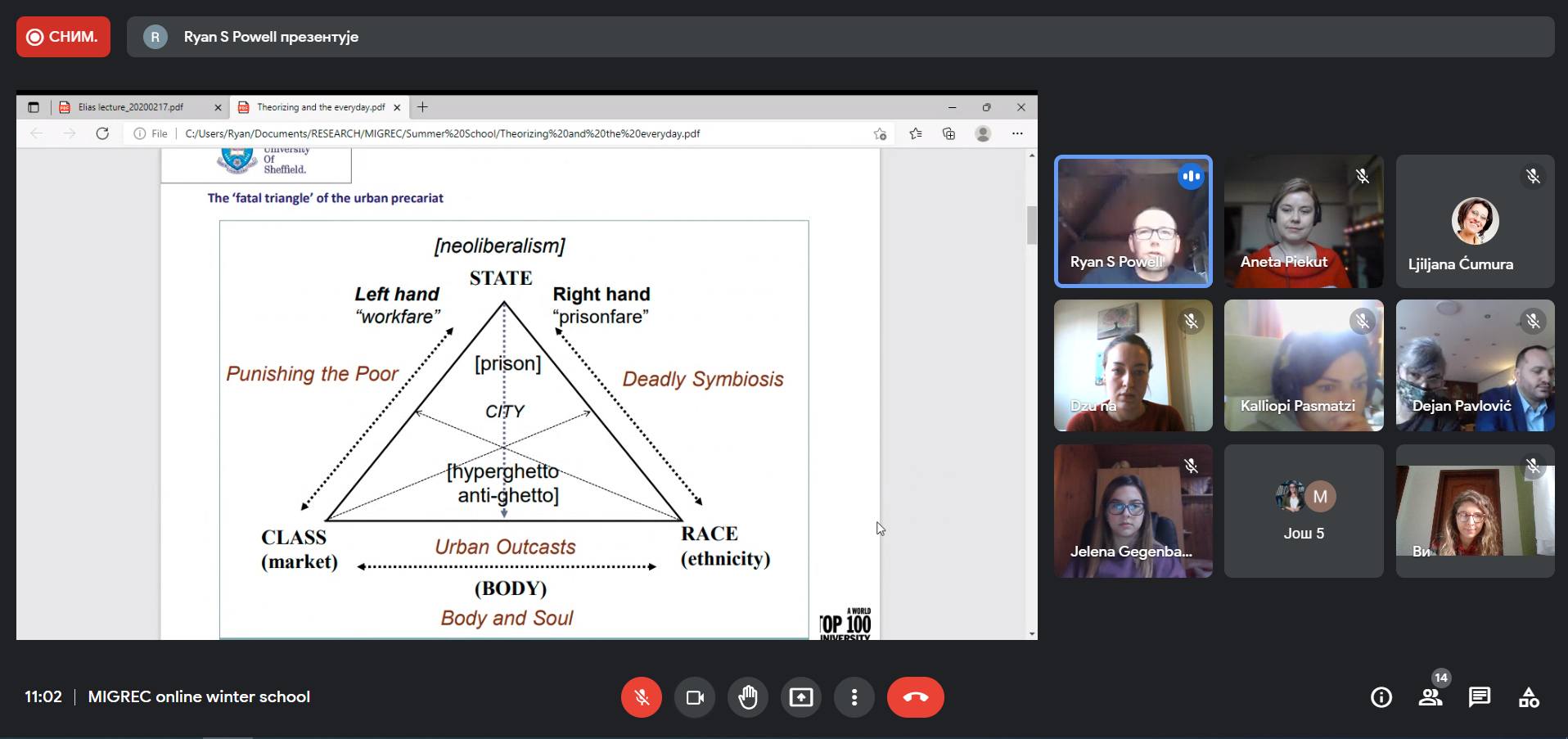
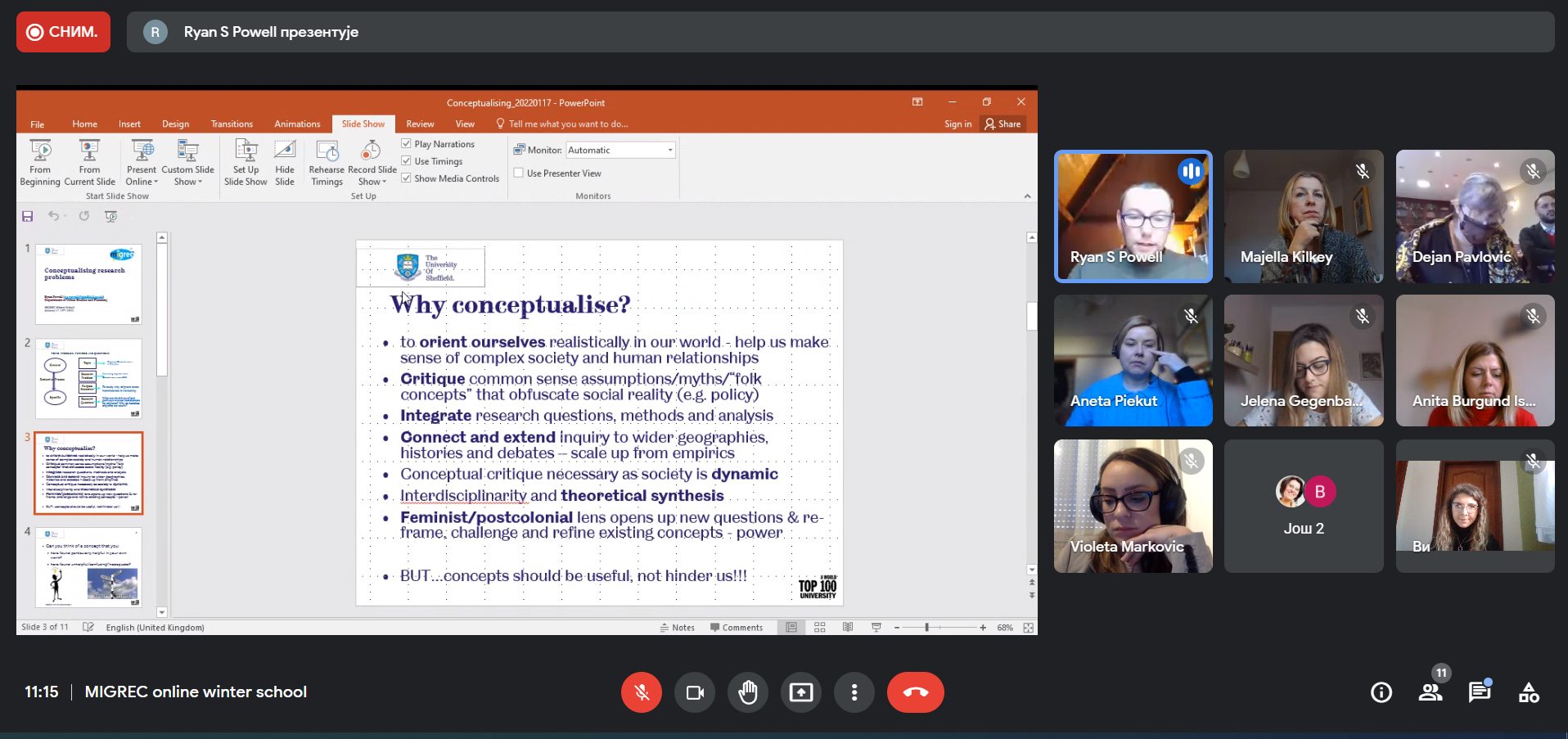
As part of the H2020 project Migration, Integration and Governance Research Center (MIGREC), the Winter School was successfully realized in online mode, in the period from January 17 to 19, 2022.

The Winter School was organized by the Migration Research Group from the University of Sheffield. Lecturers and discussants were Majella Kilkey, Aneta Piekut and Ryan Powell. Professors, assistants and PhD candidates from the University of Belgrade – Faculty of Political Science and Faculty of Geography participated in the work of the Winter School.

The School comprised of presentations followed by interactive activities in mini-groups and discussions on the conceptualization of research problems. The emphasis was on understanding the role of conceptualization in defining research problems, developing the ability to apply theoretical concepts in empirical studies, and critical understanding of different theorizations within migration studies.


MIGREC Winter School Read More »

MIGREC Seminar Series – Migration Development

The third set of workshops in the MIGREC series focused on the relationship between migration and development. Spanning from October to December 2021, the event featured seven speakers, from internationally acclaimed scholars to early career researchers and PhD students. The main attendees included scholars from a variety of institutions, including the University of Belgrade, ELIAMEP and SEERC, as well as scholars from other partner institutions who have a particular interest or expertise in this area. The Migration Development workshop was a valuable opportunity for researchers and academics to come together and share their insights and ideas on this important topic.

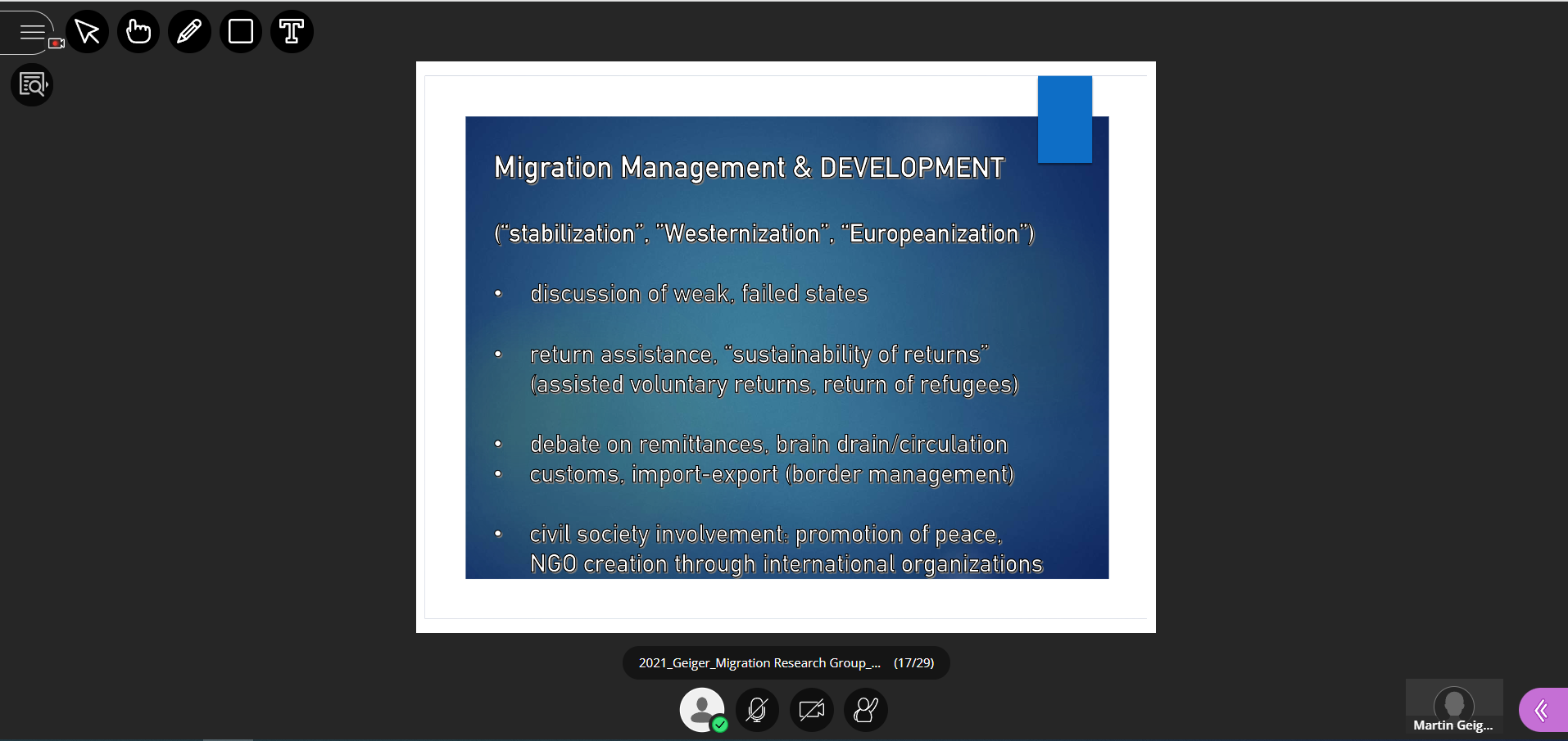
Martin Geiger, an Associate Professor of Politics of Human Migration and Mobility at Carleton University presented ‘The European Union, Russia, and International Organizations in Regional and Global Migration Management’. He spoke about the impact of the concept of migration management on the development of international politics, with a focus on Eastern and Southeastern Europe, the Western Balkans and the role of the EU, Russia and international organizations in these developments. He critically evaluated the outcomes of migration management activities in terms of development and integration.

Roda Madziva an Assistant Professor in the School of Sociology and Social Policy at the University of Nottingham presented ‘Diaspora investment and complex transnational care arrangements among diaspora women: A case study of Zimbabwean women living in the UK’. Her presentation focused on the engagement/involvement in transnational business creation and the dynamics of sustaining care arrangements in transnational spaces of Zimbabwean migrant women residing in the UK. In her presentation, she highlighted the influence of cultural and social factors on women’s participation in transnational activities and questioned traditional understandings of brain drain and care.

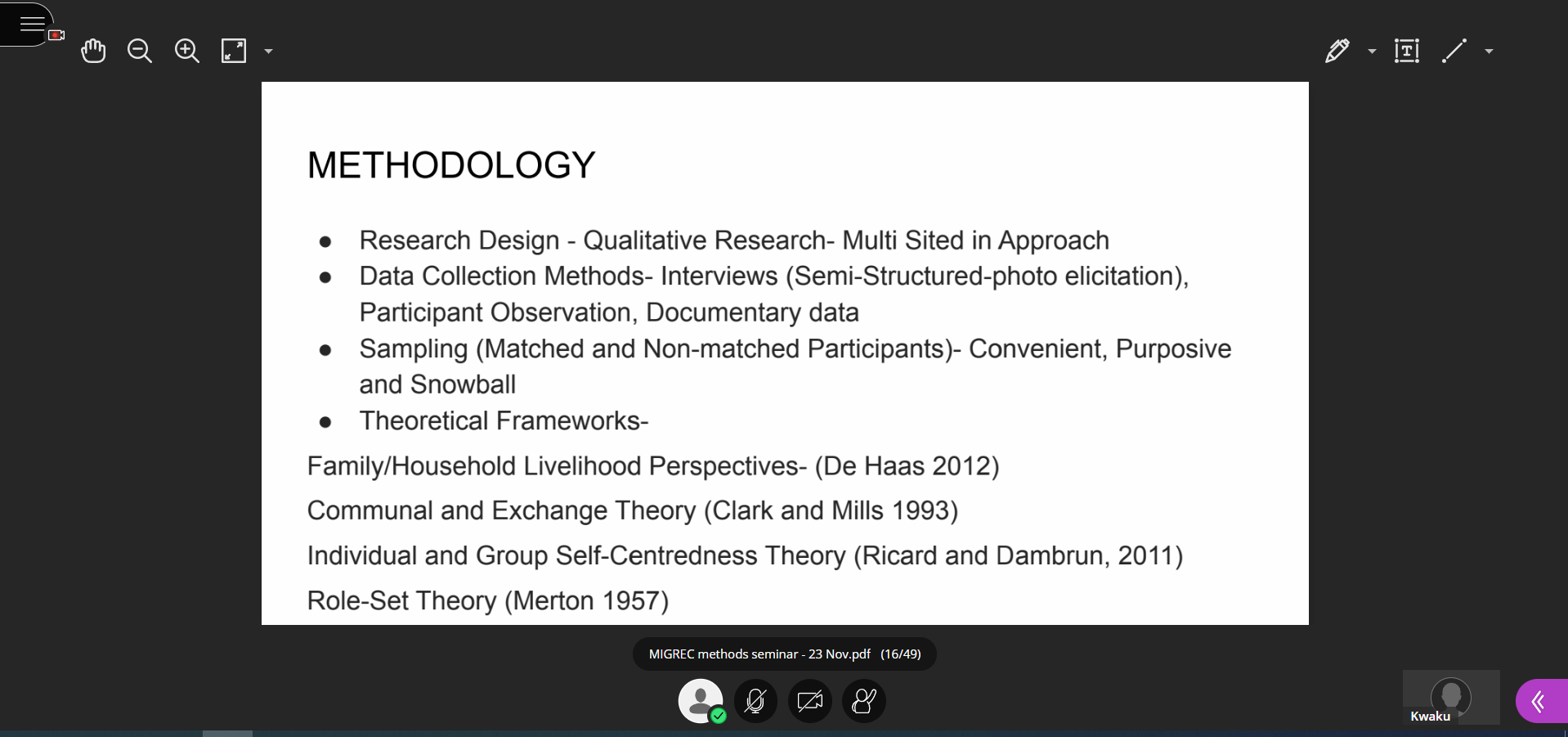
Kwaku Gyening Owusu a tutor in health and social care at the School of Applied Social Science, University of Bedfordshire, UK presented his study ’Migration and Development: Ghanaian Hometown Associations (HTAs) as Drivers of Welfare Development Back Home’. This study examined the impact of Ghanaian Hometown Associations (HTAs) on welfare development in their communities and other parts of Ghana. The findings suggest that HTAs have a positive impact on meso-level development in Ghana, with motivations including the well-being of left-behind families and community members.

Milica Todorović a PhD candidate and teaching assistant at the University of Belgrade, Faculty of Geography, Department of Human Geography presented ‘Return migration and reintegration in the context of the migration cycle in the Republic of Serbia’. She pointed out the need for more research on this topic in Serbia and discussed her doctoral dissertation, which aims to comprehensively investigate the process of voluntary return migration in the Republic of Serbia by examining all stages of the migration cycle of returnees and their reintegration process.

Dominika Pszczółkowska a political scientist and migration researcher at the Centre of Migration Research, University of Warsaw gave a lecture entitled ‘Researching the diaspora online and offline’. The presentation discussed the challenges and considerations of conducting qualitative research with diaspora members, both in person and online. Pszczółkowska drew on her experiences from two research projects, one focused on destination choice among Polish post-EU-accession migrants and the other on political and public participation of Poles in the Polish-Irish transnational space.

Obert Tawodzera a research fellow at the University of Birmingham presented ‘Shifting positionalities and power relations: theethical and emotional challenges of doing multi-sited research as a doctoral student’.  Based on his own experiences of conducting multi-sited research with Zimbabwean migrants in the UK and their overseas family members, Obert discussed the ethical and emotional challenges faced by doctoral researchers when conducting qualitative multi-sited research, specifically in regards to negotiating continuous access to participants living in different parts of the world.

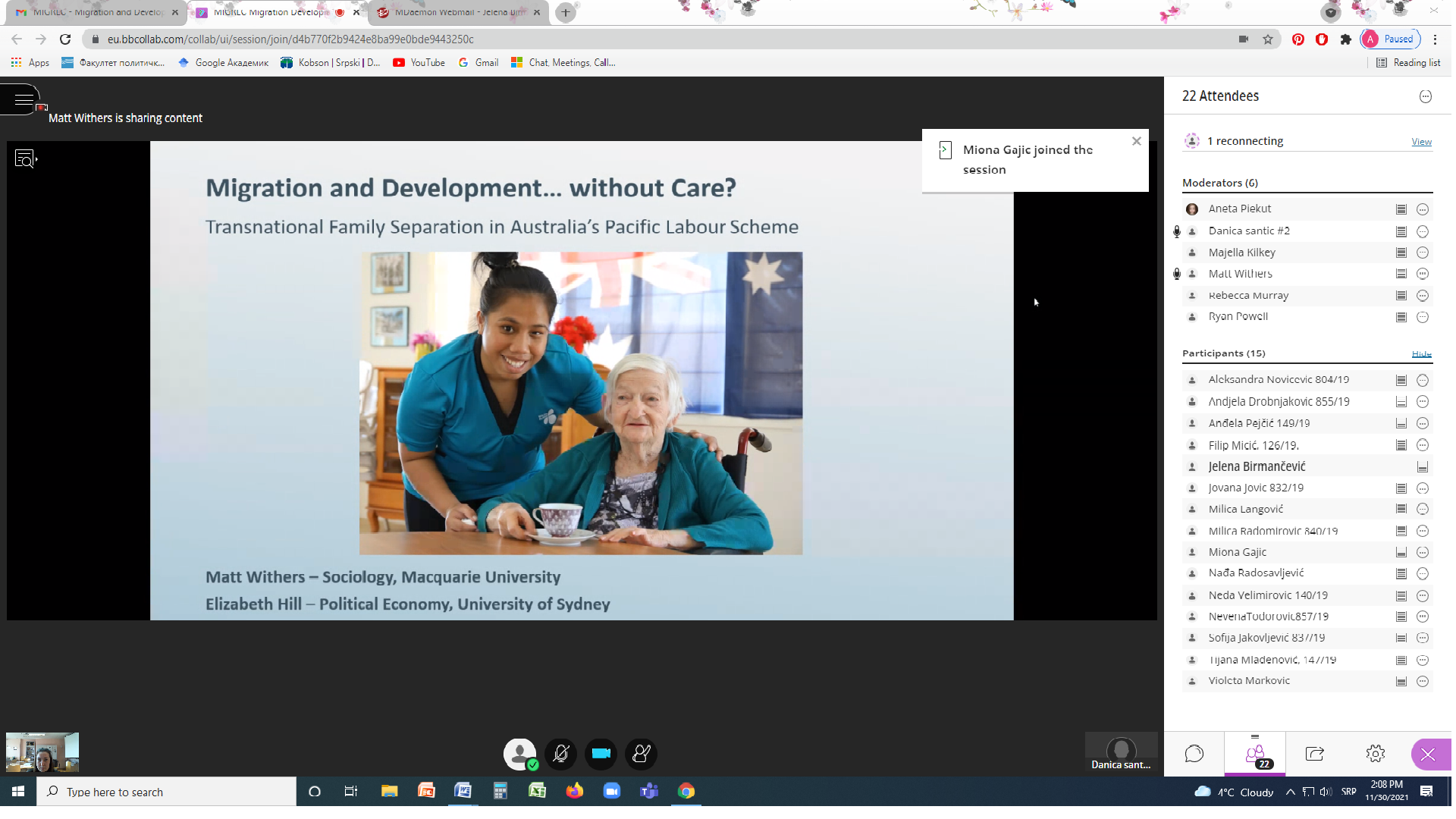
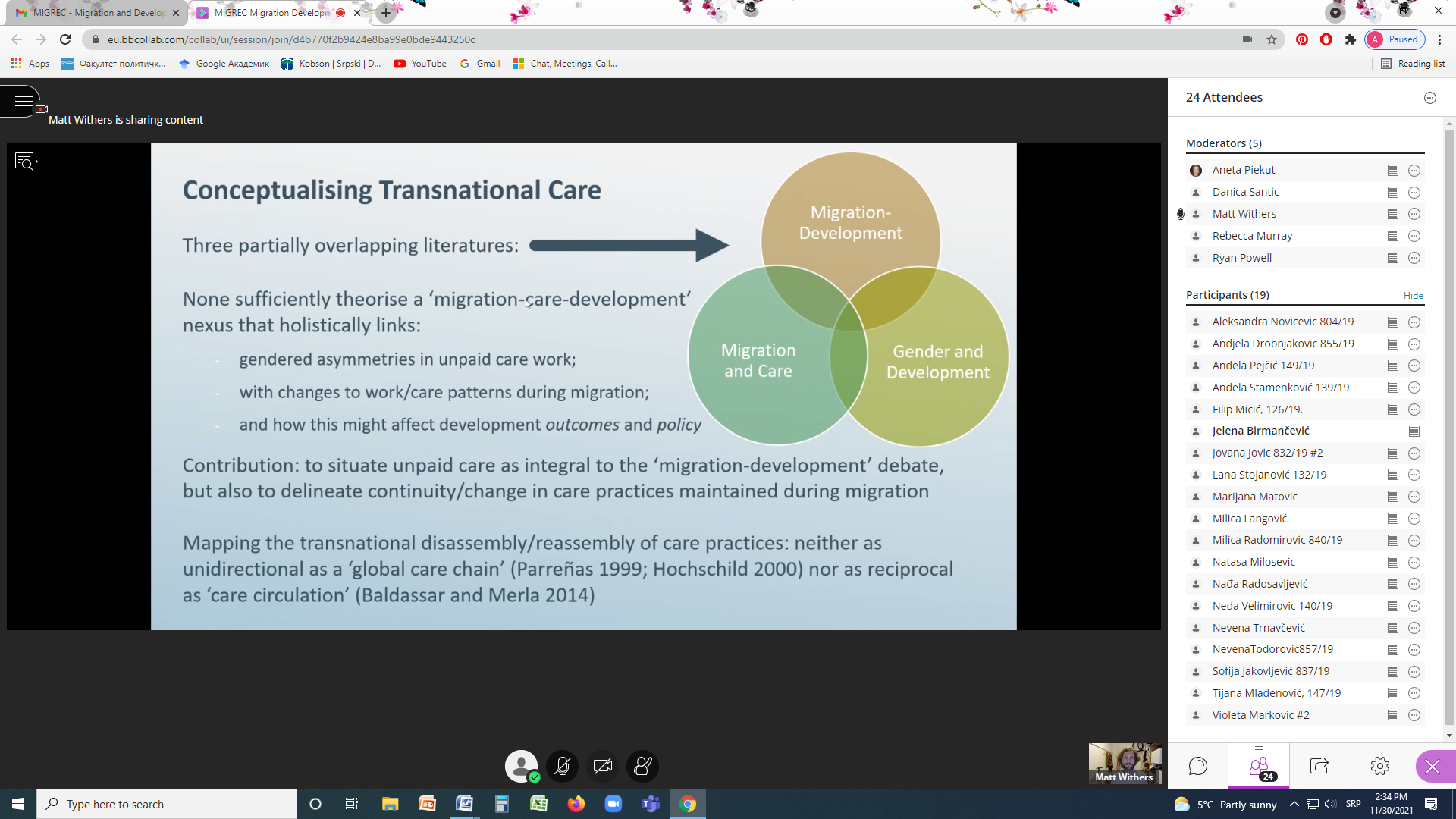
Matt Withers a research fellow within the Department of Sociology at Macquarie University presented ‘Migration and Development, without Care?’. His research paper highlighted the negative impacts of restrictive temporary labor migration schemes on families and communities in the Indo-Pacific region. The paper proposed a holistic migration-care-development nexus that prioritizes the identification, evaluation, and policy redress of unsustainable disruptions to care practices.

MIGREC Seminar Series – Migration Development Read More »

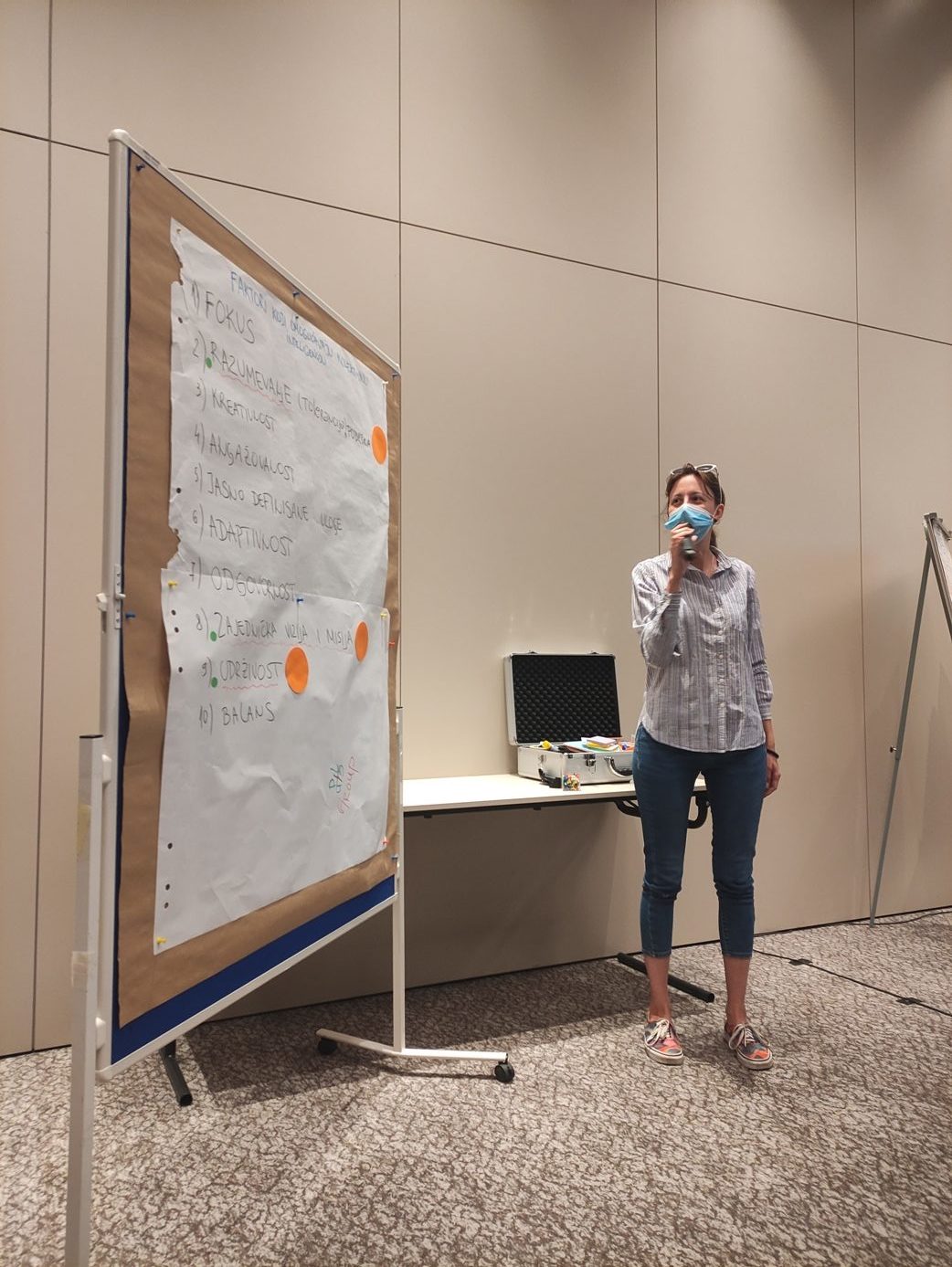
Collective Leadership Training

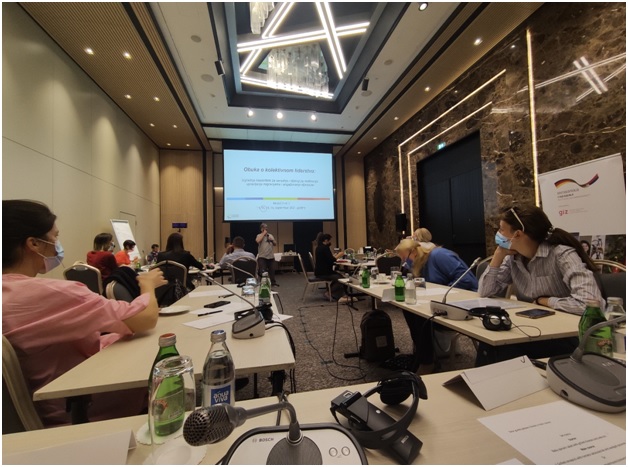
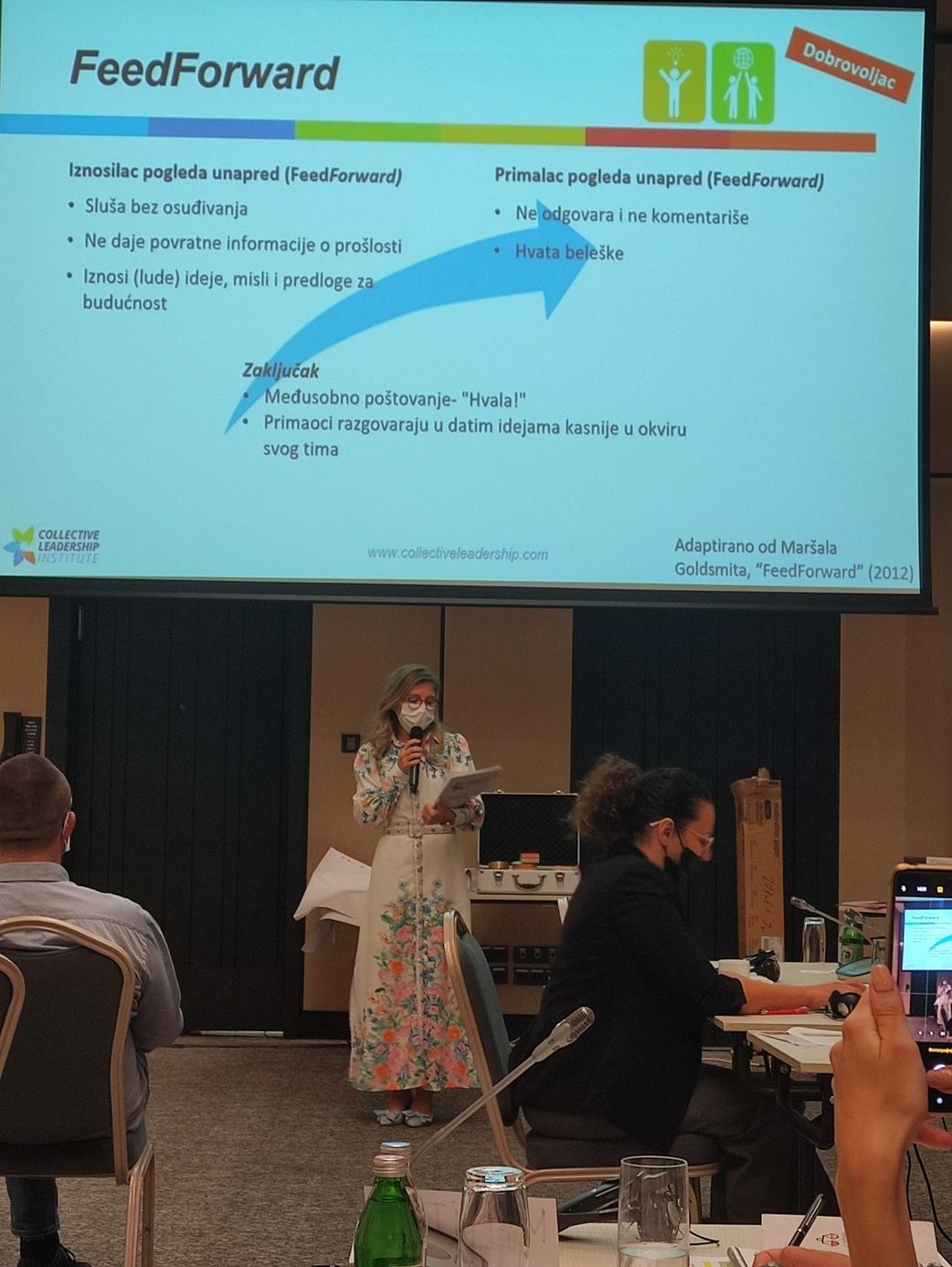
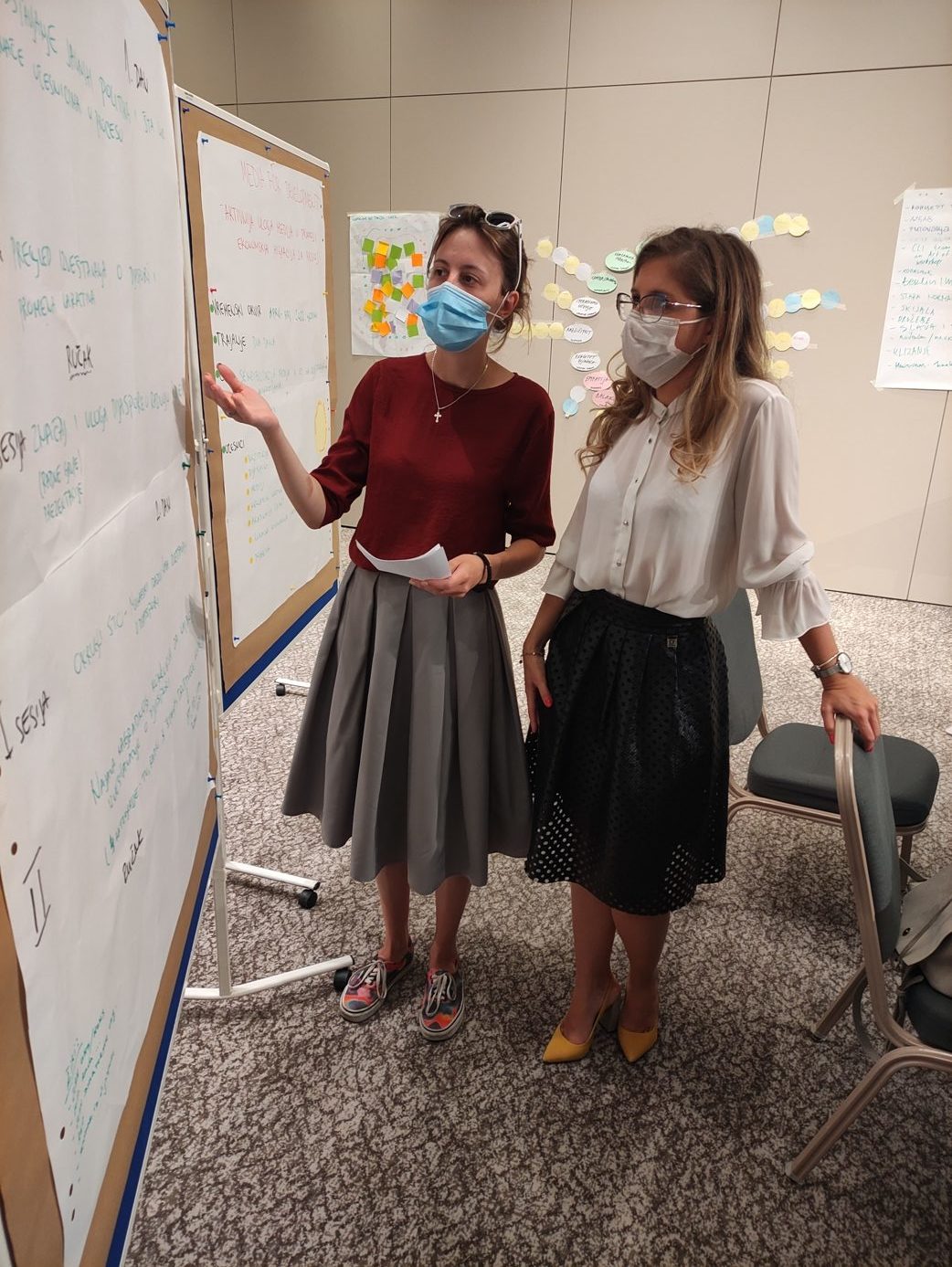
Danijela Pavlović and Nevena Radić obtained the Collective Leadership Expert certificates, thus joining the global community of exchange&learning-oriented practice. They attended an intensive leadership training course organized by the Programme for Migration and Diaspora (PMD) and carried out by the Collective Leadership Institute (CLI) from March to October 2021. In Serbia, this programme, funded by the German Federal Ministry of Economic Cooperation and Development, is implemented by GIZ, in cooperation with partner institutions. This expert and practical training presented the most recent tools and methodologies in the fields of collective leadership, cooperation among interested parties and alleviation of dialogue among several actors. The course was aimed at professionals working on migration and diaspora issues in public authorities, civil society organizations, private sector, academic community and other relevant organizations. Participants learnt how to use the leading CLI methodologies: Collective Leadership Compass and Dialogue Change Model.

These two methodologies were presented within the first two modules, whereas the participants were offered practical opportunities to apply them in their own change-implying initiatives. The Compass is a leadership tool which enables the user to analyse, diagnose and plan activities for balancing six dimensions of competences. The third model was meant for facilitation of skills for gathering of interested parties and carrying out the dialogue process through implementation both of the compass and of the dialogue change model. Upon completed training, participants obtain skills, knowledge and practical experience to continue – in a sustainable manner – to lead dialogues among larger number of actors, aimed at action in key issues in the fields of migration and diaspora in the future, for the sake of gaining long-term advantages for the citizens within the country borders and beyond them.

Collective Leadership Training Read More »

MIGREC at Royal Geographical Society Annual International Conference 2021

Annual International Conference of the Royal Geographical Society was held from August 31 to September 3, 2021 under the title “Borders, Borderland and Bordering” (https://www.rgs.org/research/annual-international-conference/attending-the-virtual-conference/). The main topics of the Conference were: What is the role of geography and geographers in producing knowledge and understanding about the multiple, multi-scalar and ceaselessly changing forms of environmental, physical, symbolic, smart/digital and invisible borders? How can geographers illuminate and creatively engage with borderlands? How can we interrogate the multiplicity of bordering technologies and practices? How are the disciplinary borders of geography itself being reified, challenged and reshaped in an academic environment that increasingly promotes trans-disciplinary research? What truly progressive ideas and research can geographers develop, what actions can we take and what alternatives can we propose that challenge those borders and bordering practices that control and confine?

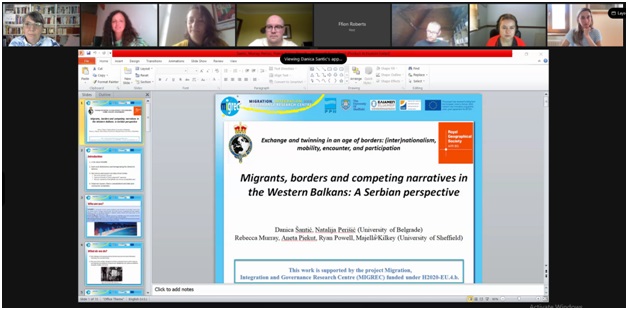
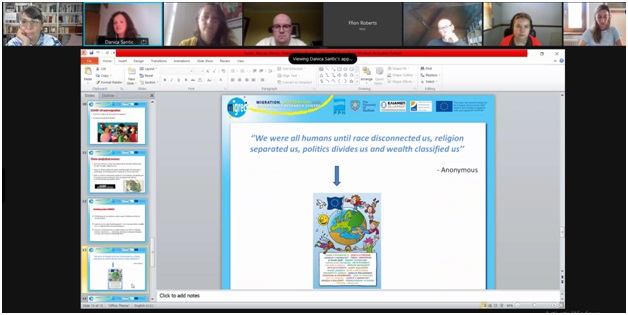
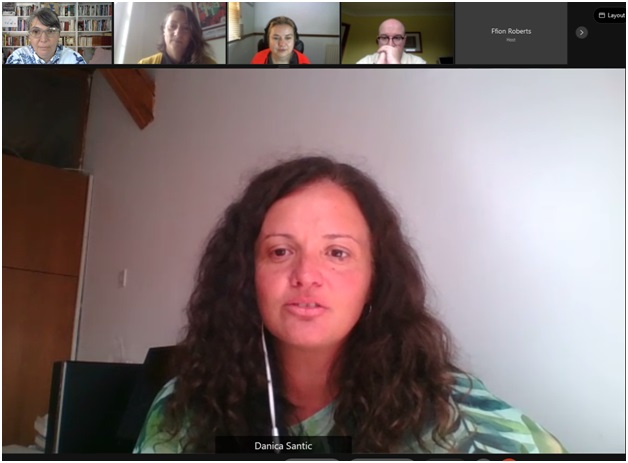
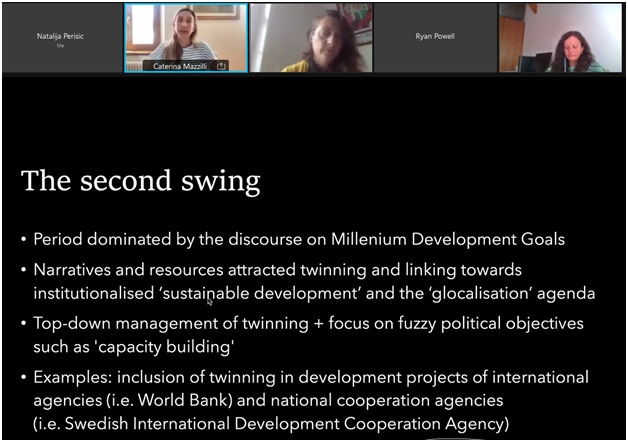
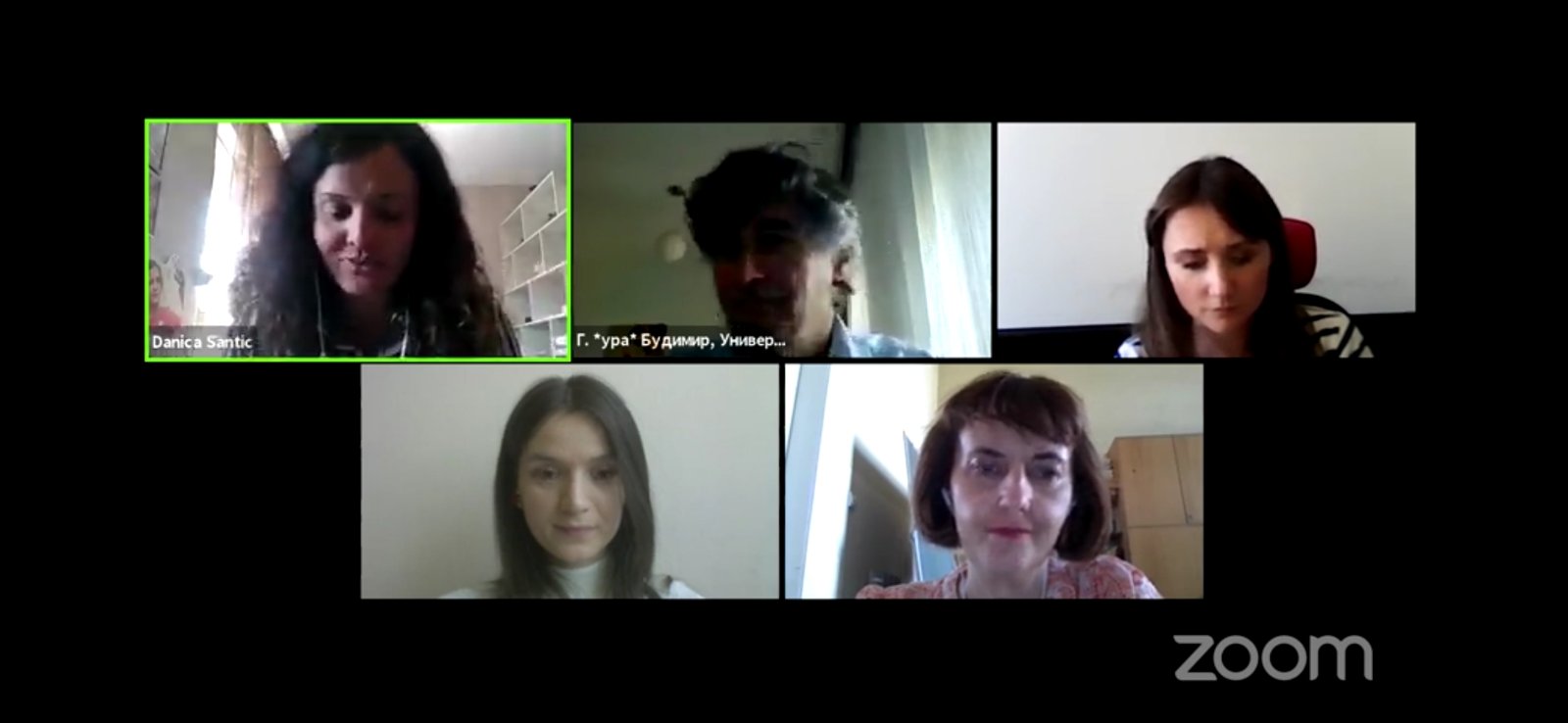
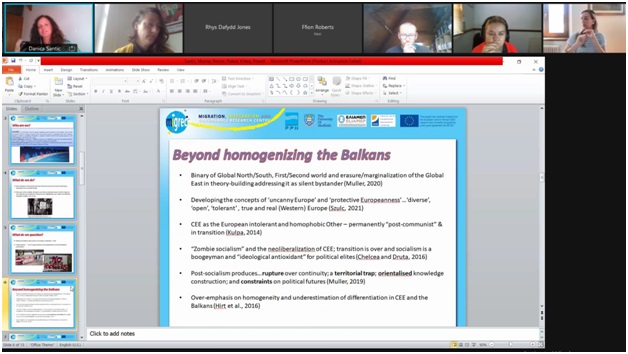
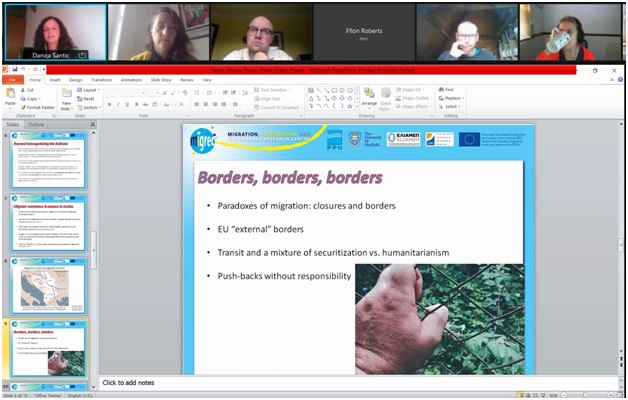
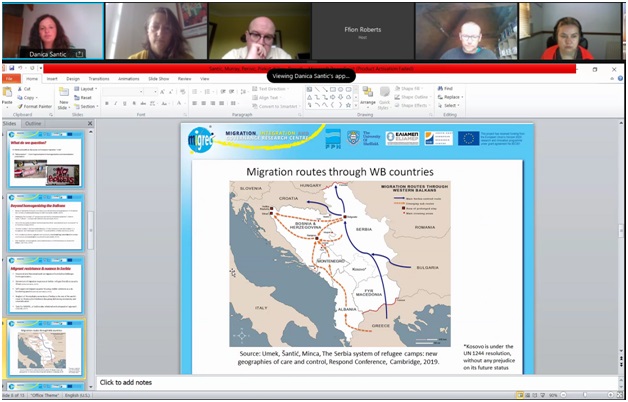
Prof. Dr. Danica Šantić from the University of Belgrade – Faculty of Geography presented on “Migrants, borders and competing narratives in the Western Balkans: A Serbian Perspective” in front of the MIGREC team which included also Natalija Perišić, Rebecca Murray, Ryan Powell and Majella Kilkey. MIGREC’s presentation was a part of the panel “Exchange and twinning in an age of borders: (inter)nationalism, mobility, encounter, and participation”.

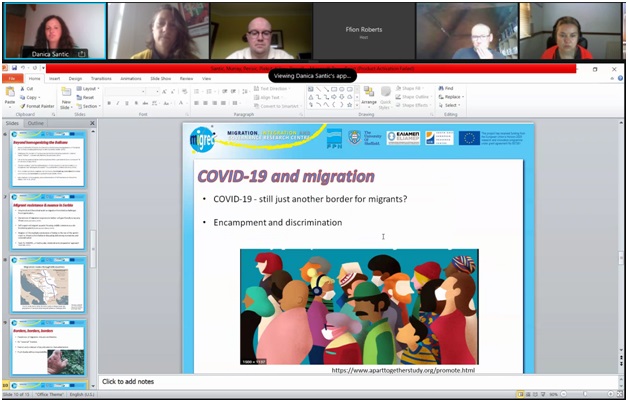
Prof. Šantić presented the main twinning ideas behind the MIGREC project, its aims, goals and activities as an overall framework. Drawing on insights from the project, she sought to place the western Balkans at the centre of debates which contribute to the disruption of east-west dichotomous thought through a migration lens.  Through a critical engagement with migration narratives in Serbia before and during COVID-19, Prof. Šantić presented three analytical moves: decentering Western Europe from these debates; capturing diversity within the region underlying logics and rationales in challenging the homogenisation of responses as “post-communist”; disrupting contemporary narratives of an intolerant, xenophobic and homogeneous post-communist “east” juxtaposed with a liberal, multicultural and cosmopolitan “west”.  Through international collaborative practice within the MIGREC, myths perpetuated by dichotomous and normative thinking by theorizing from and with Serbia were challenged.  The variable, divergent and often ambivalent ways in which migrants are positioned and governed, highlighting care and solidarity alongside hostility and racism (just as in “western Europe”) were nuanced. This revealed a far more dynamic, complex and variegated context in refuting a standardized and static post-communist xenophobia – one that is shown to be produced relationally and in opposition to an imagined, tolerant European civility as the self-image of the west.


MIGREC at Royal Geographical Society Annual International Conference 2021 Read More »

MIGREC’s second Publishing Seminar a success

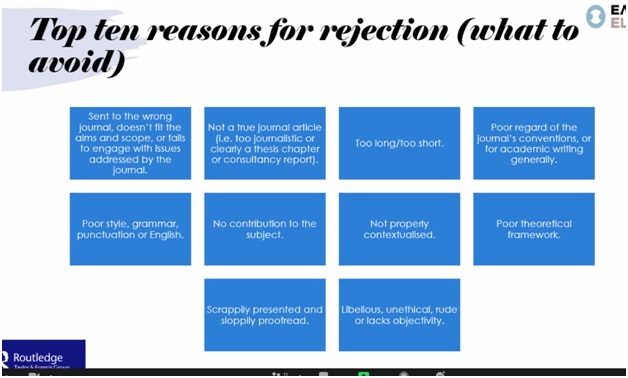
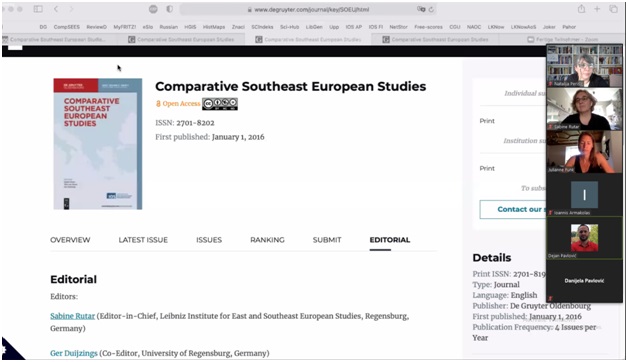
In June 2021 the MIGREC project held its second Publishing Seminar on the theme ‘Publish or Perish: publishing internationally’. The seminar was led by ELIAMEP team members of MIGREC, Dr. Ioannis Armakolas and Dr. Julianne Funk, who are also editors of the journal Southeast European and Black Sea Studies” (SEEBSS). The three sessions of the seminar were held online and attended mostly by University of Belgrade MA students, PhD candidates and professors, but also other MIGREC team members from ELIAMEP and SEERC. The goal of the seminar was to grow participants’ capacities to produce more appealing research outputs for prominent international scientific journals.

Guest speaker at the first session was Giulia Guariento, Portfolio Manager – Area Studies, Taylor & Francis Group, who focused on journal ranking and impact factor. Guariento elaborated on two main topics: the relevancy of the impact factor and journal ranking and the benefits and disadvantages of the metric and exploring alternatives. The session aimed at helping early career researchers to avoid common pitfalls during the publication process. It covered basic dos and don’ts and publication best practice checklists.
The second session featured Dr. Sabine Rutar, an Editor-in-Chief of “Comparative Southeast European Studies” and concentrated around open access (OA). The session was devoted to the discussion of the pros and cons of open access publishing. Dr. Rutar shared her experience and advice as an editor of international open access journal where participants may want to publish in future.

The third session of the seminar featured Madeleine Hatfield, Founder and Editor of Yellowback with the presentation “Being peer reviewed and becoming a peer reviewer”. This session considered how the journal peer review process works what to expect and do when you receive peer reviews on your work, why you would want to do a peer review yourself and how to become a peer reviewer.


MIGREC’s second Publishing Seminar a success Read More »

Conference “Strengthening of Cooperation with Business Diaspora”

Members of the MIGREC team Danica Šantić and Milica Todorović participated at the conference “Strengthening of Cooperation with Business Diaspora in Austria, Switzerland and Germany” organized by the Link Up! Serbia II Project, financed by the Austrian Development Agency (ADA), through funds of the Austrian Development Cooperation (ADC), and implemented by the International Centre for Migration Policy Development (ICMPD). The conference was held from June 16 to 18, 2021.

The conference was aimed at presenting results of the first year of the Link Up! Serbia II Project implementation, discussion of new modes of cooperation being developed between business diaspora and local self-governments and MFA in Serbia and the new Diaspora Business Hub, online platform – Business Atlas for Diaspora and Serbia. The discussion also included other topics related to enhancing cooperation with diaspora in the German-speaking countries. The list of participants included representatives of the Government of the Republic of Serbia, several embassies in Belgrade, higher educational institutions, media, local self-governments and business diaspora.

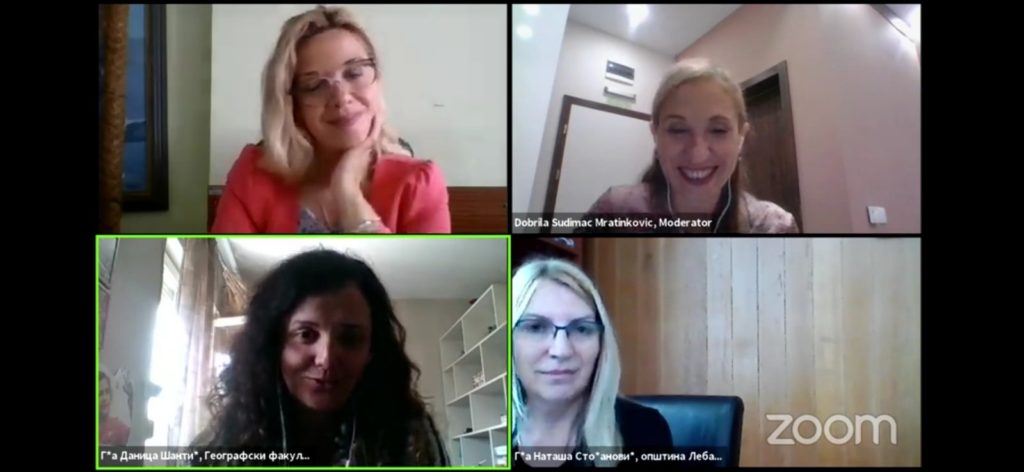
Prof. Danica Šantić participated as a moderator, whereas Milica Todorović, MA, was one of the panellist at the session devoted to steps for improving grants for successful realization of diaspora potentials. Participants at the session discussed projects and grant support schemes in the context of successful realization of diaspora potential, limits or challenges to its achievement and possibilities to overcome them. One of the session’s topic was how to lay the foundation or, if such foundation already exists, how to “scale up” the cooperation for yielding significant changes in broader eco-system in Serbia.

Prof. Danica Šantić also participated in the session dealing with business and research as developmental format of Diaspora Days. Within this session, the participants discussed important topics of cooperation with diaspora and challenges and obstacles at local and regional levels. The significance of the Diaspora Days was stressed as an opportunity and occasion for professional and academic communities from Serbia and diaspora to gather at an academic conference in order to offer ideas and solutions for all challenges accompanying local development.


Conference “Strengthening of Cooperation with Business Diaspora” Read More »

MIGREC at the conference „Innovation and Resilience“

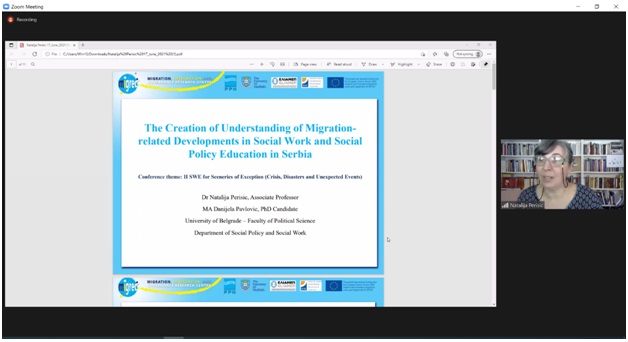
Members of the MIGREC team, Natalija Perišić and Danijela Pavlović, participated on June 17, 2021 at the conference „Innovation and Resilience: Preparedness of Social Work Education in Uncertain Times“ organized by the European Association of Schools of Social Work and the University of Tallinn with presentation „The Creation of Understanding of Migration-related Developments in Social Work and Social Policy Education in Serbia“.

The conference was structures around six topics:

  1. Lifespan and Social Work in an Era of Innovation
  2. Social Work Education for Sceneries of Exception (Crises, Disasters and Unexpected Events)
  3. Post-Traumatic Approaches in Social Work
  4. Innovative Social Work Teaching Practices Involving Service Users
  5. Innovative Skills for Social Work Practice with Distressed Groups: Migrants, Refugees, War and Conflict Victims and Health Crises Victims
  6. Social Work Ethics in Times of Uncertainty: Balancing Innovation and Tradition

Professor Perišić showed that the influence of various kinds of migration on Serbian society was deep. She pointed out that the migration trends were diverse: forced and voluntary, regular and irregular, internal and external. It is reasonable to expect that all this will be enhanced in near future. As the result, she mentioned the necessity for stronger support to vulnerable population and the need for reshaping the developmental concept of the society. Her presentation focused on the impact of the MIGREC project on emerging understanding of migration-related developments in education for social work and social policy in Serbia.

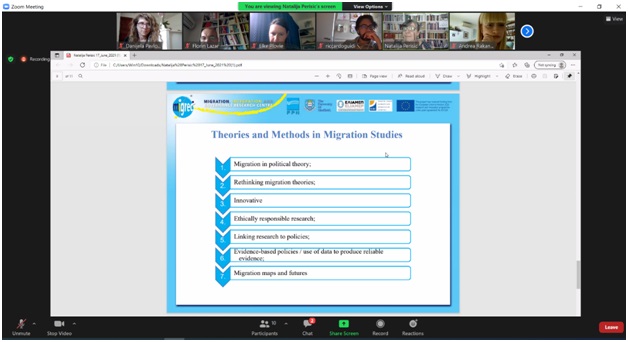
In addition, the presentation contained the thematic fields of the project: integration of migrants, migration governance, development and migration nexus, theories and methods in migration studies and knowledge, discourses and representation of migrants. Prof. Perišić pointed out that researching each of the thematic fields and putting them within the research centre to be developed within the project would lead to development of theoretical, practical and political knowledge and understanding of importance for education in social work and social policy at the doctoral studies level.


MIGREC at the conference „Innovation and Resilience“ Read More »

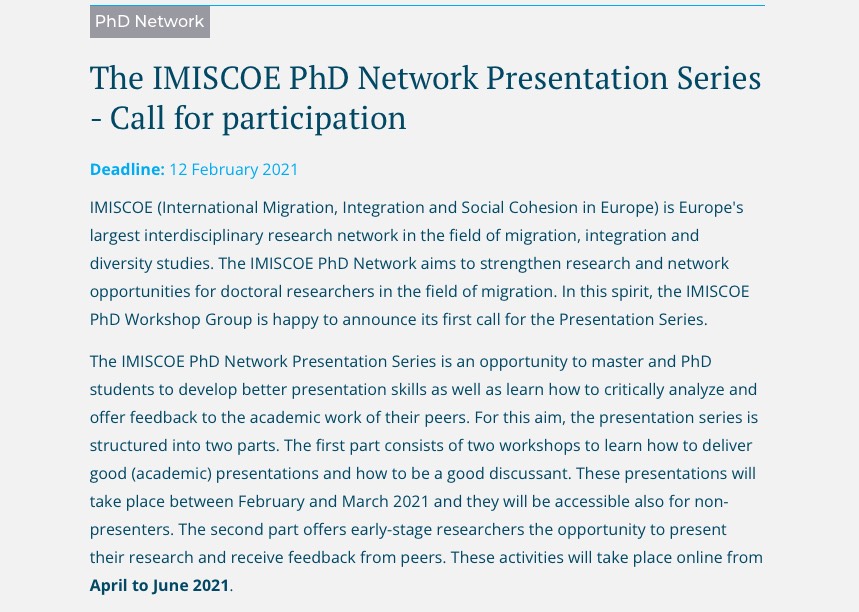
IMISCOE PhD Network Presentation Series

A member of the MIGREC team participated in the IMISCOE PhD Presentation Series which was held during April, May and June 2021. This Presentation series was focused on PhD students and young researchers, with the aim to develop better presentation skills as well as learn how to critically analyze and offer feedback to the academic work of their peers. The presentation series was structured in two parts: it started with lectures for PhD candidates and young researchers on how to deliver good presentations and how to participate in the discussion; the second part consisted of young researchers and PhD students presenting their work and getting feedback from their peers and professors.

Violeta Marković, PhD candidate at the Faculty of Political Science of the University of Belgrade participated in both parts of this Presentation series. In the second part she presented her PhD proposal on June 15, 2021 as part of the Children and Migration series. Her presentation was on Child labor among unaccompanied and separated children refugees and migrants on their journey from countries of origin to the Republic of Serbia. She pointed out that the risk of children being exposed to child labour abuse is high, given that migration itself contains all those elements that are otherwise defined as risks of children being exposed to this type of abuse: poverty, irregular school attendance, parental unemployment, etc. Based on three theoretical approaches: child protection, advocacy and resilience, the objective of this research was to determine and systematize the characteristics of child labour and the experiences of unaccompanied and separated children with protection systems mandated to protect children from child labour on their journey from the country of origin to the Republic of Serbia and in Serbia. She pointed out that in order to do this, she will be using a mixed research design, combining qualitative and quantitative research methods. The data in the research will be collected in two ways – through a questionnaire with social protection professionals and focus groups and interviews with stakeholders and unaccompanied and separated children and youth. She is hoping for the research to have a wider impact on society, practice of protection of children and that new scientific knowledge will provide basis to improve the protection of children affected by child labour abuse, especially in transit countries.

IMISCOE PhD Network Presentation Series Read More »

Course on Protection of Children Affected by Mixed Migration launched at the FPN

The Faculty of Political Science, University of Belgrade, in cooperation with the UNICEF Serbia and with financial support of the U.S. government, presented a new course – Protection of Children Affected by Mixed Migration.

The course was developed in accordance with global standards and knowledge developed in response to refugee and migrant crisis and is based on experiences of national stakeholders. It is aimed at further enhancement of child protection system in Serbia in order to address vulnerabilities emerging in the context of migration.

Professors Nevenka Žegarac and Natalija Perišić, Assistant Professors Anita Burgund Isakov and Katarina Lončarević and Associate Violeta Marković all participate in drafting and carrying out of the course.

On 3/11/2020, the course was launched at the webinar with following speakers: Prof. Dragan R. Simić, Dean of the Faculty of Political Science, Deyana Kostadinova, UNICEF Representative in Serbia, Ivan Gerginov, Assistant Commissioner in the Commissariat for Refugees and Migration of the Republic of Serbia, Slađana Čabrić, Assistant Minister for labor, employment, veteran and social issues and Prof. Nevenka Žegarac.

Protection of Children Affected by Mixed Migration is a multidisciplinary course aimed at enhancing capacities of students and professionals working with children affected by migration. It will be piloted during the winter semester of the academic year 2020/ 2021, with the vision to become accredited and remain a permanent course in the academic offer of the Faculty of Political Science, for students of social work, political science, communication studies, gender and cultural studies in the coming years.

The contents of the course encompasses eight topics: rights-based approach in work with migrant children and child protection framework; main principles in protection of children affected by mixed migration; identification of children affected by mixed migration and organization of initial response; gender and vulnerability; gender-based violence and migration; guidelines for case management in protection of migrant children; unaccompanied children and separated children; alternative care and sustainable solutions.

The announcement of the course at the TV RTS 1 morning programme can be seen here:

http://streaming.ninamedia.rs/uploads/dtmp4.php?src=/2020/11/05/6E3CCD9C-915C-4644-A41A-B5D895FCEF5C


Course on Protection of Children Affected by Mixed Migration launched at the FPN Read More »