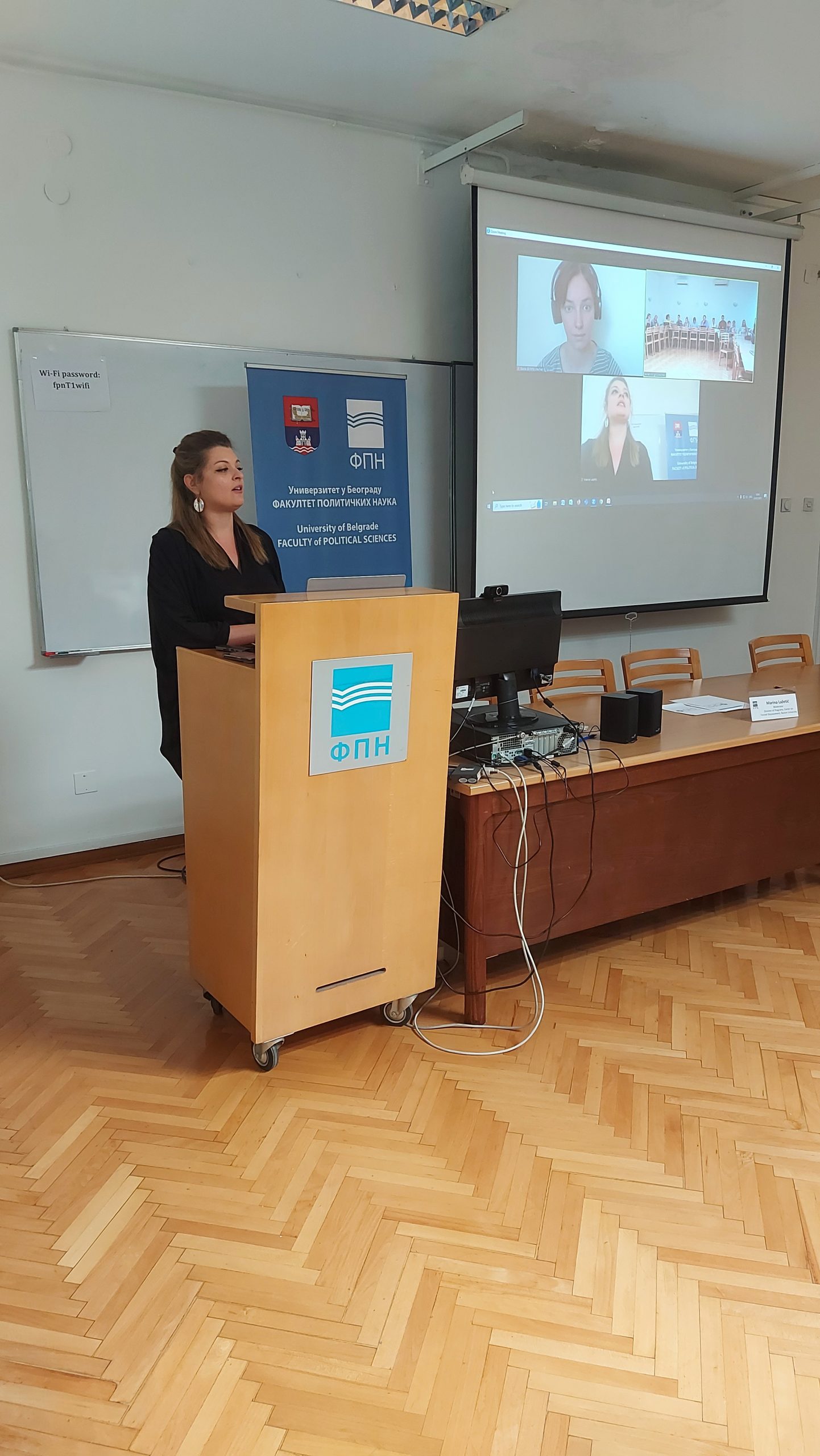
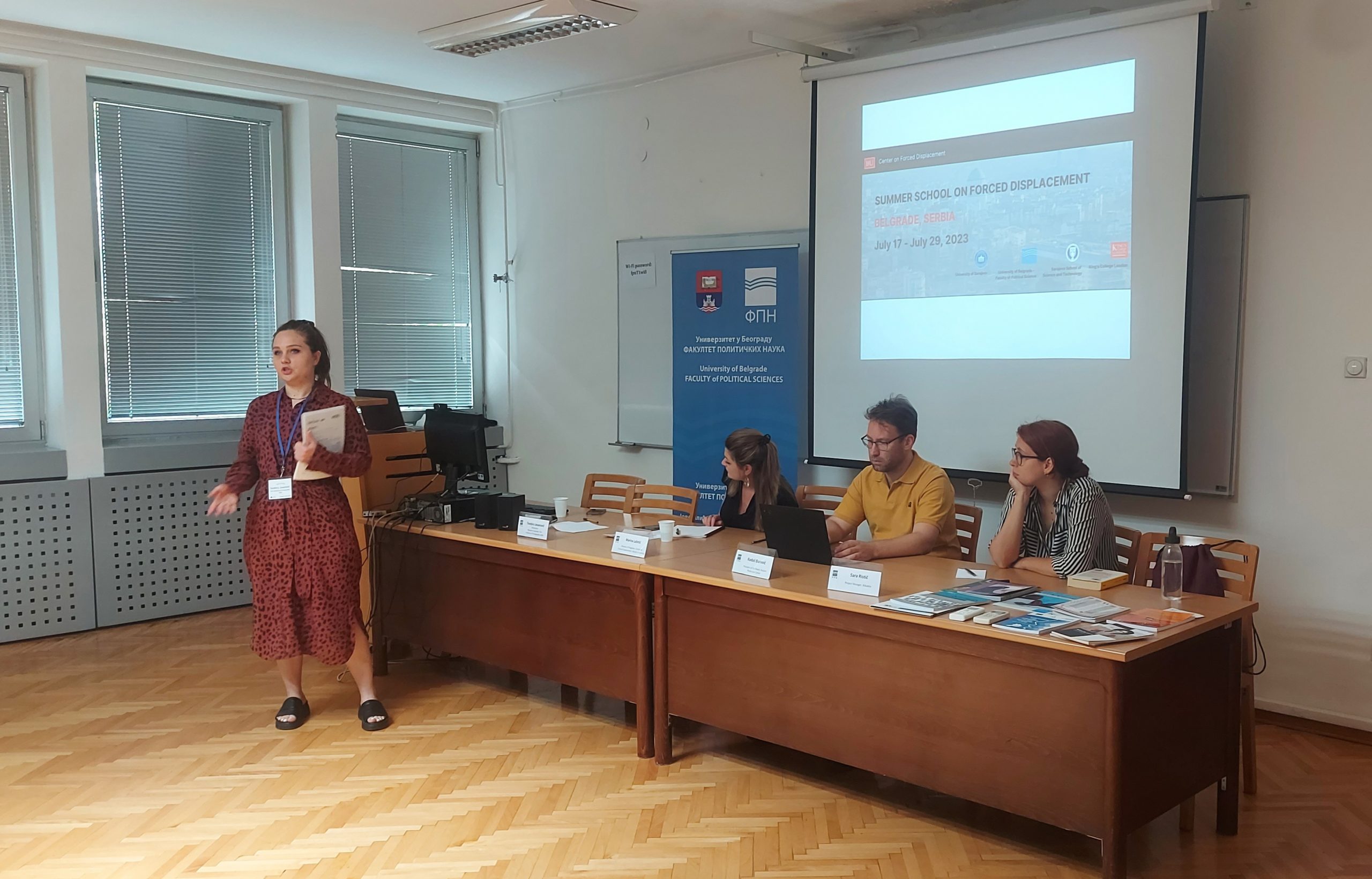
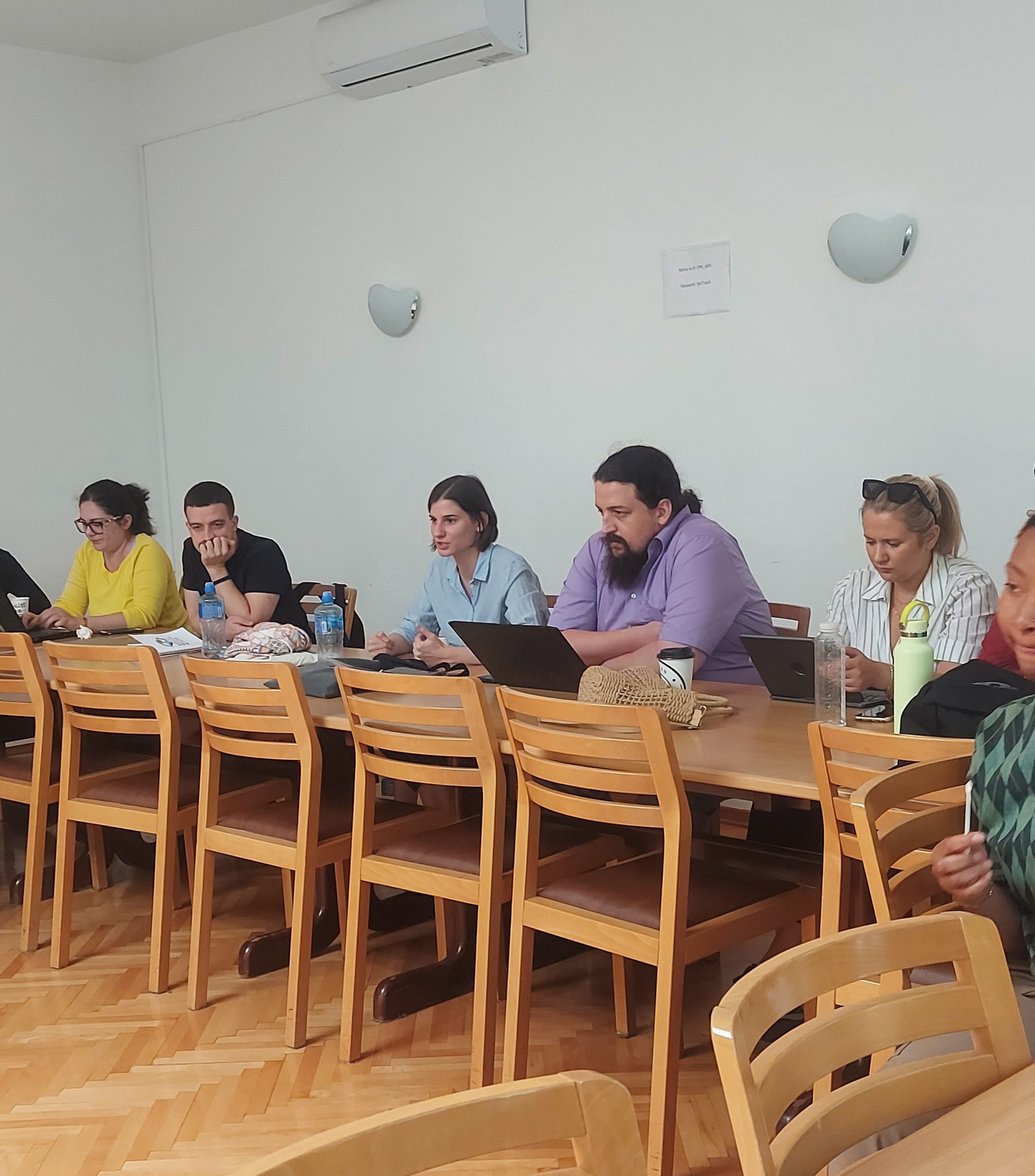
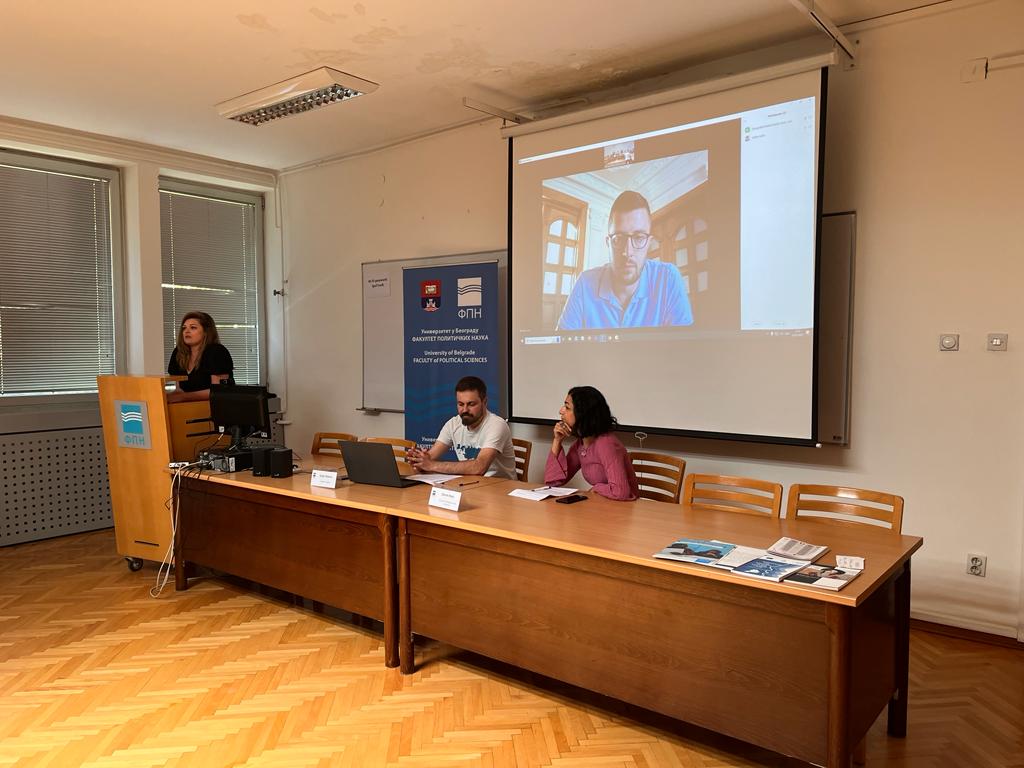
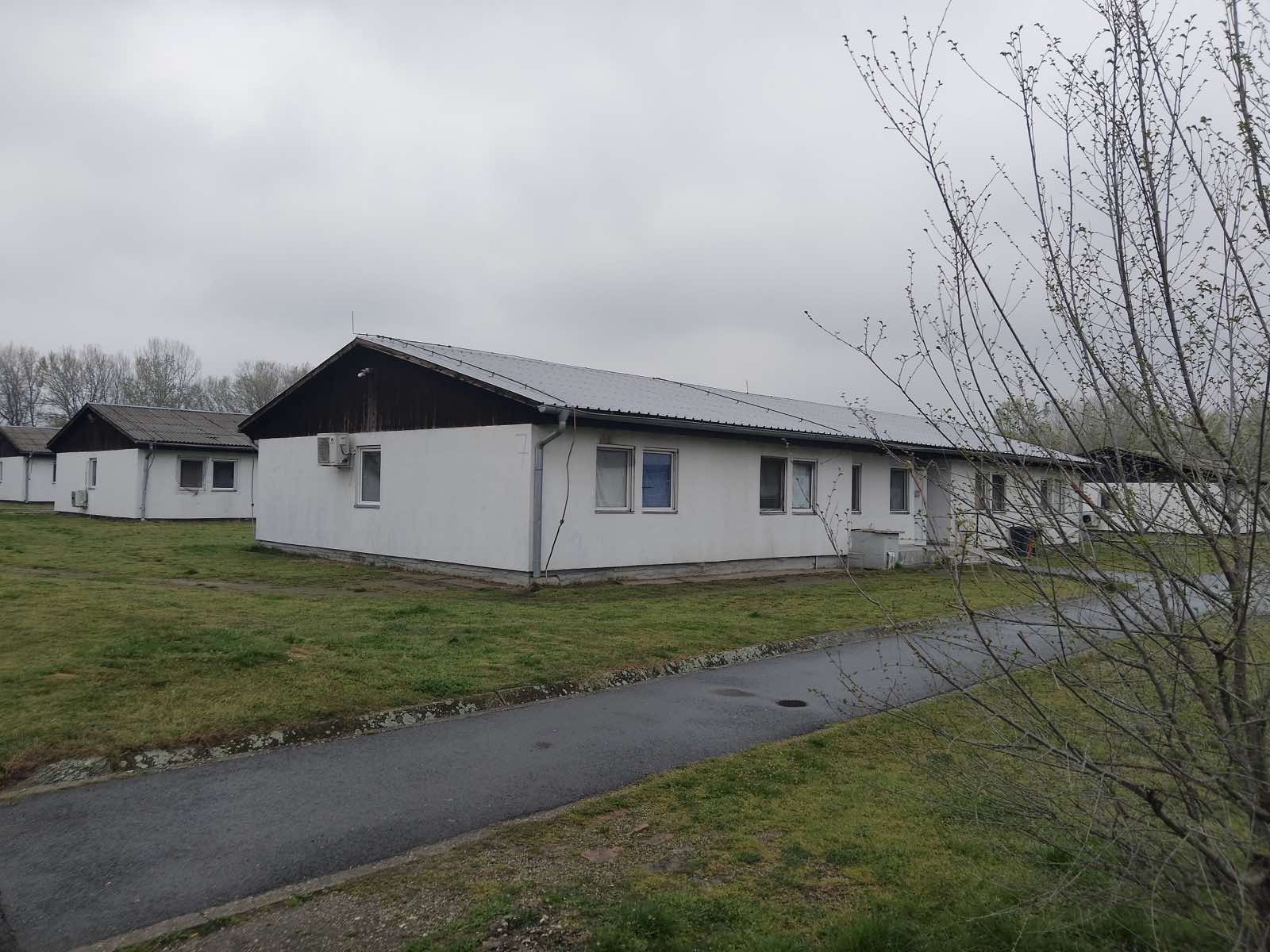
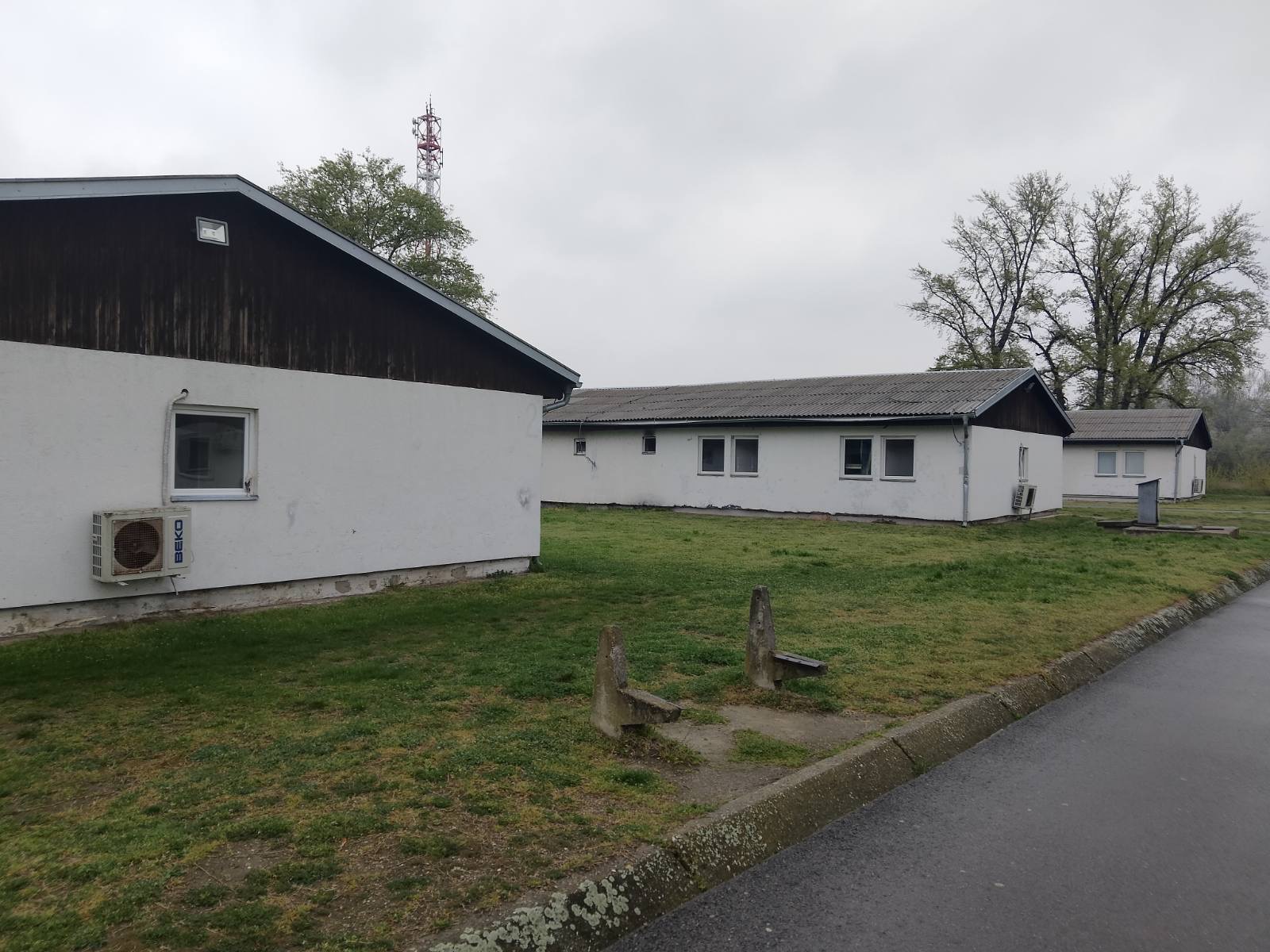
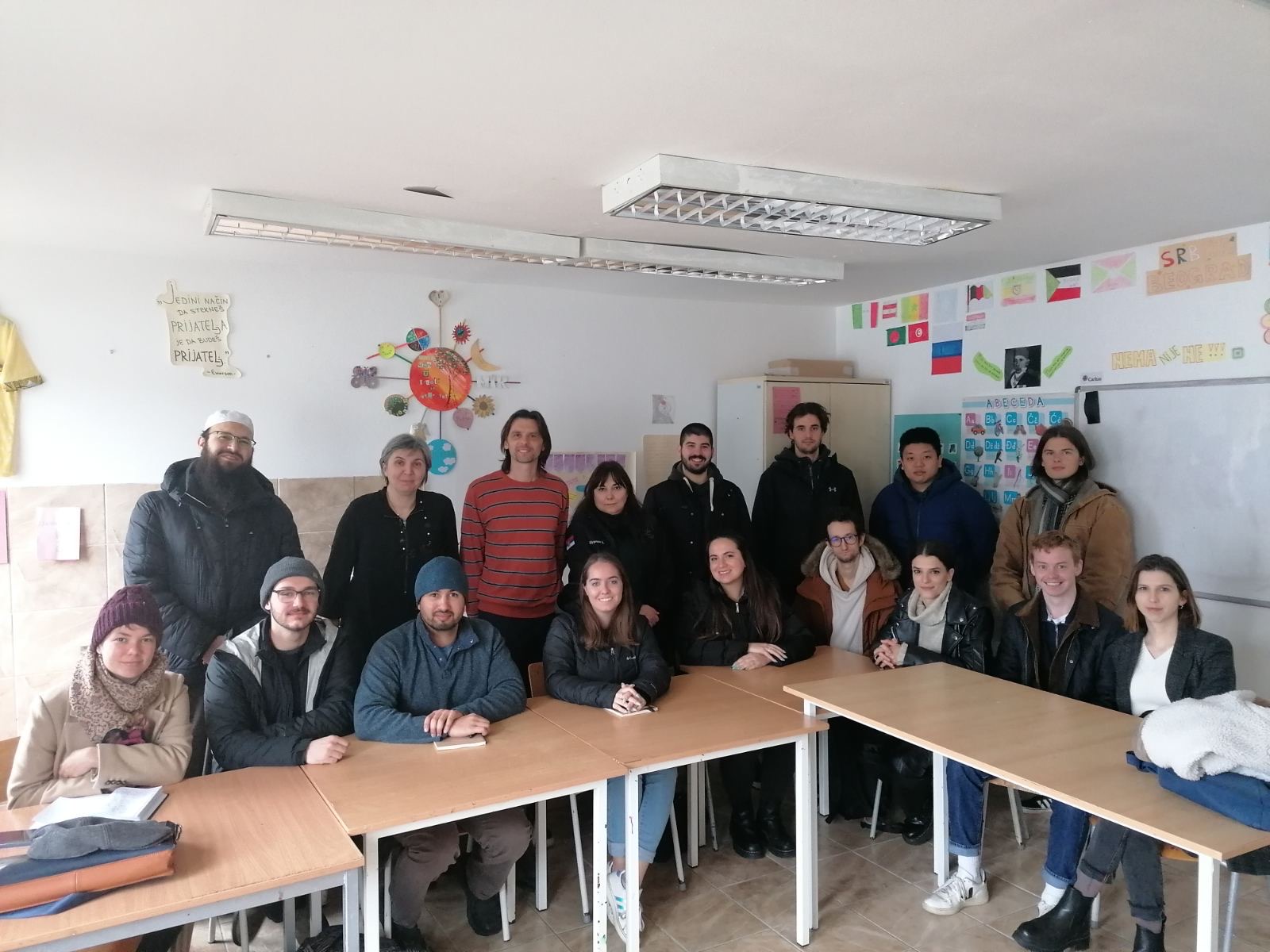
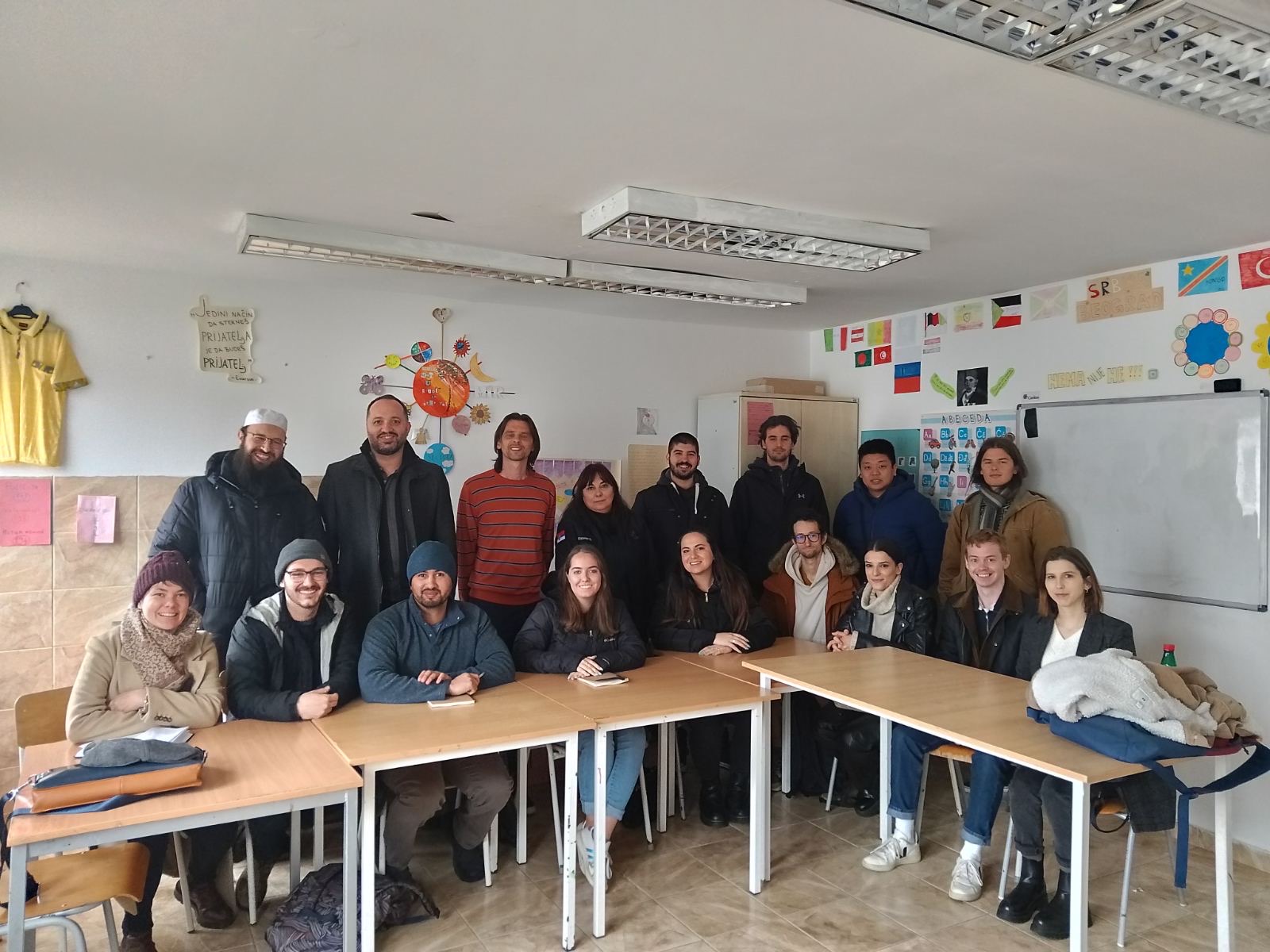
The Summer School on Forced Displacement held at the FPN

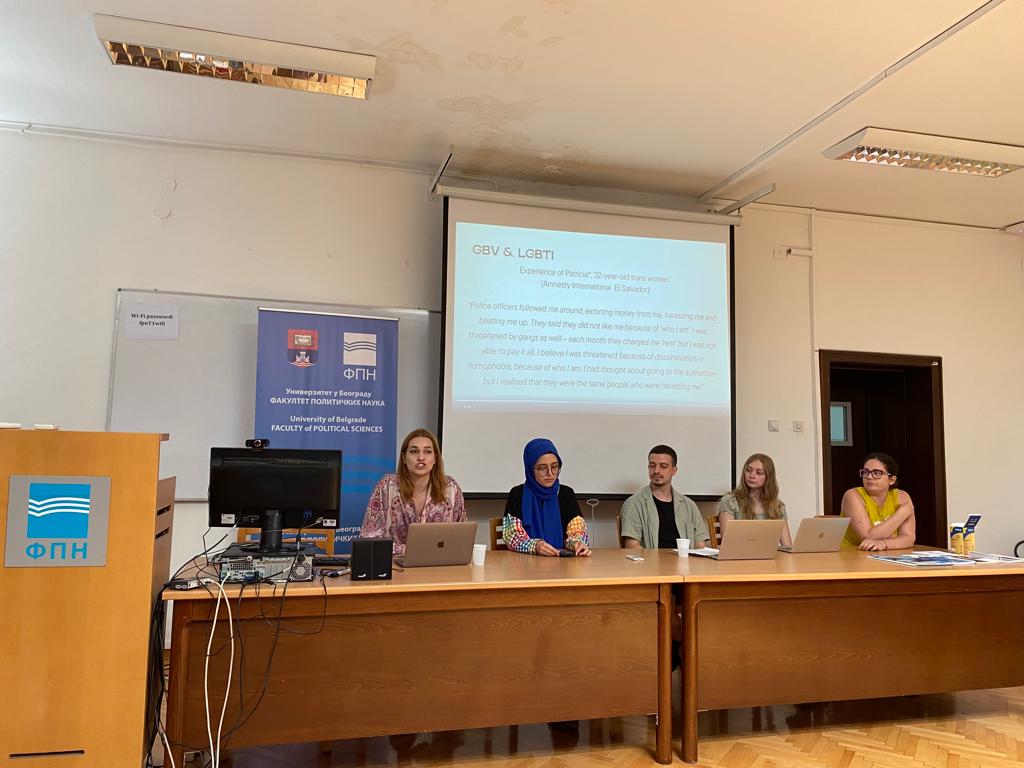
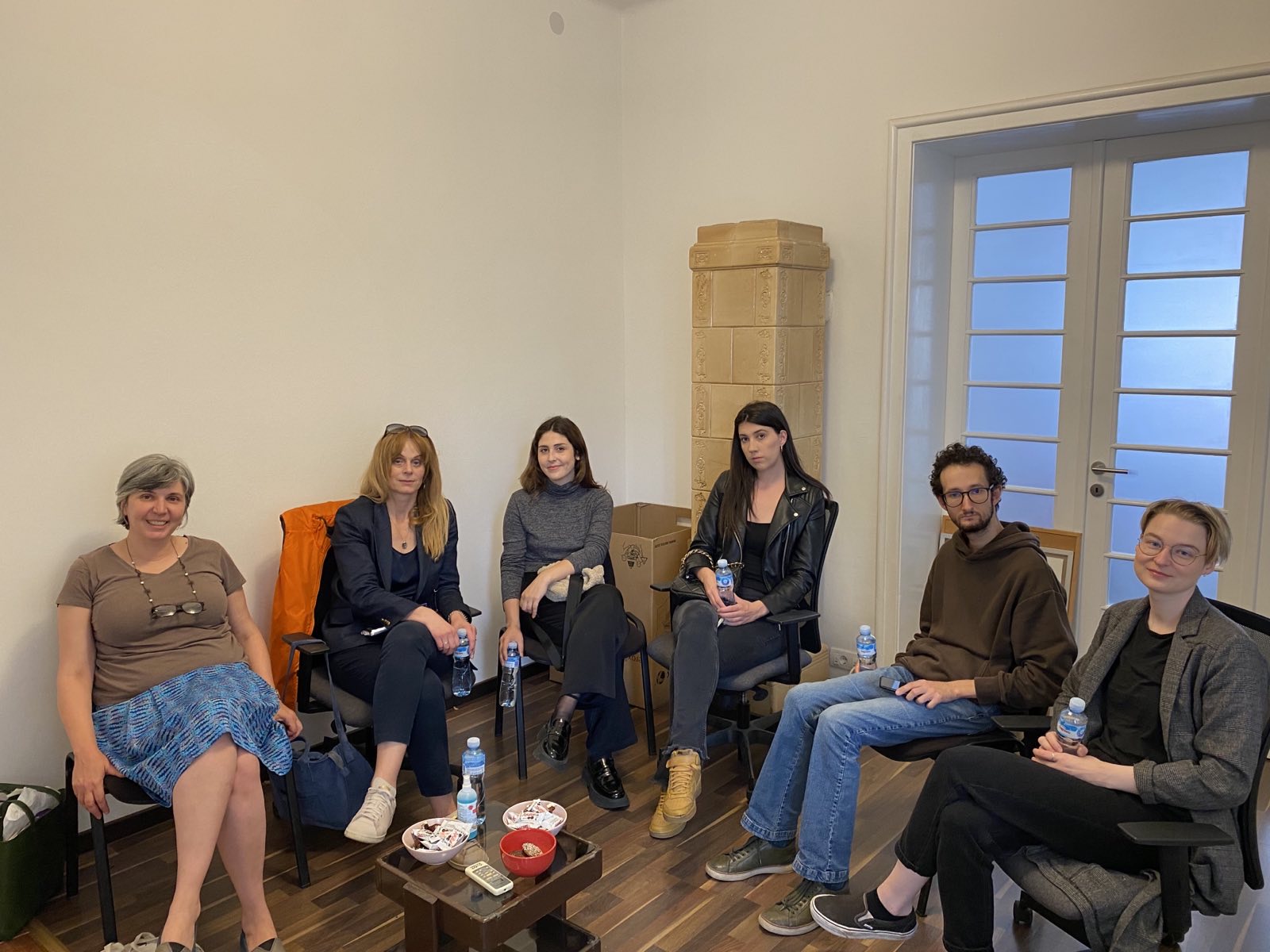
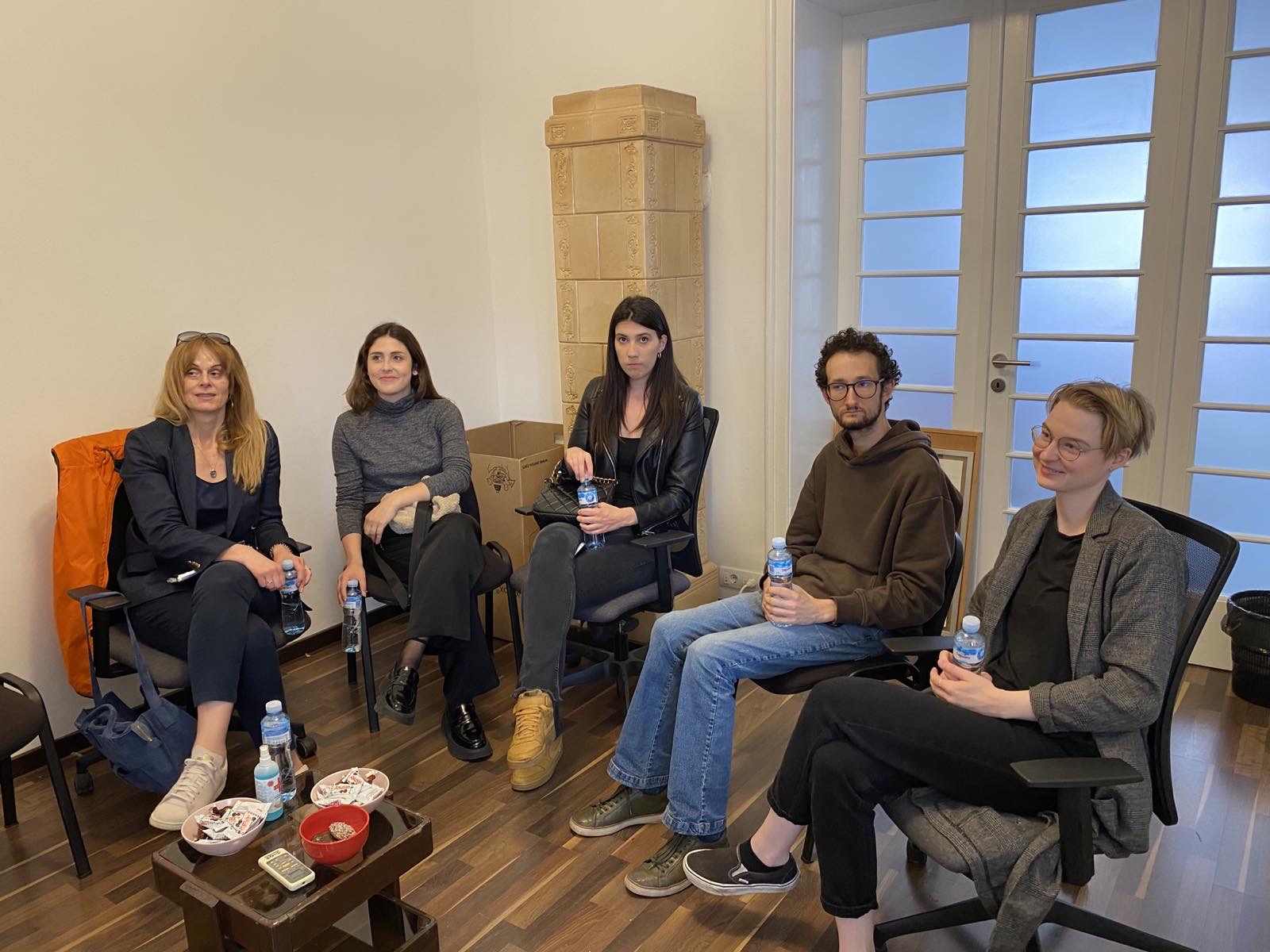
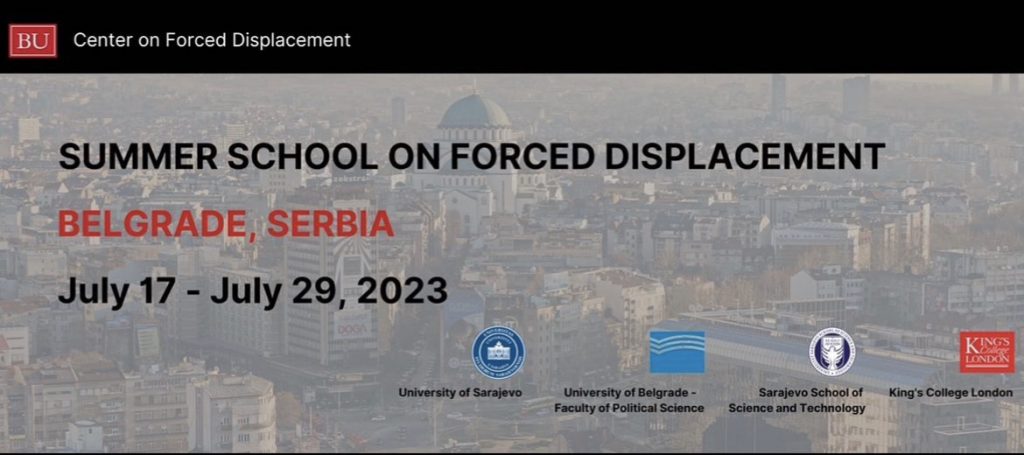
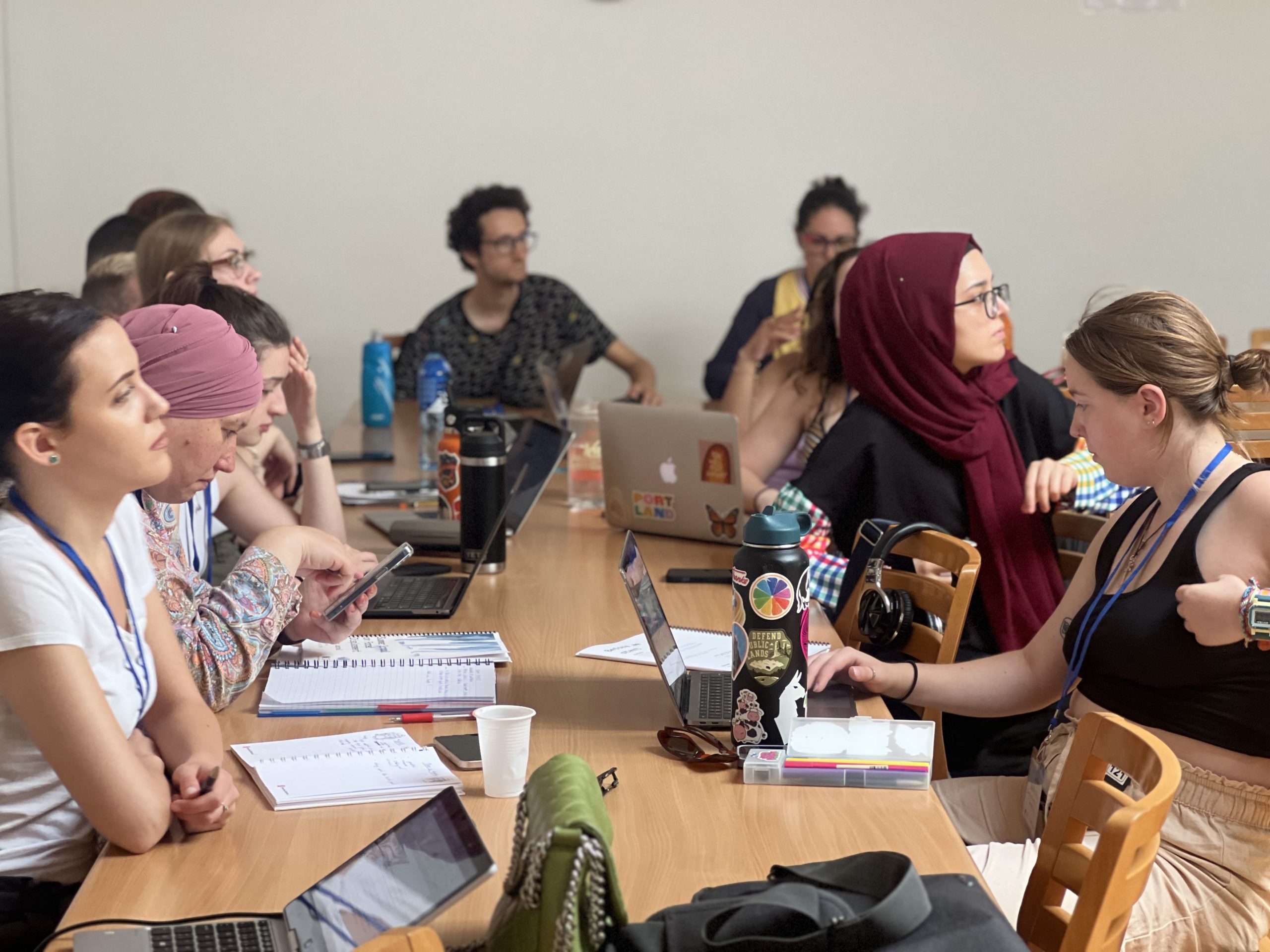
The Summer School on Forced Displacement was held at the Faculty of Political Science of the University of Belgrade from July 17 to 29, 2023. The Programme was created by professors and researchers from Boston University (BU) and the Faculty of Political Science (FPN).

The participants of the Summer school were undergraduate, MA and PhD students of Boston University, University of Belgrade and Sarajevo School of Science and Technology. The School’s intensive two-week programme included presentations by prominent experts from various fields and sectors, discussions and practical workshops.

The broader context of forced displacement was presented by prof. dr. Maja Kovačević and prof. dr. Natalija Perišić from the FPN, in their presentations on forced migration policies and practices in the European Union and Serbia. Marta Stojić Mitrović from the Ethnographic Institute SANU and Nidžara Ahmetašević, a journalist, spoke about the relations between the countries on the Western Balkan migration route, the repercussions of their efforts to become EU member states and the consequences for border regimes. Prof. dr Danica Šantić from the Faculty of Geography pointed out the characteristics of the so-called migration crisis in Serbia and migrant journeys. The specifics of the positions of forcibly displaced children were elaborated by assistant Violeta Marković and prof. dr. Natalija Perišić from the FPN, together with Marijana Hameršak from the Institute of Ethnology and Folklore Research from Zagreb. The gender dimension of forced displacement was discussed by prof. dr. Katarina Lončarević from the FPN, Lidija Đorđević, activist of CSO “Atina” and prof. dr. Carrie Preston from the BU. Fabrizio Foschini, political analyst of the Afghan Analytical Network, Draga Šapić, psychologist from CSO “PIN”, Nataša Todorović from the Serbian Red Cross and prof. Dr. Muhammad Zaman from BU focused on the life in transit and reception centres. The security aspects of forced displacement were the focus of presentations given by prof. dr. Filip Ejdus from the FPN, prof. dr. Damir Kapidžić from the University of Sarajevo and professor for practice in international relations Vesko Garčević from the BU. Marina Lažetić from the BU presented the results of her research on attitudes towards migrants in Serbia. Experiences and incentives for research and work with migrants were discussed by prof. dr. Danilo Mandić from Harvard University, Assistant Professor Stefan Surlić from the FPN, Duško Petrović from the University of Zagreb and Dženet Koko, activist.

Representatives of numerous national and international organizations that provide various types of support and assistance to forced migrants shared their experiences with the participants of the Summer School. Bojan Stojanović from UNHCR presented the work with refugees and internally displaced persons in a historical perspective, Jelena Šurlan from KIRS pointed out the Government’s policy in the area of forced migration, while Gordana Grujučić from “Group 484”, Marko Štambuk from “Beogradski center for human rights”, Lidija Đorđević and the group for the advocacy of migrant women’s rights from “Atina”, Sara Ristić from “Klikativ”, Radoš Đurović from the “Center for the Protection of Asylum Seekers”, Maja Dragojević and Rajko Matuško from the “Center for Crisis Policy and Response ”, Andrea Rudnik from “Team Bronsville”, Kaitlin Roberson and Kasandra Stewart from “Rio Valley Relief Project”, Hope Barker from “BVMN” presented their work with forced migrants in different contexts. Teodora Jovanović from the Ethnographic Institute SANU organized a sensory walk through the city, with an accent on migrant topos and Maja Savić Bojanić from the Sarajevo School of Science and Technology showed the students practical aspects of migrant experiences. Prof. dr. Puja Ahmadi from the BU led workshops on the artistic representation of forced migration.

The Summer School on Forced Displacement held at the FPN Read More »
Female migrants in the Western Balkans

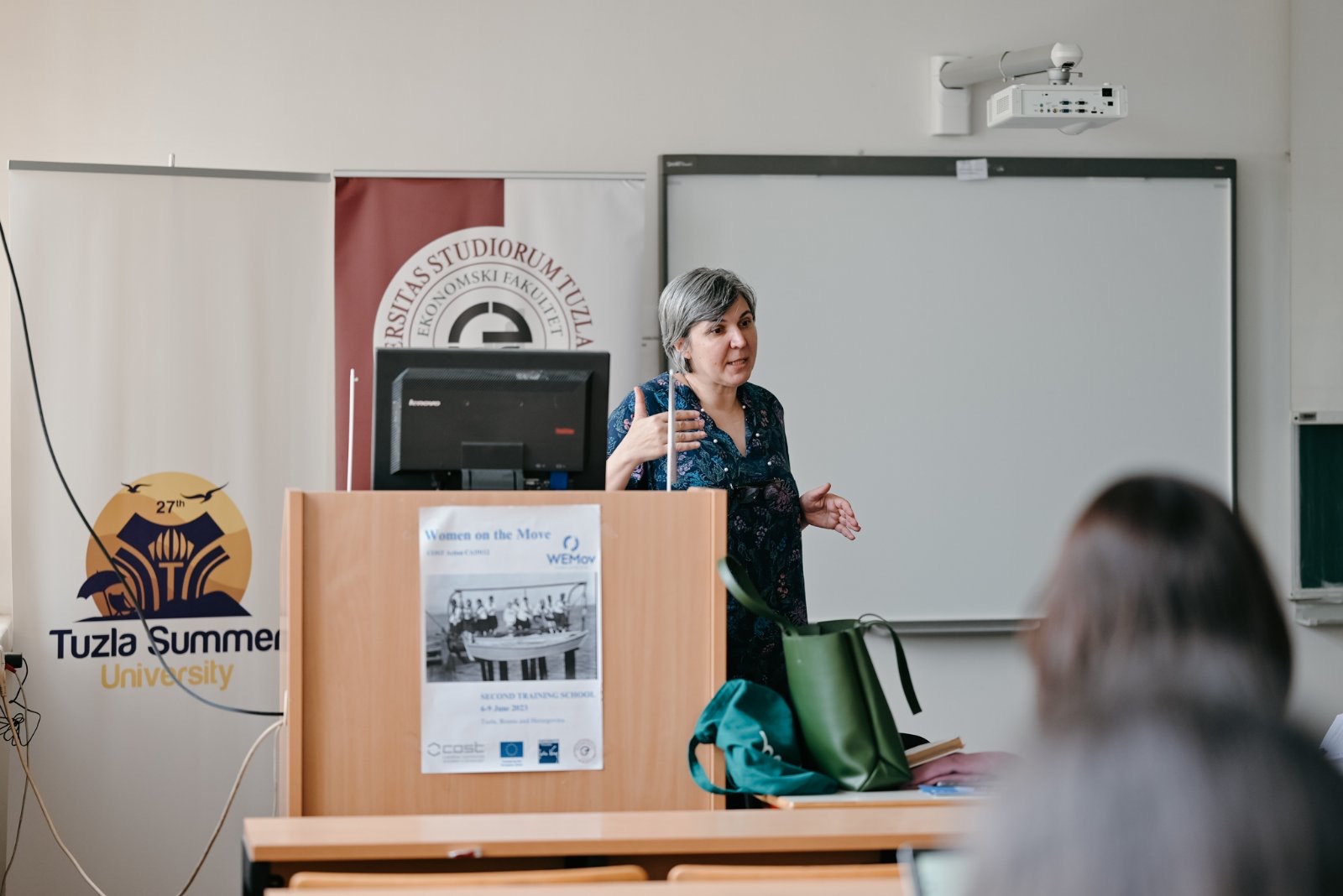
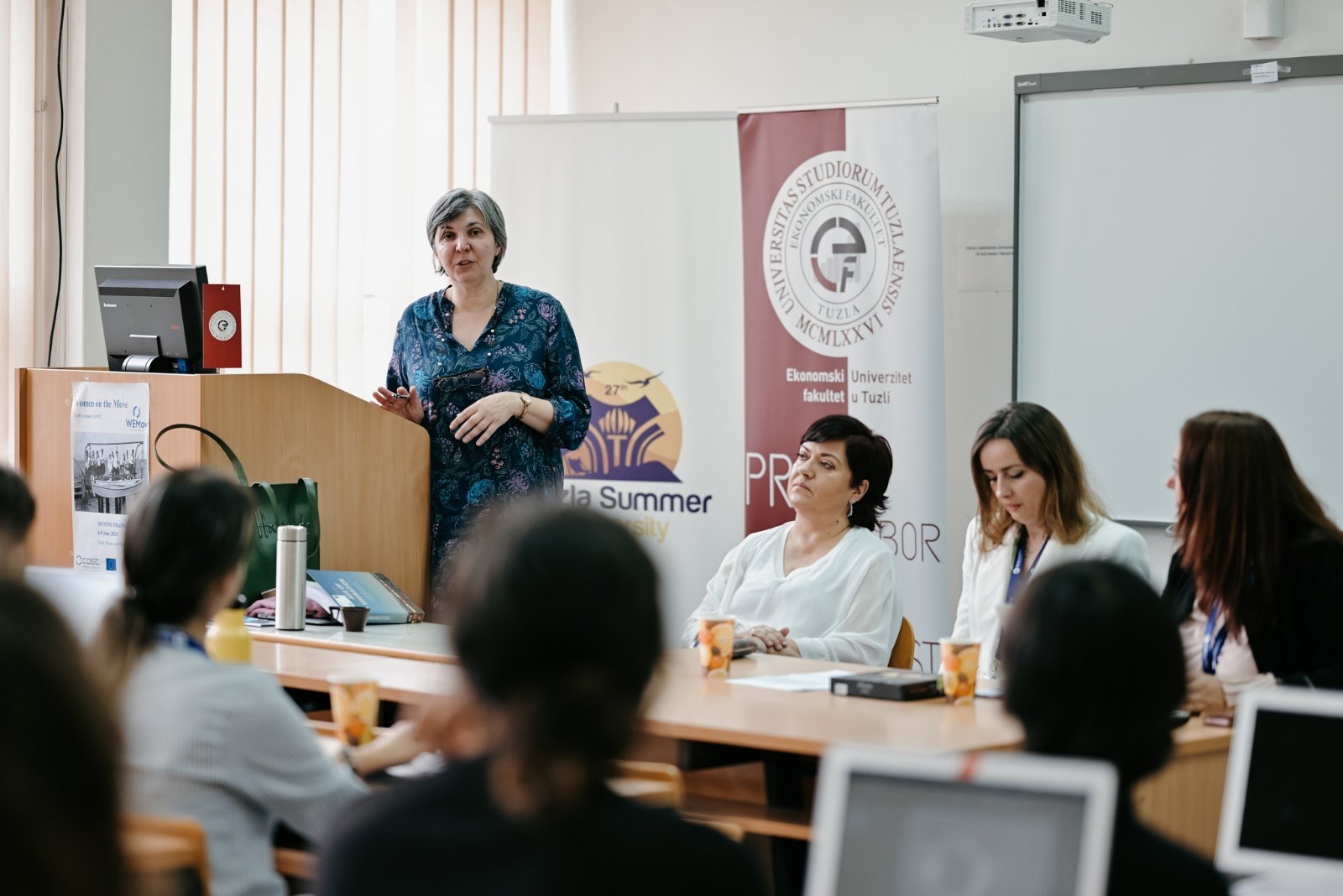
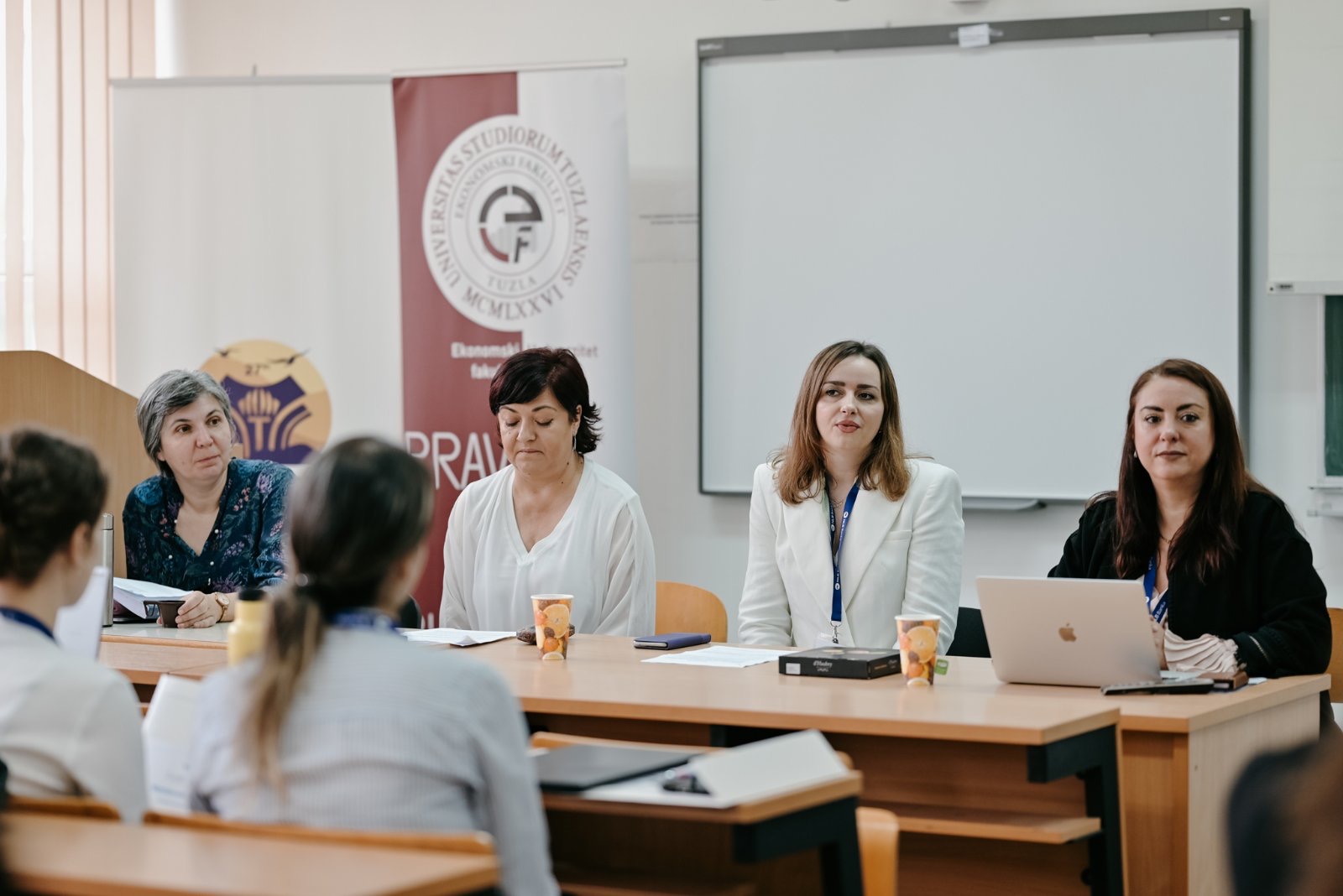
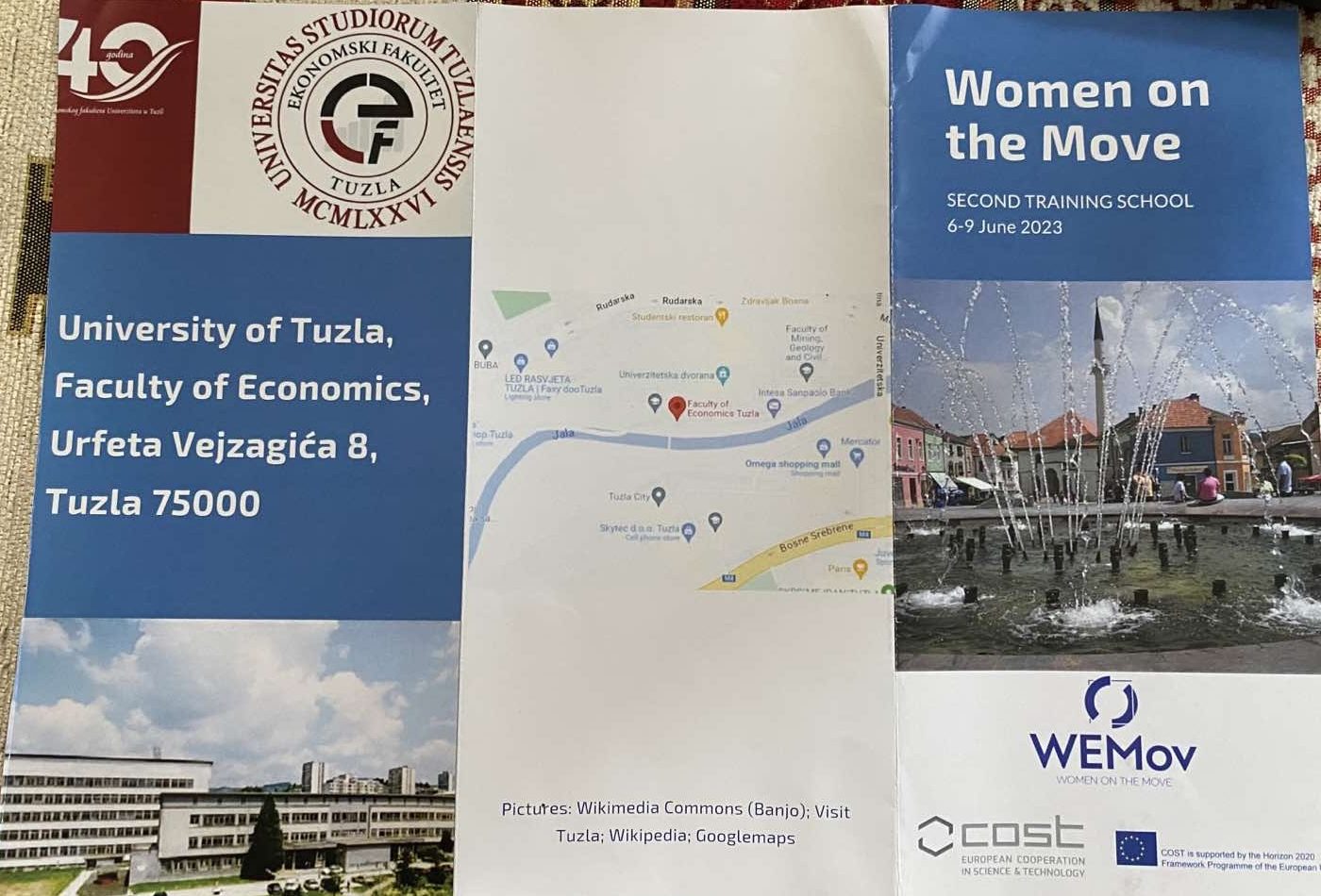
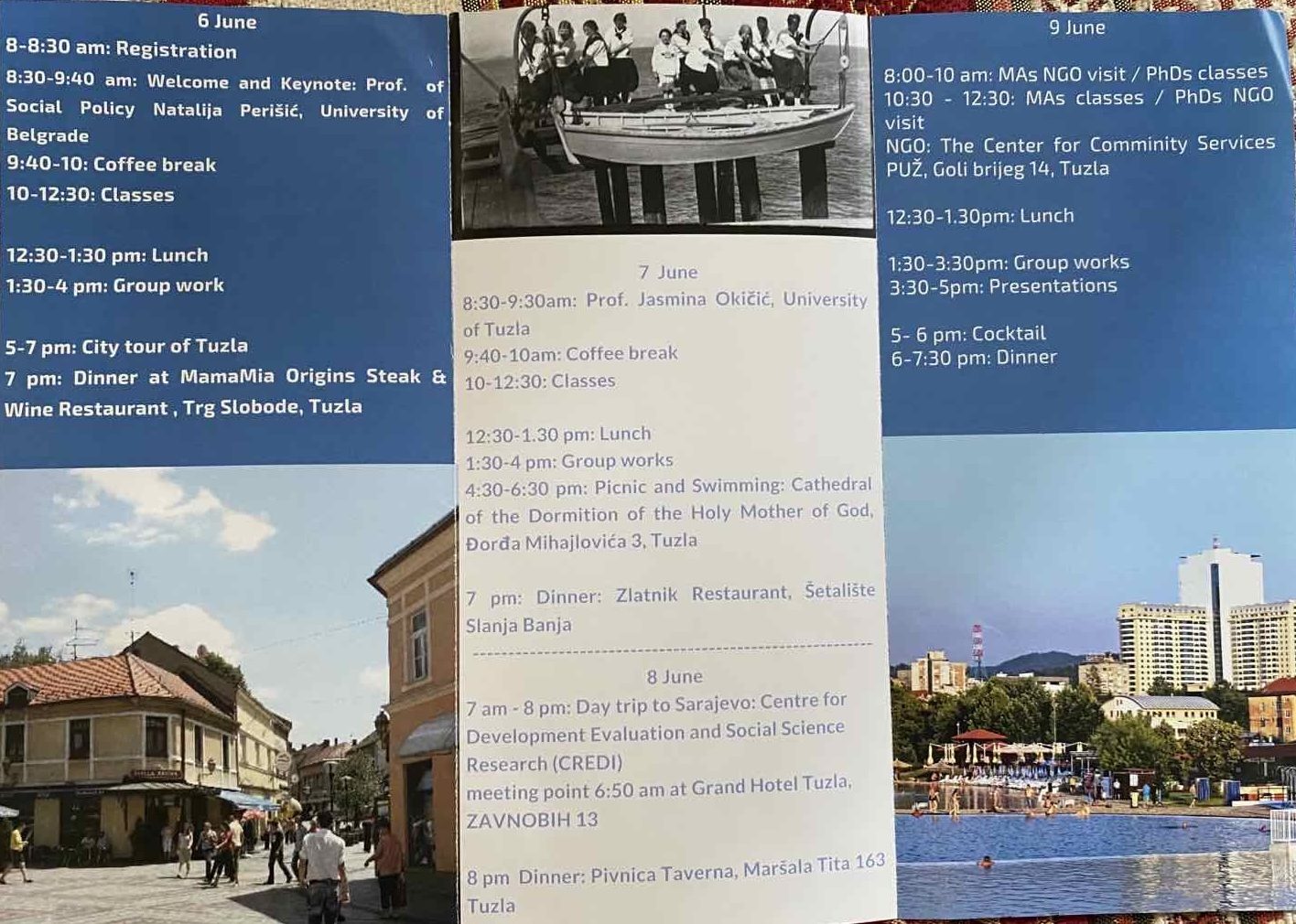
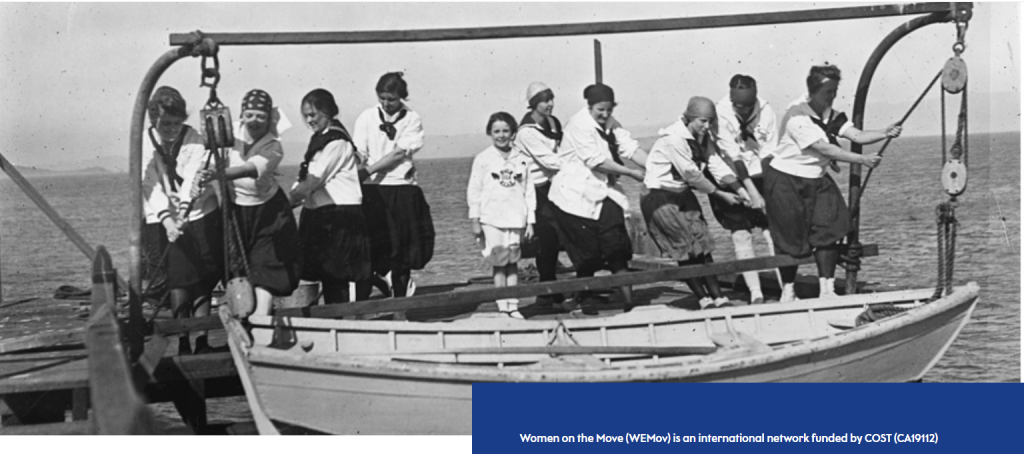
Women on the Move – WEMov, a COST project, brings together researchers focused on the role and participation of female migrants in the construction of Europe. Combining approaches from history, sociology, demography, economics, anthropology, political science and art, the researchers show how migrant women changed Europe’s past and present. On June 6, 2023, Natalija Perišić presented her work on the topic „Migrant women in theory and research – a view from the Western Balkans“ as part of the training session for this project, which was held at the Faculty of Economics of the University of Tuzla. She pointed out the (un)justification of the discourse on the so-called feminization of migration and the position of gender in migration studies. Speaking about the global perspective, she pointed out the specifics of the absence/presence of gender in the analysis and research of forced and voluntary migration in the Western Balkans.


Female migrants in the Western Balkans Read More »
Visit to Group 484

Master students of the Faculty of Political Science visited the Group 484 on June 1, 2023. Miroslava Jelacic and Gordana Grujicic, legal experts from the Group 484, introduced the students and their professor to a brief history of the organization, which began its work in the 1990s with a view to supporting the so called old refugees, i.e. refugees who fled to Serbia from Croatia as well as Bosnia and Herzegovina and also internally displaced persons from Kosovo. After several decades of work, the Group 484 represents one of the grassroots organizations in the area and deals with migration within the frameworks of development, integration, forced displacement, etc. Numerous experts and volunteers of the Group 484 are engaged in projects aimed at creating a society open to migrants and migration, and the public activities they carry out are aimed at bridging the gaps between the native and migrant populations.


Visit to Group 484 Read More »

Visit to Asylum Centre in Krnjaca

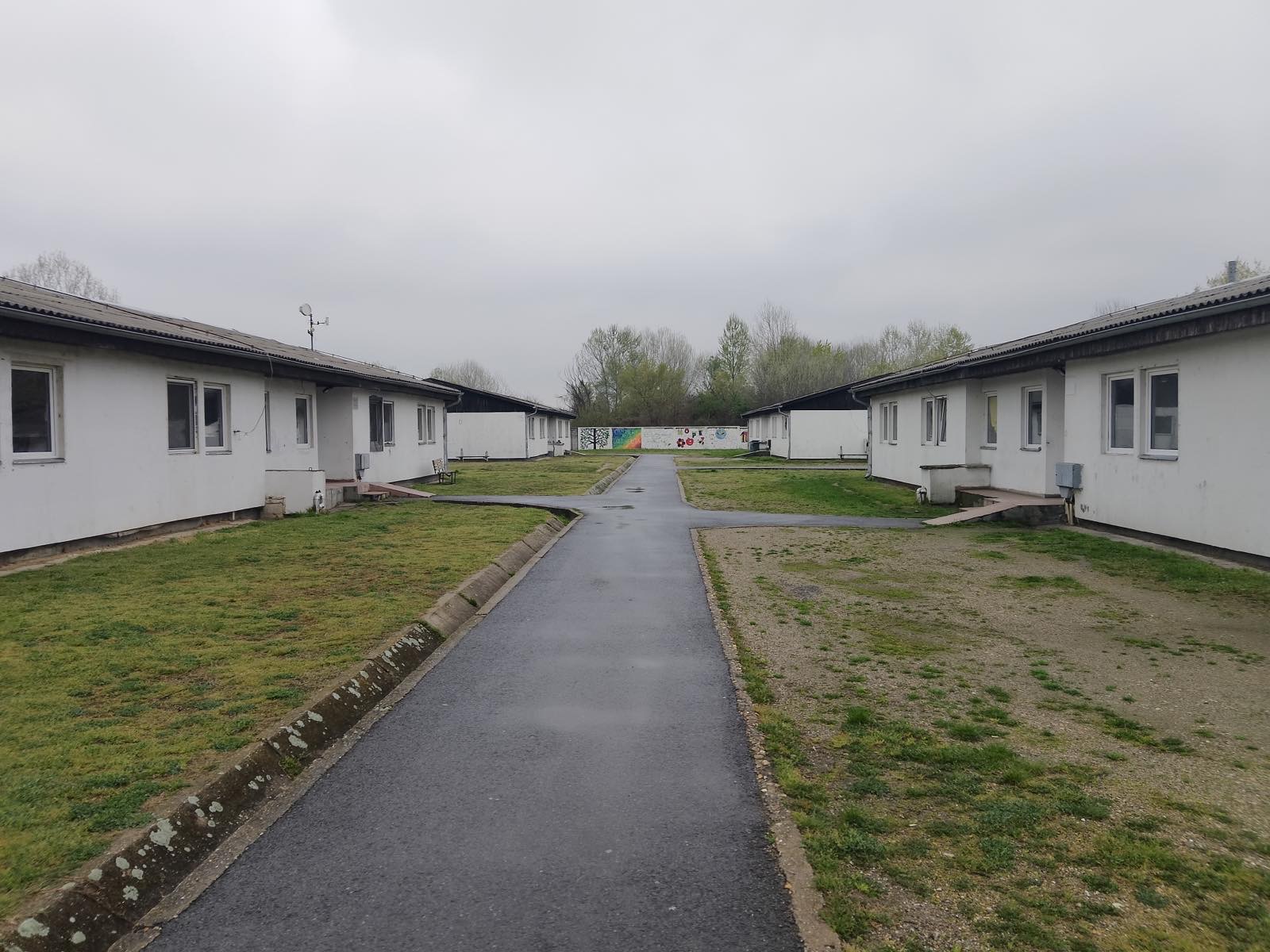
Master students of the Faculty of Political Science visited the Asylum Center in Krnjaca on April 7, 2023. Djurdja Surlan, the Manager of the Center, introduced the students and their professors to a brief history of the Center, which began its work in 1992 when refugees from the former Yugoslavia began to arrive in the Federal Republic of Yugoslavia. Since 2014, the Center has accommodated asylum seekers from the countries of the Middle East and North Africa. The Manager presented the work of the Center and the services it provides to asylum seekers and pointed out the good practices applied in the Center in order to integrate migrants. In cooperation with international and domestic non-governmental organizations, the Asylum Center provides support for children living in the Center, which includes different workshops adapted to their age. Employees of the Center, in coordination with employees from the non-governmental sector, but also from other sectors of the state (health, social protection and employment), invest efforts in providing employment opportunities for asylum seekers in Serbia. Currently, the Center is populated by families and the number of migrants is several times below the capacity offered by the Center, due to the departure of a large number of irregular migrants from Serbia.


Visit to Asylum Centre in Krnjaca Read More »

Application for Summer School on Forced Displacement, July 17 – 29, 2023, Belgrade, Serbia

Center on Forced Displacement (CFD) from the Boston University opens a call for applications for its first Summer School on Forced Displacement to be held July 17 – 29, 2023 in Belgrade, Serbia. This program is created in partnership with the Faculty of Political Science University of Belgrade, King’s College London, Faculty of Political Science in Sarajevo, and Sarajevo School of Science and Technology.

More information and the application link can be found on: https://docs.google.com/forms/d/e/1FAIpQLSdqBWyOFZ2hkNAvIpRntN1xJzf42xp7LejfB4OHFwaQC5l76Q/viewform

Application for Summer School on Forced Displacement, July 17 – 29, 2023, Belgrade, Serbia Read More »

Networking visit in Vienna

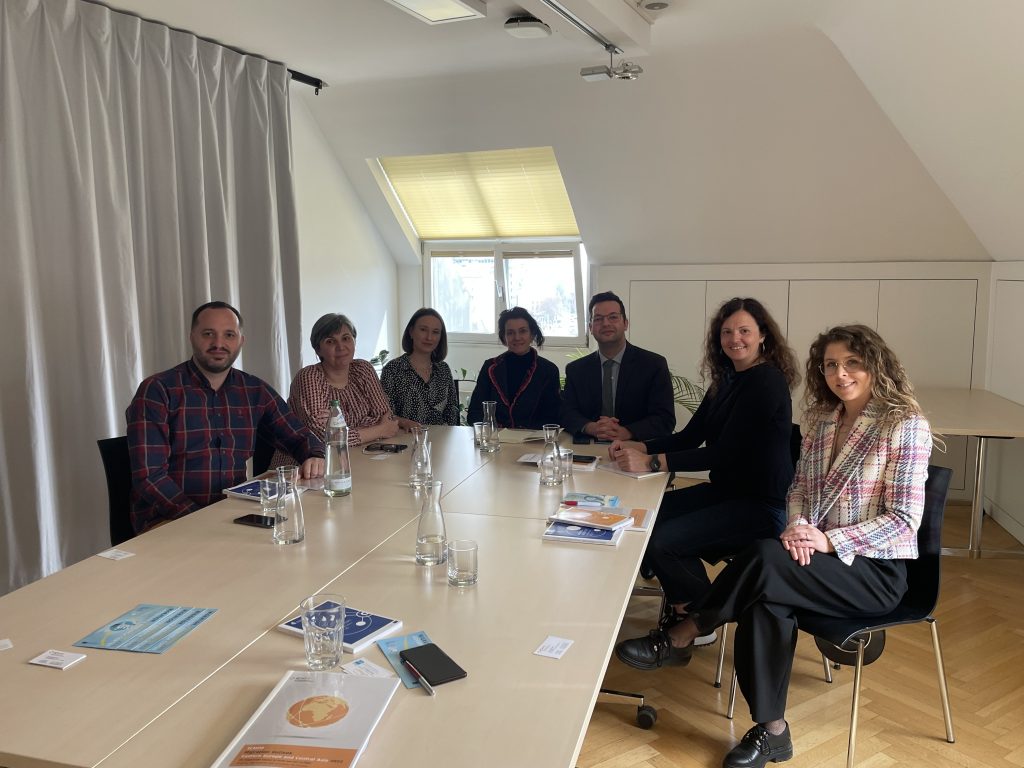
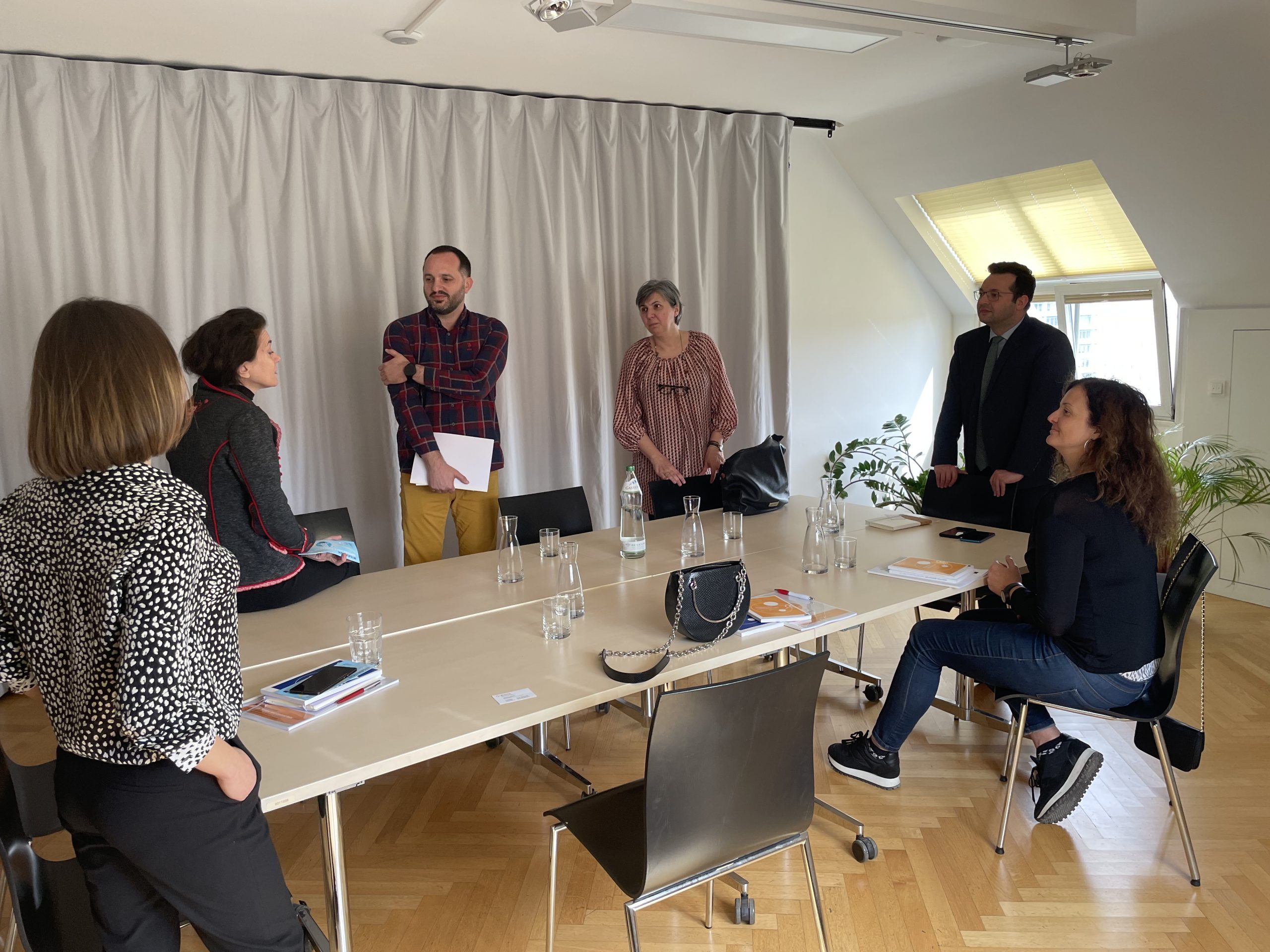
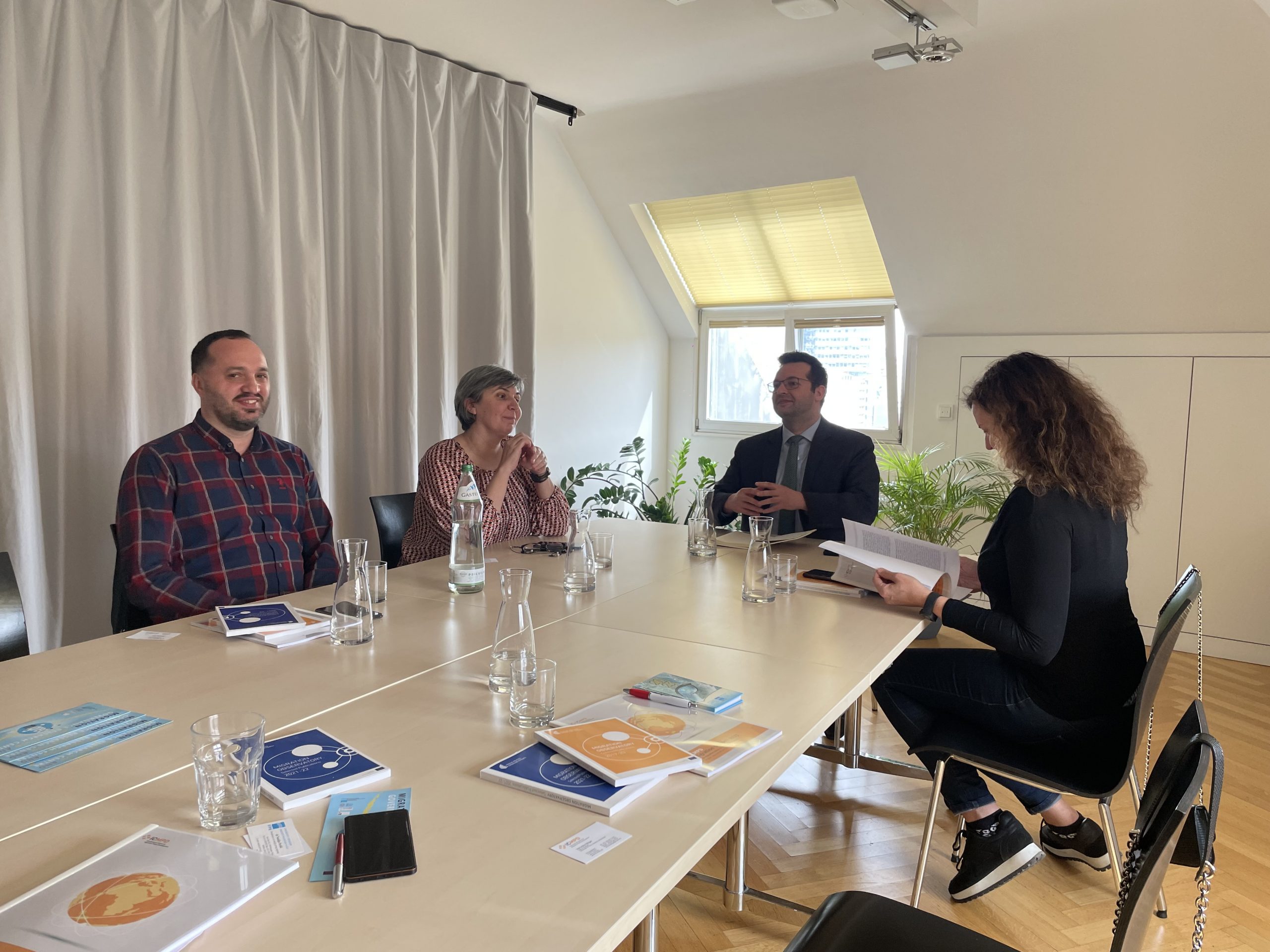
Members of the MIGREC team, Natalija Perisic, Dejan Pavlovic, Danica Santic and Danijela Pavlovic visited the ICMPD from March 24 to 27, 2023, in order to facilitate the exchange of knowledge at a regional level and to promote the MIGREC project by exploring possibilities for future synergies and cooperation. From the side of the International Center for Migration Policy Development (ICMPD), the meeting was attended by Alexander Maleev, Project Manager, Veronika Bliger, Head of Research and Irina Lysak, Project Officer. The ICMPD is active in over 90 countries around the world and it takes a regional approach in its work to create efficient cooperation and partnerships along migration routes. Priority regions include Africa, Eastern Europe and Central Asia, Mediterranean, Silk Routes, Western Balkans and Turkey. Its three-pillar approach to migration management – structurally linking research, migration dialogues and capacity building – contributes to better migration policy development worldwide.

Regional migration events in the Western Balkans, engagement of the Diaspora, the Prague Process, and the three-pronged approach that strives for comprehensive, sustainable and future-oriented migration governance were discussed at the meeting. To this end, cooperation with ICMPD is very important for the MIGREC because it will enable the analysis of current and potential migration flows to European receiving countries, monitoring and examination of the situation in the main countries of origin of migrants and development of measures for better recognition and control of migration movements. The ICMPD invited the MIGREC to network with them and to participate in its research activities.

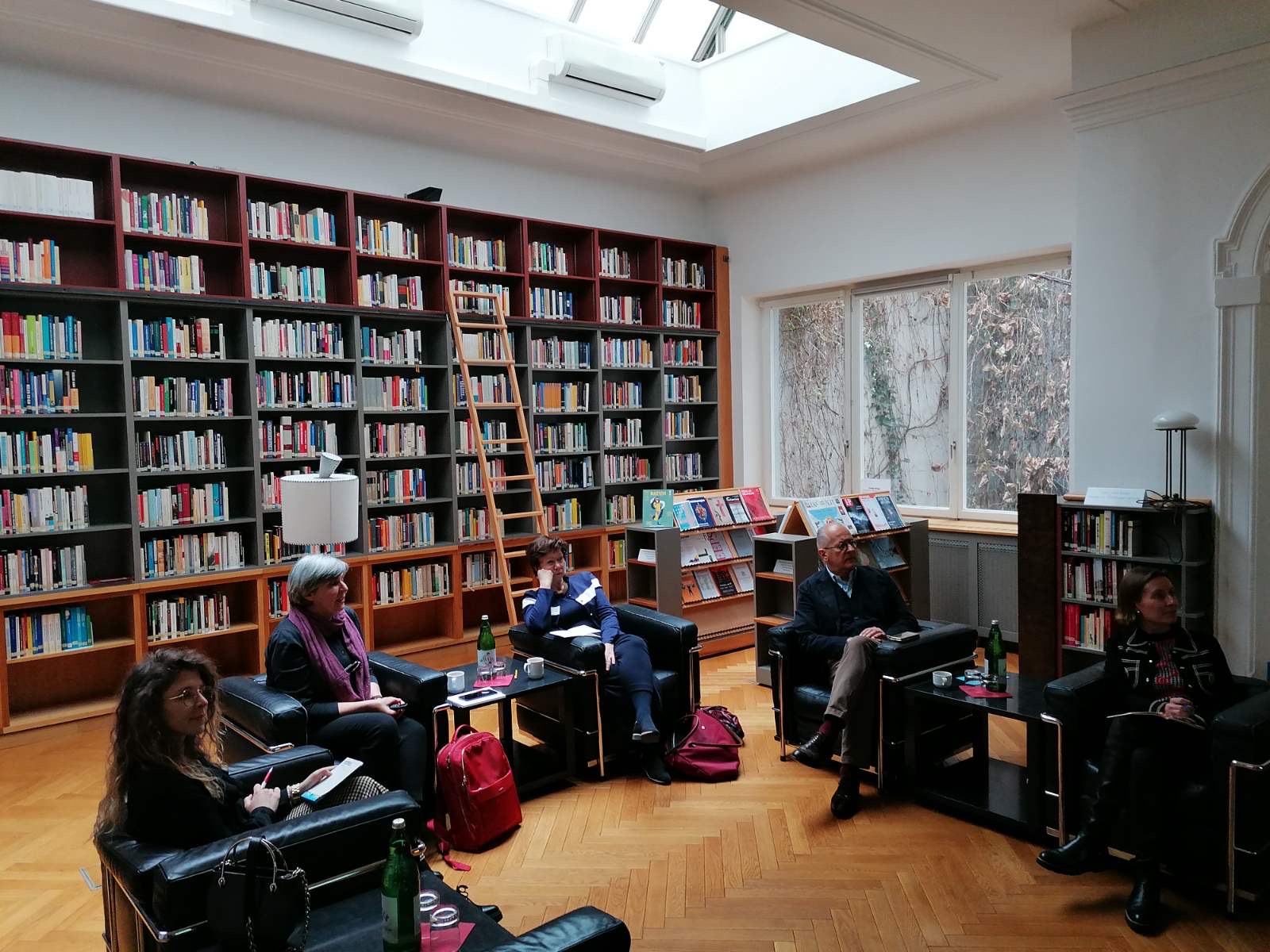
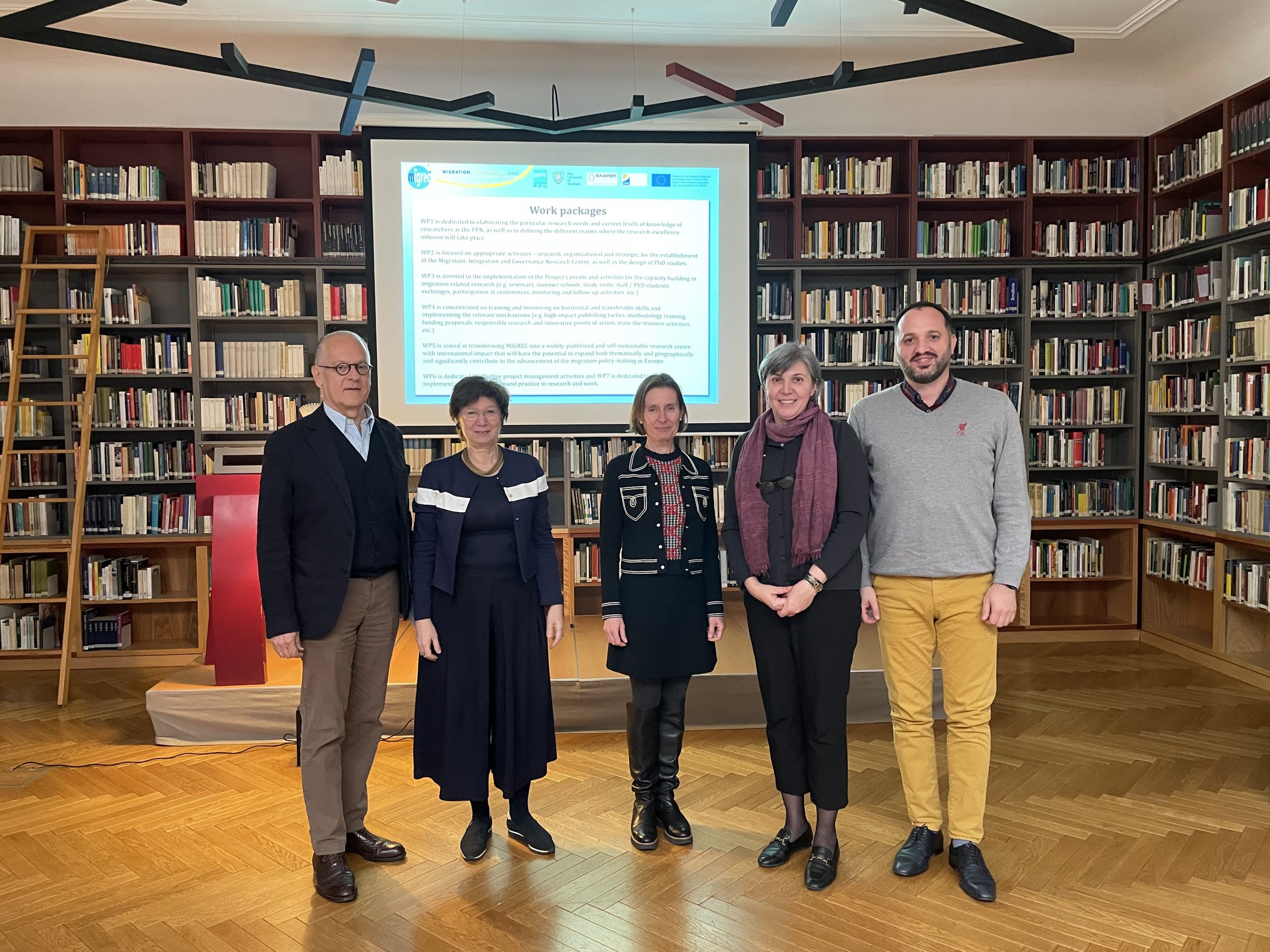
On the same occasion, the MIGREC team members visited the Institute for Human Sciences (IWM), whose Director, Mr. Ivan Vejvoda, is the MIGREC’s Advisory Board Member. Essential to the IWM’s mission is reaching out to a variety of interested publics, including opinion influencers and policymakers. IWM organises public lectures, debates and conferences, publish books, articles and digital exchanges. Along with Mr. Vejvoda, from the side of IWM, the meeting was attended by Ayse Caglar, Permanent Fellow and Professor of Social and Cultural Anthropology at the University of Viena and Katerina Koci, the Research Director.

It was pointed out that the sustainability of the MIGREC requires finding new partners and new projects. Also, it was pointed out that MIGREC should bring together scientists, policy makers and practitioners from different disciplines and that it would be very useful to organise some kind of internship for PhD students or other researchers who can come into contact with MIGREC and in this sense achieve cooperation between different institutions. Regarding the MIGREC’s PhD studies in Migration Policy, a support was offered in terms of its potential improvement, if needed and harmonization with the programme structure and mobility of the National Research Competence Center for Migration and Mobility Studies.


Networking visit in Vienna Read More »

Study visit in Thessaloniki

PhD candidate Nataša Milošević from the University of Belgrade – Faculty of Political Science, participated in a two-week study visit in Thessaloniki, Greece from March 12 to 26, 2023.

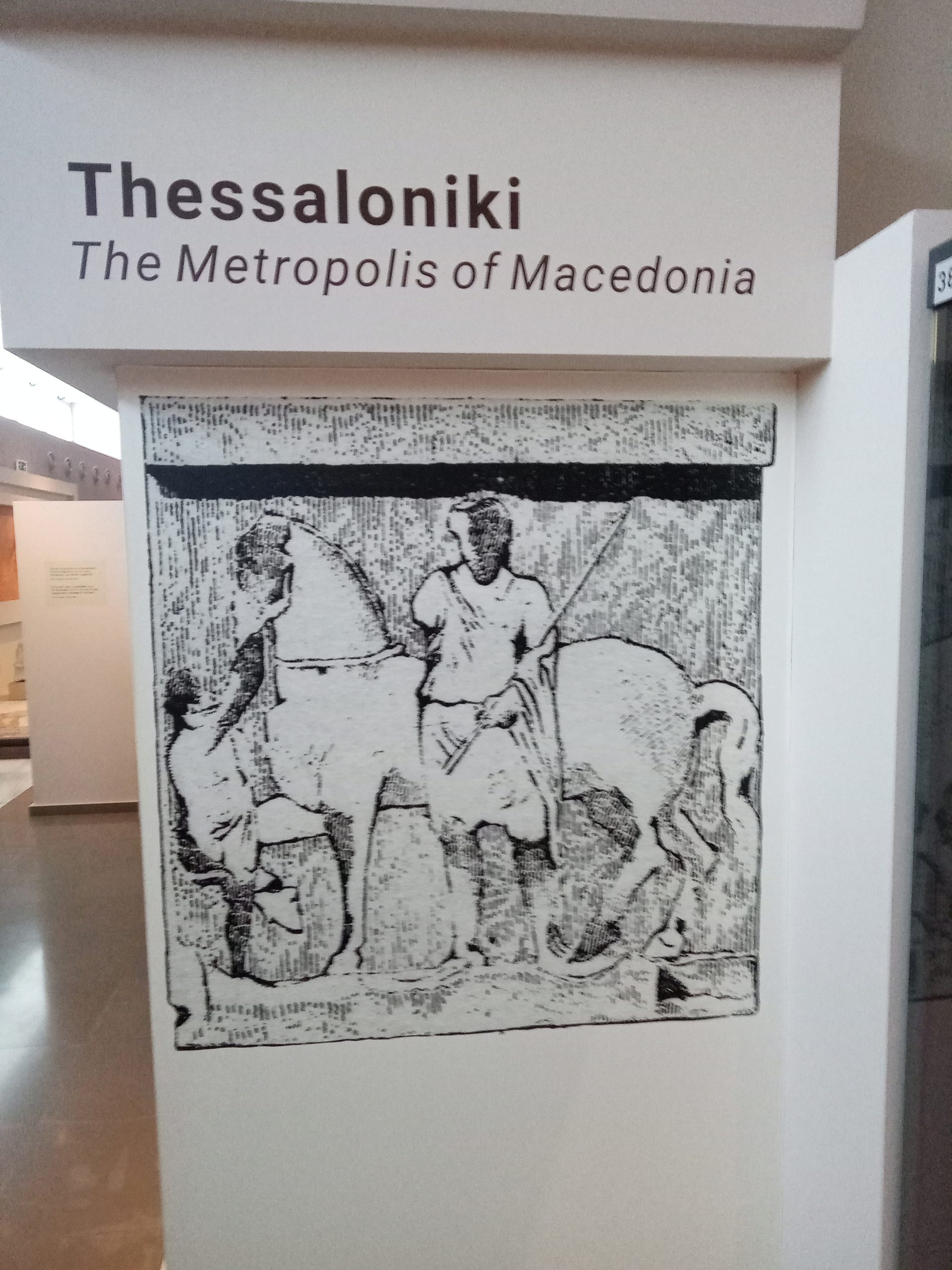
As part of the study visit, on the occasion of the 60th anniversary of the oldest Archaeological Museum in Greece, she visited an exhibition dedicated to the history of Thessaloniki as a city with the epithet “mother of migration” due to intensive centuries of immigration. Through the exhibition, elements of Greek, Jewish and Oriental culture were presented, which strongly influenced the socio-cultural and spatial identity of the city.

As part of her research work on the topic of her doctoral dissertation “The policy of integration of forced migrants into the labour market from 2015 to 2022 in the Republic of Greece”, Nataša Milošević visited York City University Campus, where a summer school on migration is organized every year. In the university library, she collected useful data for the needs of her research.

As a part of the dissertation research, she conducted interviews with experts in the field of migrant employment and migration management, representatives of the Red Cross in Greece, Caritas, Ecopolis and the organization Pervolarides from Thessaloniki.

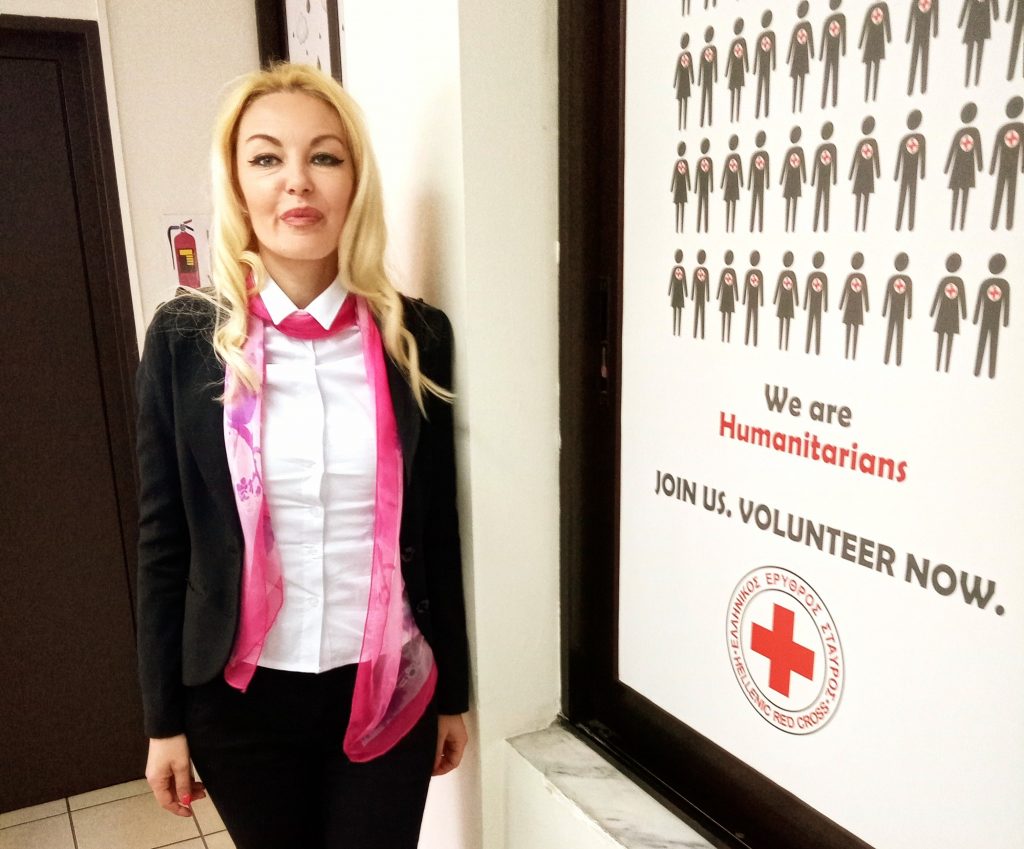
Also, the researcher visited the Social club, the oldest non-governmental organization in Greece “Ecopolis”, which provides help and support to refugees, and the Multifunctional Center of the Red Cross in Greece, where counseling services are provided for refugees and asylum seekers.

This study visit enabled Nataša Milošević to complete part of the research within the doctoral dissertation, which involved conducting semi-structured interviews with interested parties on the subject of the policies of integration of forced migrants in the Republic of Greece.


Study visit in Thessaloniki Read More »

An international conference on migration in the Western Balkans held in Belgrade

The international conference “Migration in the Western Balkans – rethinking crisis narratives”, within the Migration, Integration and Governance Research Center project (MIGREC), was held at the Faculty of Political Science in Belgrade, from February 2 to 3, 2023.

The conference was opened by the Dean of the Faculty of Political Science of the University of Belgrade, Prof. Dragan R. Simić and Vice Dean for the 1st Cycle Studies and coordinator of the MIGREC project, Prof. Natalija Perišić.

Among the moderators, presenters and participants at the Conference were the leading academics, experts and researchers in the field of migration from all countries of the Western Balkans region, i.e. from Albania, Bosnia and Herzegovina, Montenegro, Serbia, Kosovo*, North Macedonia and Croatia, as well as from other countries, United Kingdom, Greece, Poland, Italy and Turkey.

The field of ​​migration in the Western Balkan region is most often examined in the context of negative demographic changes, and the region itself is usually narrowly seen as a transit zone, a “sending” region and a region that represents migrants as a security threat. Contrary to this dominant perspective, the conference aimed at a different point of view on migration in the region. Conference participants presented the results of their scientific works and discussed how migration flows, processes, relationships and practices contribute to political, economic and social development within the region. Plenary speaker Prof. Russell King focused on the issues of the position of migration studies in contemporary conditions, while the second plenary speaker, Angeliki Dimitriadi, problematized the consequences of the New Act on Migration and Asylum for the countries of the Western Balkans.

The conference is organized around a panel on perspectives regarding migration in the Western Balkan countries, crisis framing of migration, violence and migration in post-conflict societies, transitions from regularity to irregularity in the field of migration, critical narratives and discourses about migrants, and re-examination of the concept of integration from experiences children and families of migrants.

Participants were able to exchange knowledge and experience, to network and discuss opportunities and challenges for improving research, policy and practice.


An international conference on migration in the Western Balkans held in Belgrade Read More »

International conference

Agenda MIGREC, 2_3 Feb 2023

International conference Read More »

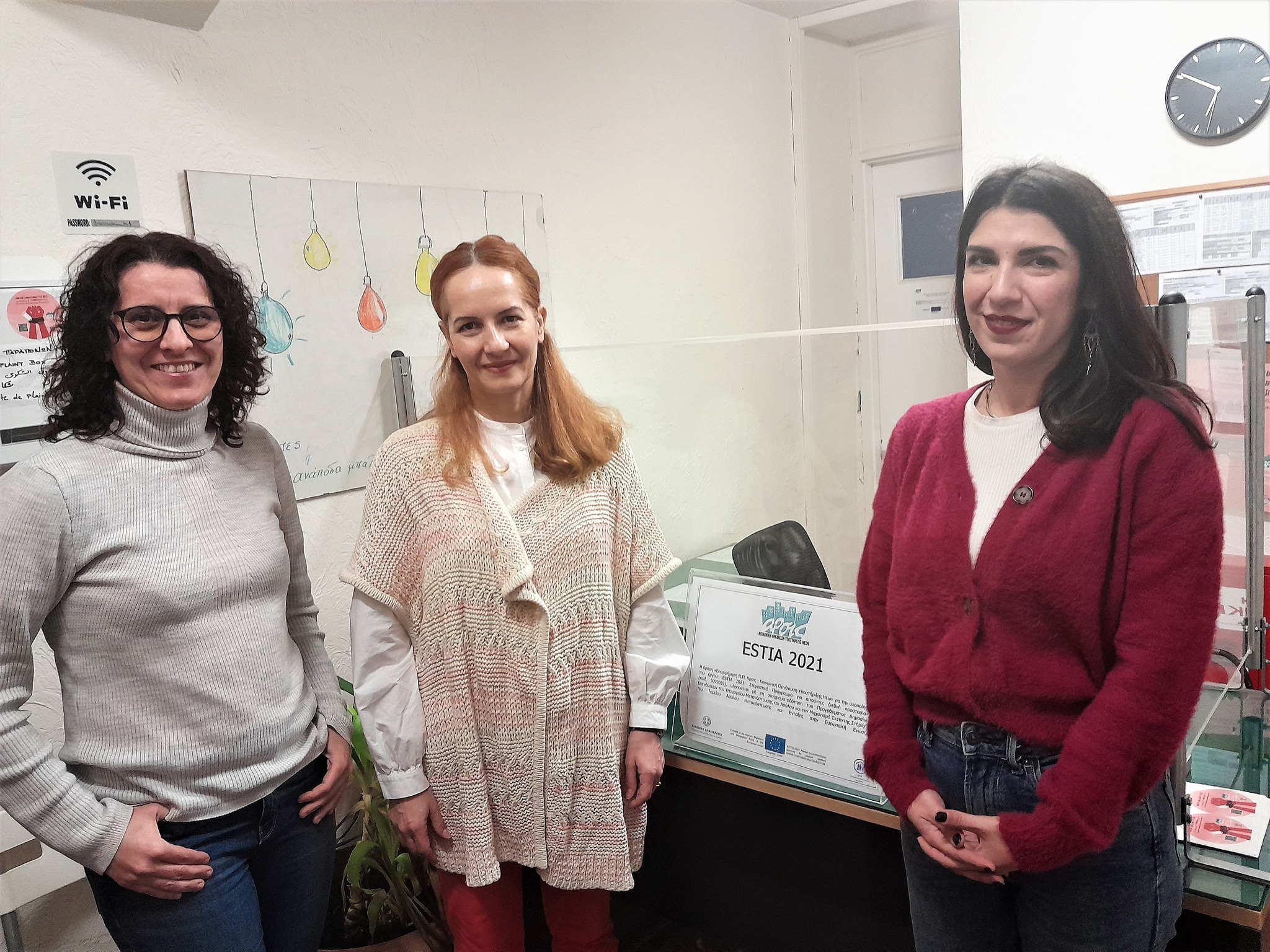
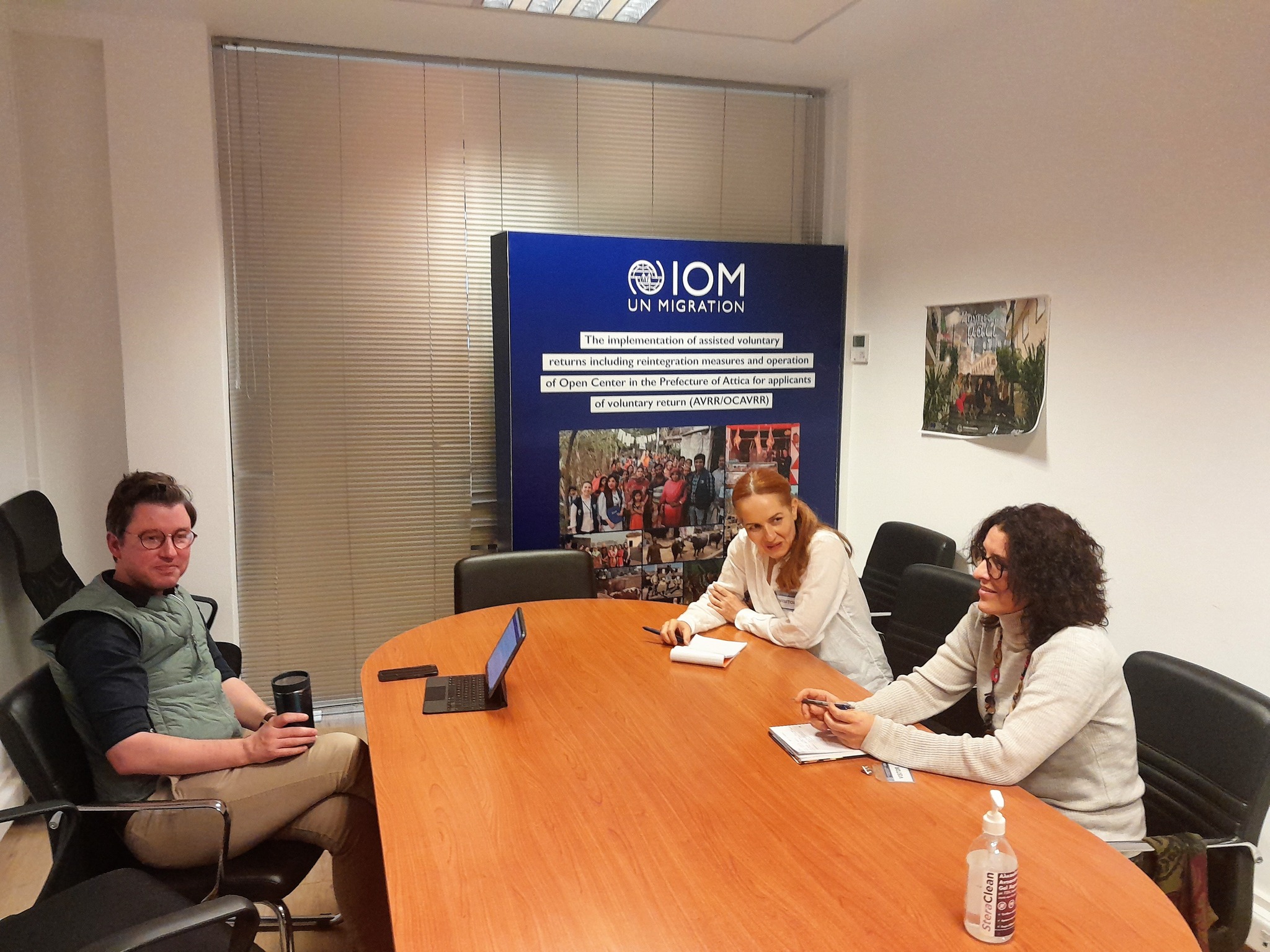
MIGREC study visit in Athens

Members of the MIGREC team, Nataša Milošević, Tamara Milanov and Ljiljana Ćumura from the University of Belgrade – Faculty of Political Science, participated in a one-week study visit in Athens, Greece.

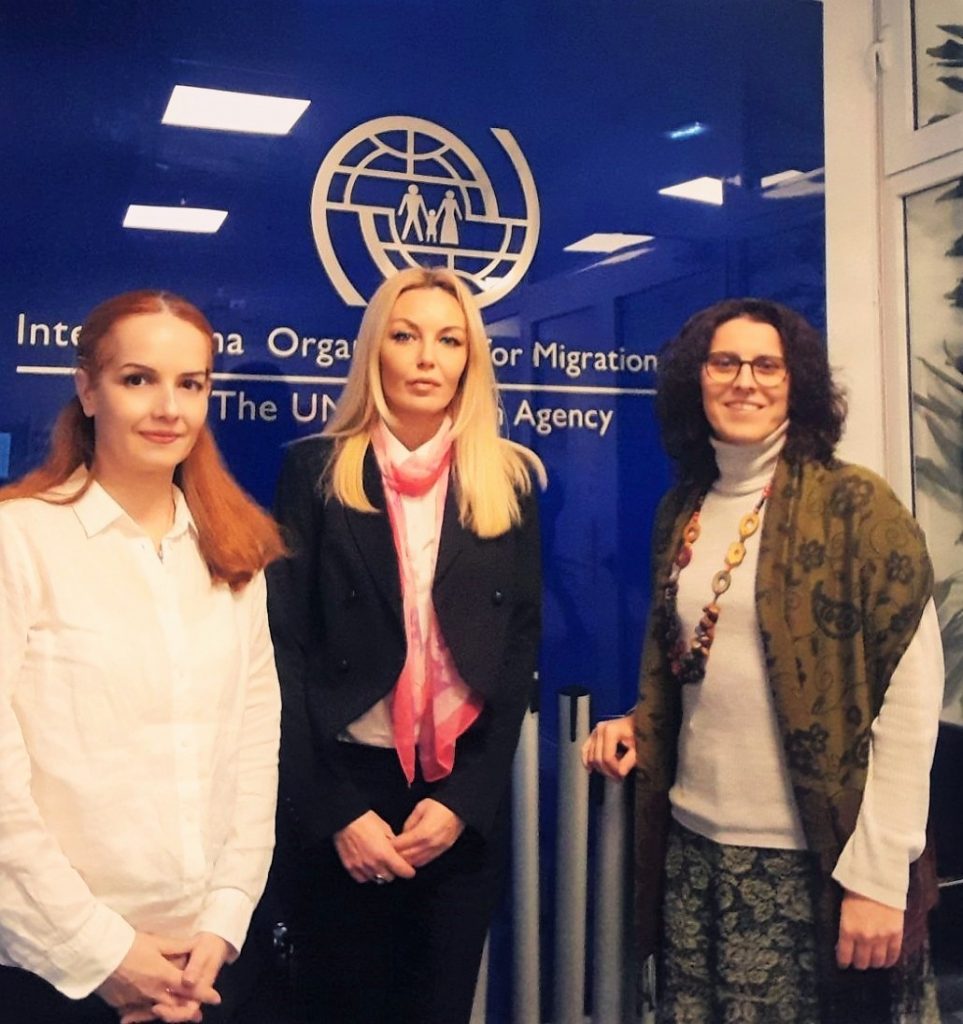
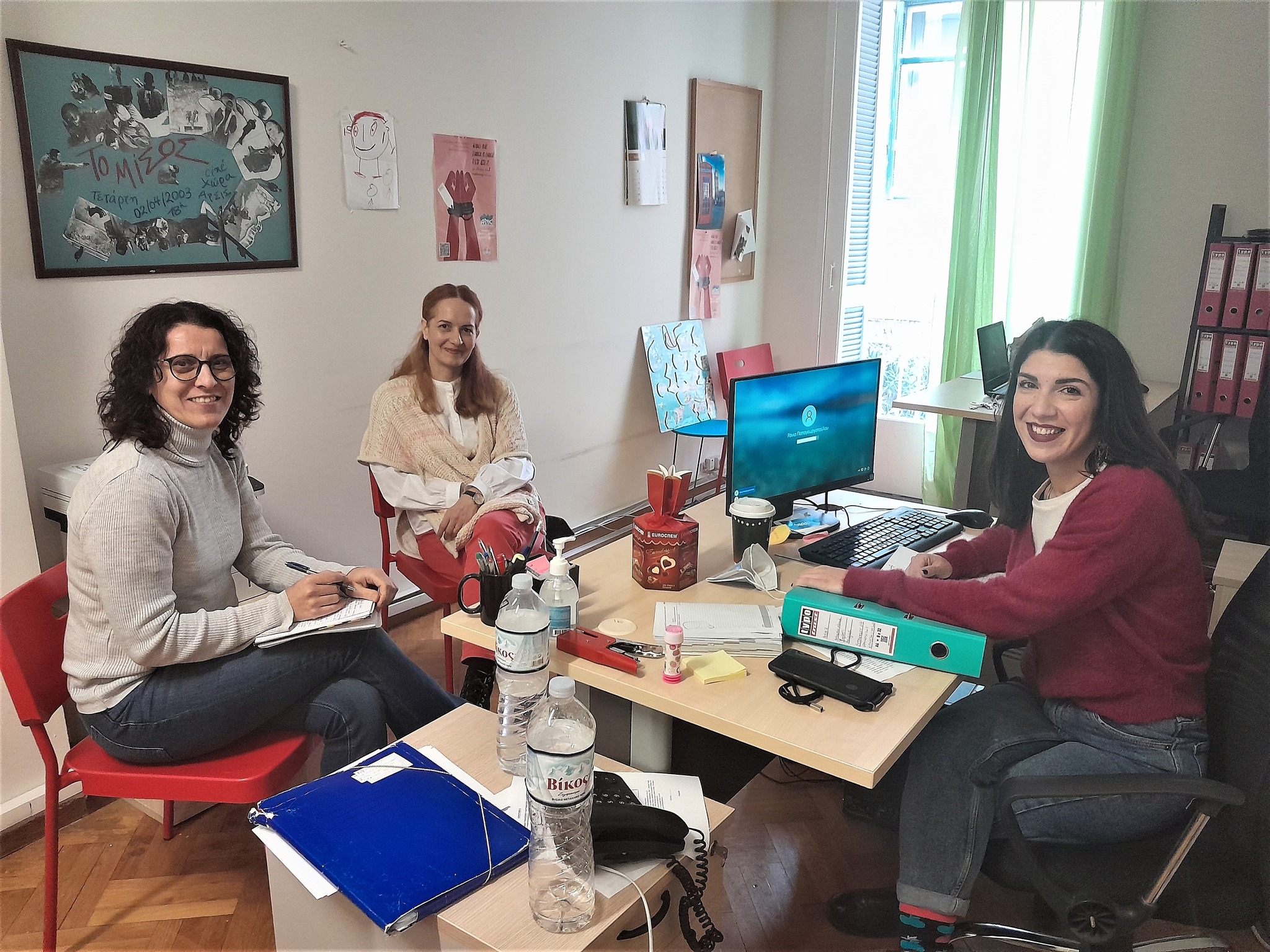
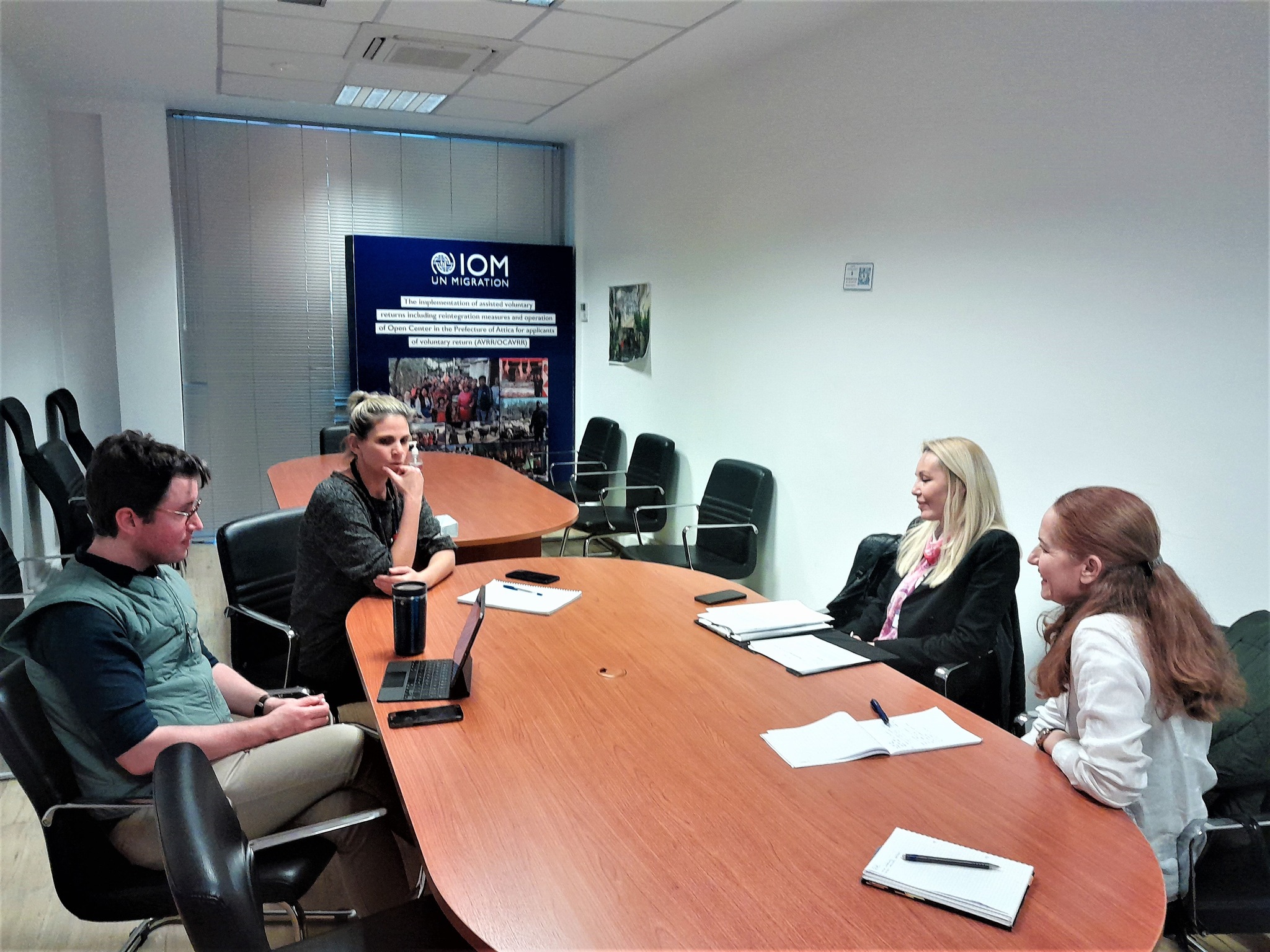
During the visit, MIGREC researchers and PhD candidates had meetings, interviews and fruitful discussions with the representatives of several national and international organizations, such as the United Nations High Commissioner for Refugees (UNHCR), International Organization for Migration (IOM), Doctors without borders/Médecins Sans Frontières (MSF), International Rescue Committee (IRC) and Arsis – Association for the Social Support of Youth.

Nataša Milošević, PhD candidate at the University of Belgrade – Faculty of Political Sciences, Department for Social Policy and Social Work, is writing a PhD thesis titled “Policies of Integration of forced migrants into the Labour Market from 2015 to 2022 in the Republic of Greece”. This study visit was an excellent opportunity for her to collect data and various perspectives from the actors involved in the process of managing the integration of forced migrants in Greece. In accordance with the research plan as part of her doctoral dissertation, Nataša conducted semi-structured interviews with IOM, UNHCR and IRC representatives.

Tamara Milanov and Ljiljana Ćumura, both PhD candidates at the University of Belgrade – Faculty of Political Sciences, Department for Social Policy and Social Work, are doing research on the topic “Complementarity of public policies and programs of international organizations in the field of migrant health care – lessons learned since 2015”. Through the meetings with representatives of MSF, IOM and ARSIS they had a chance to learn more about experience, activities, projects and initiatives regarding migrant health care and well-being not only in Greece but in North Balkan, as well.

The study visit was held from December 9 to 16, 2022 within the H2020 Migration, Integration and Governance Research Center (MIGREC) project.


MIGREC study visit in Athens Read More »