News

The workshop „Survey Design, from scratch to using data analysis tools“

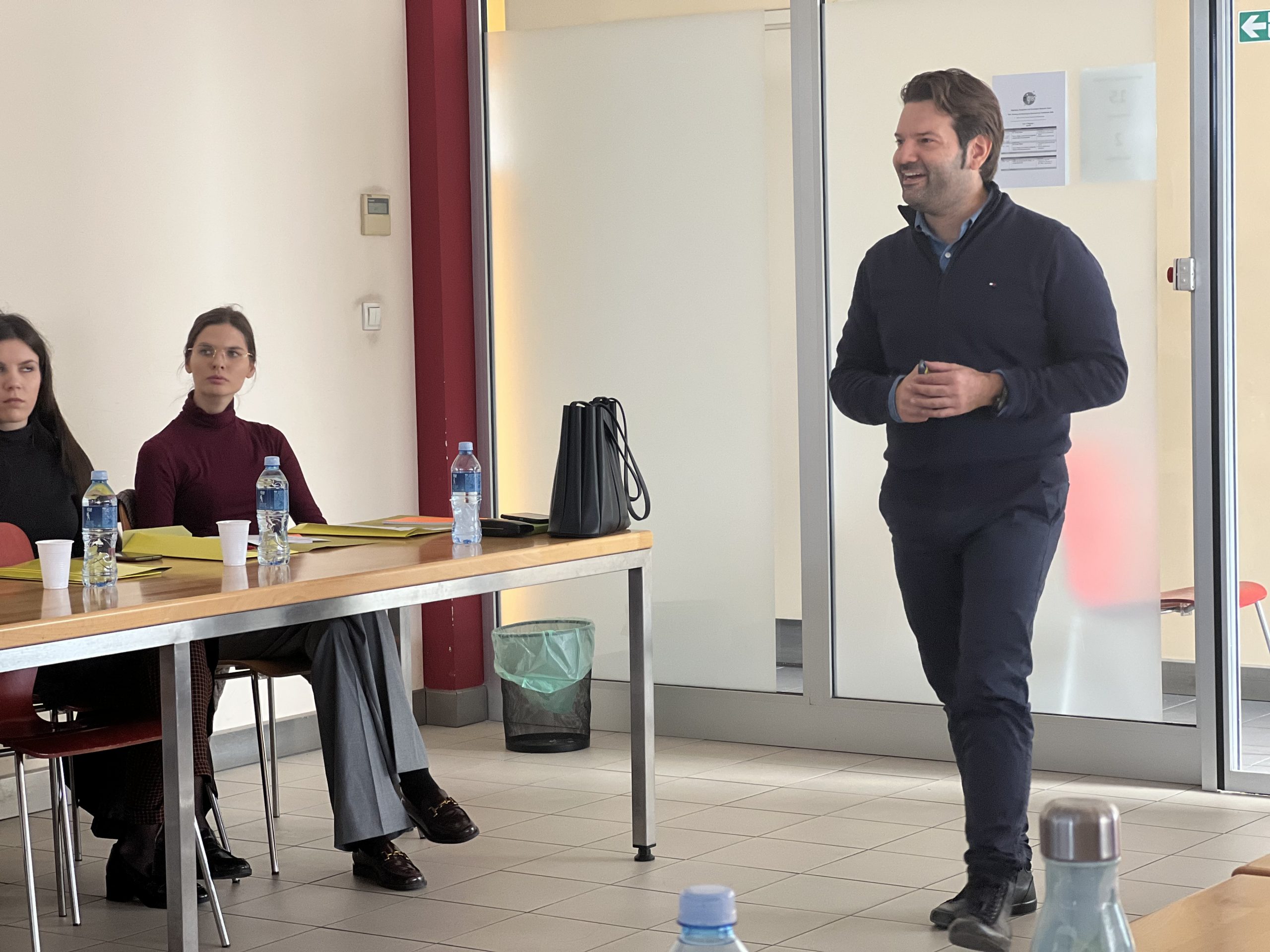
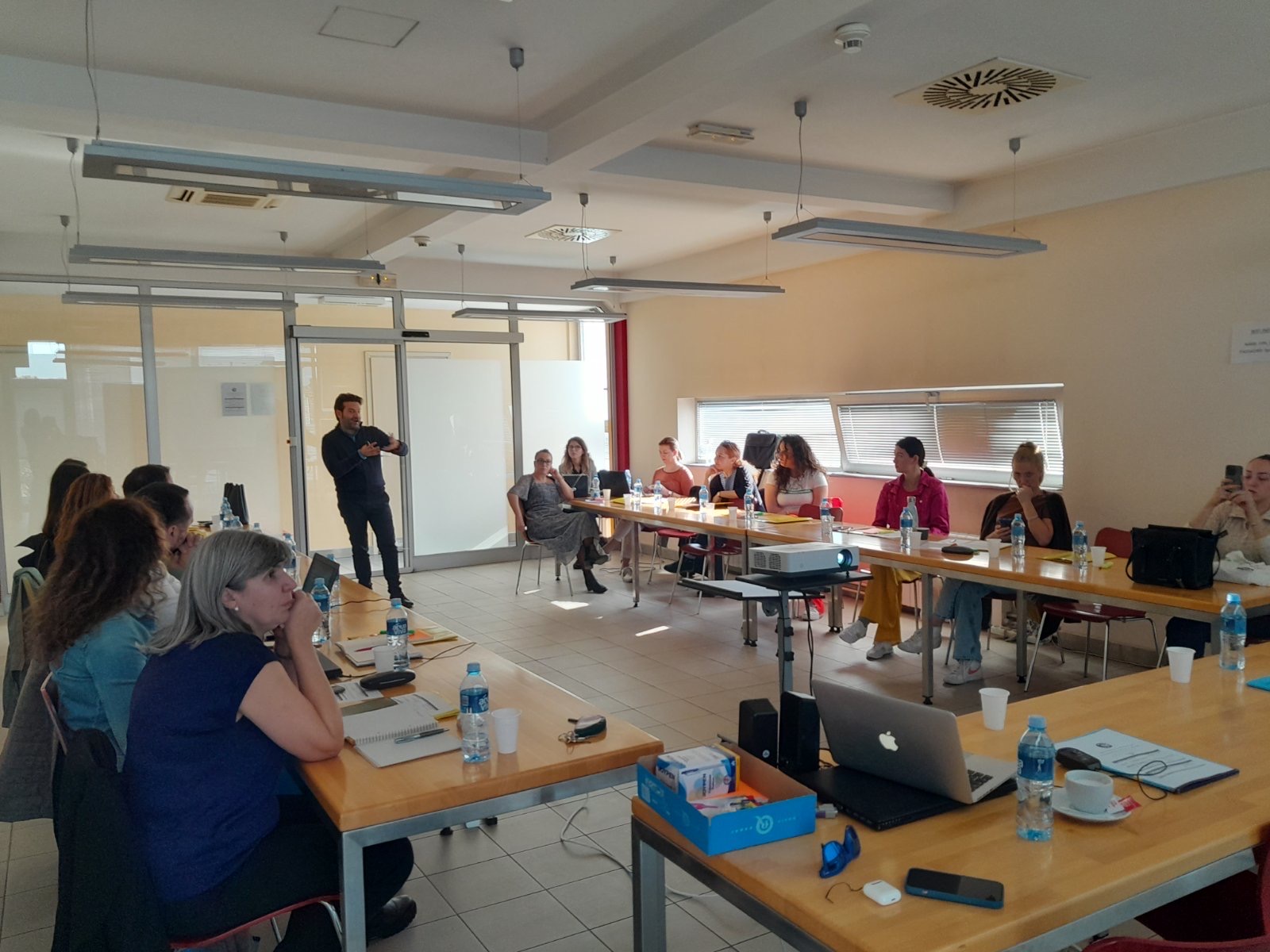
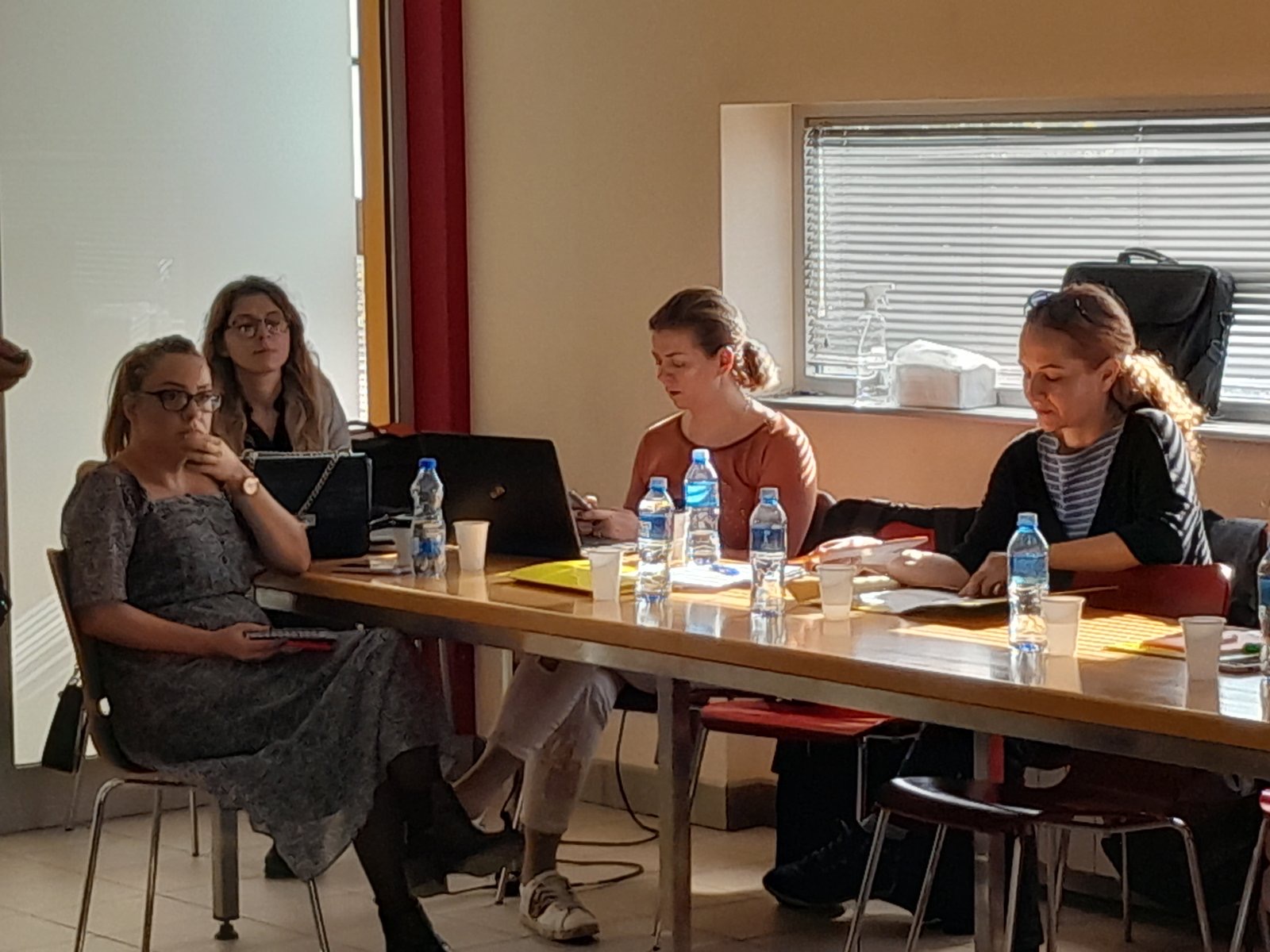
The workshop „Survey Design, from scratch to using data analysis tools“ was held at the Faculty of Political Science on October 26, 2022. Hellenic Foundation for European & Foreign Policy organized the workshop. Lecturer was Dr. George Siakas, Assistant Professor at the Department of Political Science, Democritus University, Komotini, Greece and Research Director at the Public Opinion Research Unit, University of Macedonia, Thessaloniki, Greece. Senior and junior researchers as well as PhD candidates and master students attended the workshop.

The workshop focused on the two pillars of a survey, the representation and the questionnaire design. The workshop included the following topics, such as survey design, scope, purpose, specifications of each approach, selecting an appropriate mode of data collection; questionnaire design; sample design; quality assessment of each survey as well as survey administration techniques.


The workshop „Survey Design, from scratch to using data analysis tools“ Read More »

Publishing for policy makers

Publishing for policy makers
With Angeliki Dimitriadi, Global Public Policy Institute, Berlin
25 November 2022, 9:00-13:00, classroom number 3.
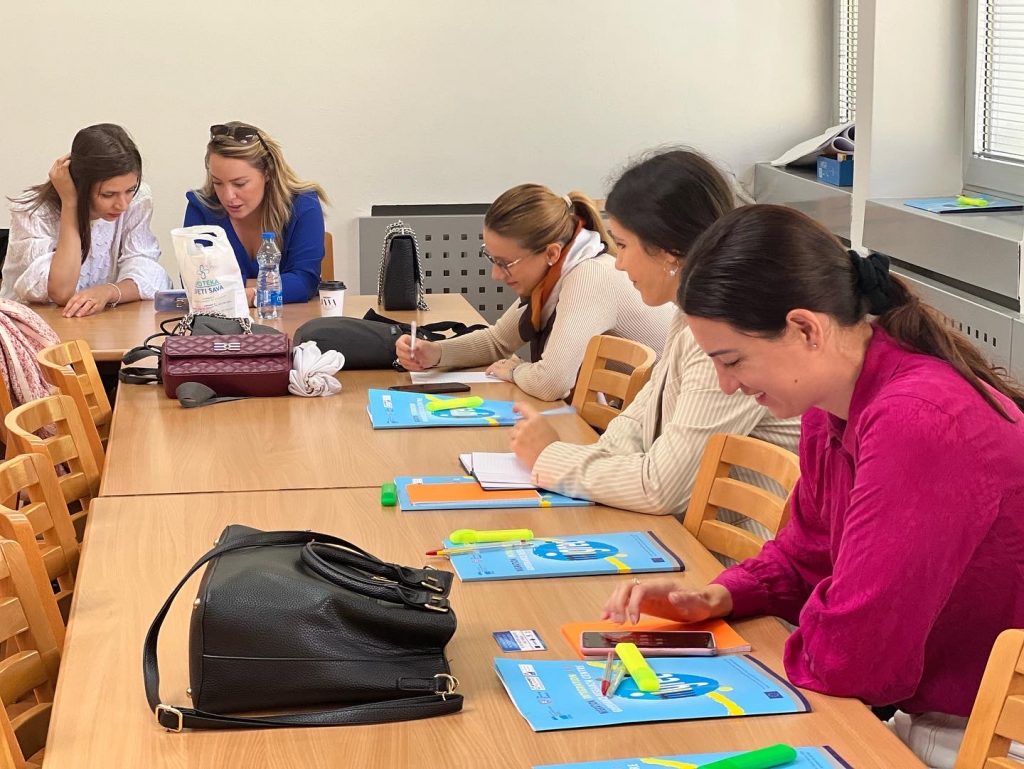
This seminar will build on Angeliki Dimitriadi’s presentation in Athens, ‘Turning research into policy’. In a very practical workshop, participants will develop their own policy pitch with Angeliki’s guidance.
Participants should bring a policy pitch outline (e.g. a basic structure with bullet-point arguments) to discuss. Suggested topic: the europeanisation of migration management in the Western Balkans (or Serbia). Things to consider as you prepare your outline: What topics are relevant to policy making? Assume this will be read by think tankers, policy analysts at the European Commission as well as within the government  – this means you can expect and take into account critical reflections, positives and negatives to your pitch.

Publishing for policy makers Read More »

MIGREC at the conference “Migration on the edge of Europe: Trends, policies, and challenges”

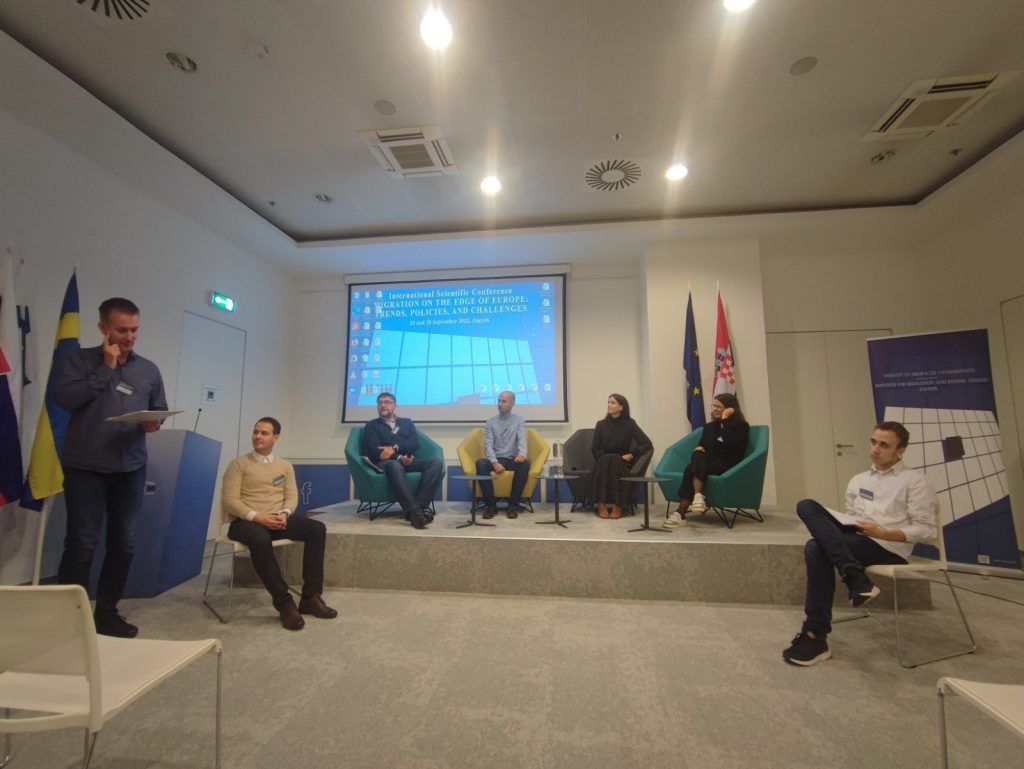
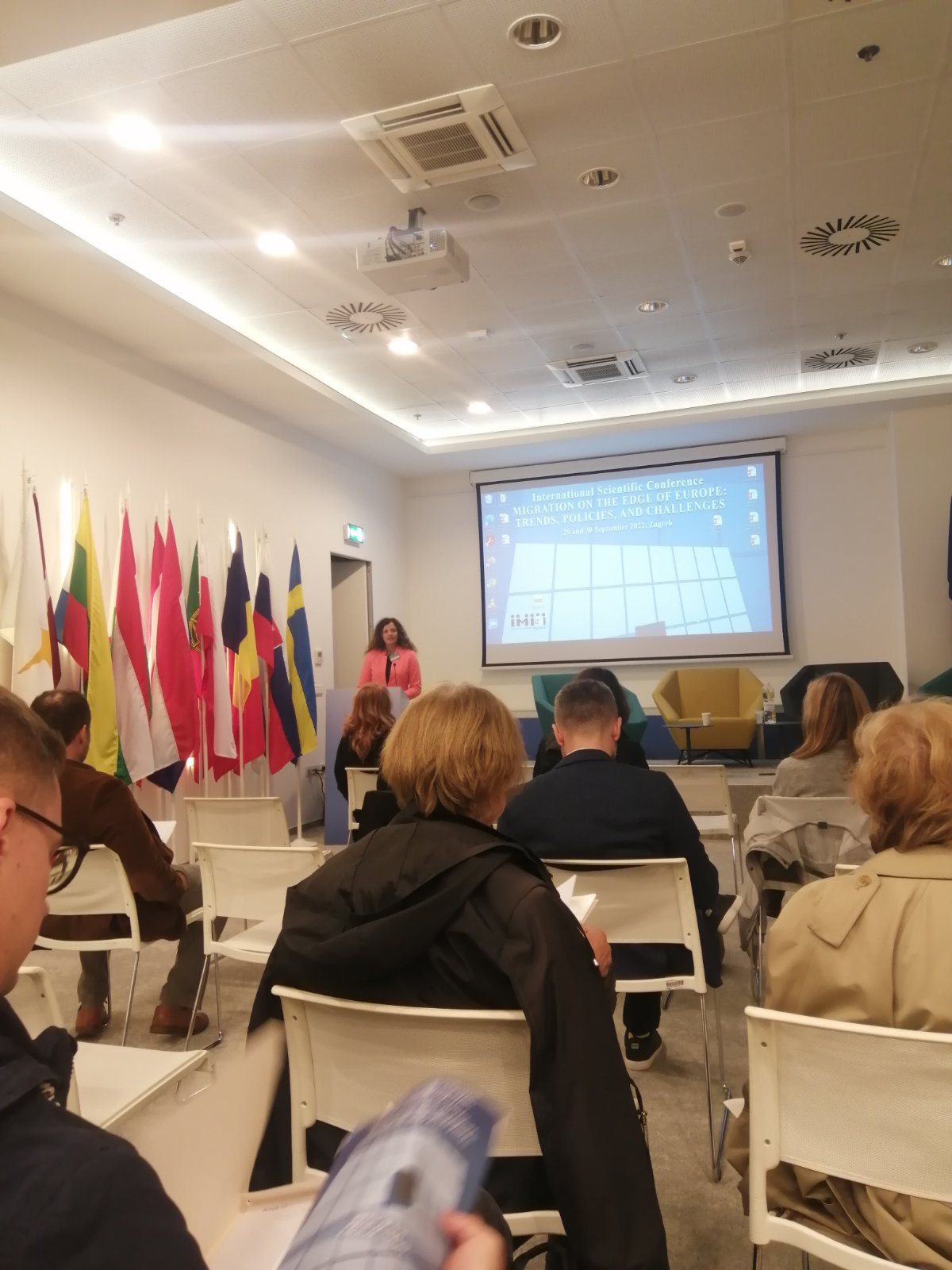
The international scientific conference “Migration on the Edge of Europe: trends, policies and challenges”, organized by the Institute for Migration and Ethnic Studies (Croatia), was held in Zagreb on September 29-30, 2022. The conference brought together scholars and experts from the region and worldwide working on migration issues and included many panels and discussions. Members of the MIGREC team presented three papers.

Natalija Perisic and Dejan Pavlovic presented their paper entitled “The Vicious Cycle of Migration Policy Planning in the Republic of Serbia.” The authors discussed whether there is authentic strategic thinking and action in Serbia regarding the challenges of migration. Accordingly, they analyzed numerous laws, regulations, and policies related to formal migration policy. They emphasized that migration management in Serbia is also influenced by other incentives that come from the EU or international organizations dealing with migration.

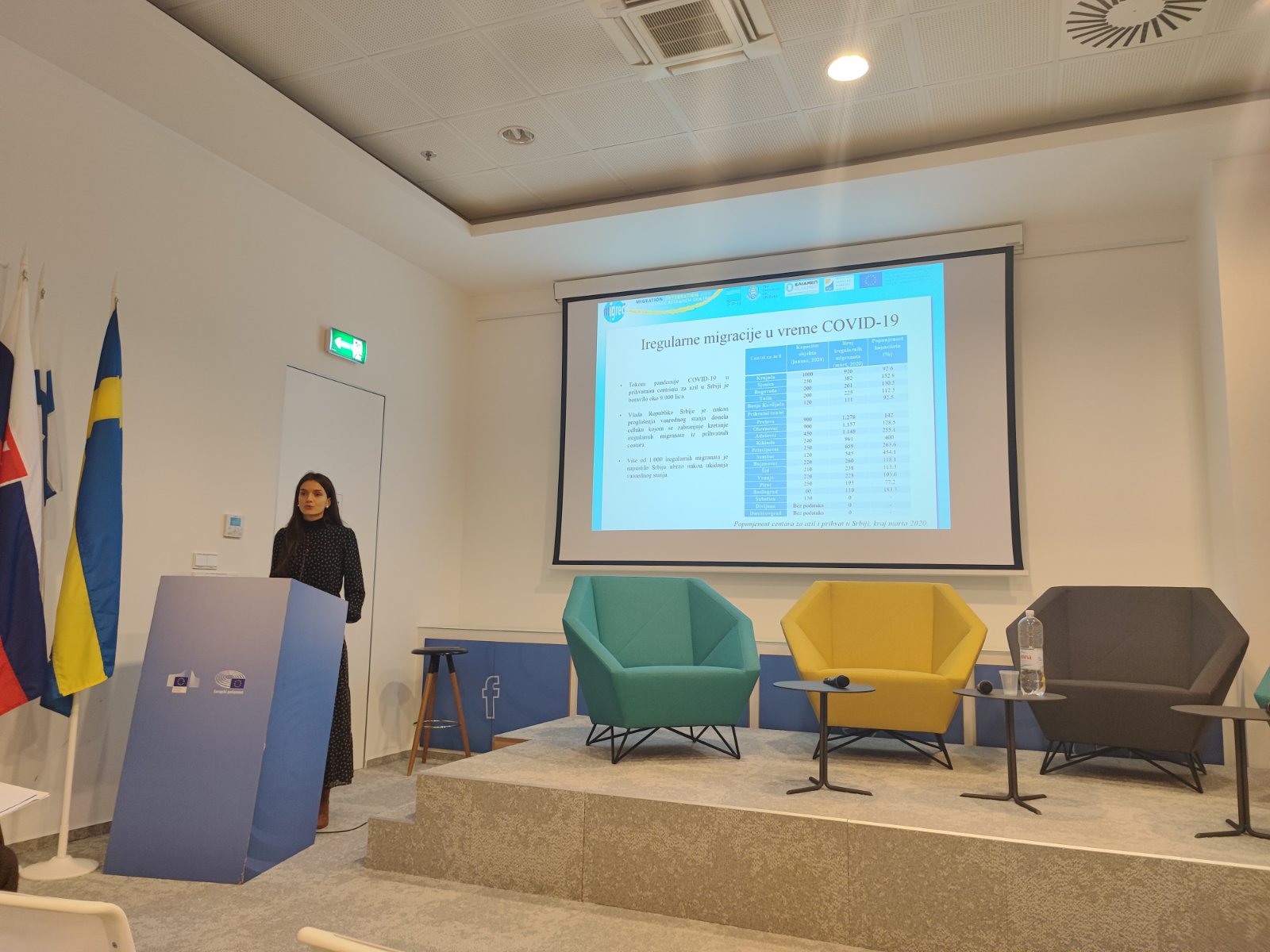
Danica Santic, Marija Antic, Milica Langovic, and Natalija Perisic presented the paper entitled “The Impact of COVID-19 on the Migration Patterns in Serbia”. The presentation aimed to determine the change in migration trends in Serbia since 2020 under the impact of the COVID-19 pandemic. It was pointed out that during this period returnees and irregular migrants were particularly vulnerable. The researchers also discussed migration policies in Serbia during this period towards these categories of migrants.

Milica Langovic, Danica Santic, Biljana Apostolovska-Tosevska, Mirjanka Madjevikj and Marija Ljakoska presented their research “Identification of Migration Intentions of Geography Students in Serbia and North Macedonia”. The presentation focused on the migration intentions of students and the factors that influence their decision to migrate or stay in their country of origin. It was highlighted that a large number of students in Serbia and Macedonia intend to migrate. Accordingly, certain measures were offered to reduce the outflow of young people from these countries.


MIGREC at the conference “Migration on the edge of Europe: Trends, policies, and challenges” Read More »

MIGREC at the Serbian Political Science Association Annual International Conference

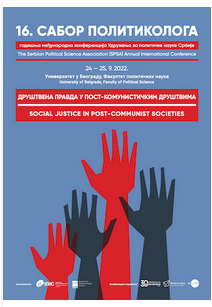
The 16th International scientific conference “Social Justice in Post-Communist Societies”, organized by the Serbian Political Science Association (SPSA) took place at the Faculty of Political Science in Belgrade, from 24-25 September 2022. The Conference focus was on the analysis of social justice in post-communist transformation, from political and economic perspectives.

MIGREC team members presented two papers.

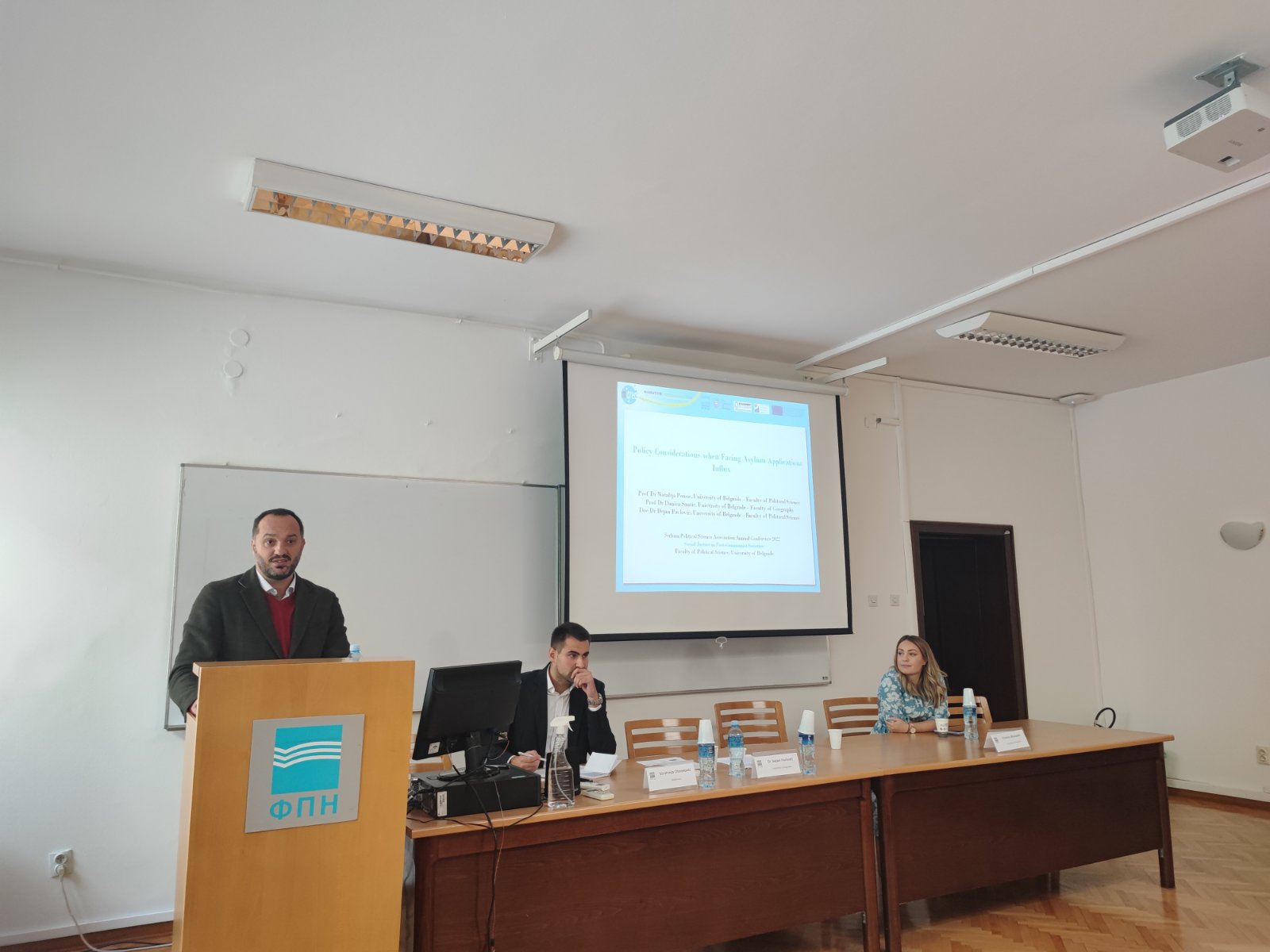
Dejan Pavlović, Danica Šantić and Natalija Perišić presented their paper titled „Policy Considerations when Facing Asylum Applications Influx”. They pointed to increased numbers of asylum applications globally, including the Western Balkans and Serbia, along with low rates of positive decisions. They showed that a governmental stance is influenced by numerous factors, some of them being: solidarity, international obligation to non-refoulment, political considerations, level of xenophobia in that state, media coverage, pressure from the civil society. In that context, authors showed governments’ actions in the region regarding the social justice in their treating asylum seekers.

Nevenka Žegarac, Anita Burgund Isakov and Violeta Marković presented their paper titled “Multiple and prolonged traumas – experiences of children with violence on the Western Balkans Route”. They pointed that children migrating along the Balkans Route have been exposed to all basic (physical, psychological and sexual) and many other types of violence, along with other endangering circumstances, in the countries of origin and transit. In children and in their narratives, there are symptoms characteristic of prolonged exposure to multiple traumatic experiences. Authors highlighted that experiencing such traumas in the most vulnerable part of children’s life has consequences on their development and can be connected with immediate and long-term negative impact on their health.


MIGREC at the Serbian Political Science Association Annual International Conference Read More »

MIGREC at the conference “Challenges of Central and Eastern Europe – Conflicts and Migration”

The international scientific conference “Challenges of Central and Eastern Europe – Conflicts and Migration”, organized by the Institute of Central and Eastern Europe, the Three Seas Foundation and the Doctoral Science Club on Politics of the University of Silesia, Poland was held online on September 13-14, 2022. The conference brought together scholars and experts from the region of Central and Eastern Europe and worldwide working on migration and peace issues and included many panels. The overall framework of the conference was set by developments from recent months during which the world witnessed the migration crisis on the Polish – Belarusian border, with currently about 2 million Ukrainian refugees in Poland. As a consequence, migration challenges in Europe intensify.

Natalija Perisic, member of the MIGREC team, presented at the expert panel her presentation “Conflicts and Migration – A View from Serbia”. She touched the challenge of migration and conflicts in the context which is social, historical, economic and legal. She focused her presentation around the impact of wars on migration and mobility in the Western Balkans, the differences between the impact of migration “crisis” of 2015 and the Ukrainian crisis in Serbia and preparedness of the state to react in emergency situations. She also presented the main obstacles and opportunities for the integration of migrants in Serbia as well as the impact of war trauma to the destination communities.


MIGREC at the conference “Challenges of Central and Eastern Europe – Conflicts and Migration” Read More »

Summer School “Migration and the Crises of Solidarity in Europe”

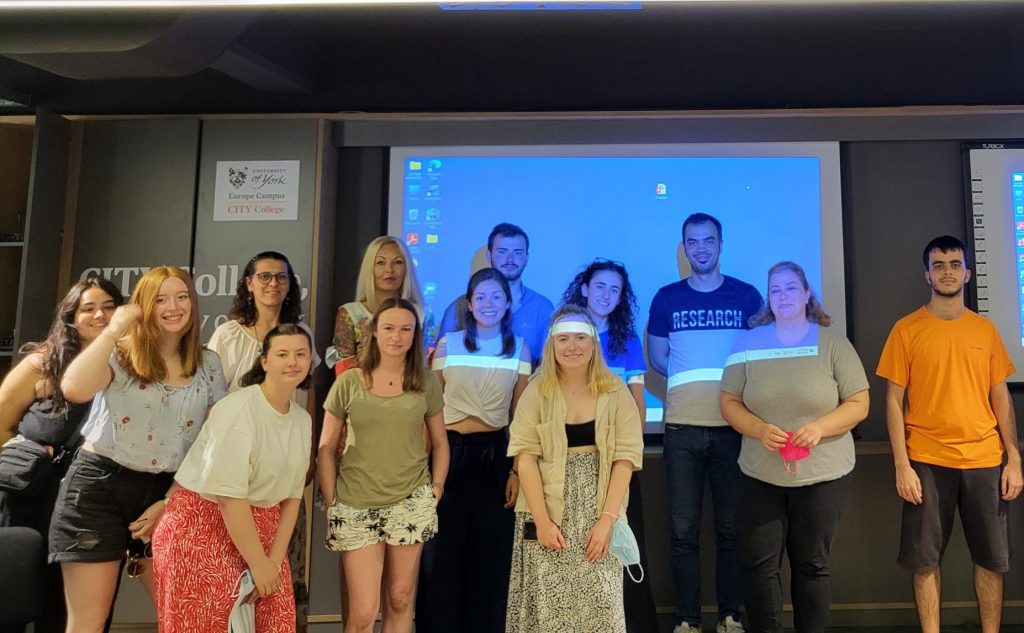
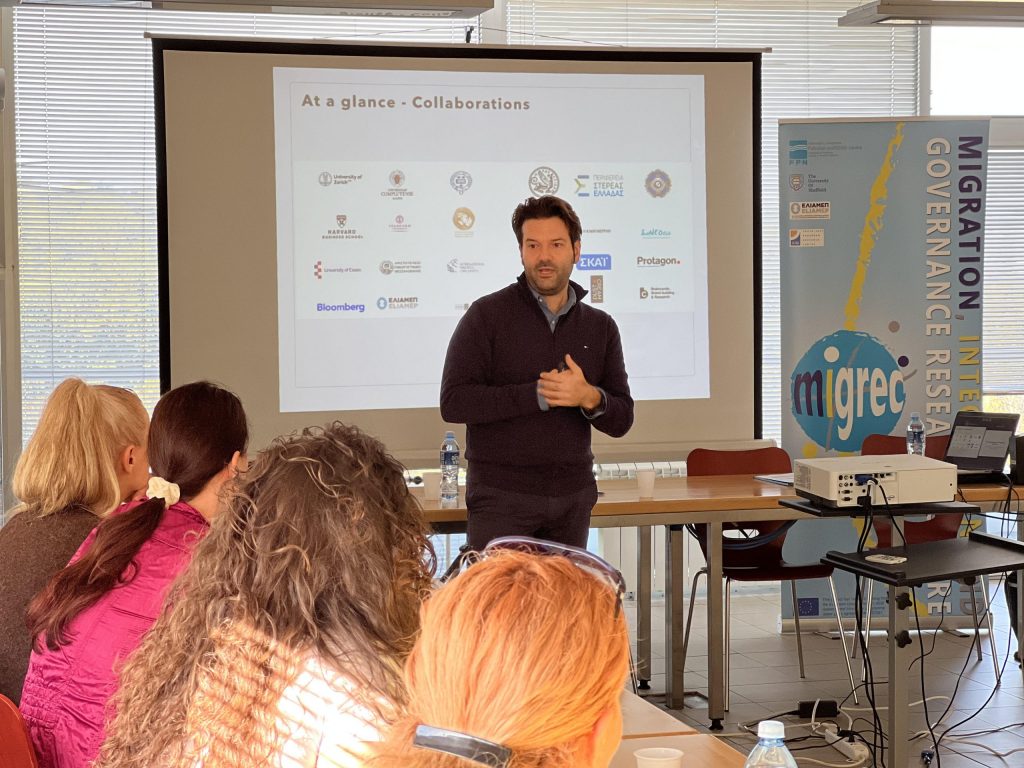
The study visit to Thessaloniki and the participation of MIGREC team members Nataša Milošević and Ljiljana Ćumura, in the Summer School “Migration and the Crises of Solidarity in Europe”, was realized in the period from July 1st to 8th, 2022. The organizer of the Summer School was CITY College, University of York, Europe Campus in partnership with The University of York Migration Network (MIGNET), The Department of Politics of the University of York, The Department of Politics of the University of Sheffield, The Department of Sociological Studies of the University of Sheffield and The University of Sheffield Migration Research Group.

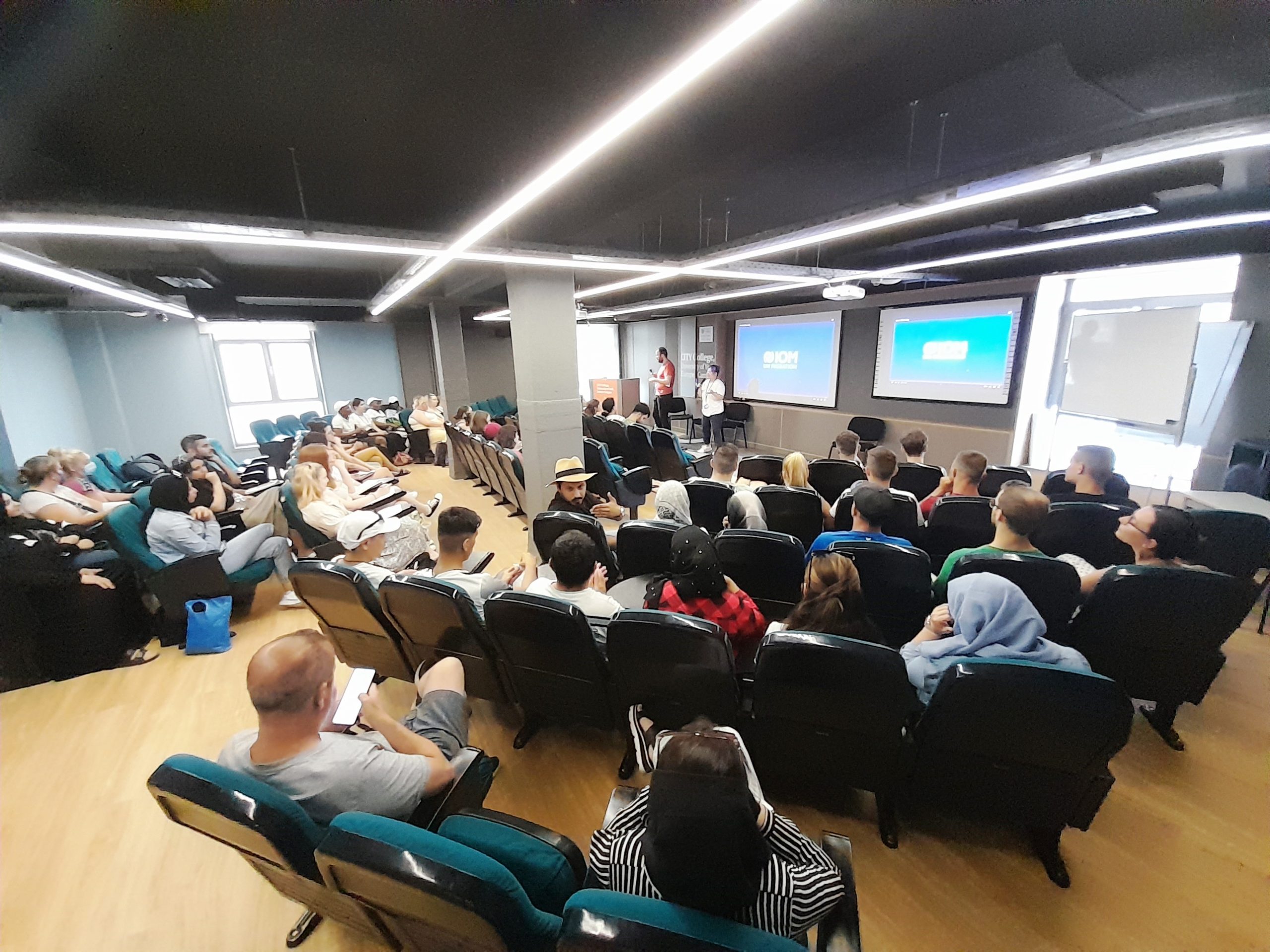
On the first day prof. Dr. Alexandra Prodromidou (SEERC, CITY College, University of York), MSc Nikos Zaharis (Director of the South East European Research Center), and Dr. Kelly Pasmatzi (SEERC, CITY College, University of York) gave a welcome speech and introduced the content and objectives of the summer school program. After that, participants had the opportunity to meet the history migration of Thessaloniki through a guided tour of Jewish culture and historical monuments. In the second part-day staff, International Organization for Migration (IOM) introduced various policies and programs for the integration of migrants and refugees in Greece.

The next day participants learned about the Ottoman cultural and historical monuments in Thessaloniki through the guided tour and visit of various sites. In the afternoon, Dr. Eli Auslender (York University – Politics) gave a lecture on the topic “Brick-by-Brick integration: The Importance of Housing Choice for Refugees”.

On the third day students, lecturers and professors toured settlements outside Thessaloniki and got acquainted with economic and social activities which have a strong influence on the socio-economic development of Greece.

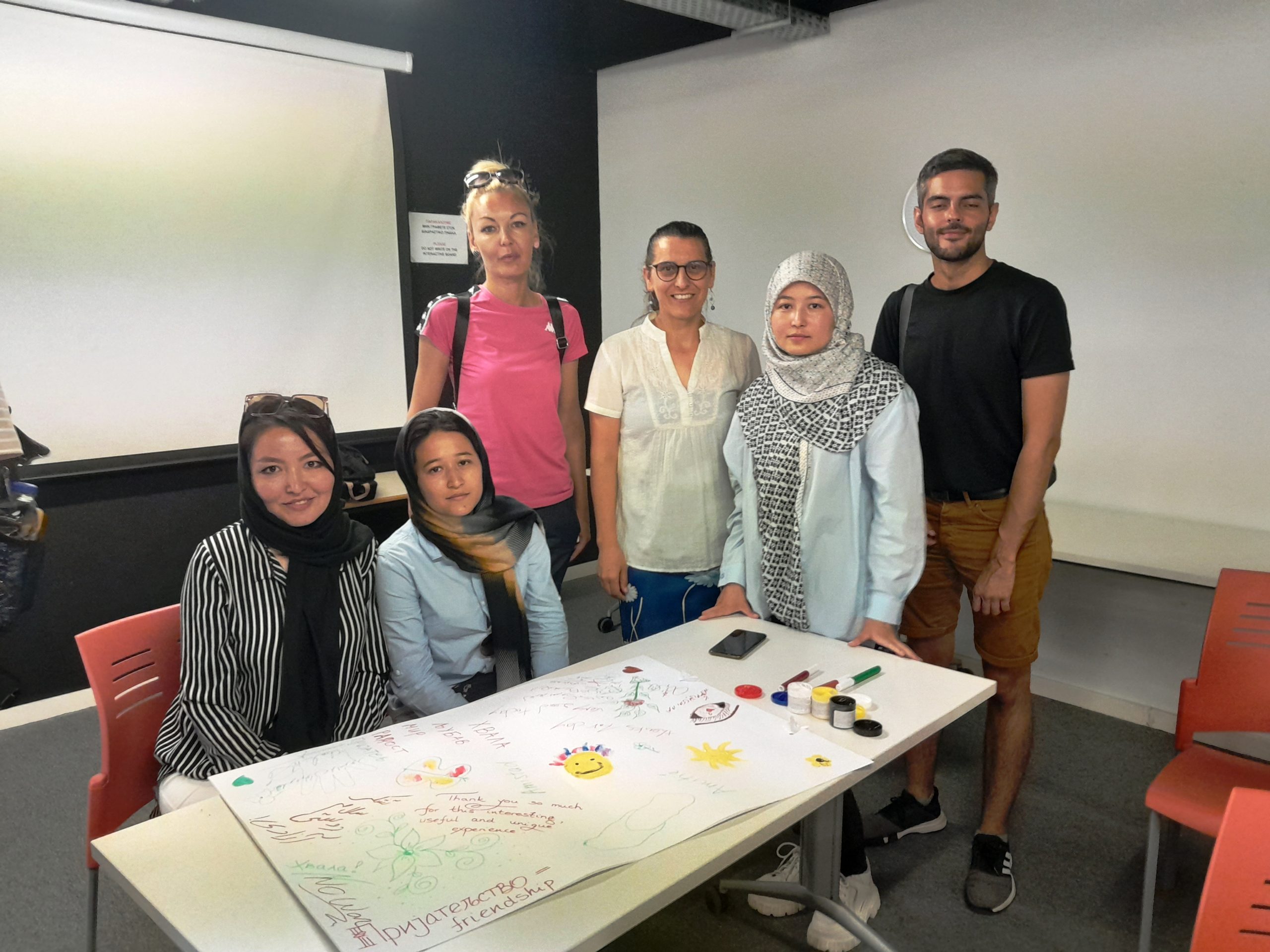
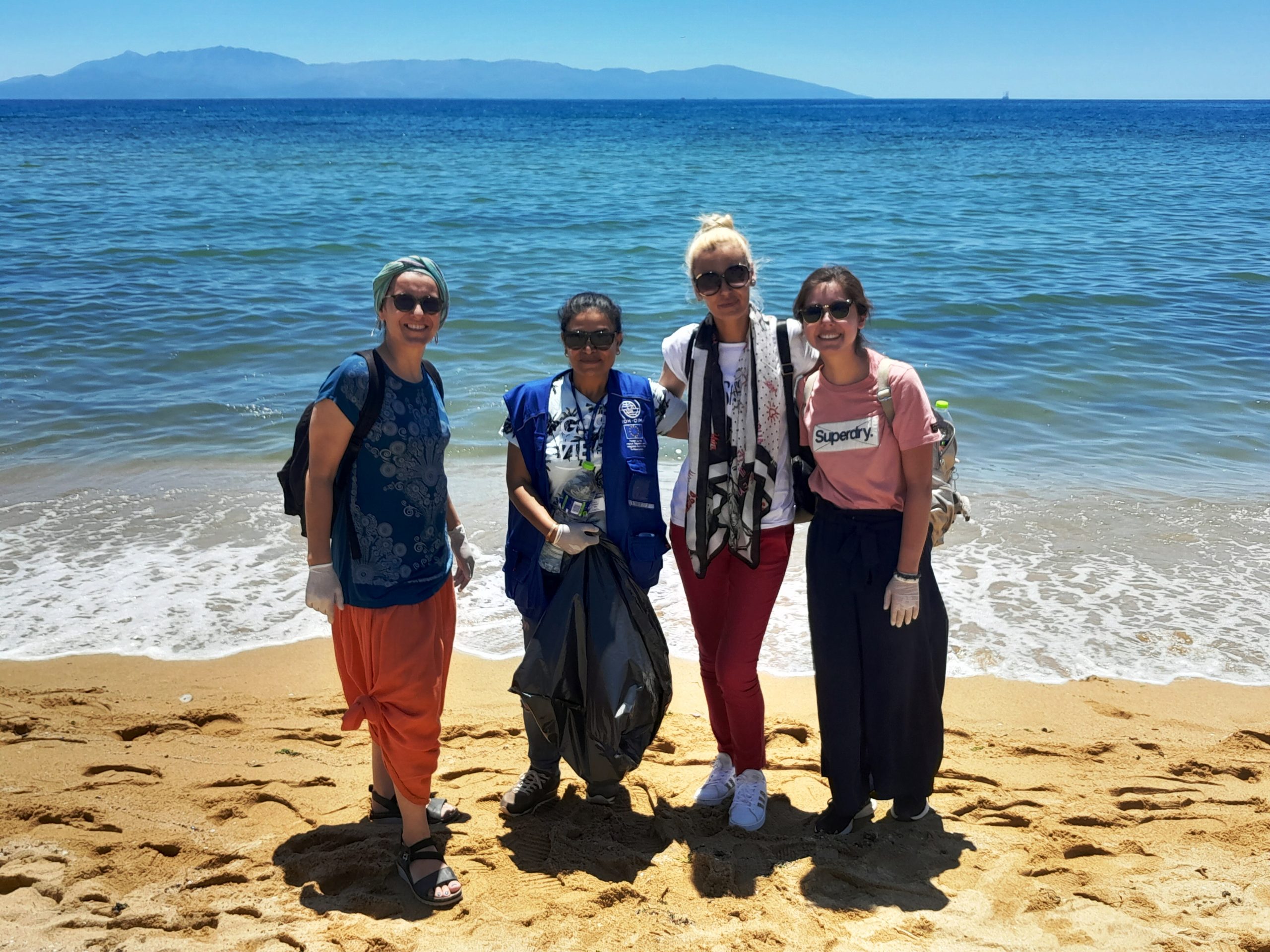
The fourth day was a unique experience. Together with IOM Greece, participants visited the Kavala Refugee camp and on that occasion with migrants and refugees realized a few socially useful activities, with goal advancements and conservation life environment. Members of MIGREC team had a chance to speak with educators, translators, cultural mediators, refugees, representatives of various civil society organizations, such as Solidarity Now, and finally with the members of the Ministry of Education Greece.

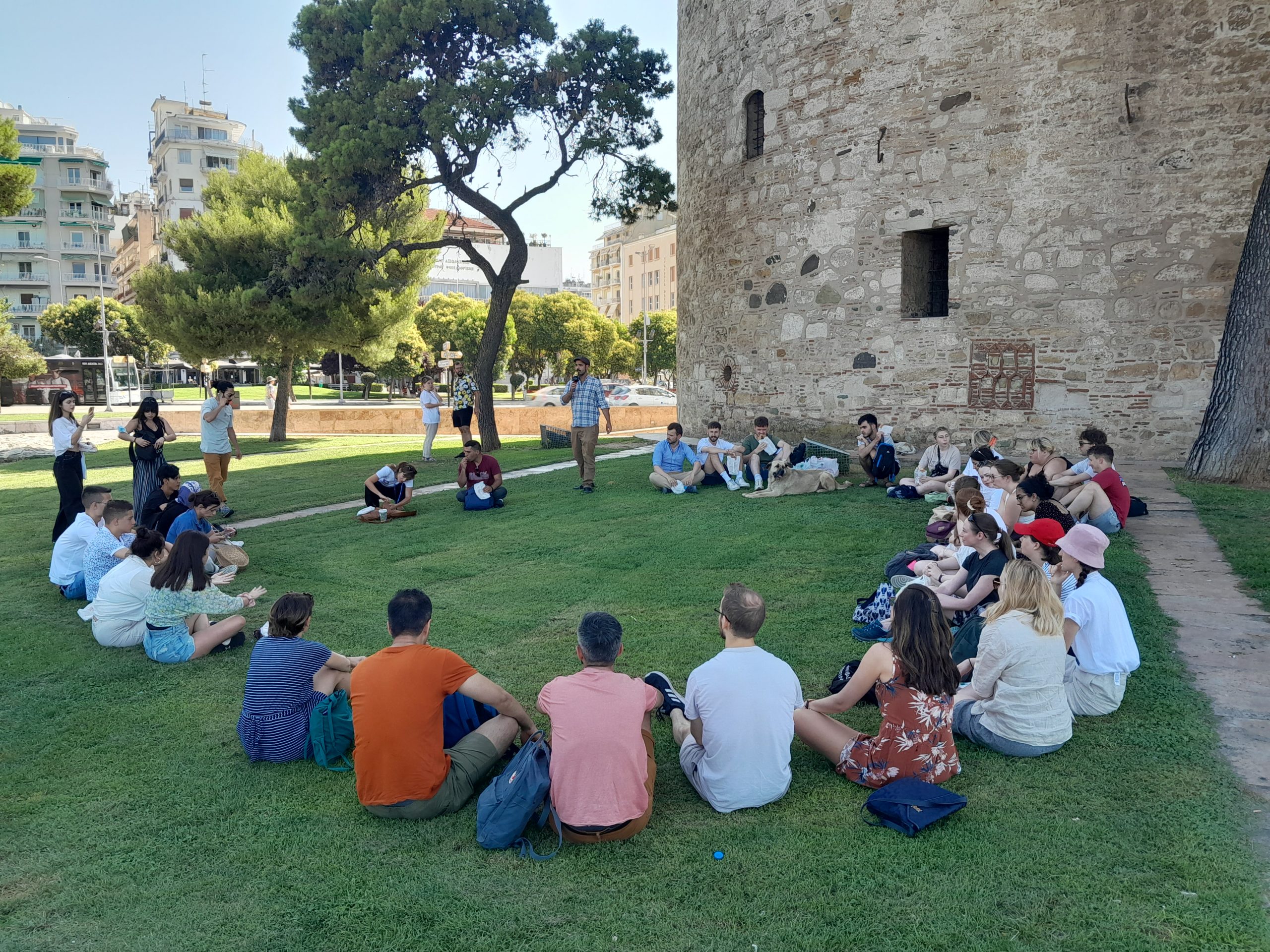
On the fifth day, IOM realized outdoor, creative, and educative activities for students and migrants with an aim to support migrants and refugees in practicing English language. In the second part of the day, Dr Patricia Martuscelli (University of Sheffield – Politics) gave a lecture on the topic “Challenges to the Protection of Refugee Children”. The next day, the group visited the White tower and had a workshop about the history and culture of Thessaloniki using the museum education methodology.

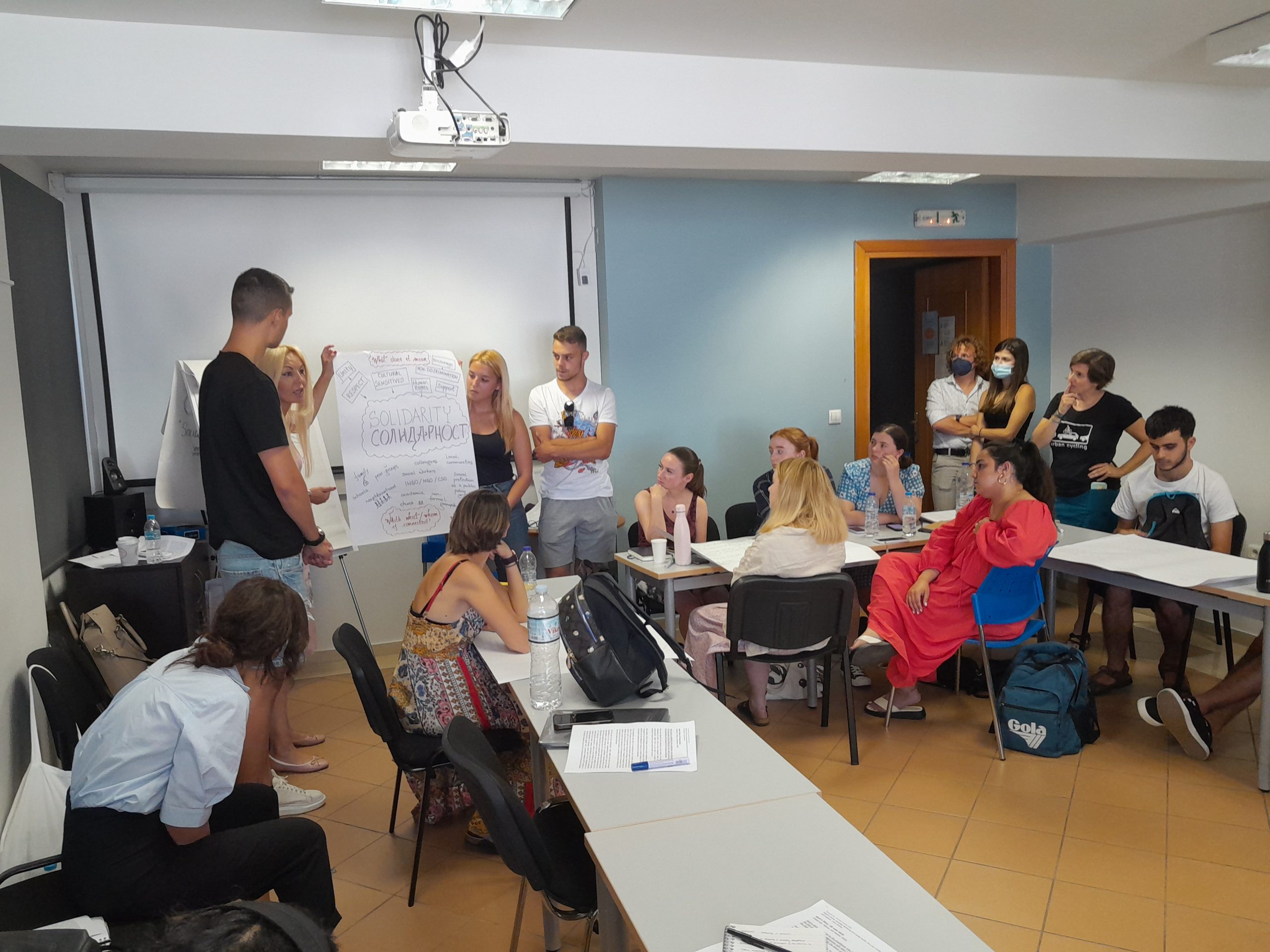
On the seventh day prof. Dr. Simon Parker (Department for Politics University of York) gave a lecture on “Refugee Solidarity in Pandemic Times: Lessons from London”. The workshop “Solidarity in practice. Lessons from the field” was delivered by Verena Fink from Ecopolis – EMT. In the afternoon session, Dr. Maria Teresa Ferazzoli (University of Sheffield – Sociological Studies) realized the interactive lecture on the topic “Right to health, everyday bordering, and mental health: two case studies from Italy and England”.

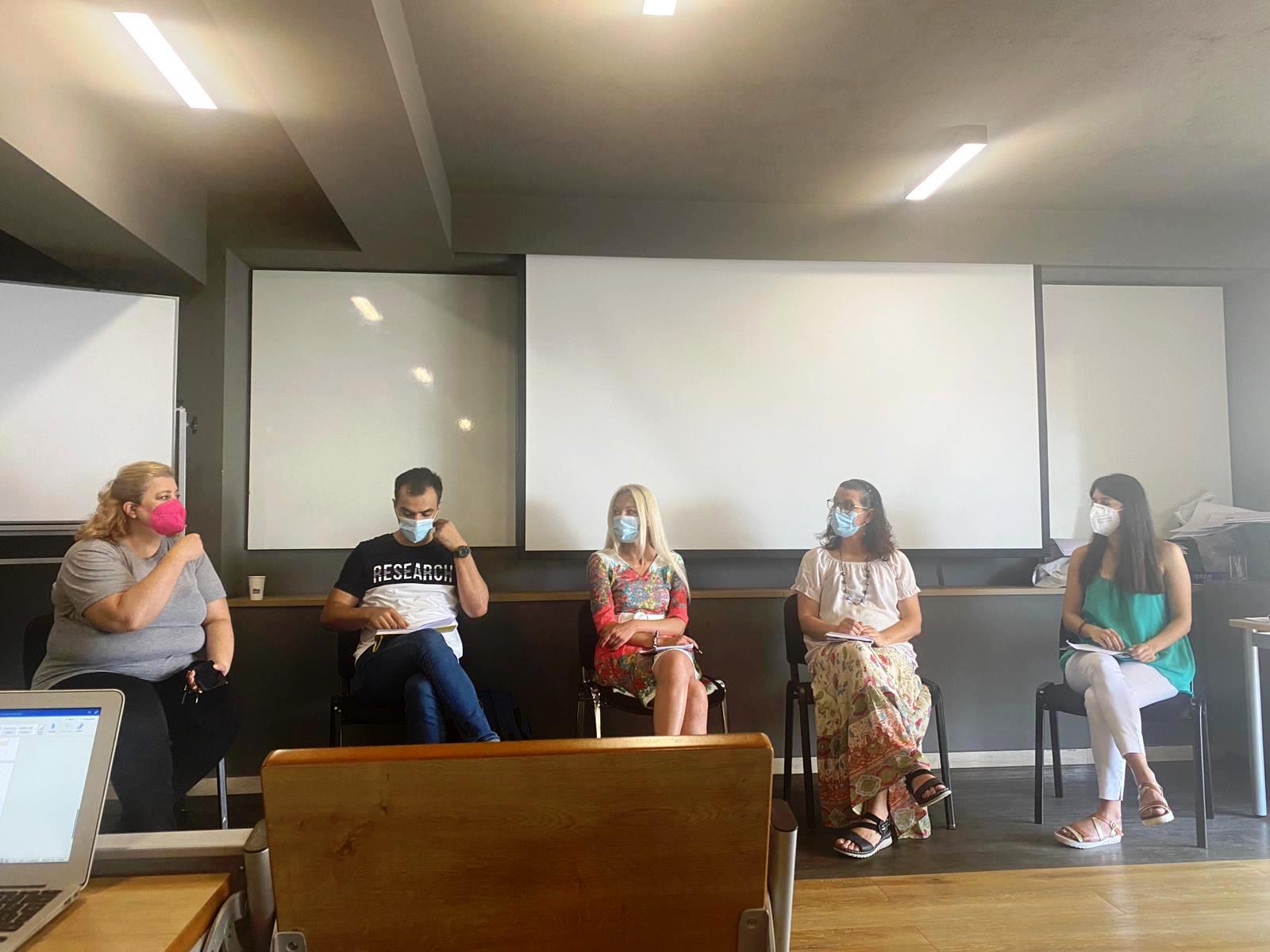
The last day of the summer school was dedicated to networking and sharing good practices. PhD students: Mucahit Aydemir (University of Sheffield), Natasha Milošević (University of Belgrade), Ljiljana Ćumura (University of Belgrade), and Foteini Faye Ververidou (University of Sheffield) participated in the panel discussion on the topic “Challenges of doing a PhD on Migration” moderated by prof. Dr Alexandra Prodromidou. Milošević and Ćumura presented the activities and outcomes of the international H2020 program project “MIGREC”, coordinated by the Faculty for Political Science, University of Belgrade. A special focus of this panel was on ethics, challenges, and mixed methodology in migration research.

In the final session, researcher and activist Phevos Simonidis (Researcher – Activist) presented the lecture “Conducting research and investigations on human rights violations in Greece through testimonies (practices and considerations)”.

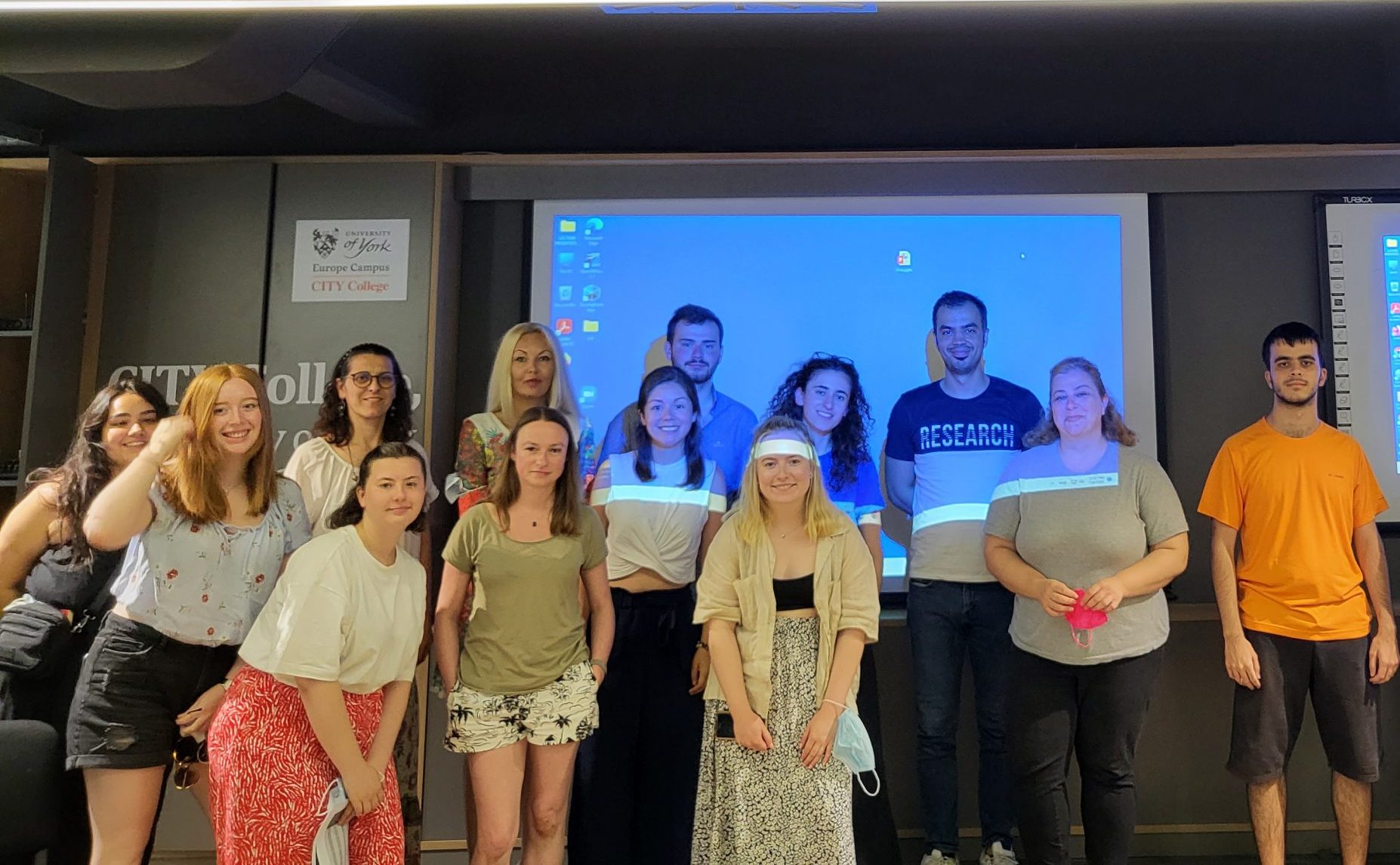
More than 50 students took part in the 4th edition of Summer School. Besides MIGREC team from Serbia and Greece, students came from Great Britain, Germany, Chile, Brazil, Albania, Turkey, Bulgaria, France, Poland, USA, Spain, Italy, Uruguay, etc. It was a great opportunity to share the experience and create new initiatives in the field of migration and solidarity in crisis.

Summer School “Migration and the Crises of Solidarity in Europe” Read More »

MIGREC at the Conference CHILD MIGRATION AND INTEGRATION: TRENDS & CHALLENGES

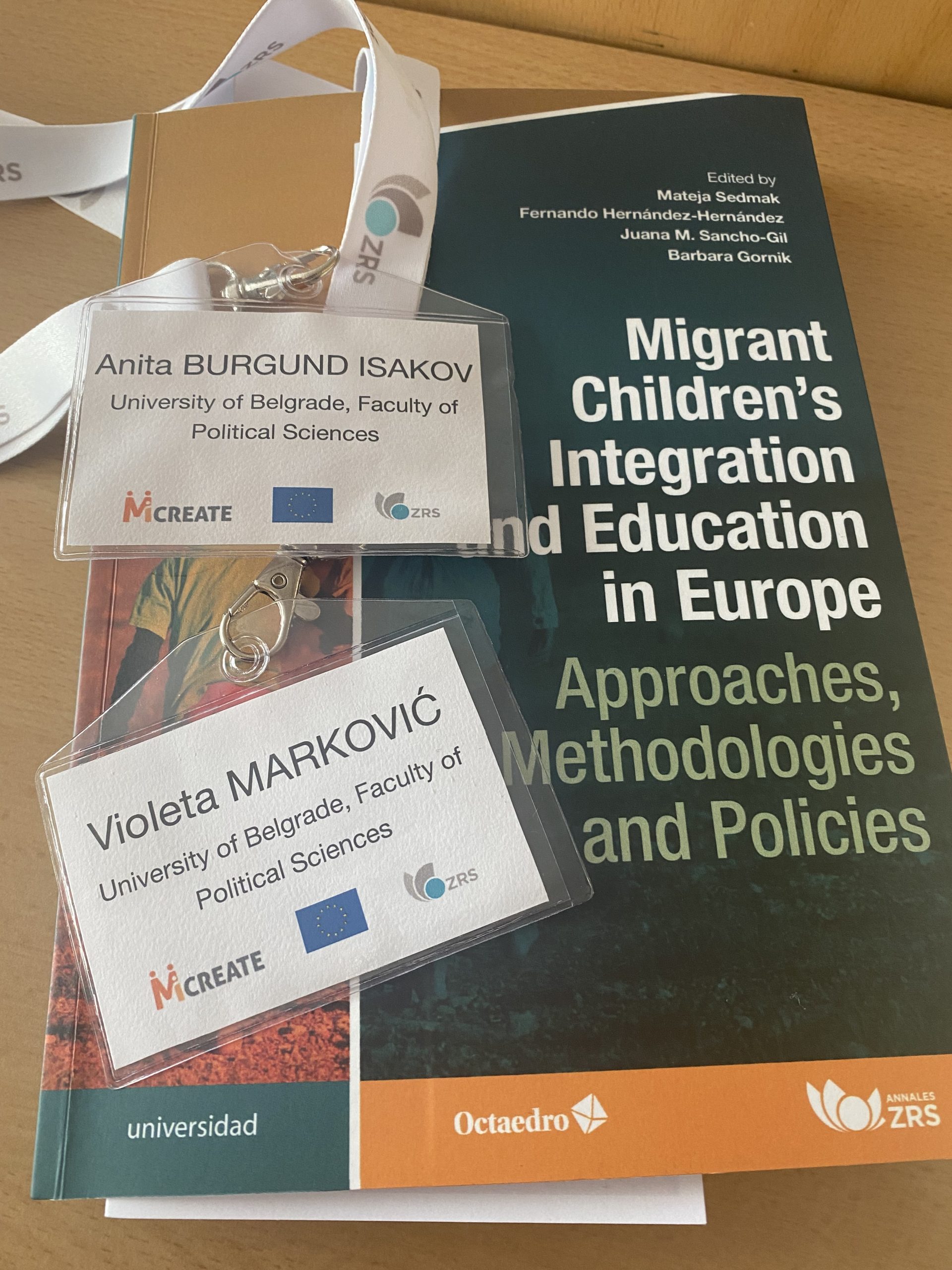
The International Conference “Child Migration and Integration: Trends & Challenges” was organised from June 2 – 4, 2022 at the University of Ljubljana, Faculty of Law. First two days of the Conference were organised through thematic units, with each day consisting of relevant thematic units. The Conference was organised by Science and Research Centre Koper, Institute for Social Studies in collaboration with MiCREATE consortium. This international scientific conference was organised as a final event of the Migrant Children and Communities in a Transforming Europe project, funded under Horizon 2020.
The thematic units on the first day were:

  • Unaccompanied minors
  • Methodologies and approaches
  • Educational settings
  • Migrant children in transit

At the final day of the Conference, a panel discussion was organised on the topic of “Teachers’ voices on child migration and integration in schools.”

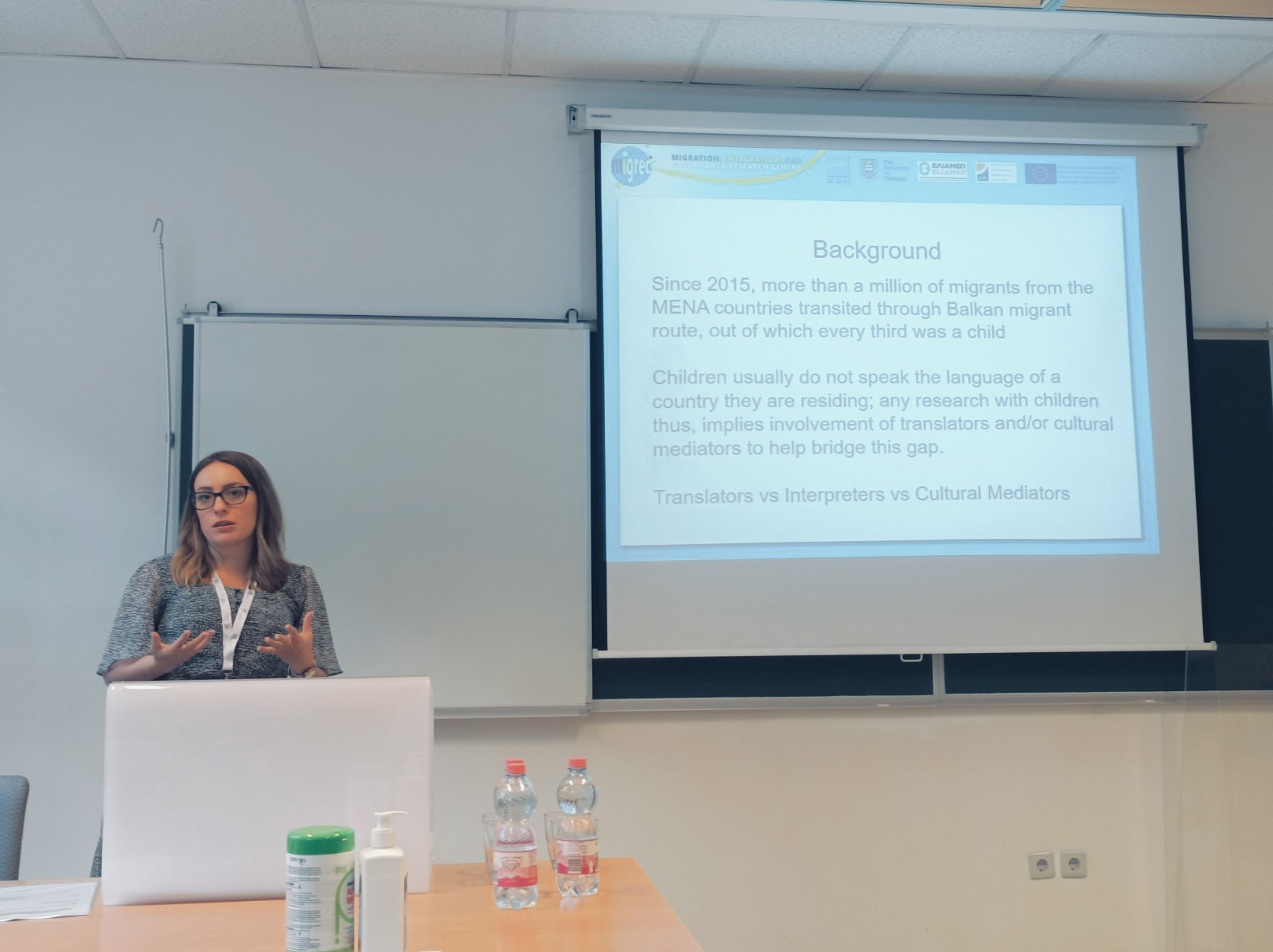
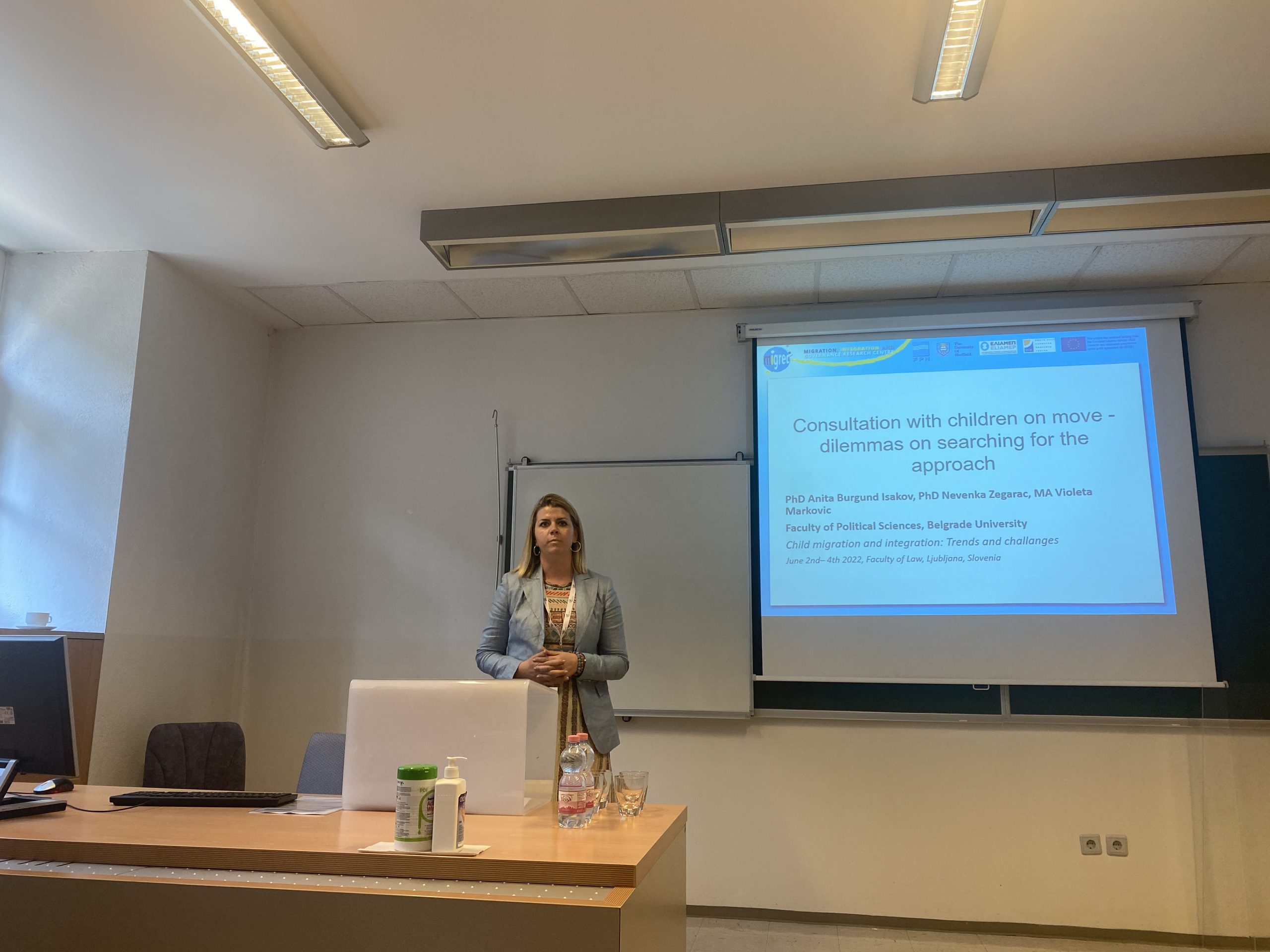
MIGREC members Professor Anita Burgund Isakov and Ass MA Violeta Markovic presented two papers. Professor Anita Burgund Isakov presented a paper “Consultations with migrant children – dilemmas on searching for the approach”, where she discussed participatory approaches, opportunities and pitfalls of doing research with children on the move. Ass MA Violeta Markovic presented the paper “Research with migrant children – challenges and opportunities of working with translators” where she discussed challenges and opportunities in the participation of translators and cultural mediators as co-researchers in the process of organizing consultation and research with migrant children.


MIGREC at the Conference CHILD MIGRATION AND INTEGRATION: TRENDS & CHALLENGES Read More »

MIGREC Winter School

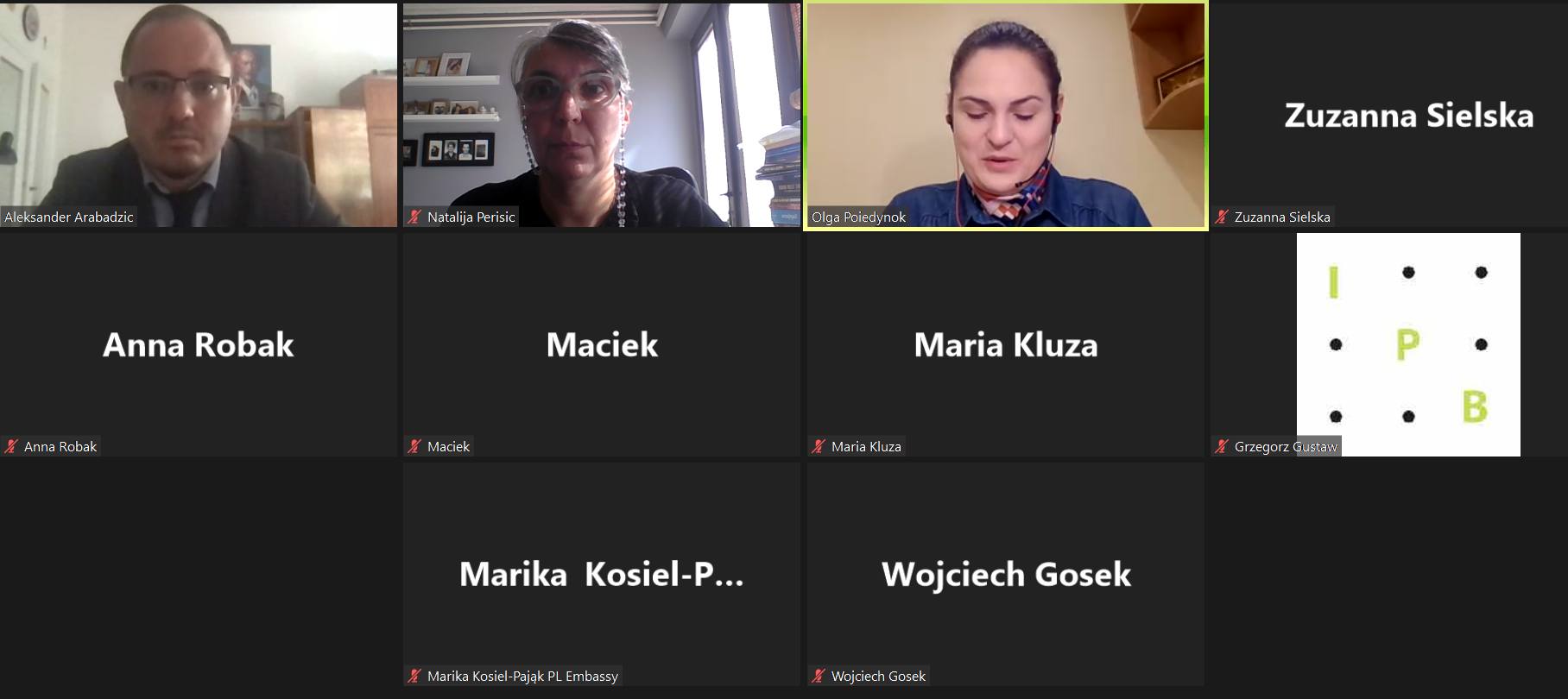
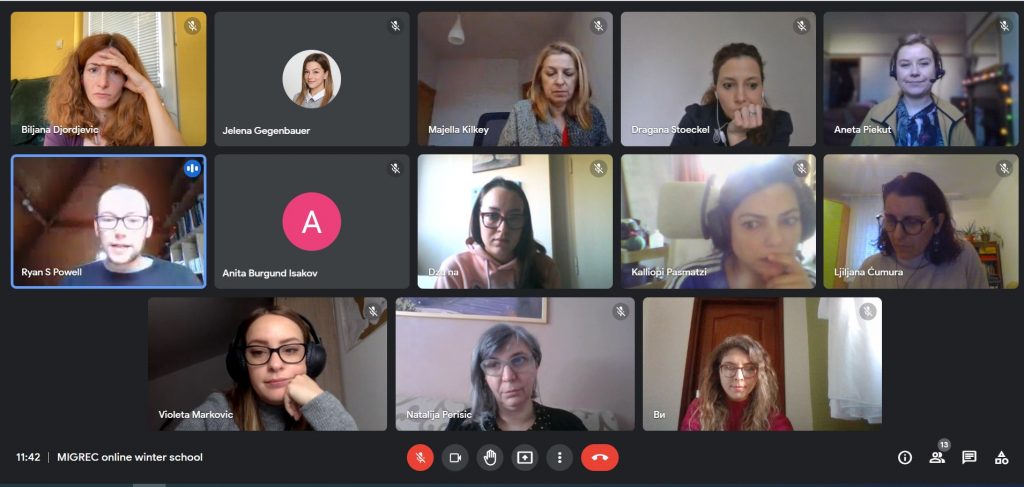
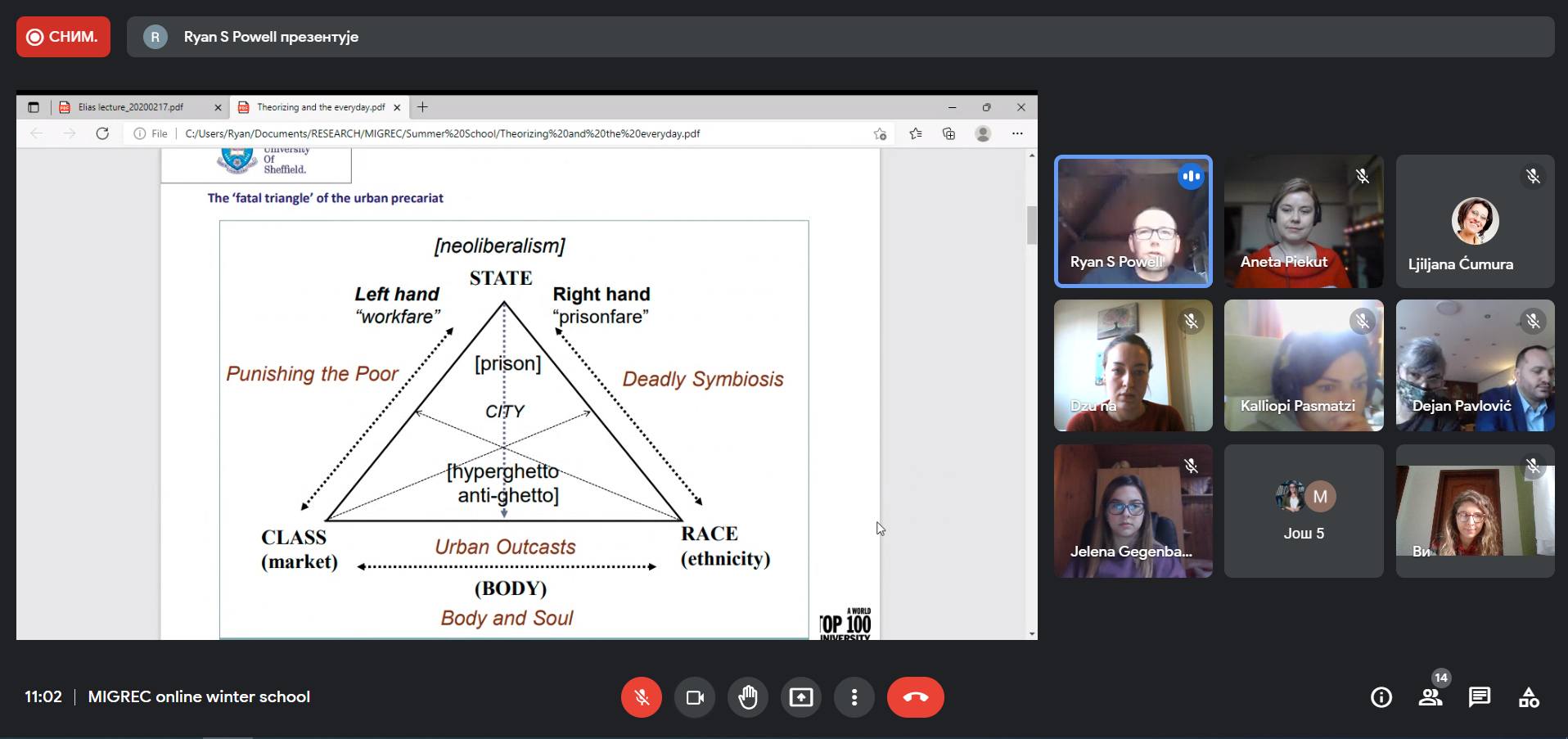
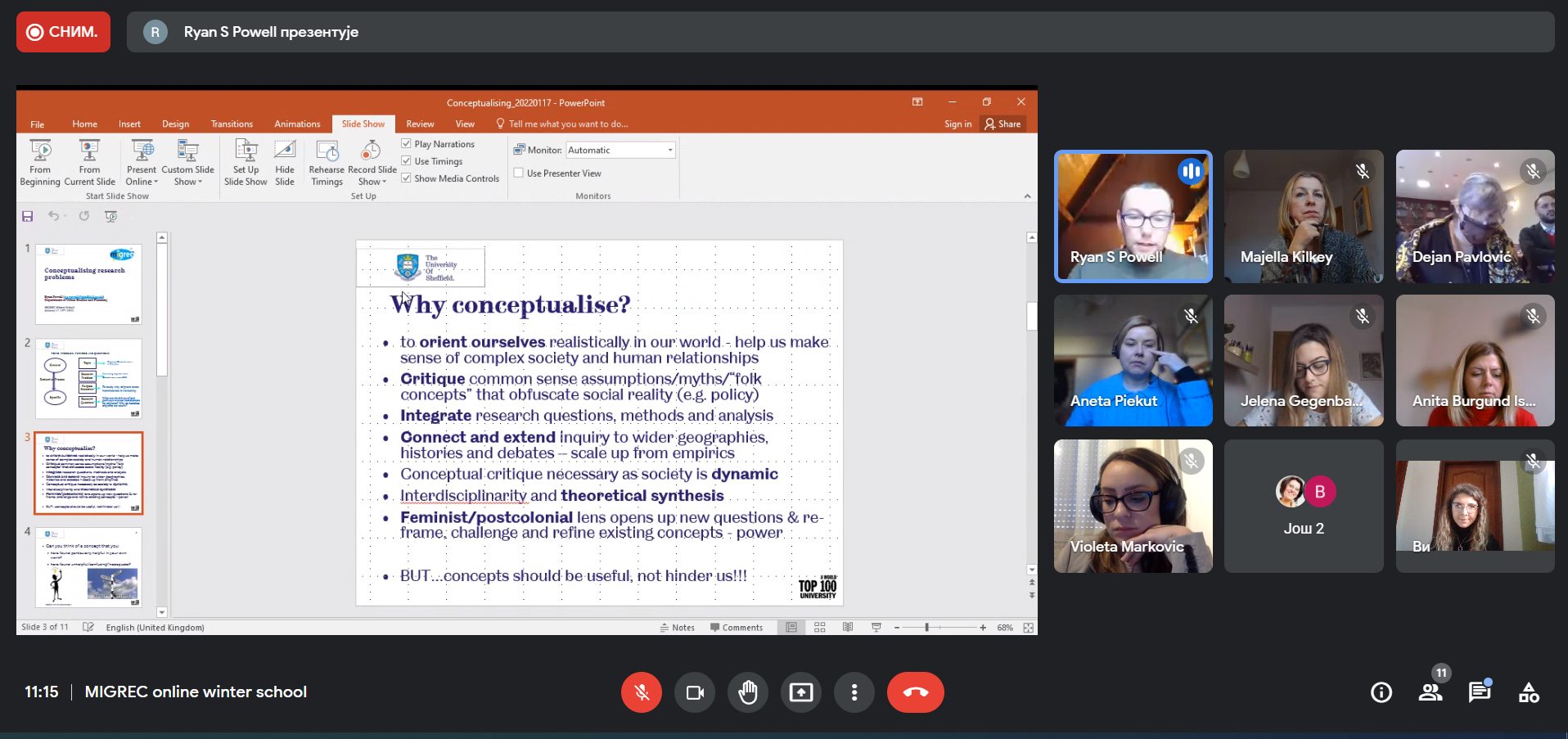
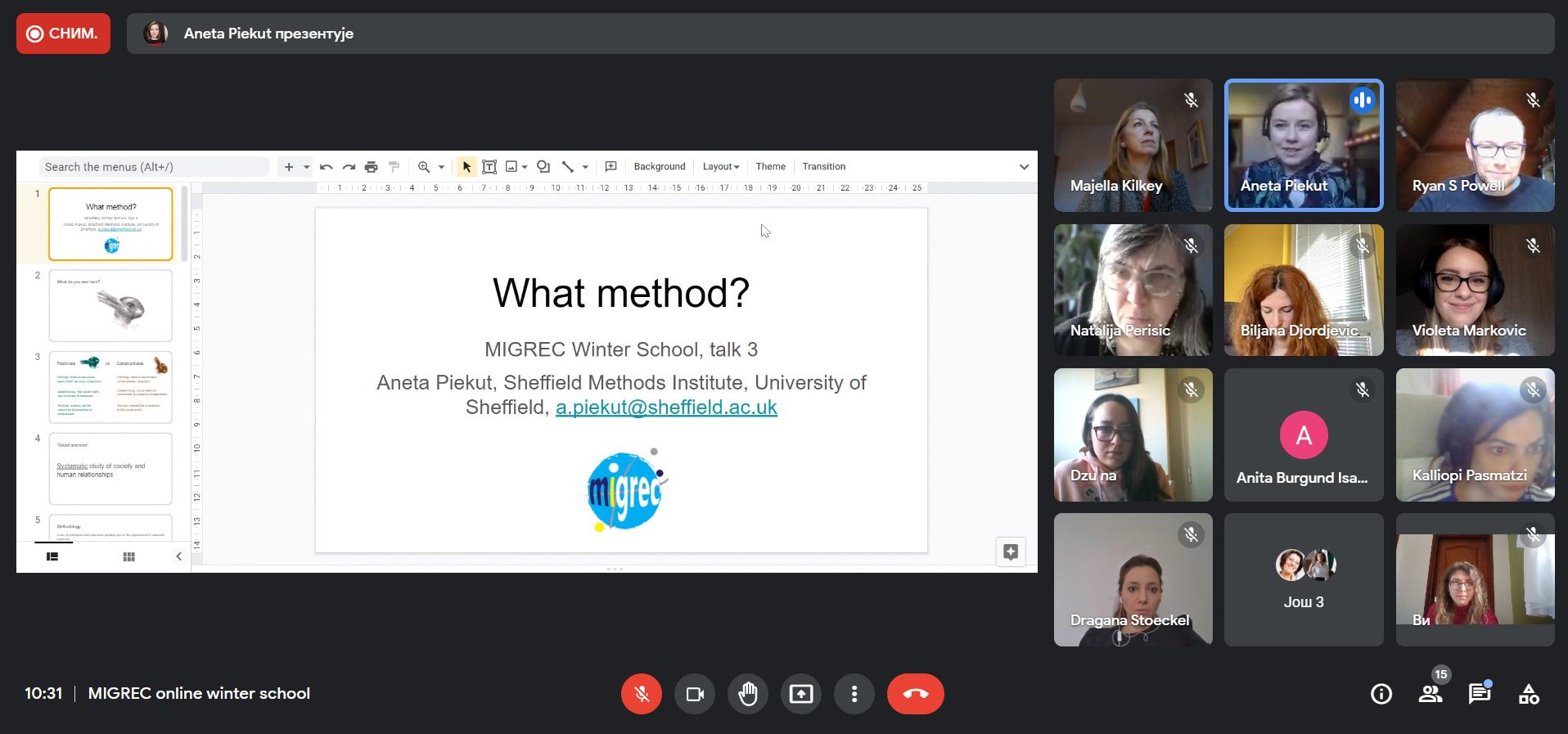
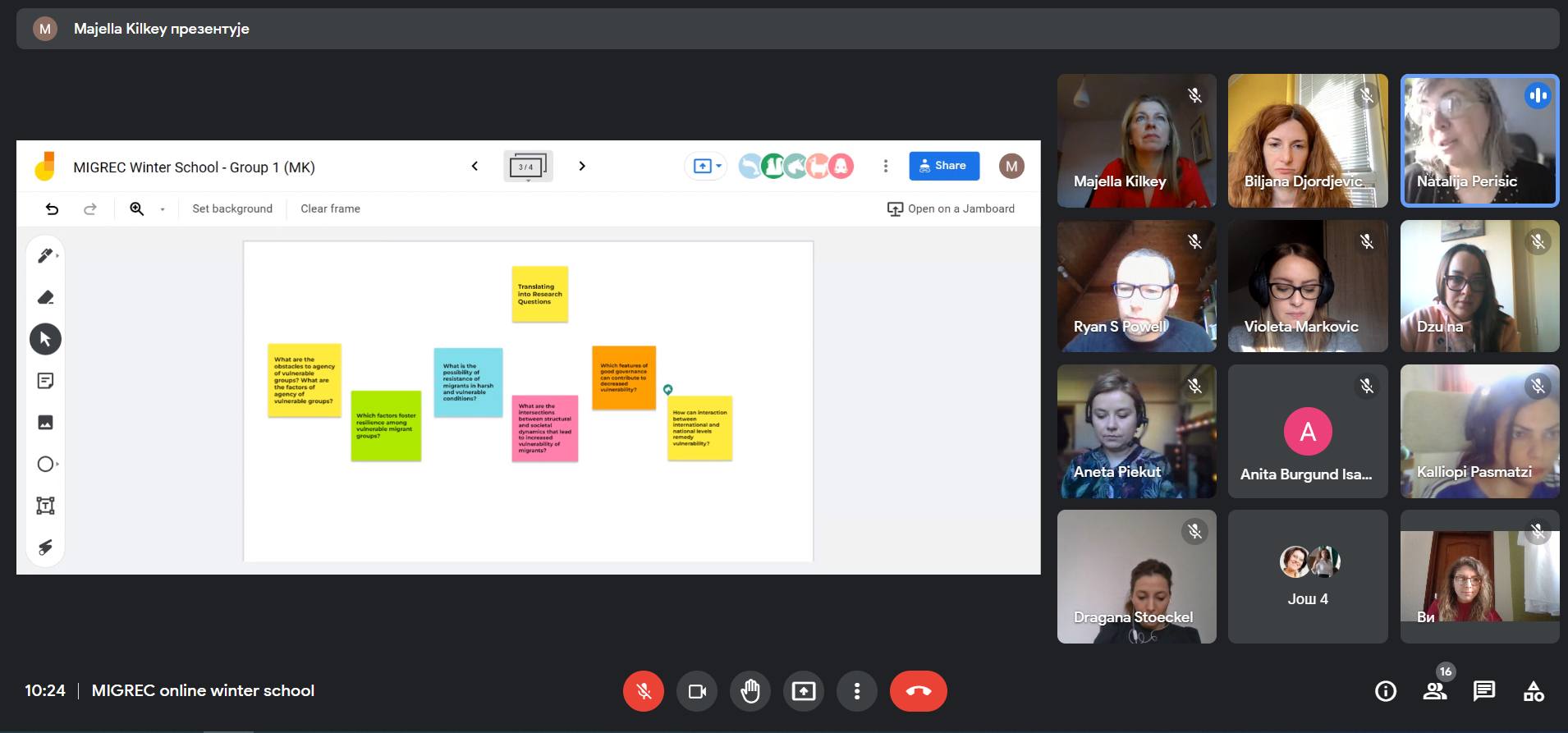
As part of the H2020 project Migration, Integration and Governance Research Center (MIGREC), the Winter School was successfully realized in online mode, in the period from January 17 to 19, 2022.

The Winter School was organized by the Migration Research Group from the University of Sheffield. Lecturers and discussants were Majella Kilkey, Aneta Piekut and Ryan Powell. Professors, assistants and PhD candidates from the University of Belgrade – Faculty of Political Science and Faculty of Geography participated in the work of the Winter School.

The School comprised of presentations followed by interactive activities in mini-groups and discussions on the conceptualization of research problems. The emphasis was on understanding the role of conceptualization in defining research problems, developing the ability to apply theoretical concepts in empirical studies, and critical understanding of different theorizations within migration studies.


MIGREC Winter School Read More »

MIGREC Seminar Series – Migration Development

The third set of workshops in the MIGREC series focused on the relationship between migration and development. Spanning from October to December 2021, the event featured seven speakers, from internationally acclaimed scholars to early career researchers and PhD students. The main attendees included scholars from a variety of institutions, including the University of Belgrade, ELIAMEP and SEERC, as well as scholars from other partner institutions who have a particular interest or expertise in this area. The Migration Development workshop was a valuable opportunity for researchers and academics to come together and share their insights and ideas on this important topic.

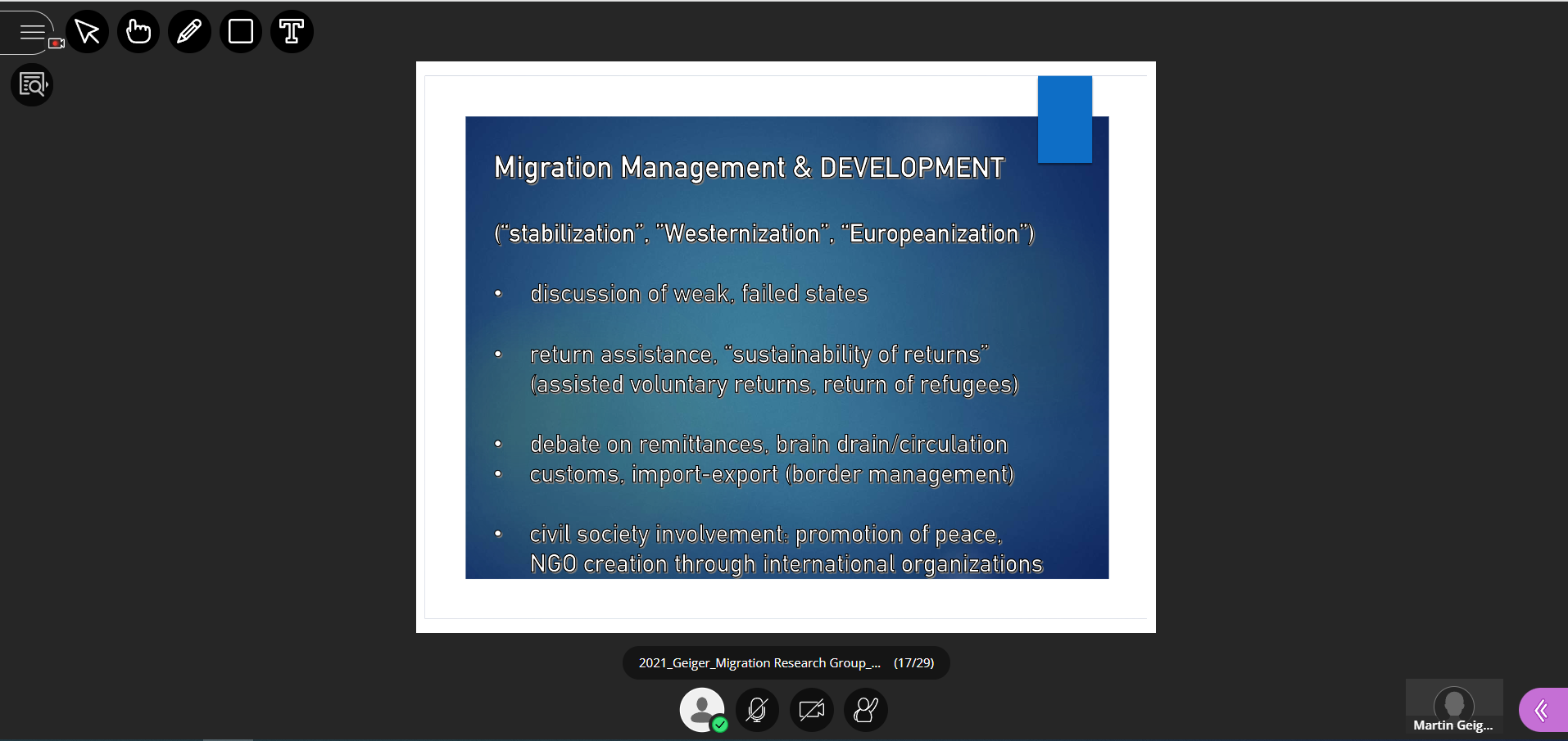
Martin Geiger, an Associate Professor of Politics of Human Migration and Mobility at Carleton University presented ‘The European Union, Russia, and International Organizations in Regional and Global Migration Management’. He spoke about the impact of the concept of migration management on the development of international politics, with a focus on Eastern and Southeastern Europe, the Western Balkans and the role of the EU, Russia and international organizations in these developments. He critically evaluated the outcomes of migration management activities in terms of development and integration.

Roda Madziva an Assistant Professor in the School of Sociology and Social Policy at the University of Nottingham presented ‘Diaspora investment and complex transnational care arrangements among diaspora women: A case study of Zimbabwean women living in the UK’. Her presentation focused on the engagement/involvement in transnational business creation and the dynamics of sustaining care arrangements in transnational spaces of Zimbabwean migrant women residing in the UK. In her presentation, she highlighted the influence of cultural and social factors on women’s participation in transnational activities and questioned traditional understandings of brain drain and care.

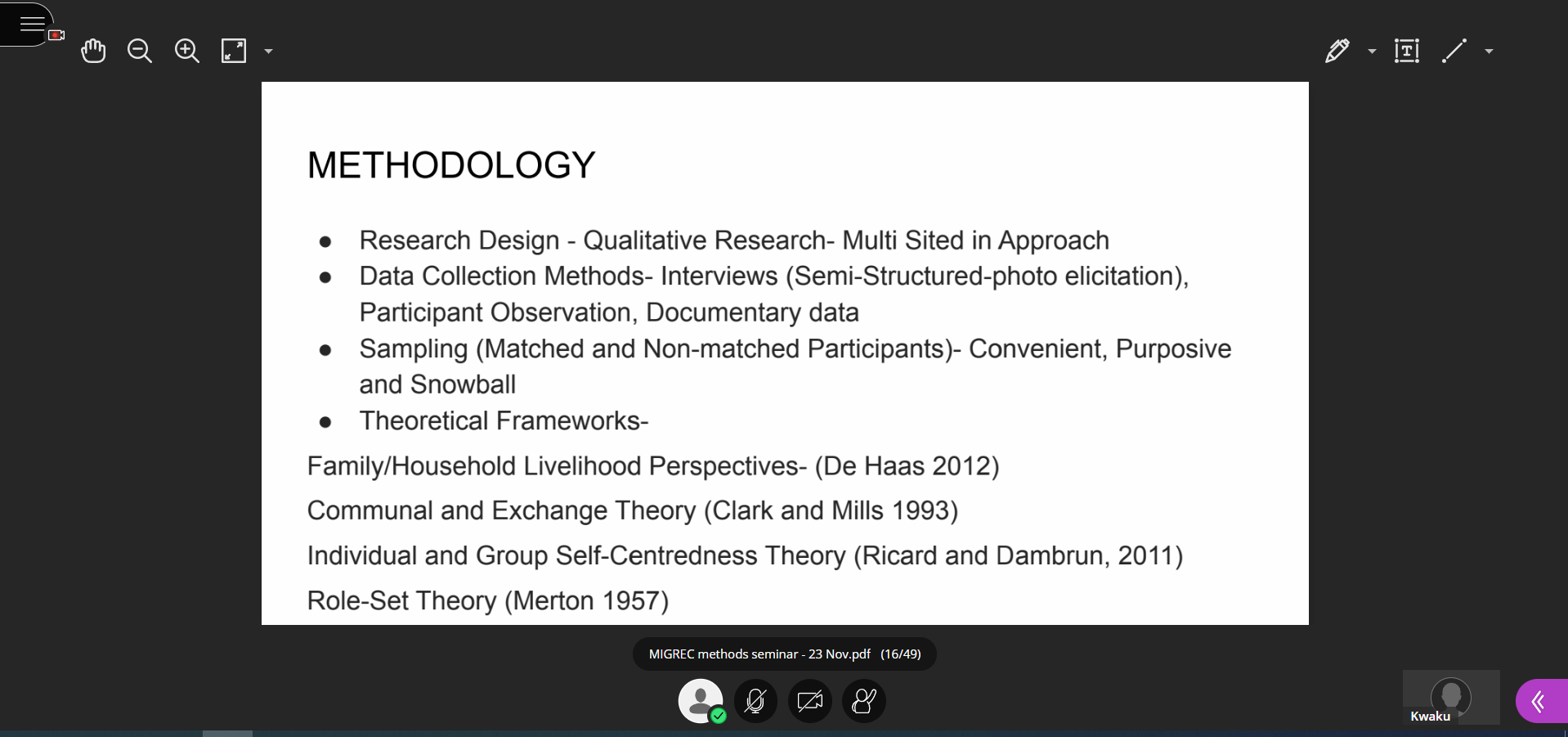
Kwaku Gyening Owusu a tutor in health and social care at the School of Applied Social Science, University of Bedfordshire, UK presented his study ’Migration and Development: Ghanaian Hometown Associations (HTAs) as Drivers of Welfare Development Back Home’. This study examined the impact of Ghanaian Hometown Associations (HTAs) on welfare development in their communities and other parts of Ghana. The findings suggest that HTAs have a positive impact on meso-level development in Ghana, with motivations including the well-being of left-behind families and community members.

Milica Todorović a PhD candidate and teaching assistant at the University of Belgrade, Faculty of Geography, Department of Human Geography presented ‘Return migration and reintegration in the context of the migration cycle in the Republic of Serbia’. She pointed out the need for more research on this topic in Serbia and discussed her doctoral dissertation, which aims to comprehensively investigate the process of voluntary return migration in the Republic of Serbia by examining all stages of the migration cycle of returnees and their reintegration process.

Dominika Pszczółkowska a political scientist and migration researcher at the Centre of Migration Research, University of Warsaw gave a lecture entitled ‘Researching the diaspora online and offline’. The presentation discussed the challenges and considerations of conducting qualitative research with diaspora members, both in person and online. Pszczółkowska drew on her experiences from two research projects, one focused on destination choice among Polish post-EU-accession migrants and the other on political and public participation of Poles in the Polish-Irish transnational space.

Obert Tawodzera a research fellow at the University of Birmingham presented ‘Shifting positionalities and power relations: theethical and emotional challenges of doing multi-sited research as a doctoral student’.  Based on his own experiences of conducting multi-sited research with Zimbabwean migrants in the UK and their overseas family members, Obert discussed the ethical and emotional challenges faced by doctoral researchers when conducting qualitative multi-sited research, specifically in regards to negotiating continuous access to participants living in different parts of the world.

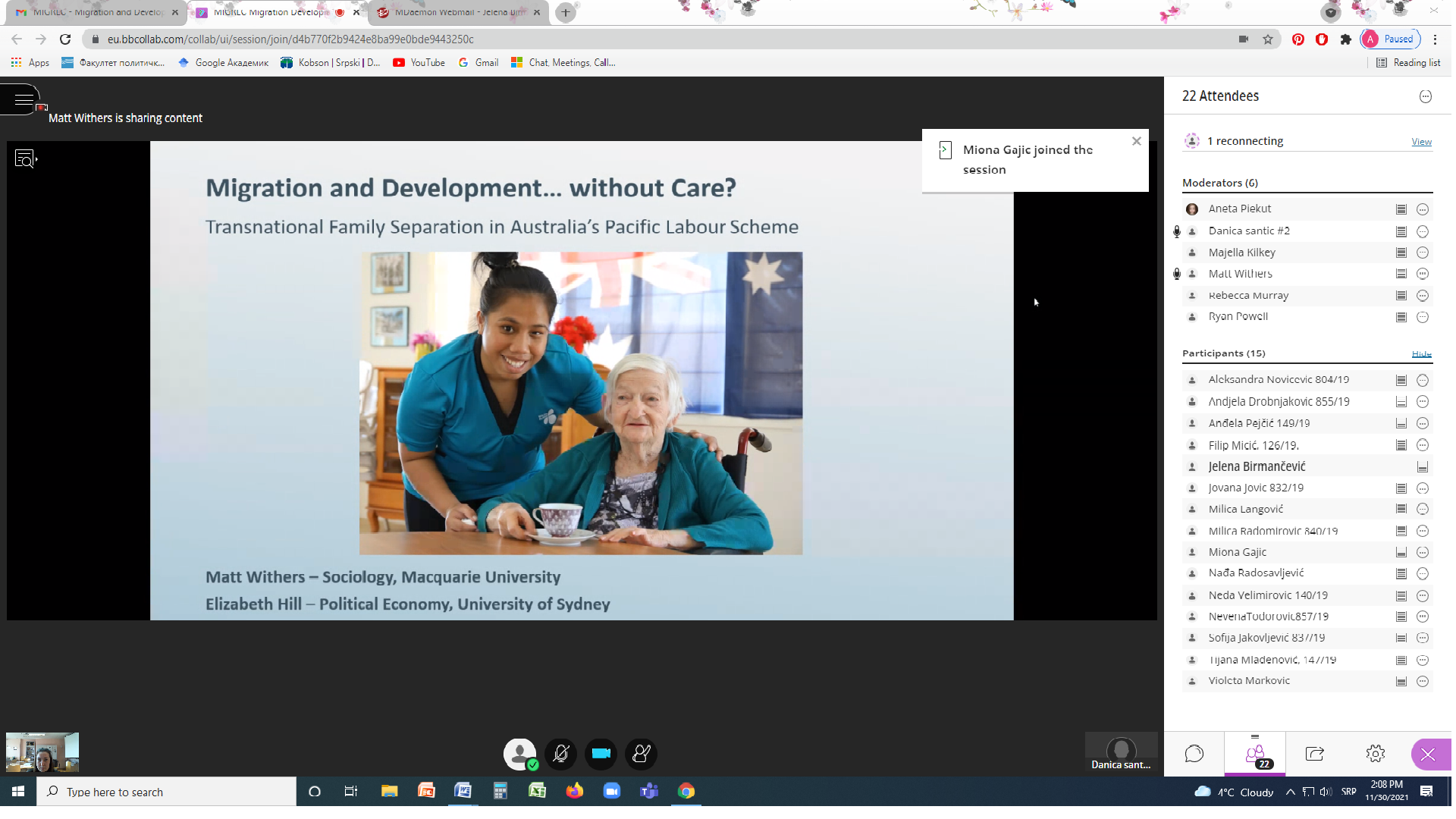
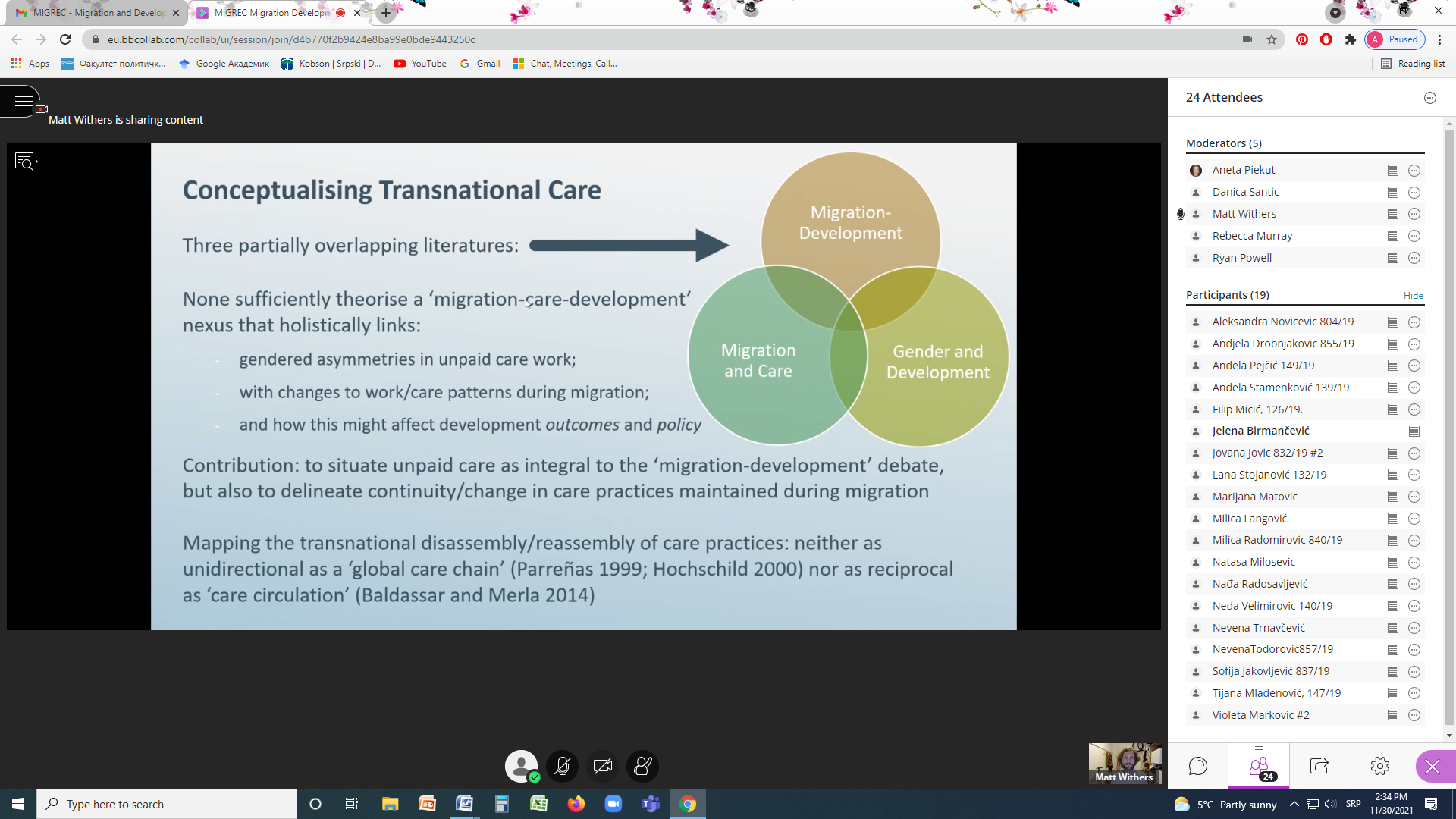
Matt Withers a research fellow within the Department of Sociology at Macquarie University presented ‘Migration and Development, without Care?’. His research paper highlighted the negative impacts of restrictive temporary labor migration schemes on families and communities in the Indo-Pacific region. The paper proposed a holistic migration-care-development nexus that prioritizes the identification, evaluation, and policy redress of unsustainable disruptions to care practices.


MIGREC Seminar Series – Migration Development Read More »

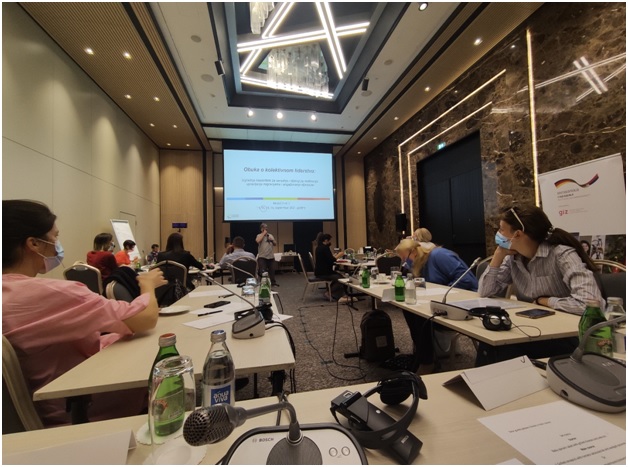
Collective Leadership Training

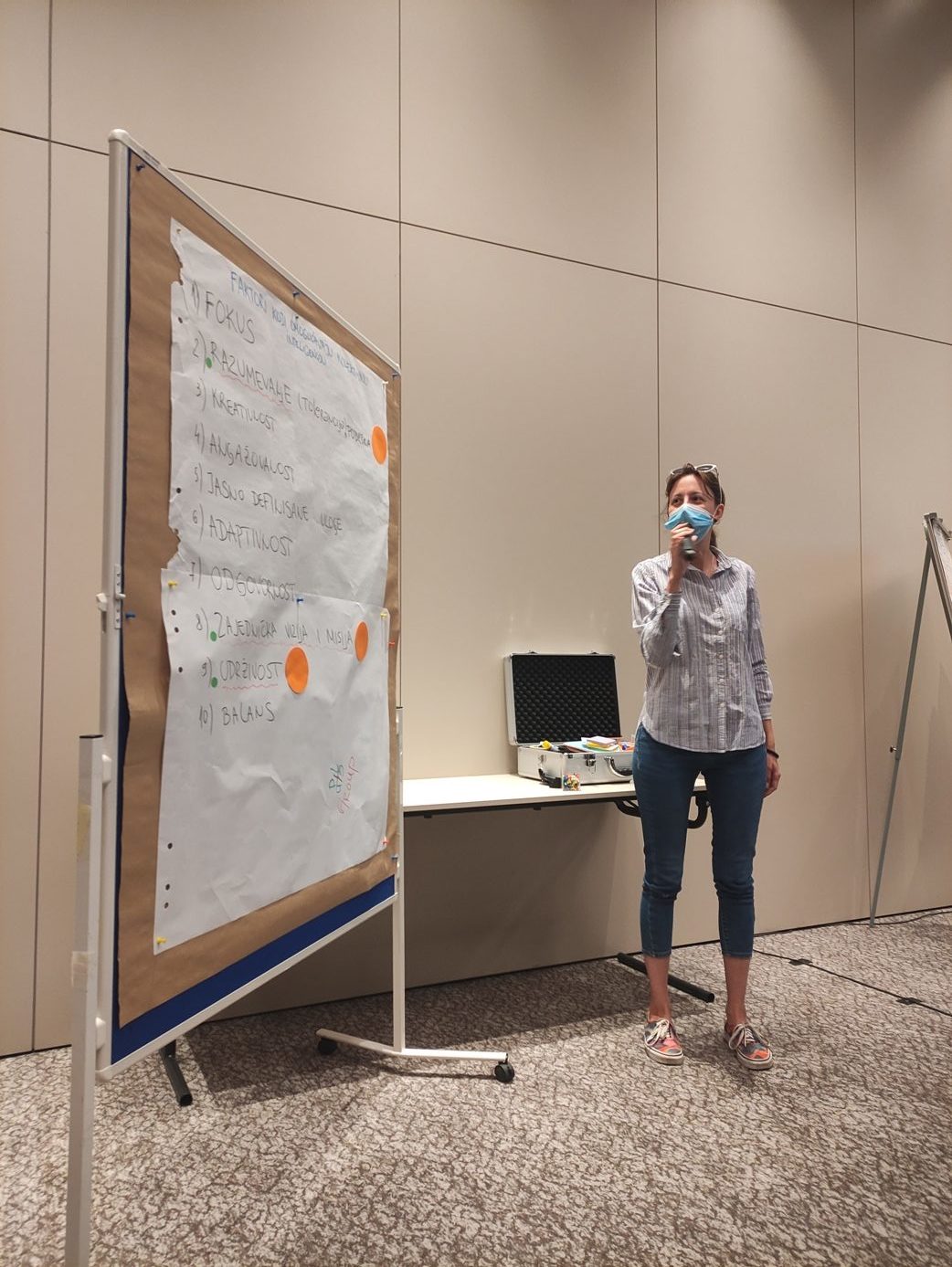
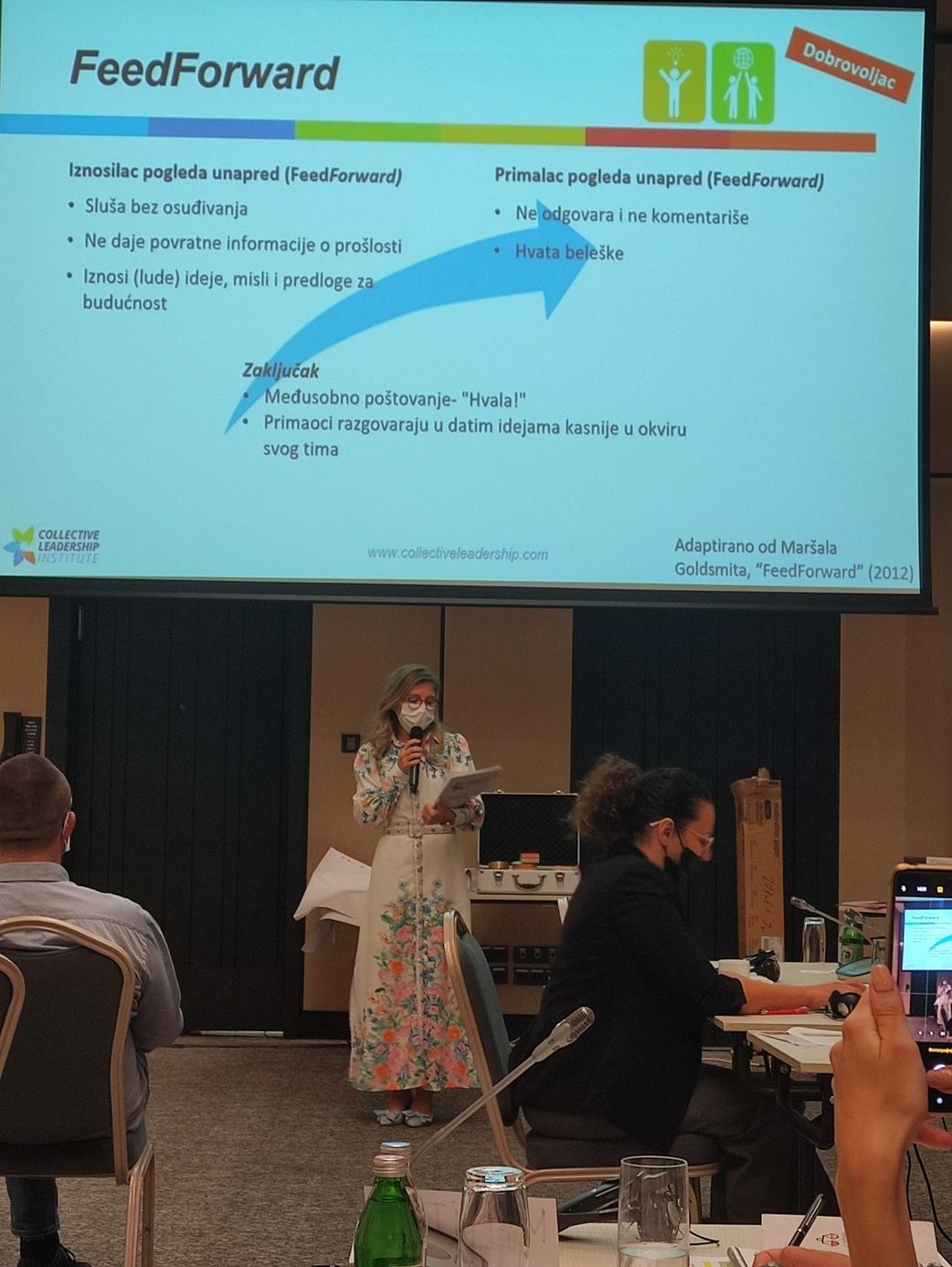
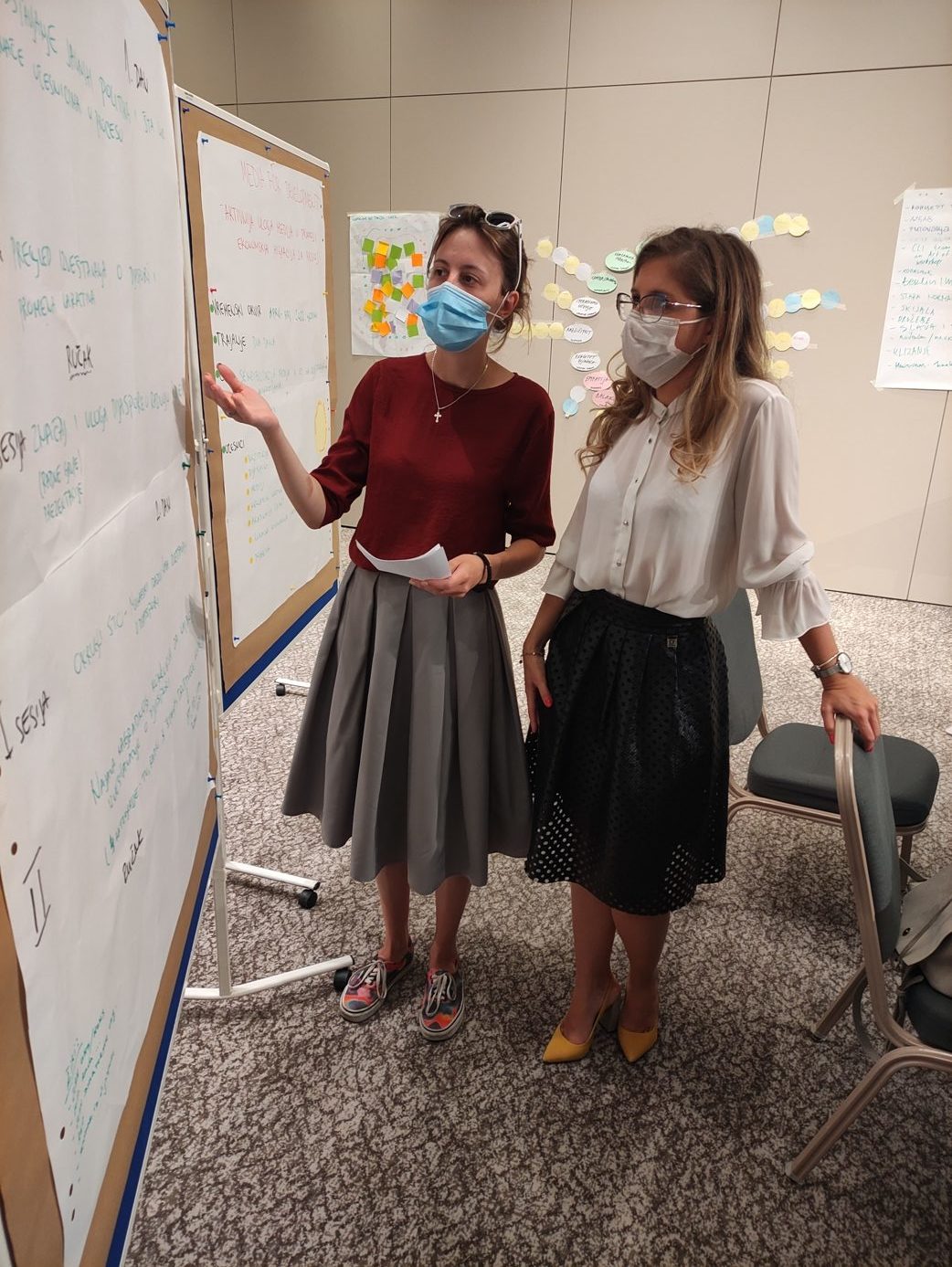
Danijela Pavlović and Nevena Radić obtained the Collective Leadership Expert certificates, thus joining the global community of exchange&learning-oriented practice. They attended an intensive leadership training course organized by the Programme for Migration and Diaspora (PMD) and carried out by the Collective Leadership Institute (CLI) from March to October 2021. In Serbia, this programme, funded by the German Federal Ministry of Economic Cooperation and Development, is implemented by GIZ, in cooperation with partner institutions. This expert and practical training presented the most recent tools and methodologies in the fields of collective leadership, cooperation among interested parties and alleviation of dialogue among several actors. The course was aimed at professionals working on migration and diaspora issues in public authorities, civil society organizations, private sector, academic community and other relevant organizations. Participants learnt how to use the leading CLI methodologies: Collective Leadership Compass and Dialogue Change Model.

These two methodologies were presented within the first two modules, whereas the participants were offered practical opportunities to apply them in their own change-implying initiatives. The Compass is a leadership tool which enables the user to analyse, diagnose and plan activities for balancing six dimensions of competences. The third model was meant for facilitation of skills for gathering of interested parties and carrying out the dialogue process through implementation both of the compass and of the dialogue change model. Upon completed training, participants obtain skills, knowledge and practical experience to continue – in a sustainable manner – to lead dialogues among larger number of actors, aimed at action in key issues in the fields of migration and diaspora in the future, for the sake of gaining long-term advantages for the citizens within the country borders and beyond them.


Collective Leadership Training Read More »