News

Policy Brief on Youth Migration

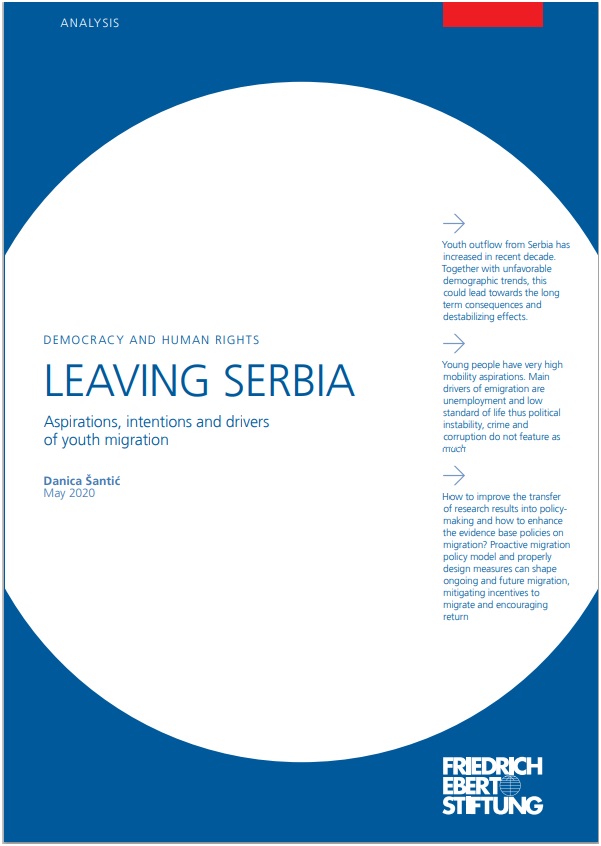
Friedrich Ebert Stiftung published an analytical report „Leaving Serbia – Aspirations, Intentions and Drivers of Youth Migration“ authored by Danica Šantić.

The research was conducted in four municipalities in Serbia showing that a predominant response relating to support to migration (both internal migration and outmigration) is in favor of supporting or fully supporting mobility, i.e. 41.4 percent in total or 44.7 percent in urban and 33.7 percent in rural population. Higher aspirations to move are present among younger cohorts, especially in the age group of 20-24, with more than 50 percent. Overall, women have higher mobility aspirations than men.

The perception on who is leaving is pretty clear among local residents. The highest share of all respondents stated that young people were moving out from the selected municipalities.

84.5 percent of respondents think that migration intensity is much higher today than it was 10 years ago.

As for the question of migration of young people observed as a threat or opportunity for development, the highest share of unspecified answers (19.6 percent) and those referring both to opportunity and threat (16.7 percent) lead to a conclusion that the population in Serbia is insufficiently aware of the importance of economic and social capital of the diaspora, failing to see the possibility and benefits of return and circular migration. To that effect, a predominantly pessimistic perception on migration as a threat and a limiting factor for development is evident. Thus, 56.1 percent of respondents see the phenomenon of migration as a threat and only 6.6 percent see a positive link between migration and the development of local communities. However, the highest share of all respondents who emphasize a positive correlation is found among youth cohorts aged 20-24 (14.8 percent). Also, this is the only age group with a less than a 50-percent share (45.7 percent) of answers relating to the negative connection between migration and development.

The report contains in-depth insights on mobility desire and intentions, main drivers of migration as well as policy recommendations for youth migration.

Policy Brief on Youth Migration Read More »
Online discussion „Protection of Migrant Children during the Coronavirus Outbreak“

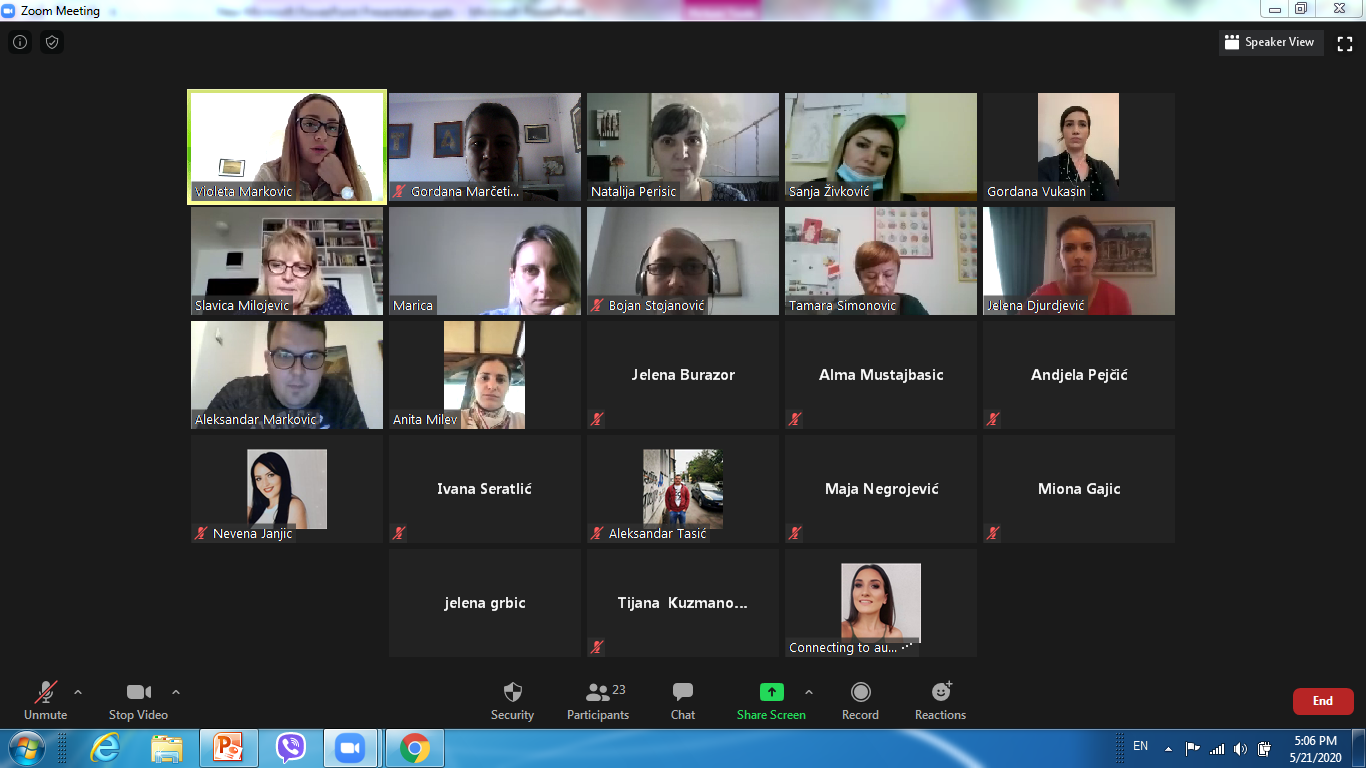
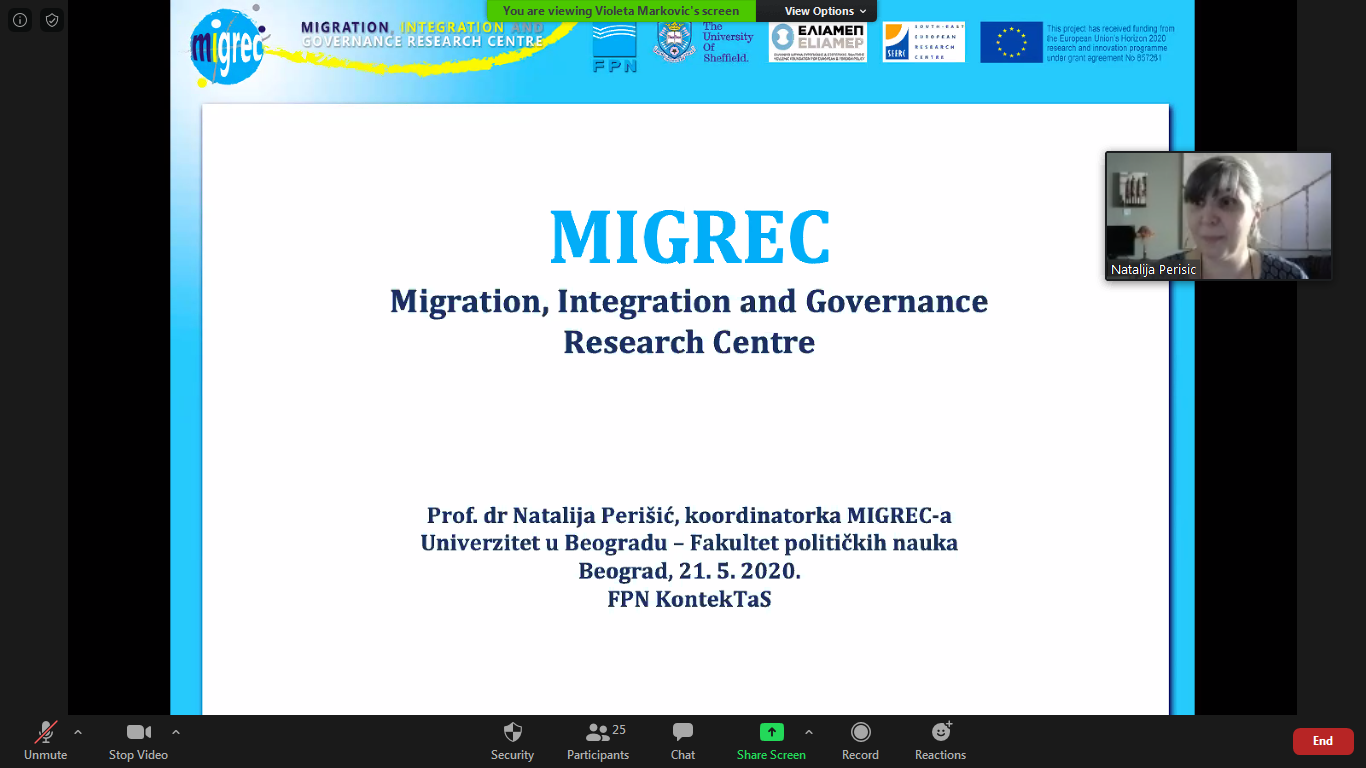
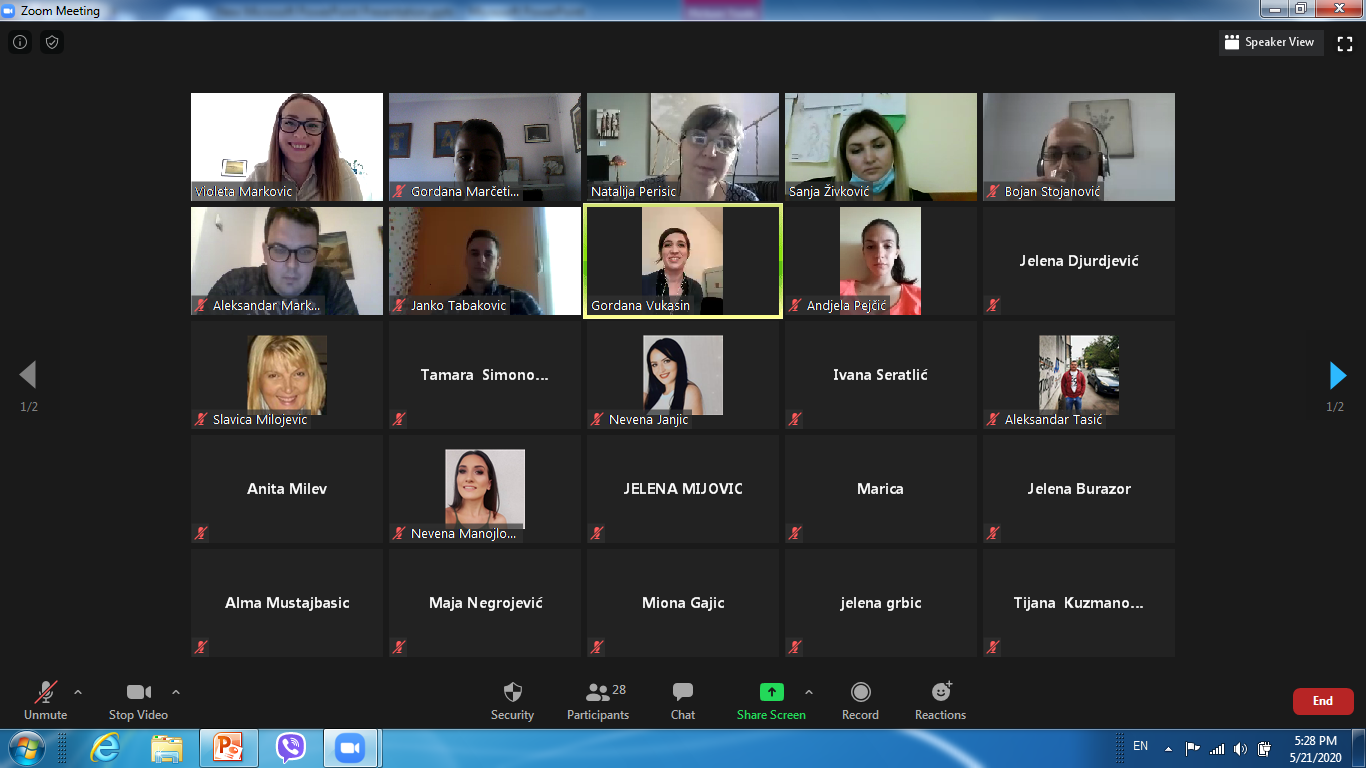
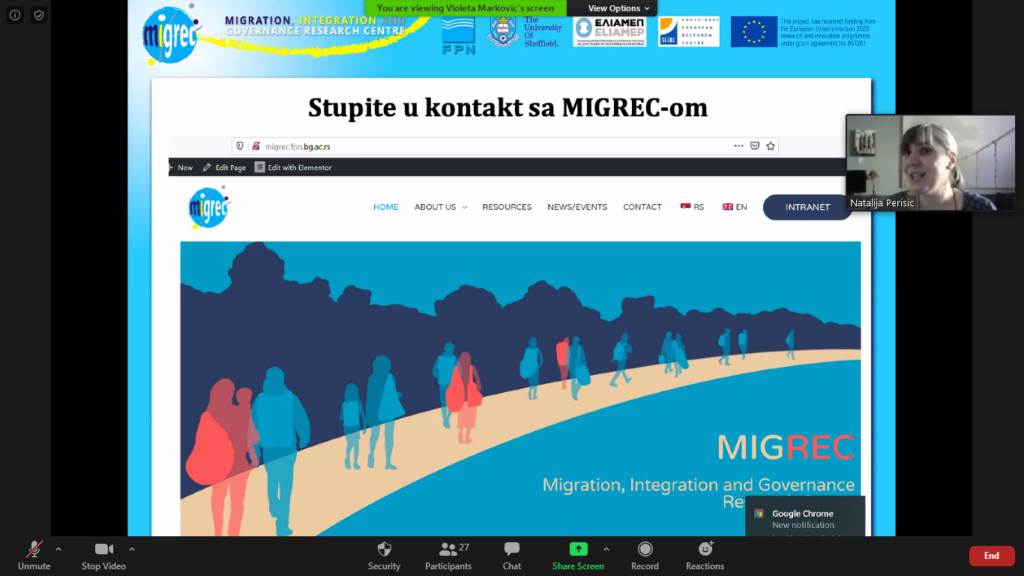
Online discussion „Protection of Migrant Children during the Coronavirus Outbreak“, organized by the Volunteer Service FPN KonekTaS (ФПН КонекТаС) was held on the Zoom platform on May 21st 2020. FPN Professor Natalija Perišić, coordinator of the Migration, Integration and Governance Research Centre (MIGREC), Gordana Vukašin, representative of the NGO „Group 484”  and Sanja Živković, representative of the Institute for Education of Children and Youth – Niš, all participated in the discussion.

„Migration, Integration and Governance Research Centre (MIGREC) is aimed at building first class academic and research capacities in the field of migration studies at the University of Belgrade – Faculty of Political Science. The project should provide for efficient contribution of Belgrade researchers, through policies and practice, to challenges deriving from multiple and intertwined changes which currently both Serbia and the European Union are facing with“,  Prof. Perišić said. She further explained that migration trends and challenges in Serbia are influenced by numerous factors, including social, economic, demographic and geopolitical ones. „The outcomes this project is aimed at are creation of the MIGREC research centre and accreditation of doctoral studies in the field of migration at the University of Belgrade“, Prof. Perišić emphasized.

Gordana Vukašin from the NGO “Group 484” said that during the state of emergency the “Group 484” remained outside migrant camps, adding that it started to work on changing the activities to be realized in the coming period. „During the pandemic, with aid of the Royal Norwegian Embassy, we managed to provide sanitary parcels for all camps. Also, we helped organizations in Montenegro and North Macedonia.” She pointed out that a small number of children included into formal education system participated in online schooling during the pandemic due to, primarily, lack of motivation, translators and technical equipment.

„We are extremely worried by the increase of hate speech and intolerance against migrant population, when their children were characterized as rude, who can go out while others cannot. This was an incorrect information reported in media, which further caused many conflicts among children“, Sanja Živković said. She also said that the employees in the Institute for Upbringing of Children and Youth were delighted both with the childrens’ relation to the new situation and with their understanding and respect of measures they had to observe. „As for the psycho-social support, we are indeed thankful to governmental and non-governmental sector for the legal assistance and translators. We are also grateful to the organizations such are UNICEF and ‘Indigo’”, she stressed as well.

A vivid discussion evolved in which many participants shared their experience and expertise in the work with migrant children during the coronavirus outbreak in Serbia. Tamara Simonović from NGO “Indigo”, Janko Tabaković from the Home for children without parental care, Jelena Đurđević from the NGO JCR and Jelena Mijović from the “House of Rescue” shared their front-line impressions from the recent period. Bojan Stojanović from the Belgrade Centre for Human Rights made a short presentation of the activities of the Centre, from the point of view of challenges the Centre has been facing and initiatives commenced in front of competent institutions with a view to protecting the rights of migrants.

The discussion was moderated by Violeta Marković, BA with Hons. in Social Work.


Online discussion „Protection of Migrant Children during the Coronavirus Outbreak“ Read More »

MIGREC Workshop and Summer School in Belgrade postponed for September 13-18, 2020

Due to new corona virus disease (COVID-19), MIGREC Project team postponed its Workshop on Migrant Integration scheduled for April 7-8 2020 and its Summer School scheduled for June 16-18, 2020. In the meanwhile, we keep on working online https://europa.eu/global-response/

MIGREC Workshop and Summer School in Belgrade postponed for September 13-18, 2020 Read More »

Children Affected by Mixed Migration – First Workshop

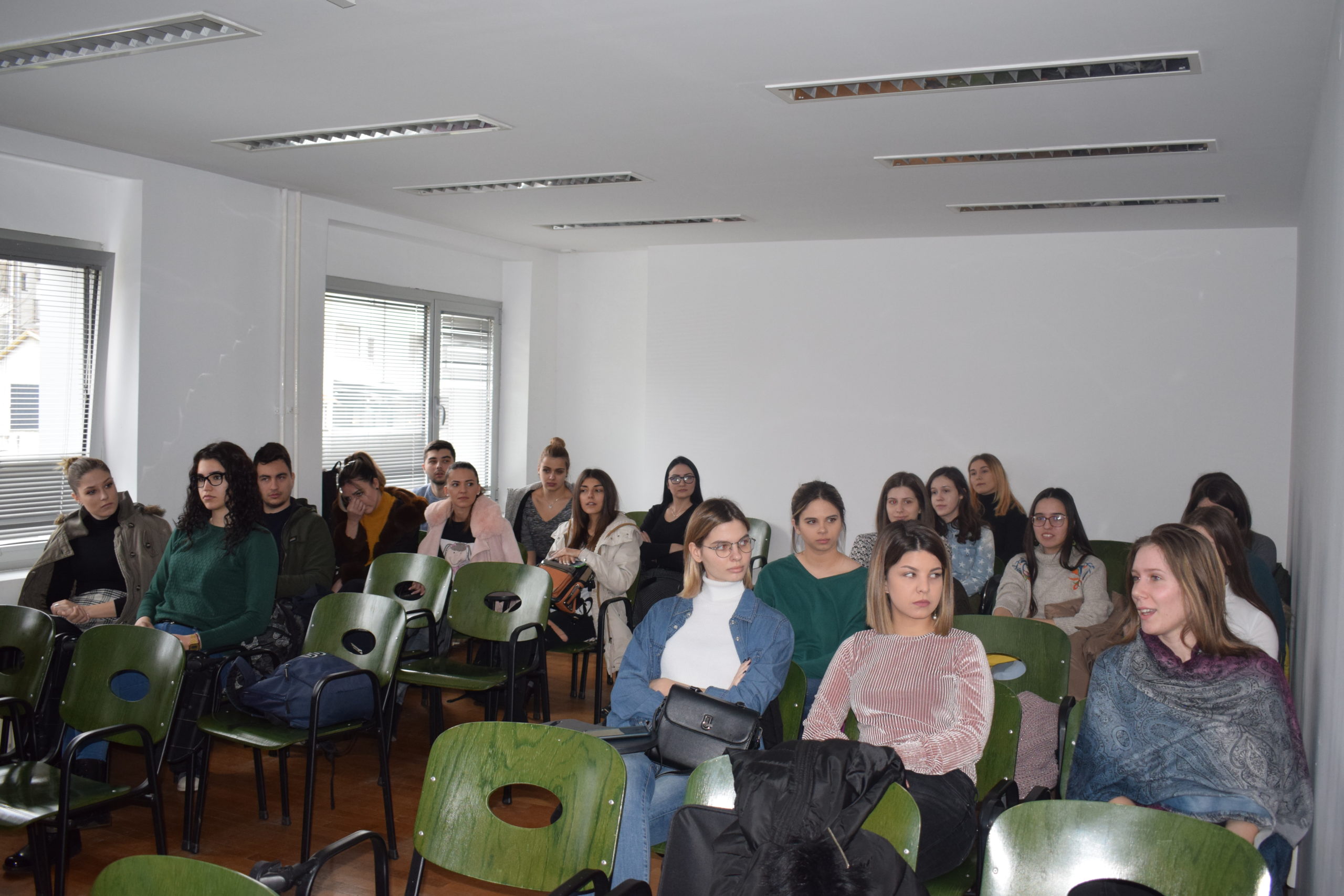
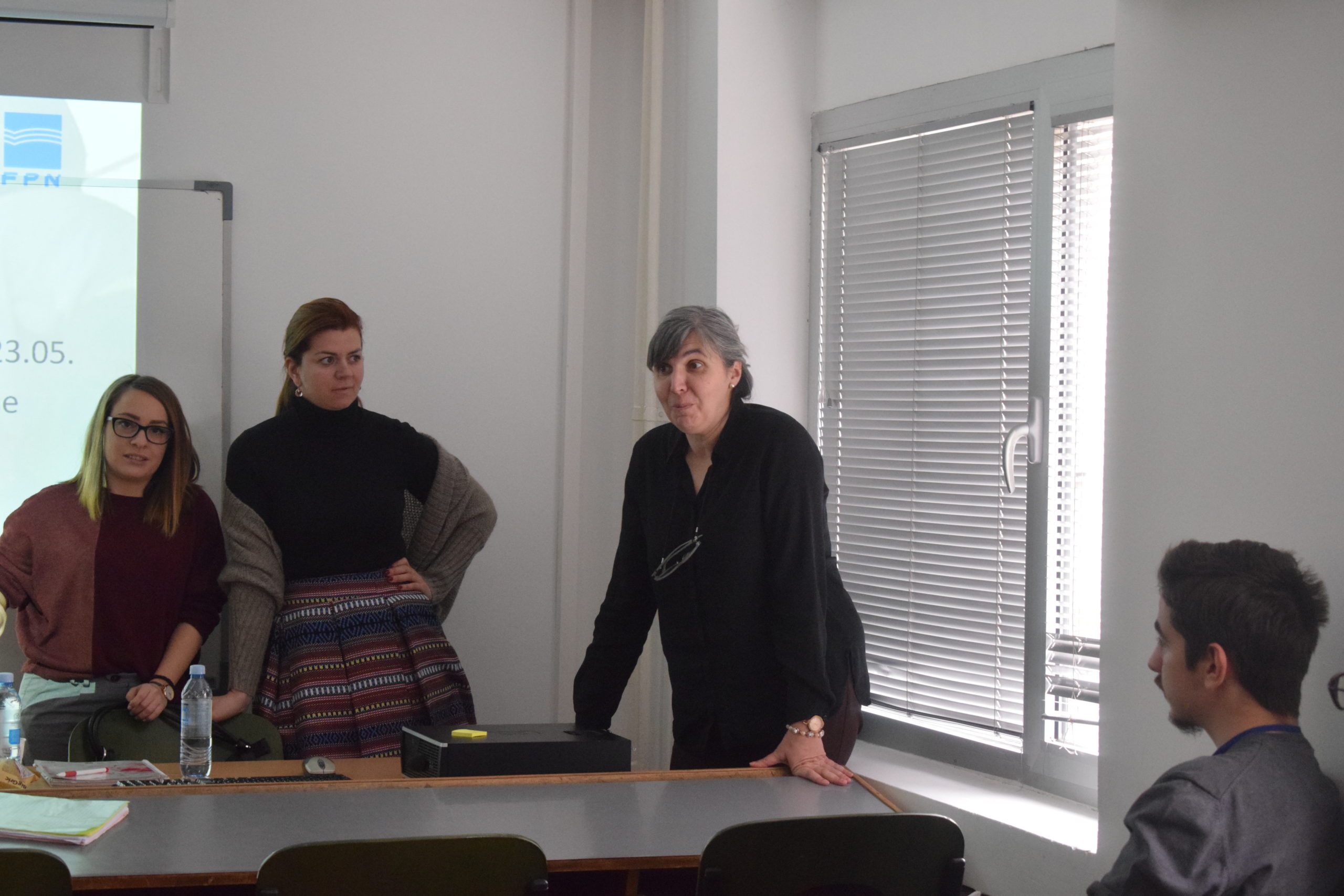
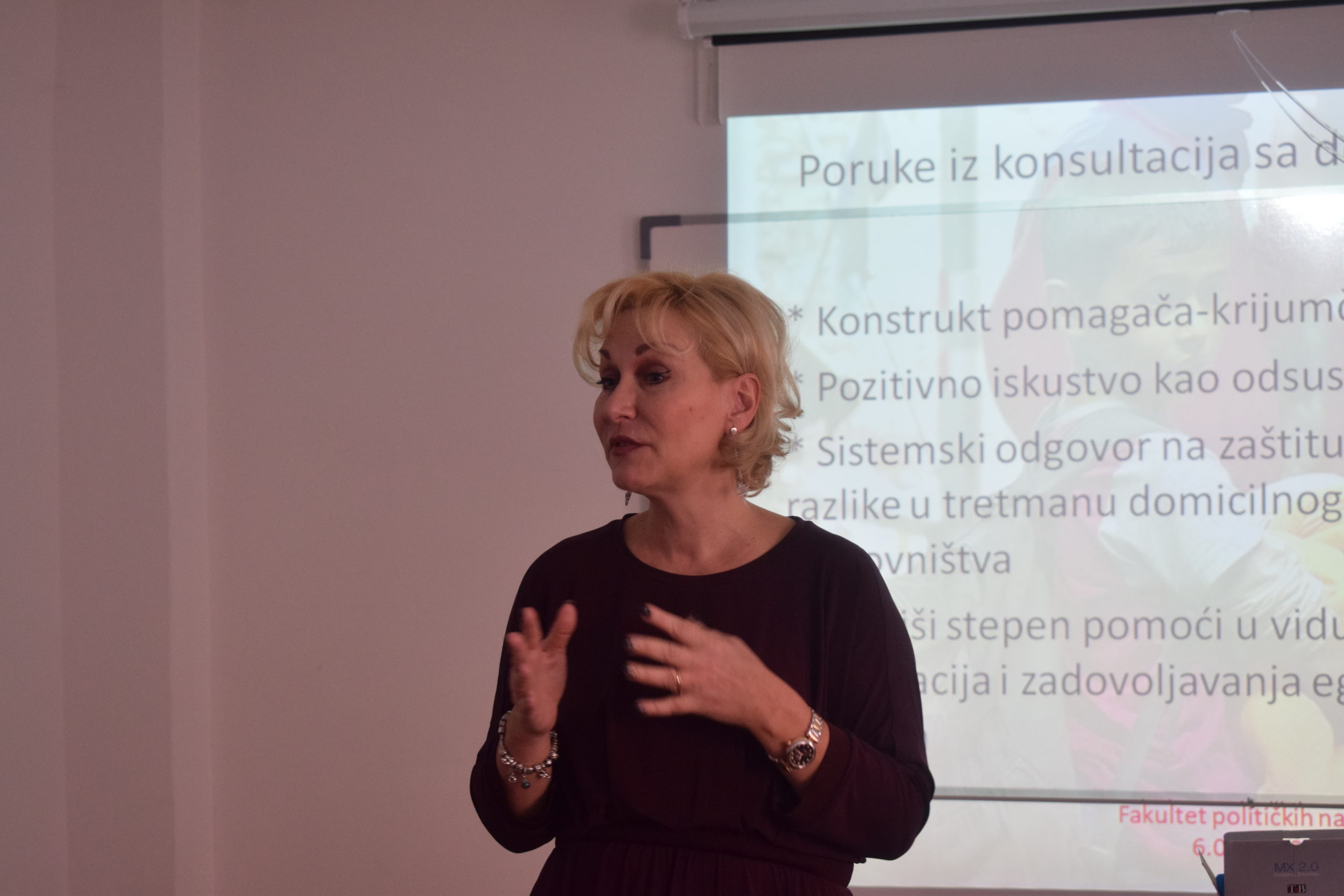
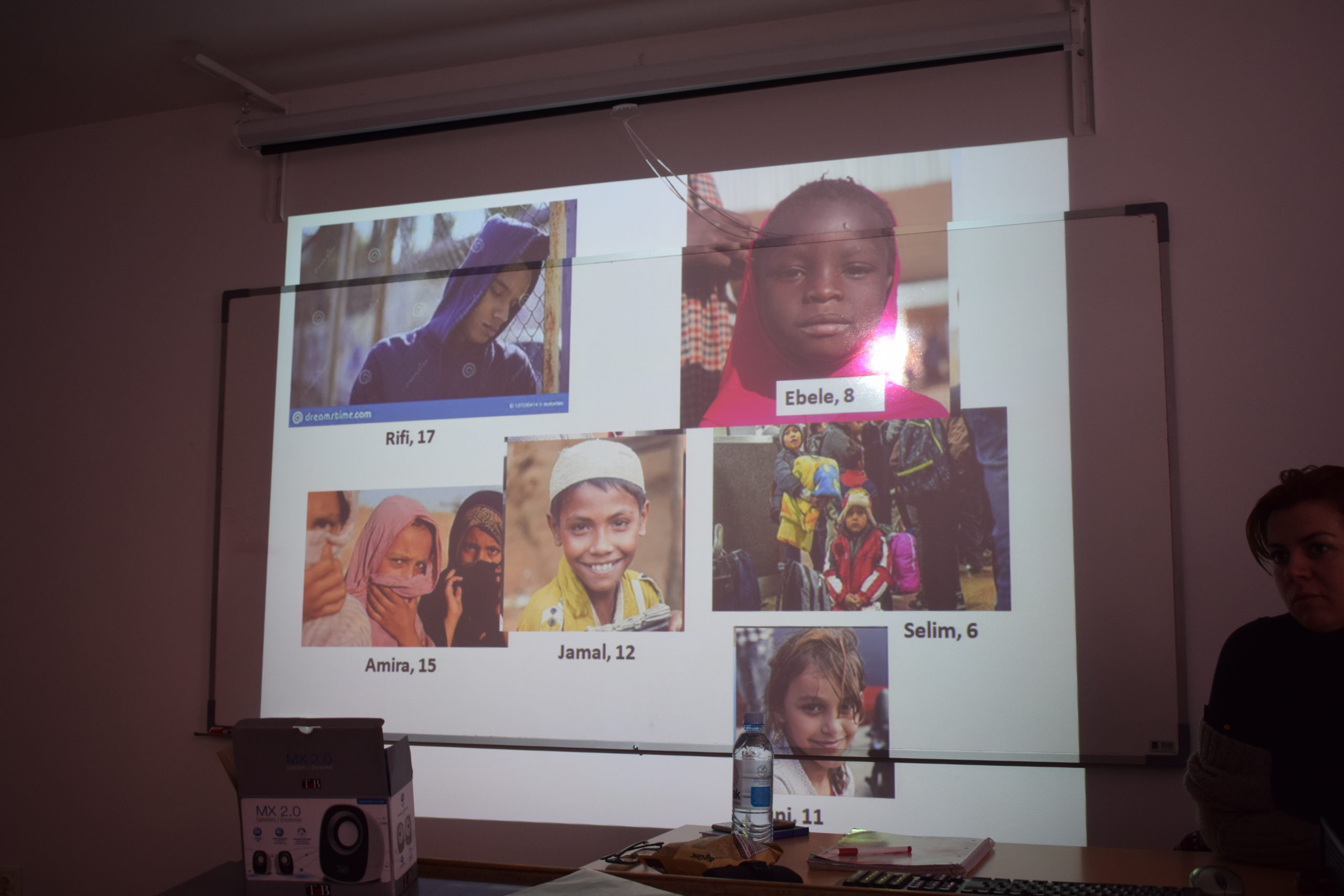
The first workshop within the project Co-Creation of Knowledge and Building of Expertise for the Protection of Children Affected by Migration and Forced Displacement – Curriculum Development was held at the Faculty of Political Science on March 6th, 2020. The workshop was intended to participants in the piloting course Protection of Children Affected by Mixed Migration.

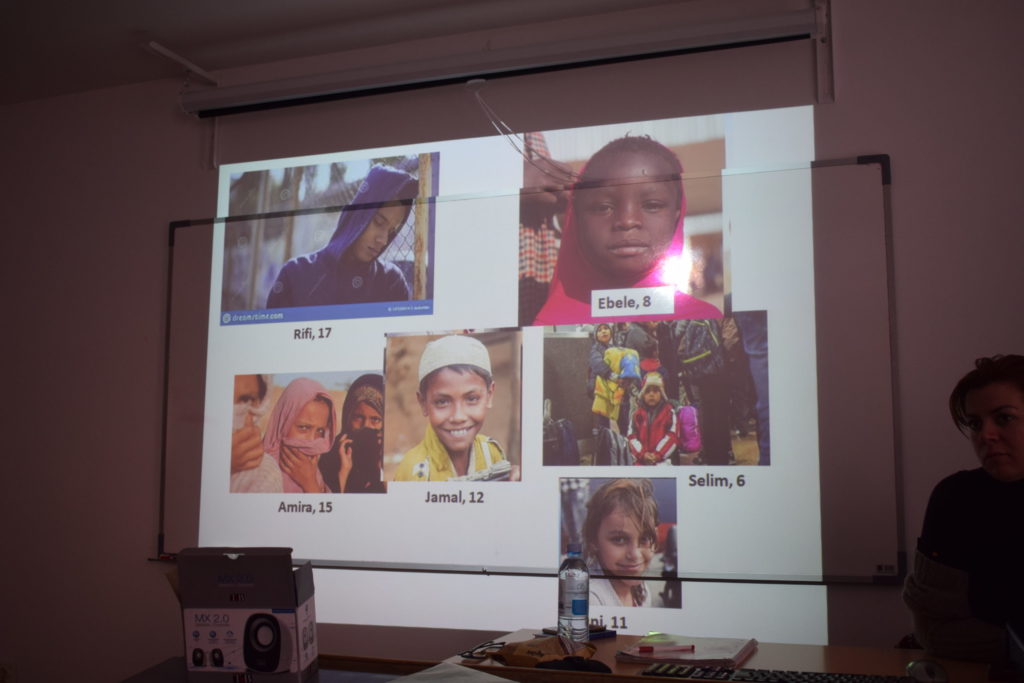
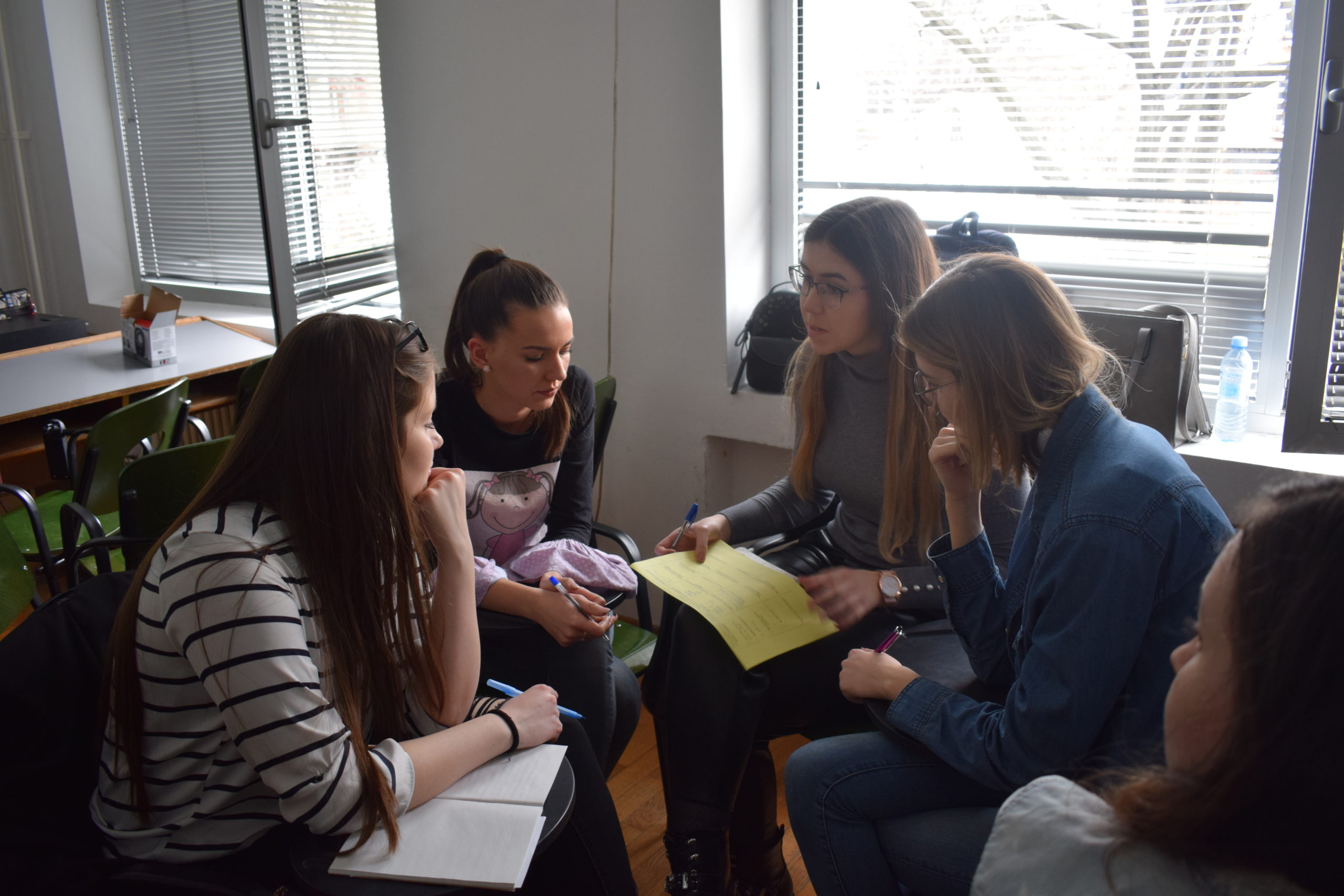
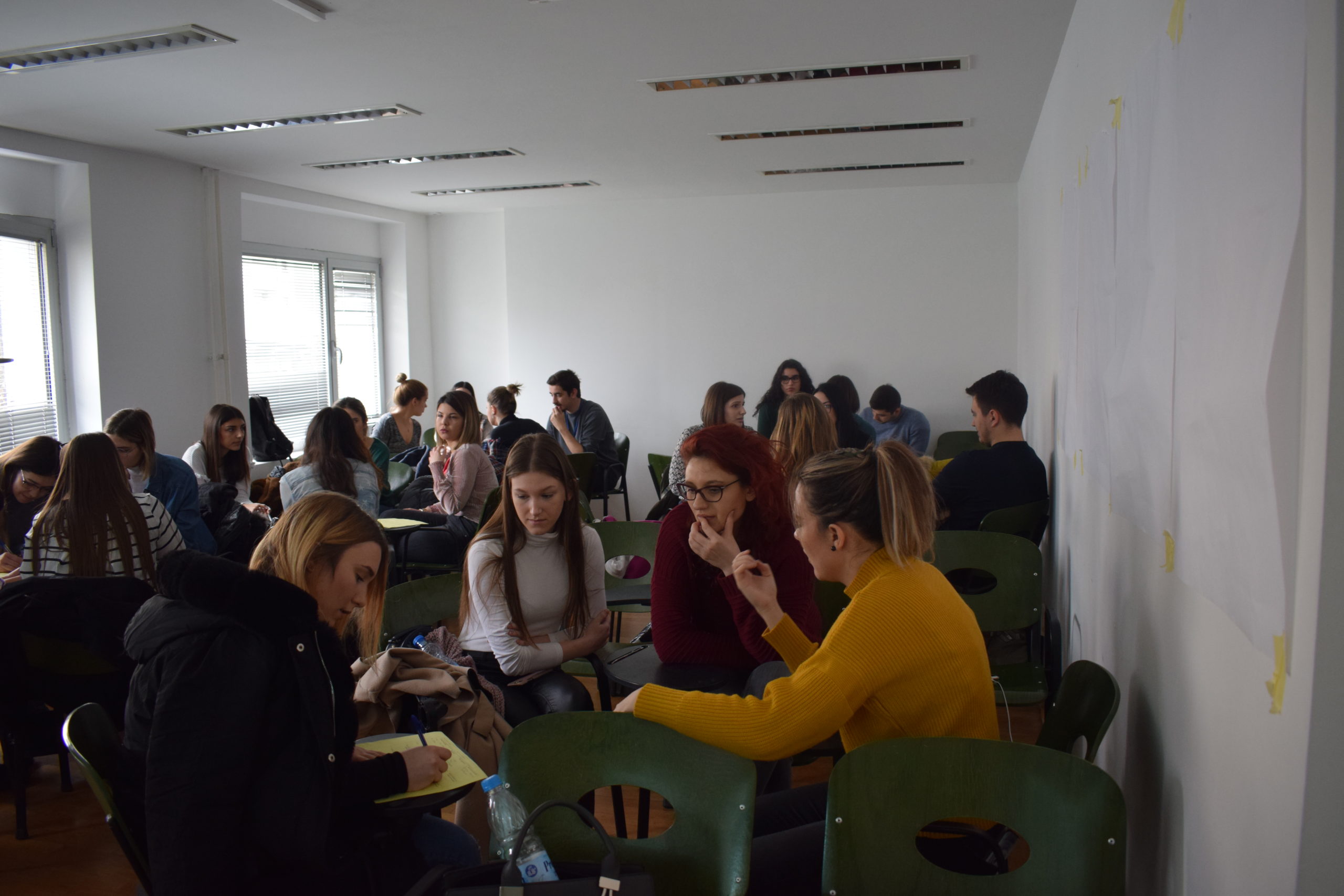
During the first part of the workshop students had a group discussion about actual cases of migrant children and problems they are facing with, thus having an opportunity to use the knowledge and skills obtained during the studies in solving the migrant crisis problem. In the second part of the workshop the participants’ task was to create messages to be addressed to public institutions, international organizations, social workers and students, in order to emphasize the importance of education in work with migrants.

The project will involve students of the third and fourth years of undergraduate academic studies of social policy and social work, as well as students from other departments demonstrating a particular interest in this field. The piloting was planned to include 5 professionals from the field. The project will be realized through four direct-contact, whole-day classes over two months. Upon the completion of the project, students will take a final test to be registered in their diploma supplement. The participants will also complete internship, to be organized in cooperation with organizations affiliated to the project. The approach to teaching units will be based on rights and protection of children. It will focus on migration, gender sensitivity and unaccompanied children.

Project coordinator is Prof. Nevenka Žegarac, member of the MIGREC team. The participants are Prof. Natalija Perišić and Junior Researcher Violeta Marković, both members of the MIGREC team, together with Anita Burgund Isakov and Katarina Lončarević, both PhD Assistant Professors at the Faculty of Political Science, University of Belgrade.  The course is developed in cooperation with UNICEF and supported by the Bureau for Population, Refugees and Migration of the State Department.


Children Affected by Mixed Migration – First Workshop Read More »

A Proposal of the Strategy of Economic Migration in front of the Government Soon

Professor Danica Santic, PhD from the Faculty of Geography and one of the members of the working group for drafting the Strategy, and Vladimir Petronijevic, executive director of the non-governmental organization Group 484, warn that it is high time for the issue of migration to be resolved at the institutional level.

A Proposal of the Strategy of Economic Migration in front of the Government Soon Read More »
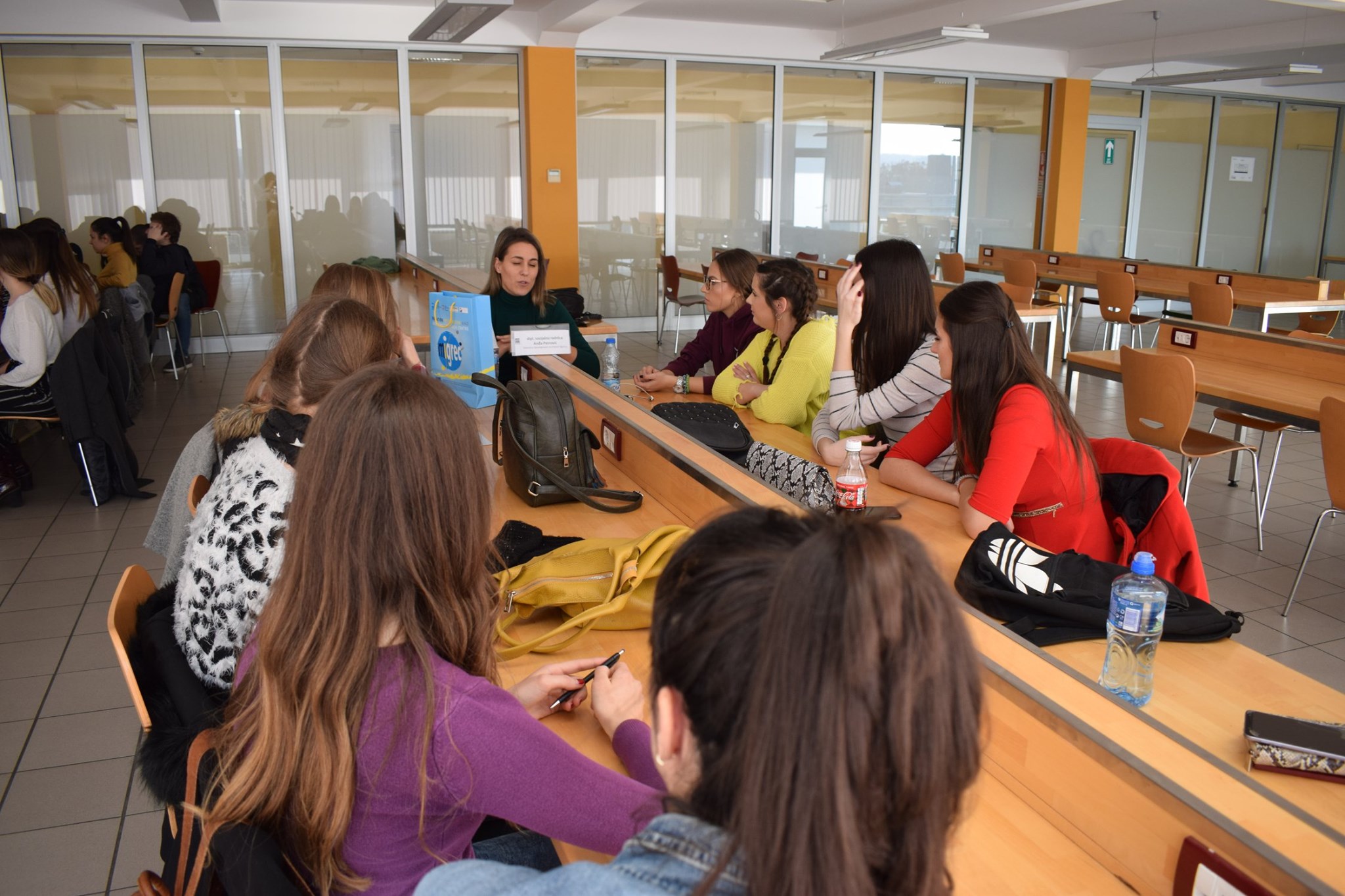
About MIGREC in the journal Demography

The paper of Professor Danica Santic, a member of the MIGREC team, has been published in the journal Demography. The paper briefly outlines the project Migration, Integration and Governance Research Center.

About MIGREC in the journal Demography Read More »
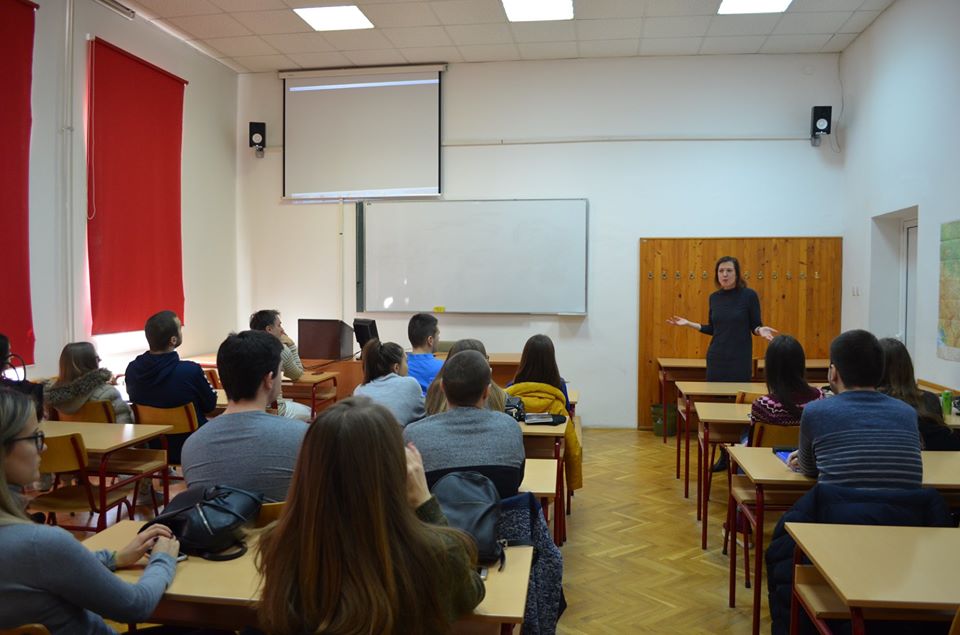
Panel discussion – “Migration – A Challenge or a Threat to Security of Croatia and Serbia?”

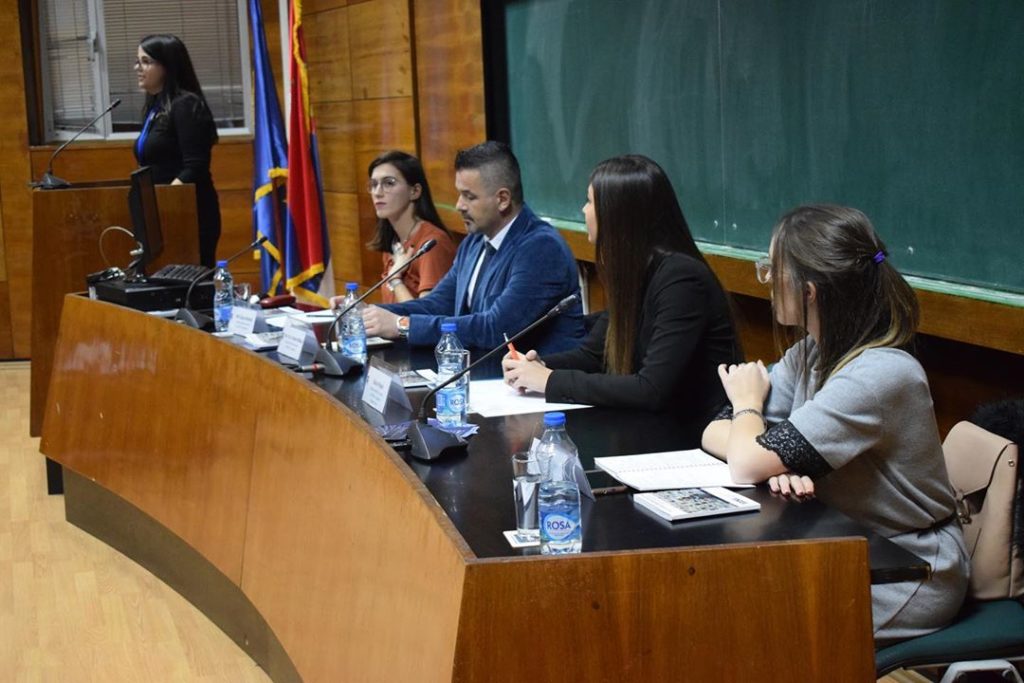
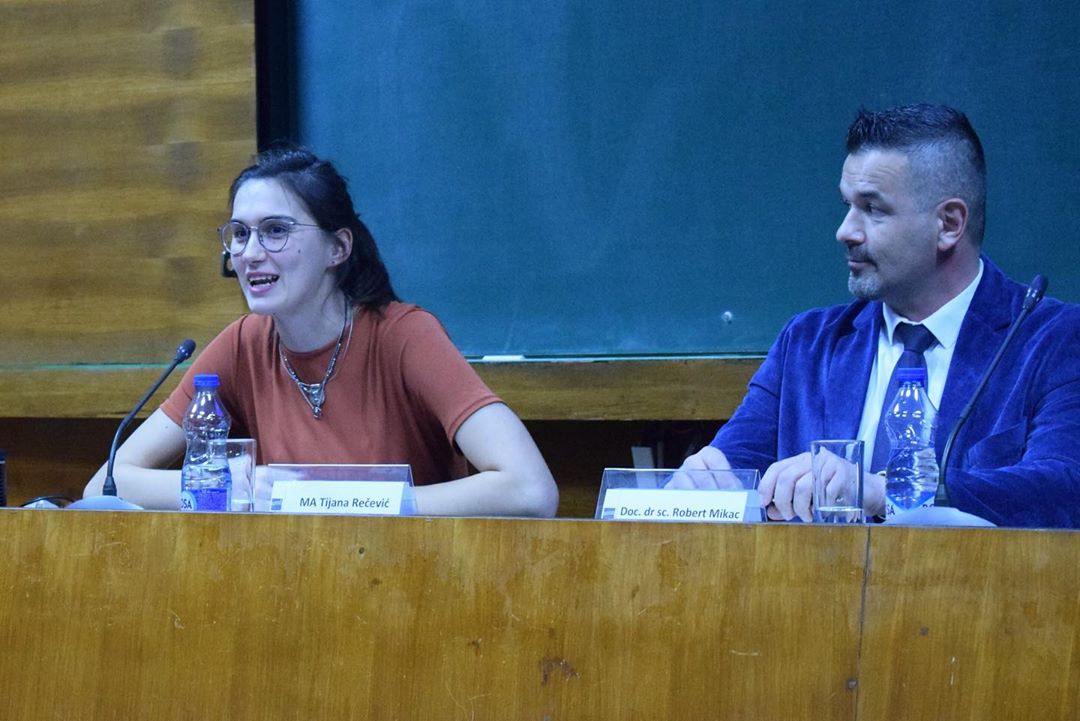
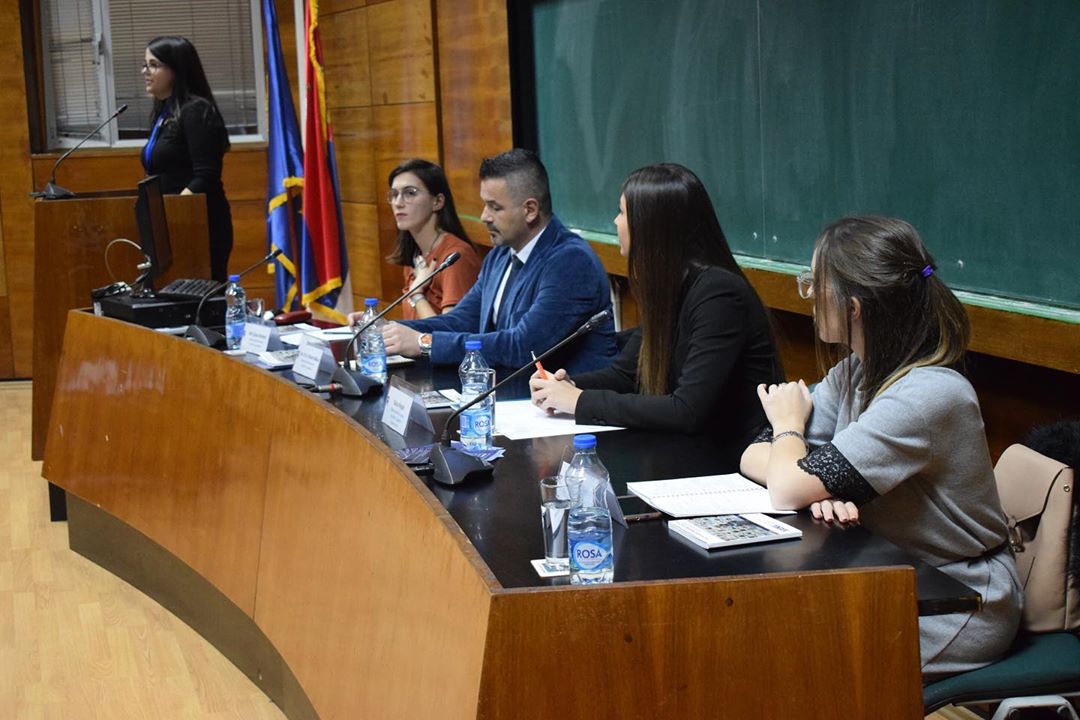
Tijana Rečević, Junior Researcher and PhD Candidate at the Faculty of Political Science, University of Belgrade, participated at the panel discussion titled “Migration – A Challenge or a Threat to Security of Croatia and Serbia?”. The discussion was organized under the project “PEROM Srbije i Hrvatske”, implemented by the students of the Faculty of Political Science, University of Belgrade and Faculty of Political Science, University of Zagreb. Focusing on the role of the transit countries, Tijana talked about security challenges which the recent migratory movements have posed in front of the countries on the Balkans route, about the cooperation of these countries in responding to constantly changing developments in the field, as well as about the potential opportunities for more comprehensive and effective migration, security and development policies in the region.


Panel discussion – “Migration – A Challenge or a Threat to Security of Croatia and Serbia?” Read More »
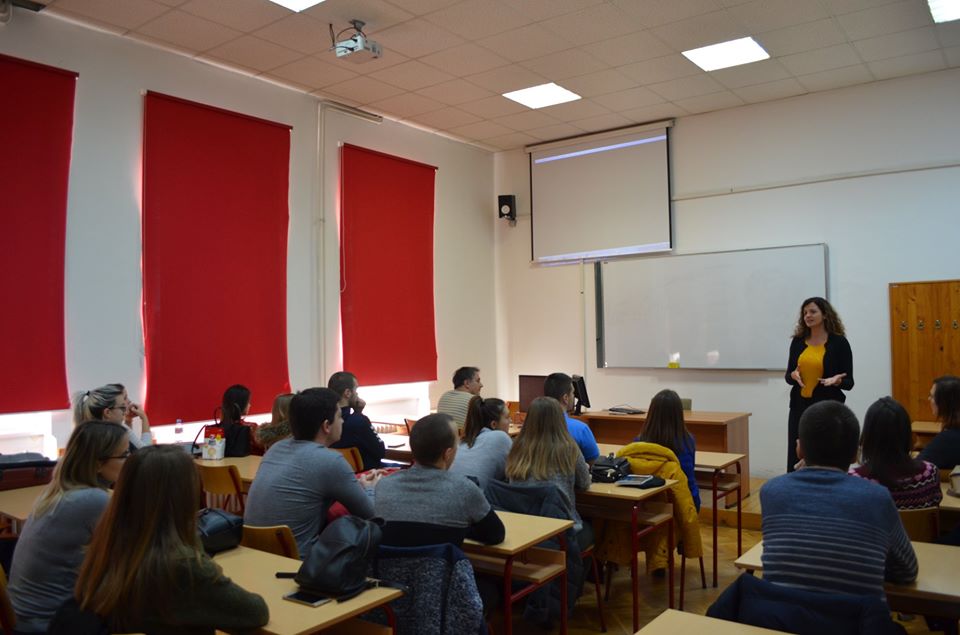
The International Migrant Day

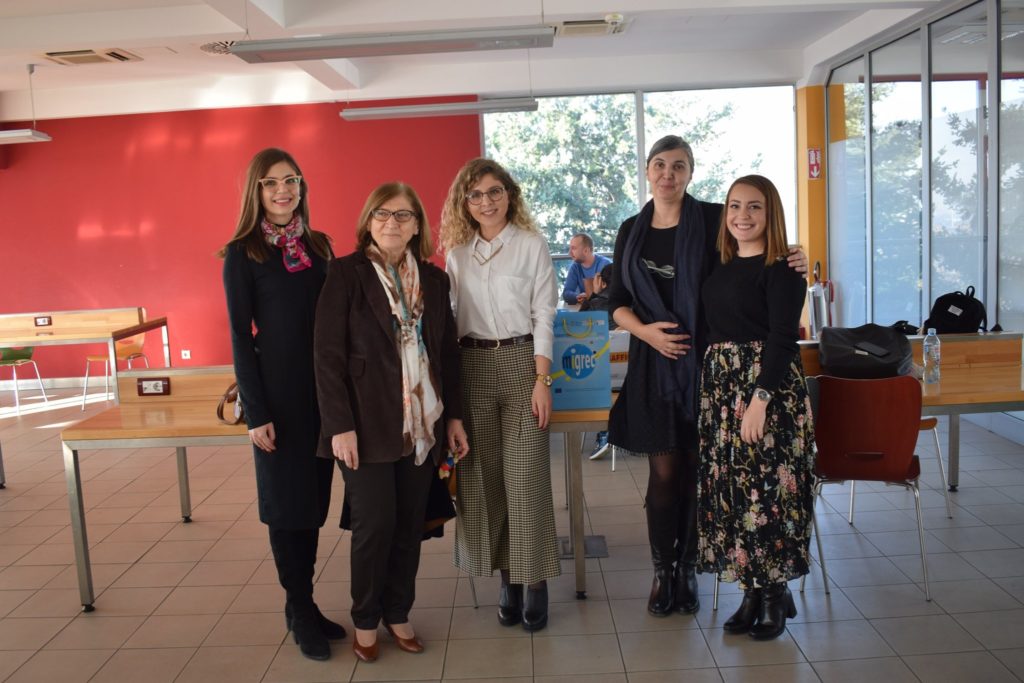
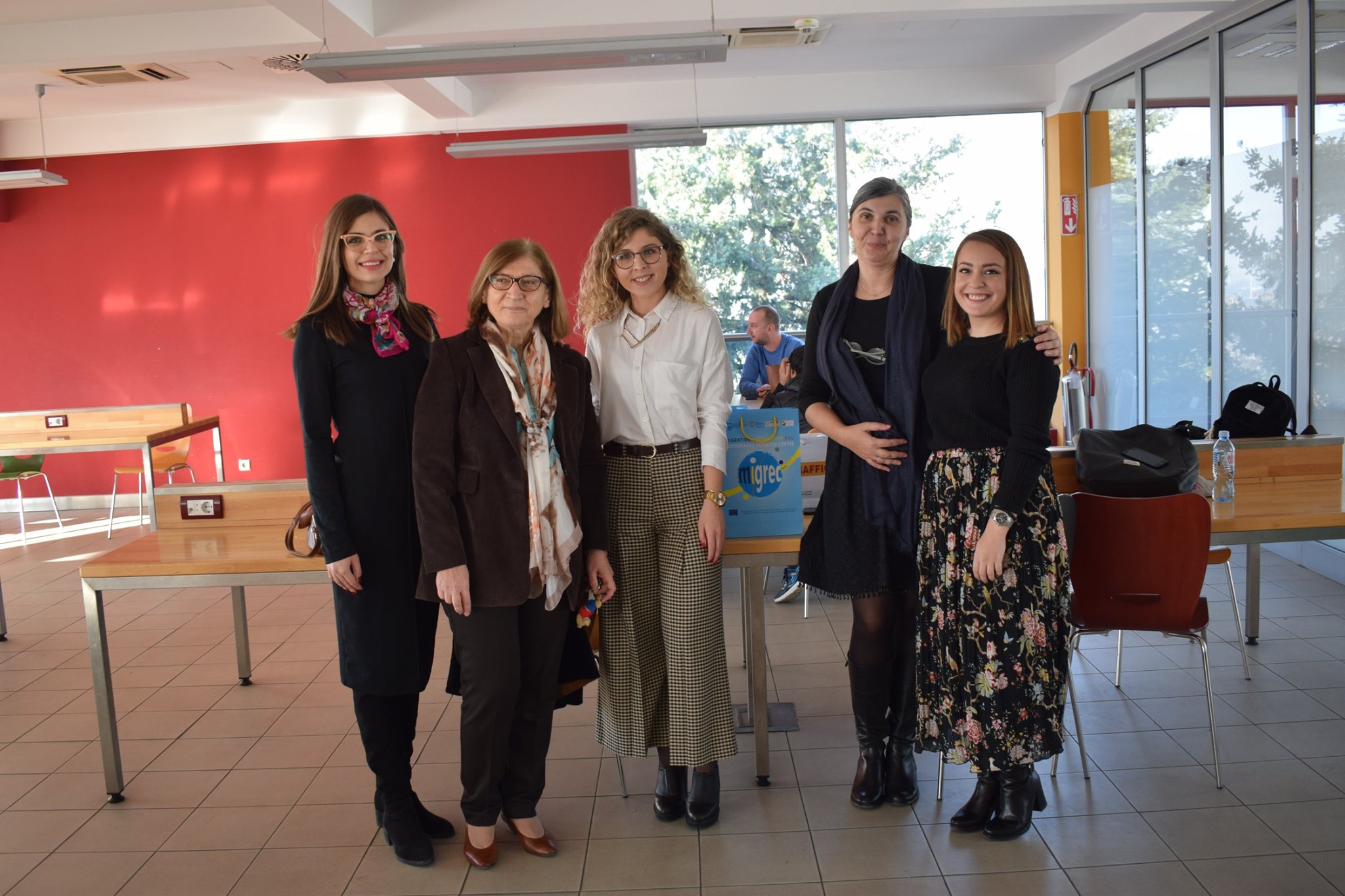
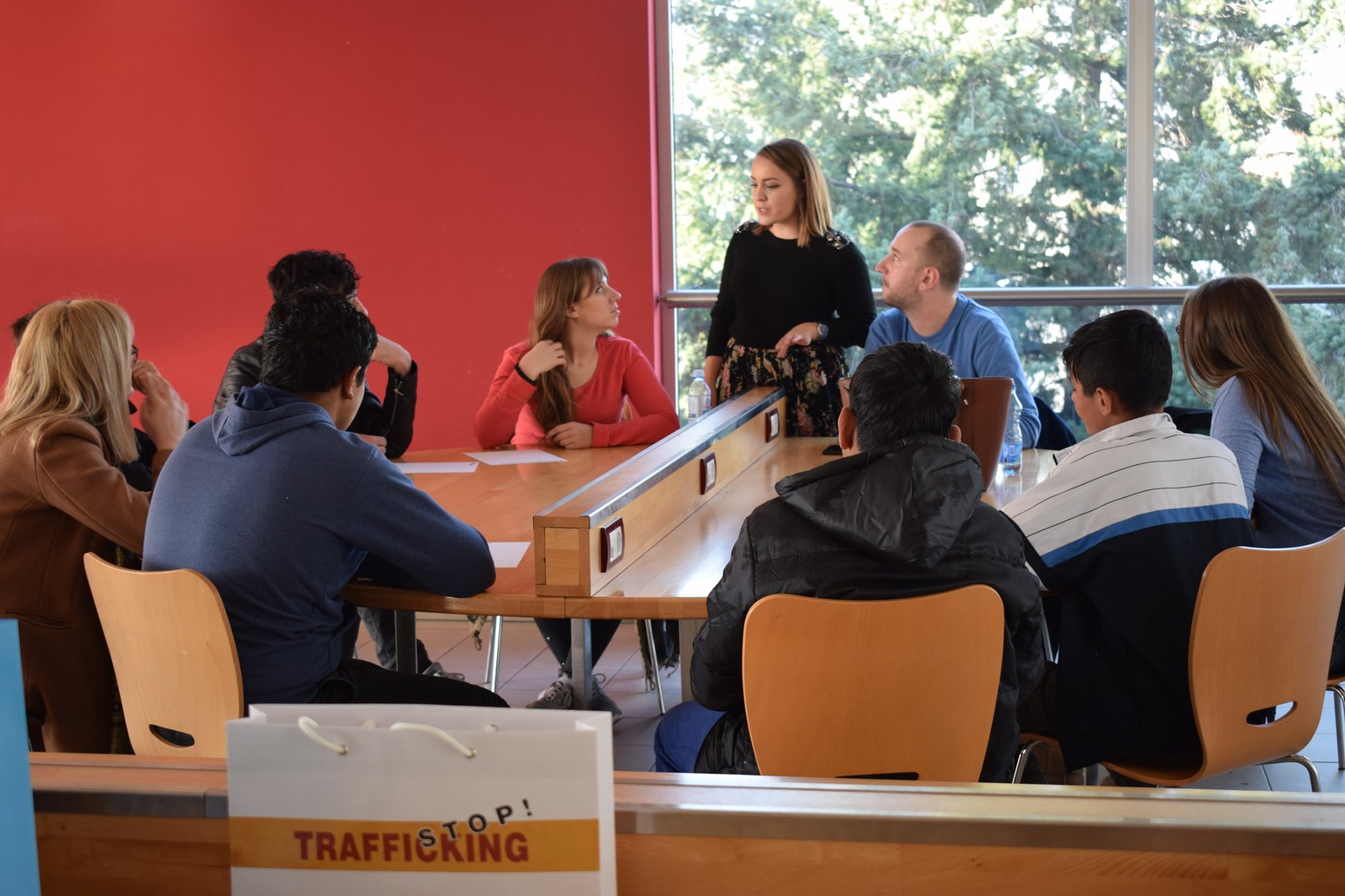
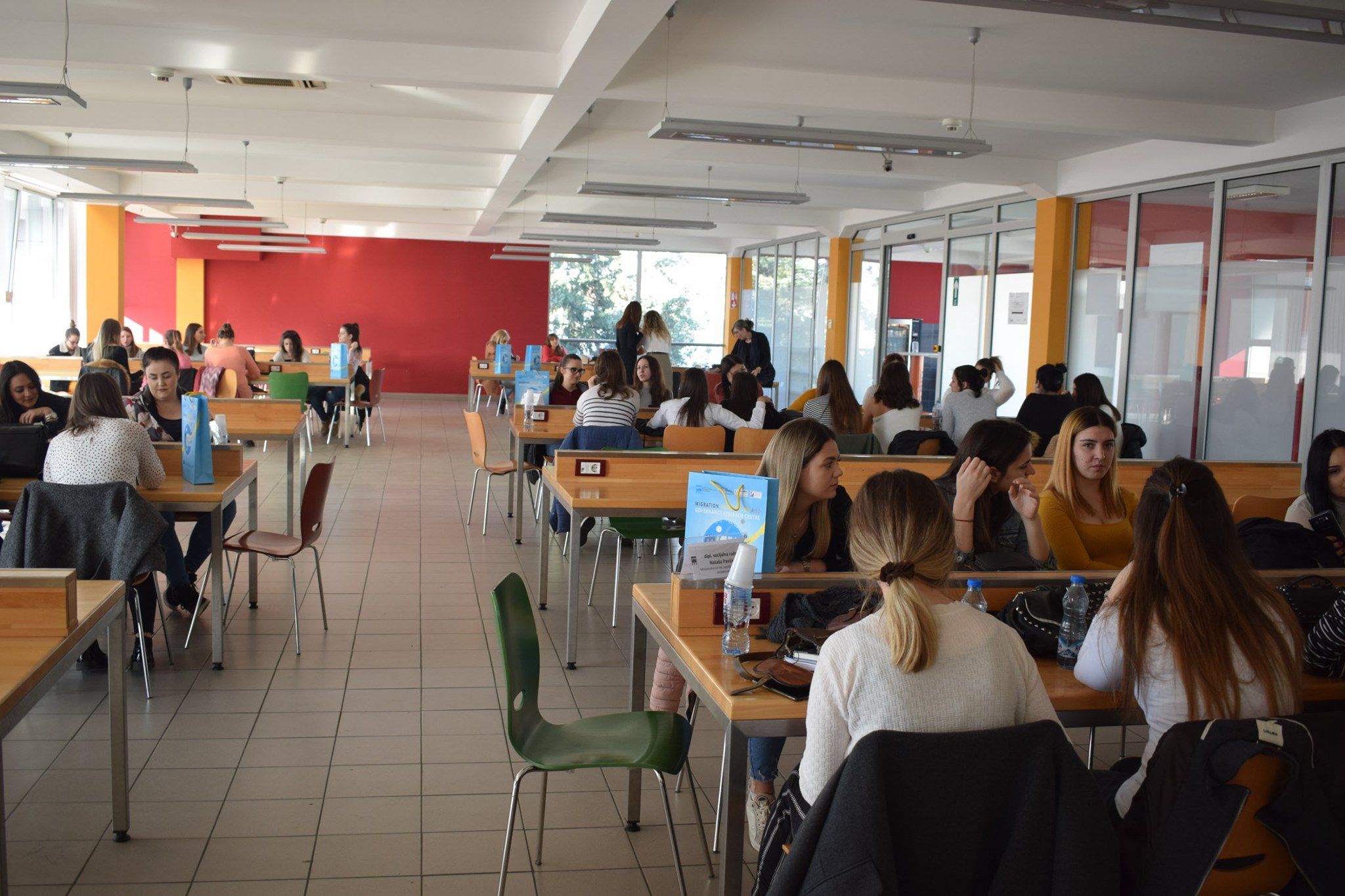
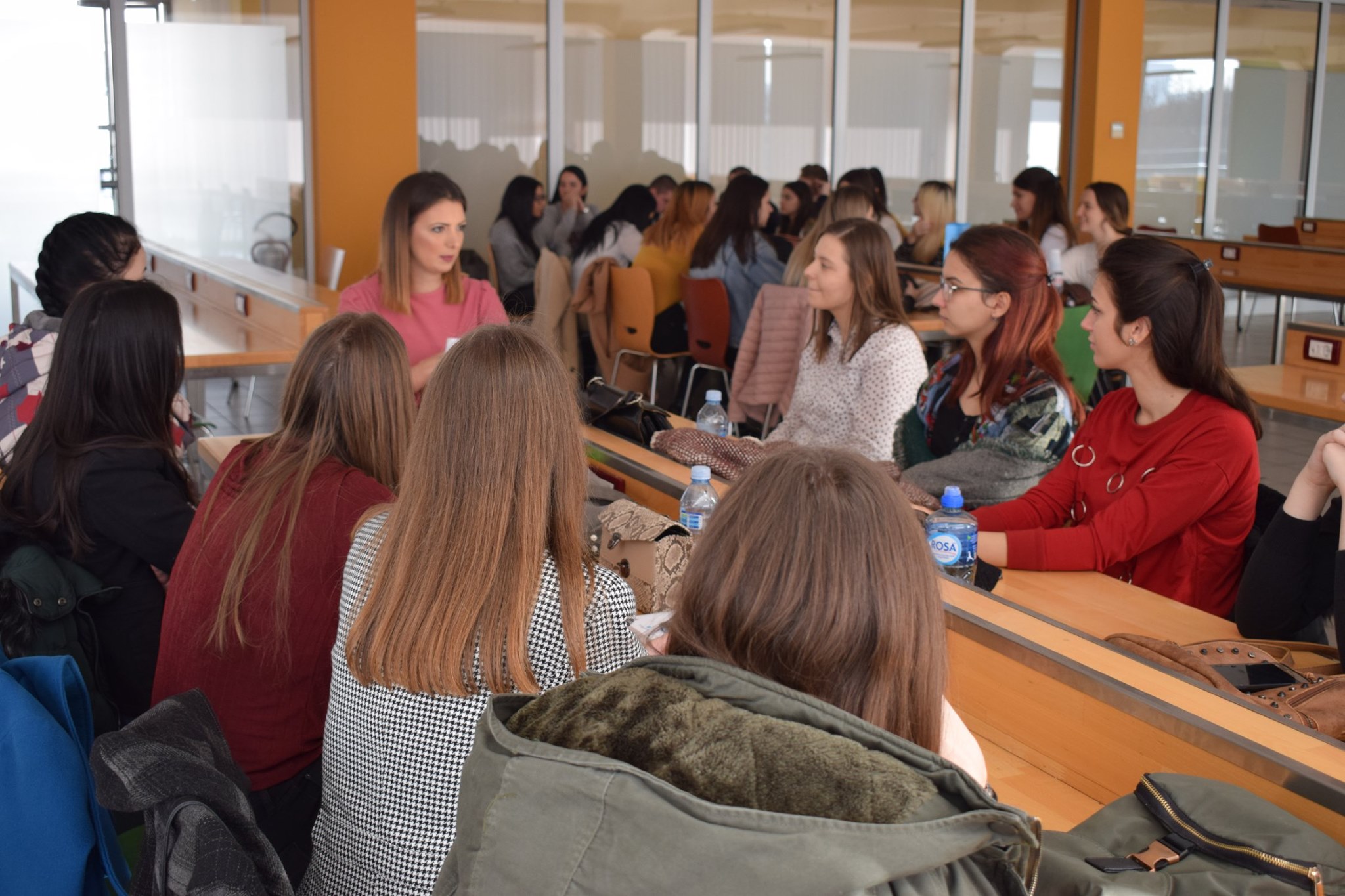
On December 17th, the Department of Social Policy and Social Work organized a Chat caffee: Migrants in Serbia… on the occasion of the International Migrant Day.

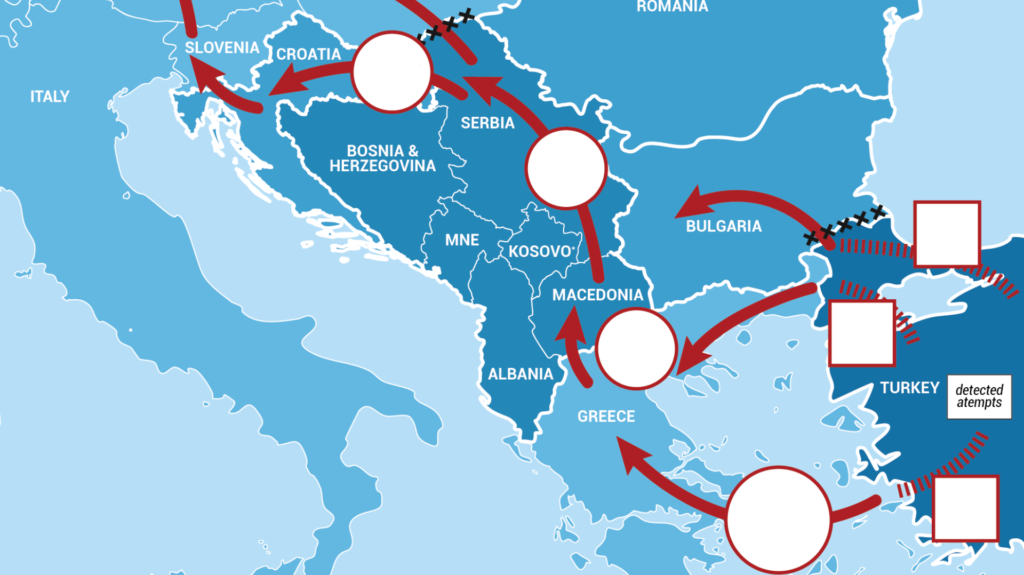
The event was focused on the migration of population from the MENA region which has been affecting Serbia since 2008. More than a million people have traveled through Serbia only since 2015, most wishing to reach one of the European Union countries. Governmental and non-governmental organizations in Serbia work day-to-day to support migrants.

Students of the third year of social policy and social work discussed the current challenges in the provision of support to migrants with graduate social workers from the Ministry of Labour, Employment, Veteran and Social Policy of the Republic of Serbia, Home for children without parental care “Jovan Jovanovic Zmaj” as well as two NGOs: JRS and ADRA.
Dear guests of the Faculty of Political Science were also migrant children, hanging out with students and having fun at board games.


The International Migrant Day Read More »
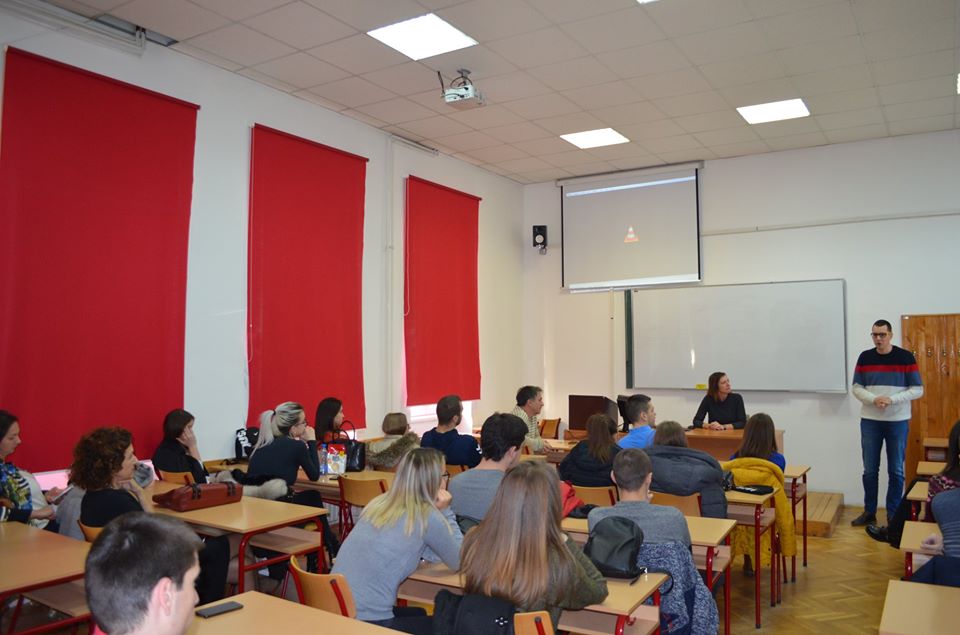
“Close (d)” by Brigitte Kuhar

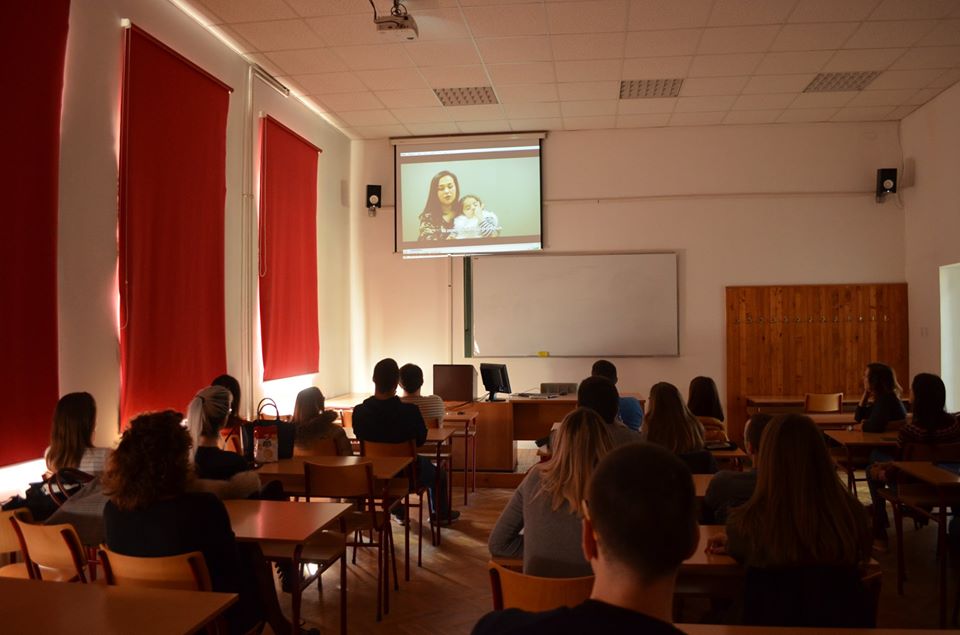
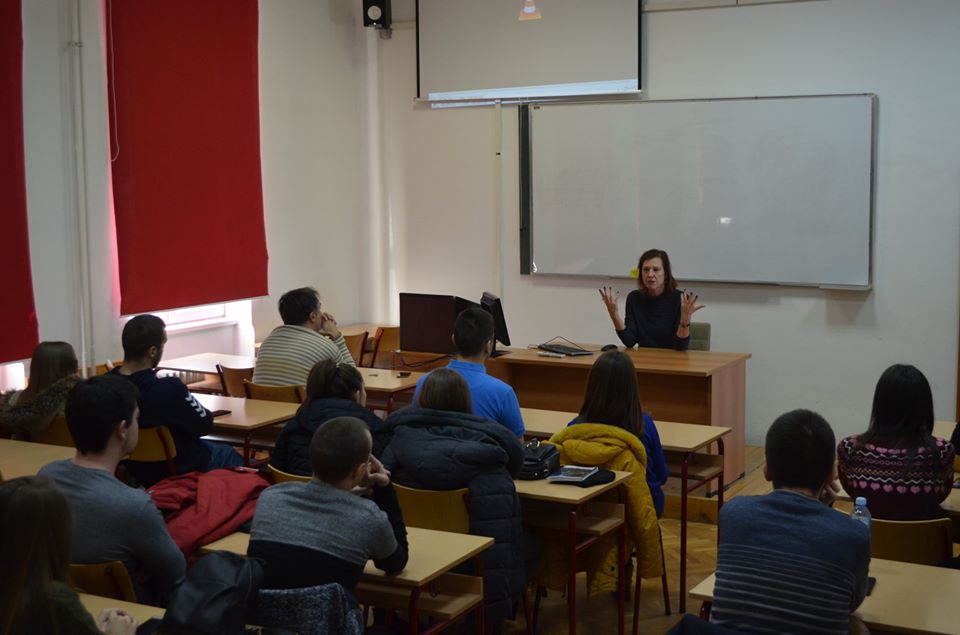
University of Belgrade – Faculty of Geography and Population Science Students Association – USPON marked International Migrant Day with the screening of the documentary on migration “Close (d)” by Brigitte Kuhar. The projection was attended by students of the second, third and fourth years of basic studies in the field of Demography, as well as students of master and doctoral studies. After watching the film, students had the opportunity to ask questions and talk with the author of the film.


“Close (d)” by Brigitte Kuhar Read More »