Protection of Children in Migration – textbook and workbook

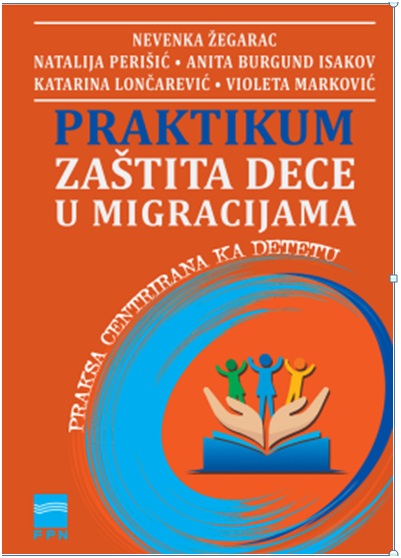
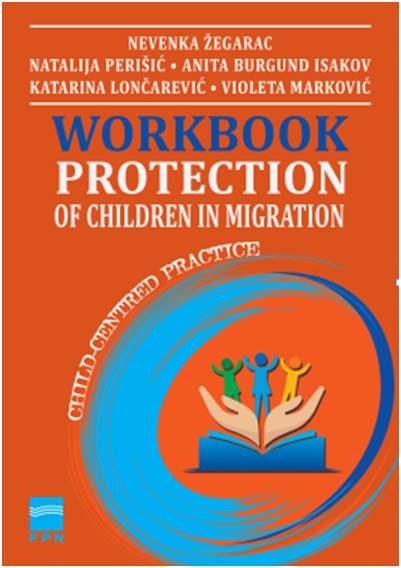
Prof. Dr. Nevenka Žegarac, prof. dr. Natalija Perišić, doc. dr. Anita Burgund Isakov, doc. dr. Katarina Lončerević i asist. MA Violeta Marković published a textbook „ Protection of Children in Migration: A Rights-Based Approach” in Serbian and a workbook „ Protection of Children in Migration: A Rights-Based Approach: Child-Centred Practice” in Serbian and English.

The  “Protection of Children in Migration: A Rights-Based Approach” textbook was developed under the Co-creating Knowledge and Building Expertise for Protection of Children Affected by Migration – Curriculum Development project which was implemented by the Belgrade University’s Faculty of Political Science with the support of the UNICEF in Serbia and the United States Bureau of Population, Refugees and Migration. The original results and deliverables of the project were followed by financial support from the European Union Health Programme “Strengthening refugee and migrant children’s health status in Southern and South-Eastern Europe”, for the development of the textbook and workbook which combine experiences gained during multi-layered, co-creative work with decision makers, practitioners, students, researchers and analysts.

Comprehensive research and consulting activities were implemented during the project. Focus groups and interviews were organised with 40 policy and decision makers, as well as practitioners from the public and civil sectors from different parts of Serbia, who are involved in the protection of children in migration. Special attention was paid to consultations with unaccompanied migrant children and children traveling with their families. We consulted with 14 boys and girls from Afghanistan, Iran, Pakistan and Syria, who agreed to talk to the research team (along with other necessary parental and guardian consents), in a way that was carefully and professionally designed, ethically rigorous, highly participatory and child-friendly.

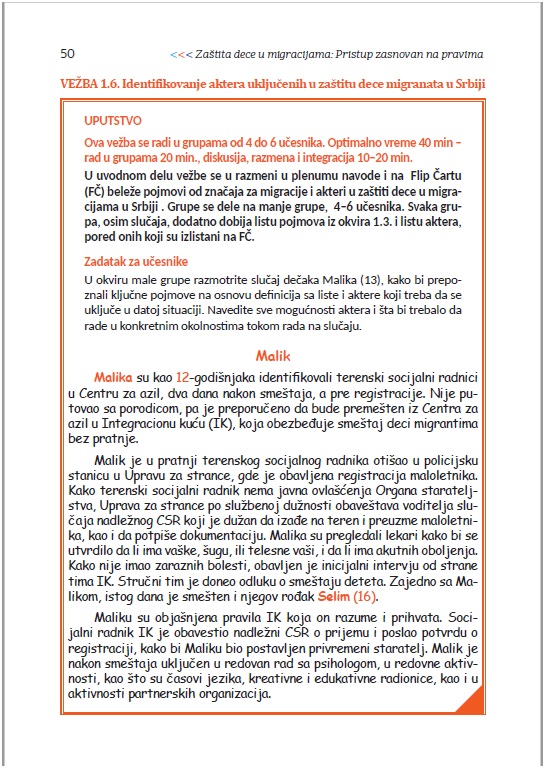
Based on the knowledge gained and material collected, the curriculum was designed in accordance with the university education standards, followed by a Continuing professional education (CPE) programme for practitioners. The programme was piloted in the 2019/20 school year and was delivered for the second time in 2020/21. In addition to students from different faculties, the classes also included a number of practitioners. Based on the experiences from the two teaching cycles, a Protection of Children in Migration textbook was developed, with the accompanying workbook. The textbook comprises ten chapters, thematic units which cover various areas of protection of migrant and unaccompanied children. It is intended for students of the Faculty of Political Sciences and other social sciences and humanities faculties, but also for decision makers and practitioners in the field of child protection, as well as those who come into contact with migrant and unaccompanied children in their work. Each chapter has defined learning objectives, it elaborates and explains theoretical concepts and practical approaches in the multidisciplinary field of child protection in migration, and includes appropriate practical exercises which are a prerequisite for experiential learning, recommendations for further reading and a list of key terms.

Chapter one elaborates the characteristics, trends and actors, provides an overview and analysis of the migration process, with a focus on children in migration. Although migrations have existed in all societies in the past, they belong to those processes that essentially affect the reshaping of modern societies and policies. The first chapter introduces and explains the basic concepts, notions and theories of migration, provides an understanding of the characteristics of modern trends in migration, as well as related knowledge in political science, to help understand migration flows involving children, and the role of actors in protecting children in migration, in the national and international framework.

Chapter two covers the rights-based approach and the child protection framework, where the theoretical, legal and practical component of the child rights-based approach is elaborated. The chapter offers a critical review of the understanding of childhood as a social phenomenon and the rights of the child. In the context of migration, the application of the four fundamental principles of the UN Convention on the Rights of the Child is crucial, from the point of view of the extent to which a child-centred policy, strategy, measure, programme or activity is fair, inclusive and participatory. The social work practice approaches that have strong implications and significance for working with children in migration and their families are also presented. These include, among others, the empowerment approach, strength-based practice, eco-systemic thinking, anti-subjugation, anti-oppressive and anti-discriminatory social work practices. These concepts, with the application of the principles of culturally competent practice, operationalize the practical application of the child rights-based approach.

Chapter three provides an overview of the framework for understanding migrations, “push and pull factors”, standards for child protection in humanitarian crises, and in particular the Global Minimum Standards for the Child Protection in Humanitarian Action. These contents are aimed at understanding the factors that encourage migration, learning about the relevant concepts and interpretation of the specifics of child protection in emergency and crisis situations. This lays the foundation for the application of these standards in practice and the ability to recognize and assess the degree to which child protection standards in emergencies and crises have been applied.

Chapter four deals with the identification of children in migration and the organization of initial interventions. This chapter deals with the process of identification of children in migration, theoretical and practical aspects of opening of the case management process, rules for interviewing children, initial procedure for establishing and determining the best interests of the child and standards for establishing child-friendly spaces. This provides an understanding, comparison and interpretation of standards and procedures for organizing child-friendly reception and assistance and identifying the best interests of the child in migration in Serbia, Europe and international practice, during identification and initial interventions.

Chapter five discusses the risks and resilience of children in migration. This chapter deals with contemporary knowledge about trauma and the impact of traumatic experience, as a knowledge base for the development of child protection systems in migration. This knowledge, together with the previously discussed rights, standards and principles of child protection, is placed in the context of risk and vulnerability assessment together with protective factors, which includes the child’s right to participate and consultations with children which encourage their resilience and capacity. Special attention is paid to the care of professionals and the importance of self-care, as well as debriefing techniques. The learning objectives in this chapter are aimed at learning and understanding the main concepts, ideas and theories about trauma as well as at interpreting and applying an assessment approach based on recognizing trauma and encouraging resilience, as well as understanding the importance of self-care.

Chapter six analyses the issues of gender and vulnerability, where the essential concepts and gender theories are elaborated, as well as the system of gender roles as a system of inequality that exists in every society and culture. The issues of understanding gender and vulnerability on the example of women and children on the move are explained here, with the elaboration of the issues of vulnerability of children (boys and girls) in migration and specific gender characteristics of vulnerability of unaccompanied and separated children. As it is almost impossible in practice to separate the issues of gender and vulnerability and gender-based violence in migration, this chapter offers a coherent framework for understanding the problems and building gender-sensitive interventions.

Chapter seven deals with child abuse in migration. Here, the risks to which children are exposed at different stages of migration processes and specific forms and manifestations of violence against children in migration are considered in order to understand and recognize the characteristic types of abuse. The main forms of violence faced by children in migration are presented, and the phenomena of smuggling, child trafficking and abuse of child labour in migration are comprehensively discussed.

Chapter eight deals with gender-based violence and its characteristics for children in migration. Migrations are presented as a gender process. The system of gender roles is presented as a system based on inequalities and discrimination that lead to violence, while the patriarchy itself changes as societies change, but it is present in various forms everywhere, including the migrants’ countries of origin. The learning objectives are aimed at understanding and interpreting the concepts and analysing the manifestations of gender-based violence in migration, as well as relevant international and national conventions, and at understanding the survivor-based approach to gender-based violence.

Chapter nine explains and elaborates the case management guidelines for children in migration. This chapter discusses case management standards in migrant children in national and transnational aspects, the child rights and procedures during the age assessment process, elaborates the decision-making process on the best interests of the child and interprets the good practice standards in protection of children in migration with interpreters and cultural mediators. The learning objectives are, inter alia, aimed at identifying, explaining and resolving ethical dilemmas in the case management process when working with children in a migration situation and interpreting the child’s rights and procedural guarantees in procedures for assessing and determining the best interests of the child in migration (including age assessment).

Chapter ten deals with the conceptual, legal, organizational challenges and challenges present in the social work practice relative to the alternative care of migrant children. This chapter deals with topics related to services intended for families of migrants with children, issues of guardianship, particularities of alternative care forms for unaccompanied and separated children. Long-term solutions for these children in accordance with international legal guarantees are also systematically presented: voluntary return to the country of origin, integration in the country of destination, relocation to a third country, family reunification in the country of origin, destination or a third country and international adoption.
Protection of Children in Migration – textbook and workbook Read More »
Collective Leadership Training

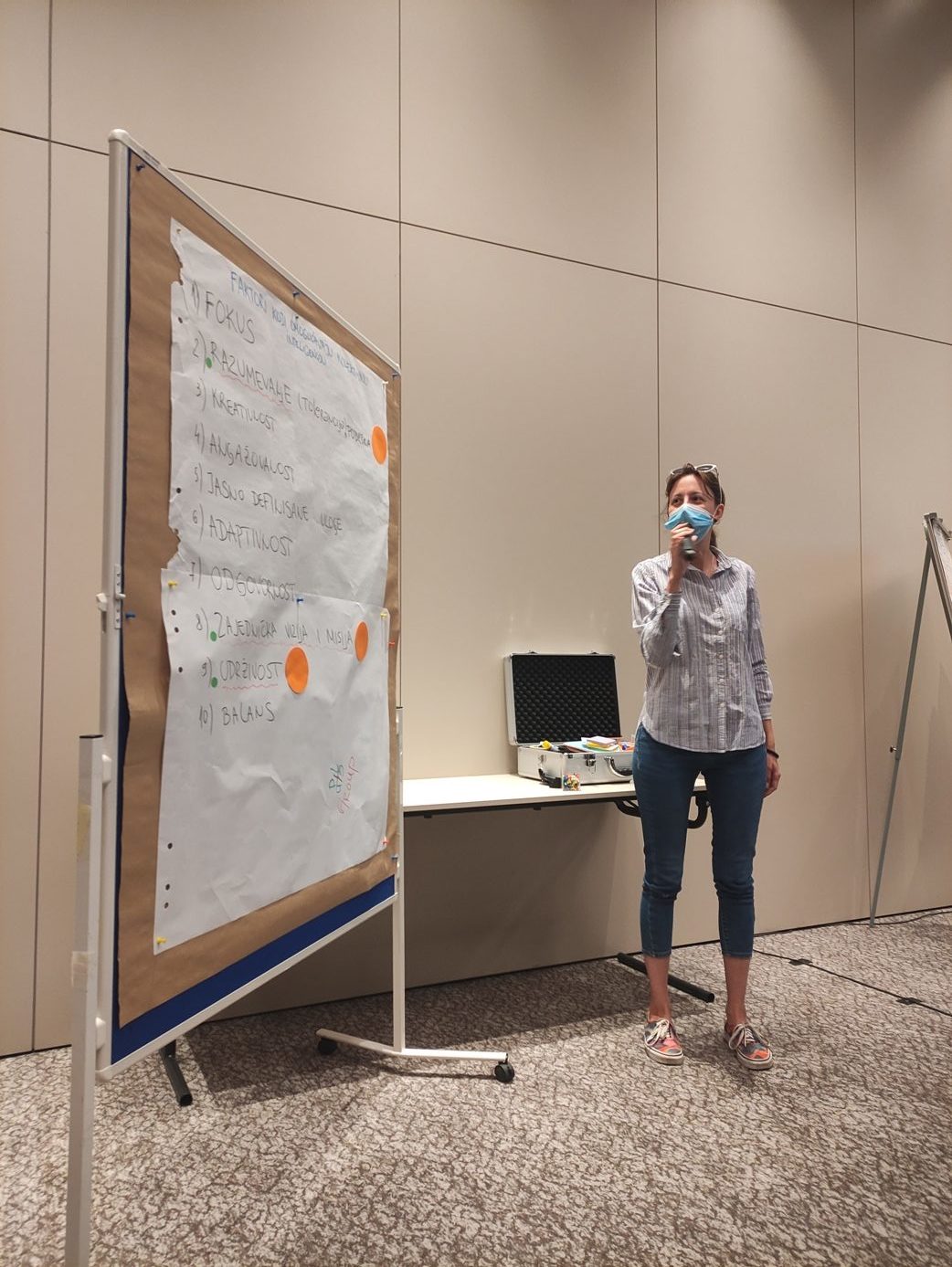
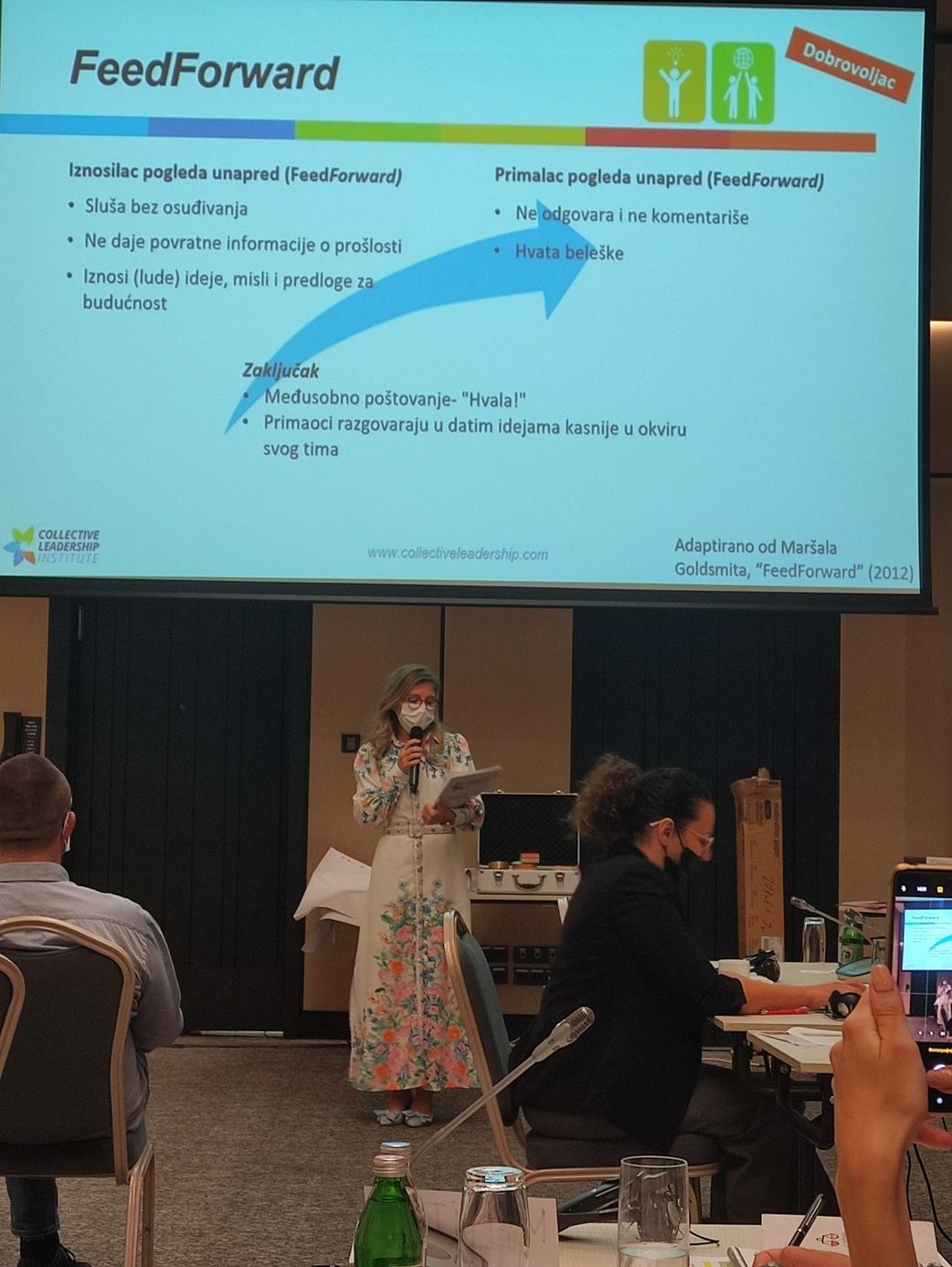
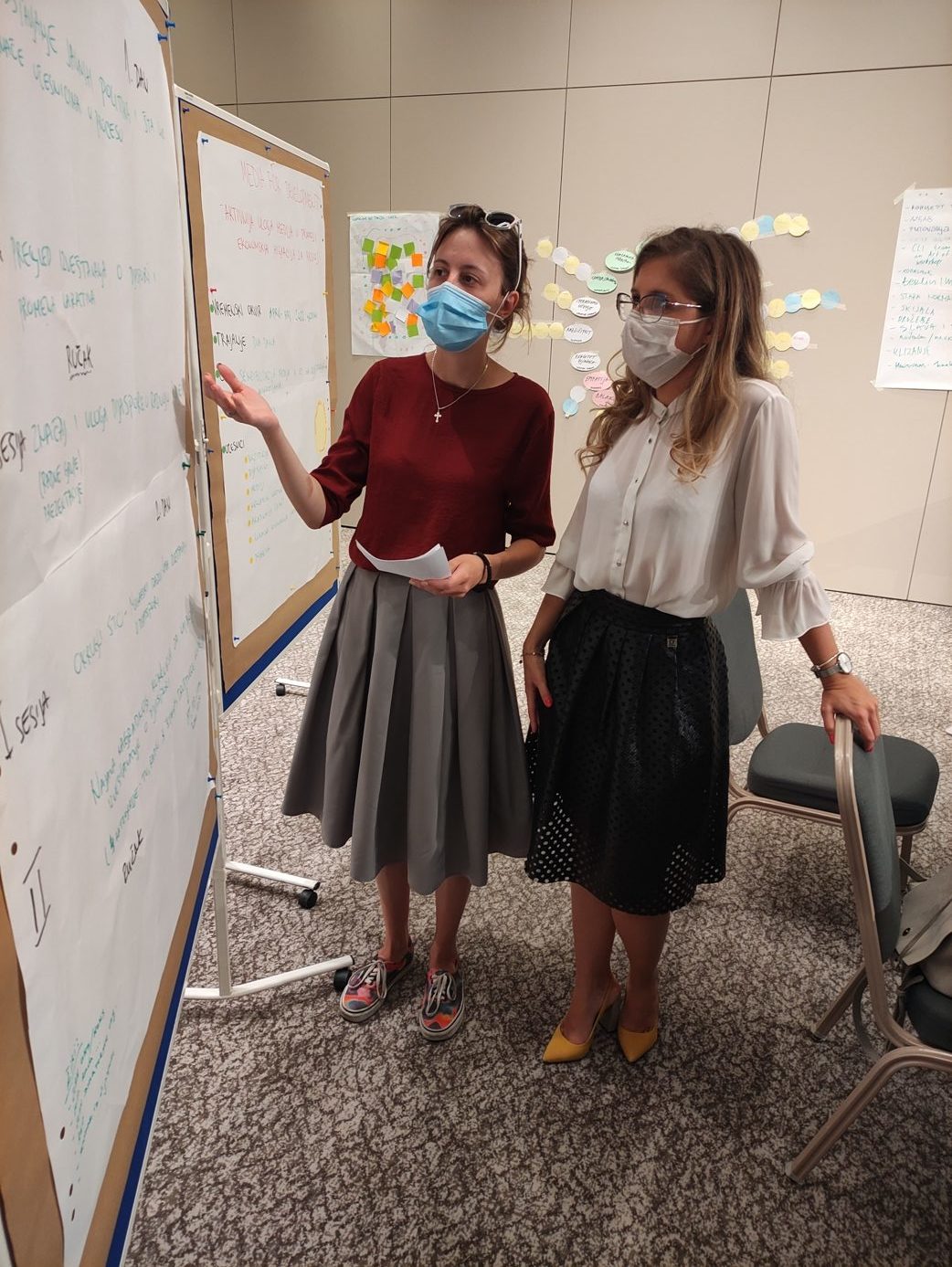
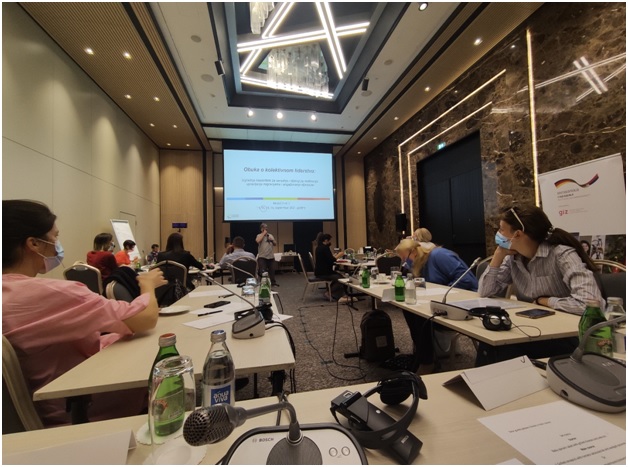
Danijela Pavlović and Nevena Radić obtained the Collective Leadership Expert certificates, thus joining the global community of exchange&learning-oriented practice. They attended an intensive leadership training course organized by the Programme for Migration and Diaspora (PMD) and carried out by the Collective Leadership Institute (CLI) from March to October 2021. In Serbia, this programme, funded by the German Federal Ministry of Economic Cooperation and Development, is implemented by GIZ, in cooperation with partner institutions. This expert and practical training presented the most recent tools and methodologies in the fields of collective leadership, cooperation among interested parties and alleviation of dialogue among several actors. The course was aimed at professionals working on migration and diaspora issues in public authorities, civil society organizations, private sector, academic community and other relevant organizations. Participants learnt how to use the leading CLI methodologies: Collective Leadership Compass and Dialogue Change Model.

These two methodologies were presented within the first two modules, whereas the participants were offered practical opportunities to apply them in their own change-implying initiatives. The Compass is a leadership tool which enables the user to analyse, diagnose and plan activities for balancing six dimensions of competences. The third model was meant for facilitation of skills for gathering of interested parties and carrying out the dialogue process through implementation both of the compass and of the dialogue change model. Upon completed training, participants obtain skills, knowledge and practical experience to continue – in a sustainable manner – to lead dialogues among larger number of actors, aimed at action in key issues in the fields of migration and diaspora in the future, for the sake of gaining long-term advantages for the citizens within the country borders and beyond them.


Collective Leadership Training Read More »
MIGREC at the conference “National minorities, migration and security”

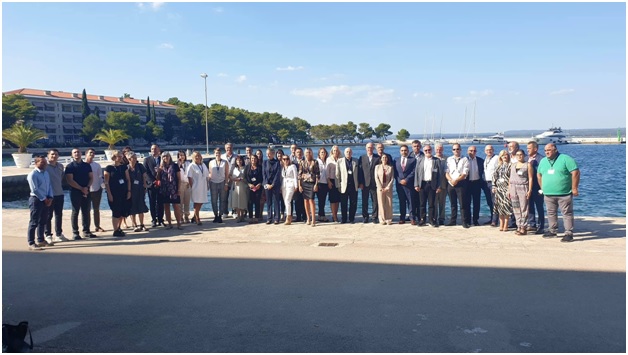
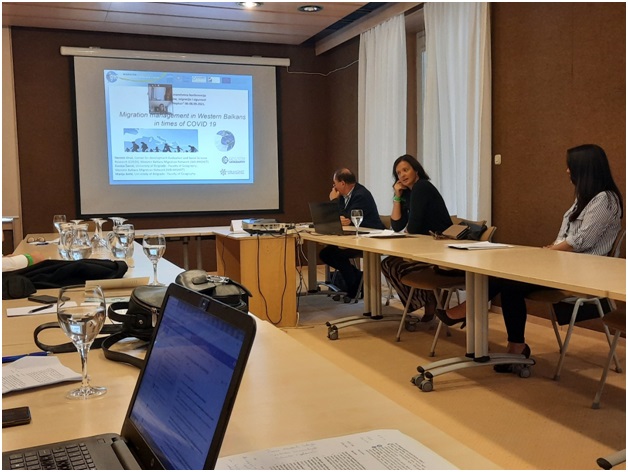
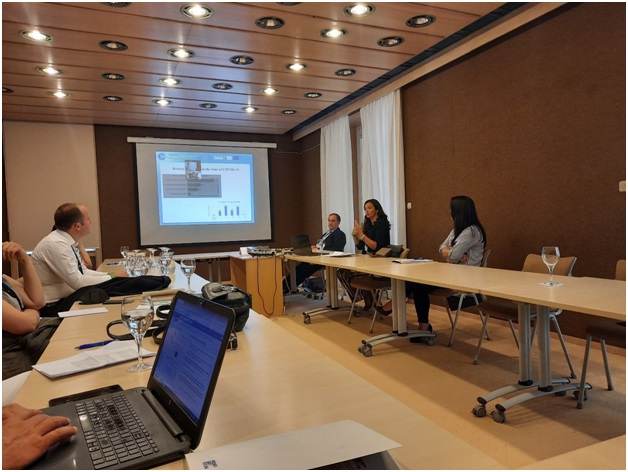
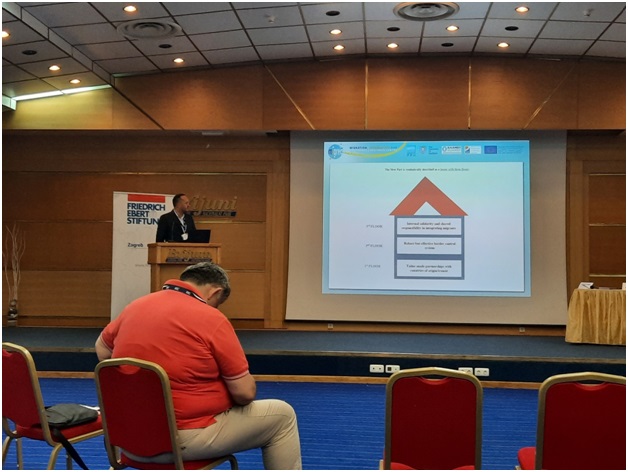
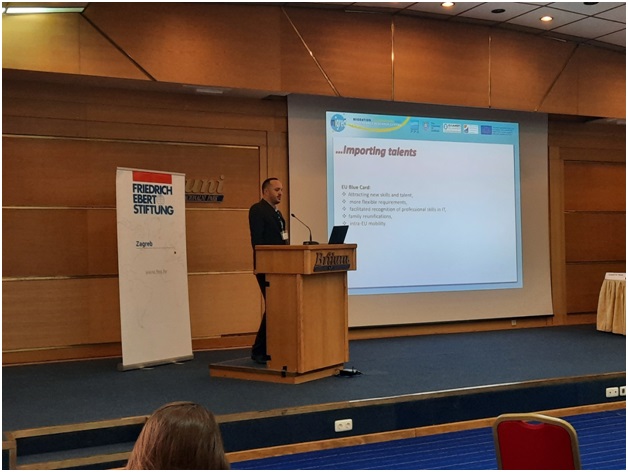
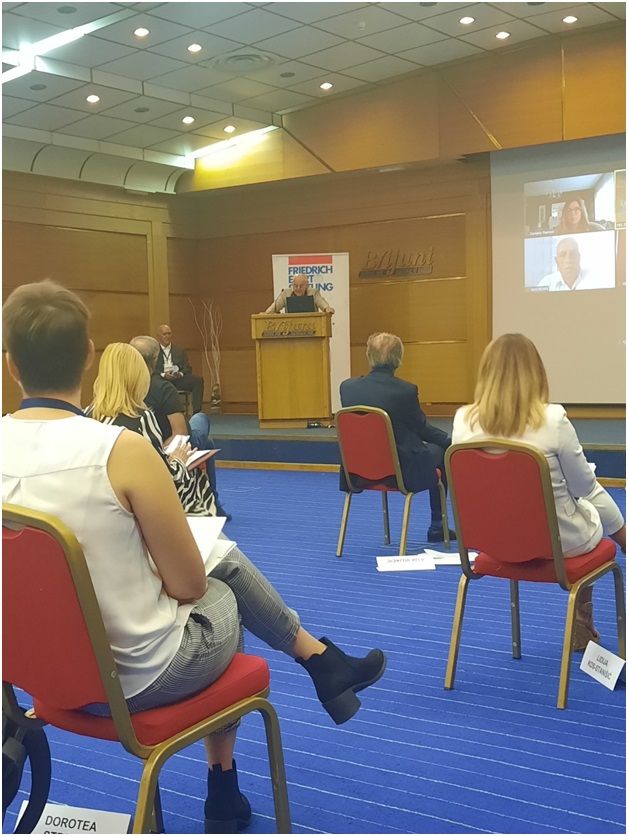
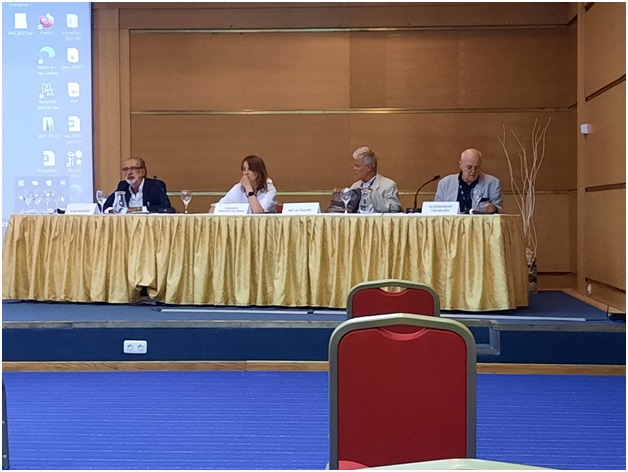
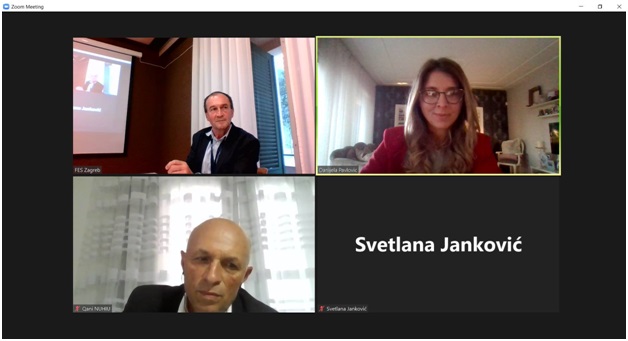
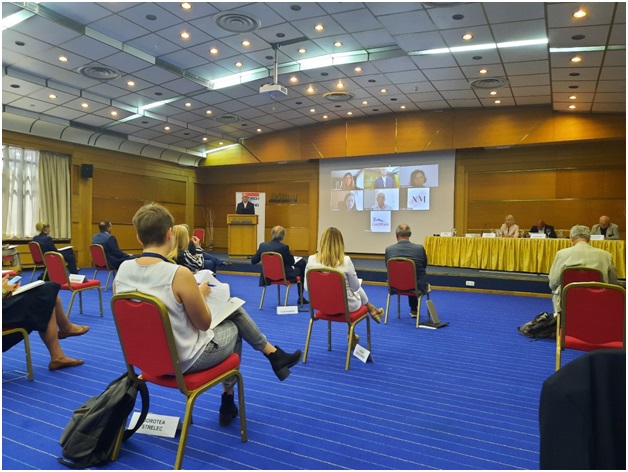
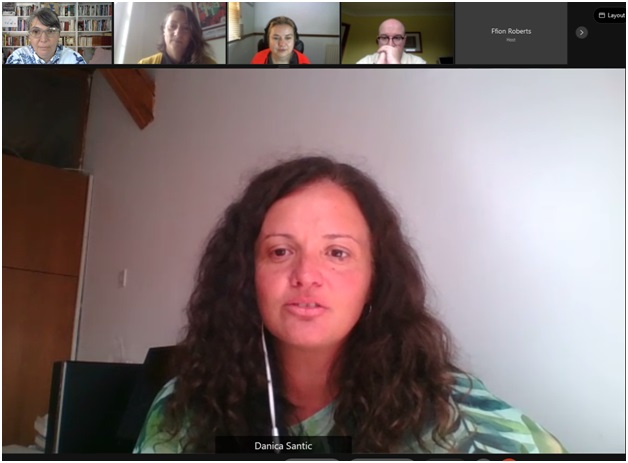
The 25th international scientific conference “National minorities, migration and security”, organized by the Center for International and Security Studies, Faculty of Political Science (University of Zagreb) took place in Brijuni Islands, Croatia from 6-8 September 2021. The conference was co-organized by Friedrich Ebert Foundation and Council of National Minorities of the Republic of Croatia.

The conference covered three thematic units:

  1. National minorities in democratic societies
  2. Migration and migration policies
  3. Global security challenges.

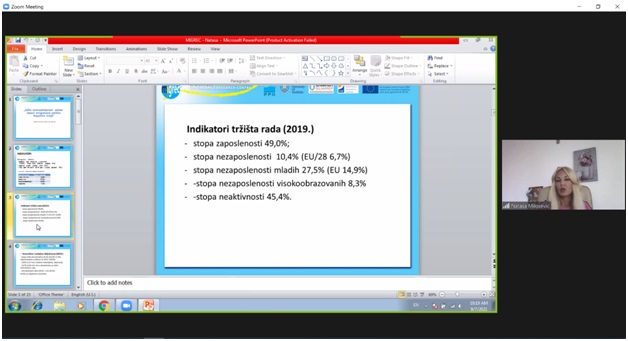
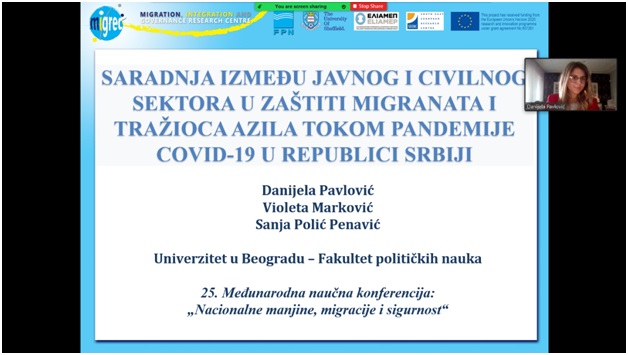
MIGREC team members presented four interesting papers at the conference. Nataša Milošević, Milica Glišić and Ena Todorović analyzed the topic of emigration of highly skilled population from Serbia and pointed to systemic obstacles to prevent brain drain. Dejan Pavlović, Danica Šantić and Natalija Perišić researched potential consequences of the New EU Pact on Asylum and Migration on migration trends and migration policies in Serbia. Nermin Oruč, Danica Šantić and Marija Antić, presented the topic of migration management on the Western Balkans during the COVID-19 pandemic. Danijela Pavlović, Violeta Marković and Sanja Polić Penavić focused on challenges for the cooperation between the civil and public sectors in the protection of migrants and asylum seekers during the COVID-19 pandemic.


MIGREC at the conference “National minorities, migration and security” Read More »
MIGREC at Royal Geographical Society Annual International Conference 2021

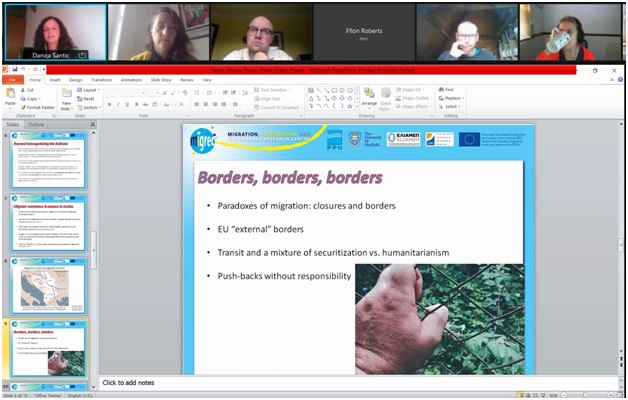
Annual International Conference of the Royal Geographical Society was held from August 31 to September 3, 2021 under the title “Borders, Borderland and Bordering” (https://www.rgs.org/research/annual-international-conference/attending-the-virtual-conference/). The main topics of the Conference were: What is the role of geography and geographers in producing knowledge and understanding about the multiple, multi-scalar and ceaselessly changing forms of environmental, physical, symbolic, smart/digital and invisible borders? How can geographers illuminate and creatively engage with borderlands? How can we interrogate the multiplicity of bordering technologies and practices? How are the disciplinary borders of geography itself being reified, challenged and reshaped in an academic environment that increasingly promotes trans-disciplinary research? What truly progressive ideas and research can geographers develop, what actions can we take and what alternatives can we propose that challenge those borders and bordering practices that control and confine?

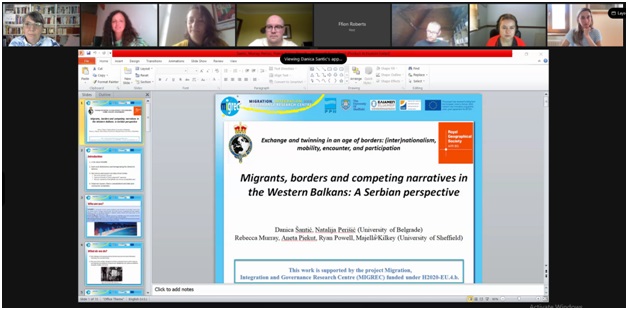
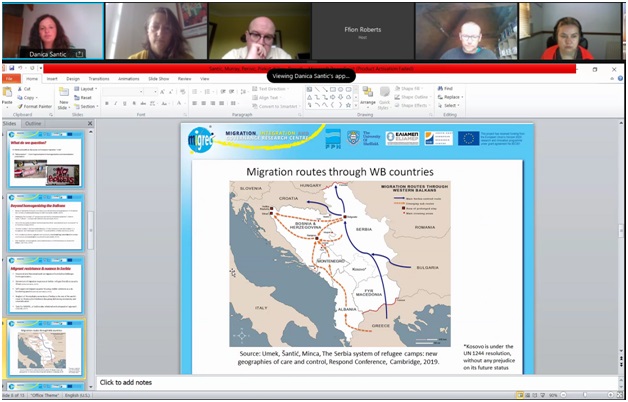
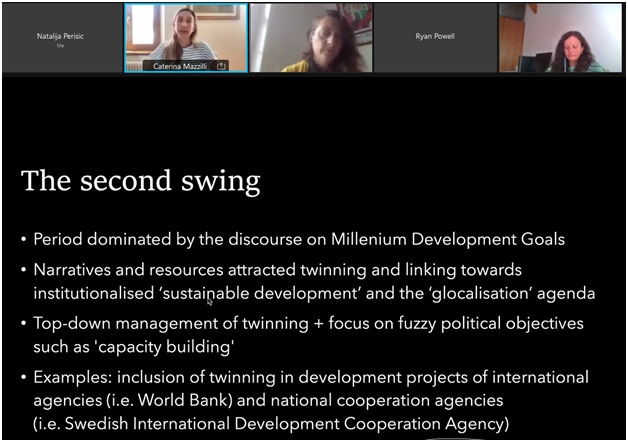
Prof. Dr. Danica Šantić from the University of Belgrade – Faculty of Geography presented on “Migrants, borders and competing narratives in the Western Balkans: A Serbian Perspective” in front of the MIGREC team which included also Natalija Perišić, Rebecca Murray, Ryan Powell and Majella Kilkey. MIGREC’s presentation was a part of the panel “Exchange and twinning in an age of borders: (inter)nationalism, mobility, encounter, and participation”.

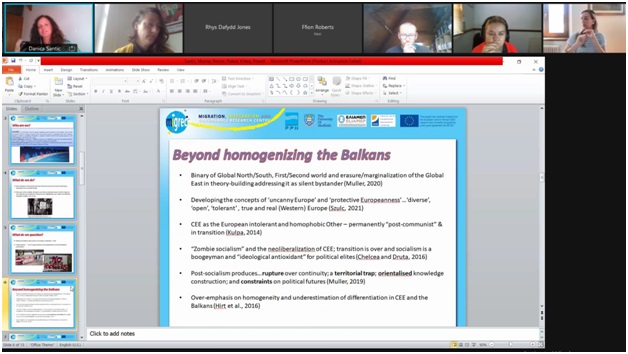
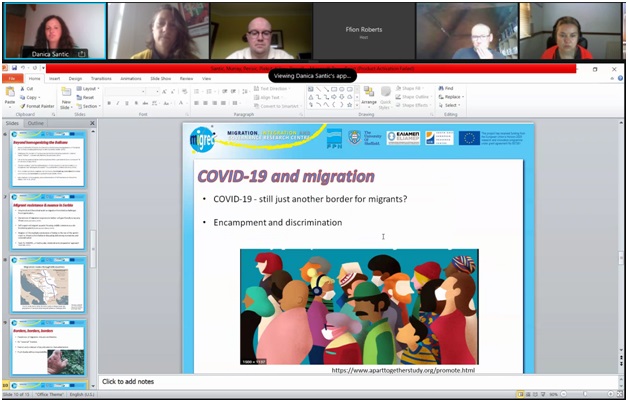
Prof. Šantić presented the main twinning ideas behind the MIGREC project, its aims, goals and activities as an overall framework. Drawing on insights from the project, she sought to place the western Balkans at the centre of debates which contribute to the disruption of east-west dichotomous thought through a migration lens.  Through a critical engagement with migration narratives in Serbia before and during COVID-19, Prof. Šantić presented three analytical moves: decentering Western Europe from these debates; capturing diversity within the region underlying logics and rationales in challenging the homogenisation of responses as “post-communist”; disrupting contemporary narratives of an intolerant, xenophobic and homogeneous post-communist “east” juxtaposed with a liberal, multicultural and cosmopolitan “west”.  Through international collaborative practice within the MIGREC, myths perpetuated by dichotomous and normative thinking by theorizing from and with Serbia were challenged.  The variable, divergent and often ambivalent ways in which migrants are positioned and governed, highlighting care and solidarity alongside hostility and racism (just as in “western Europe”) were nuanced. This revealed a far more dynamic, complex and variegated context in refuting a standardized and static post-communist xenophobia – one that is shown to be produced relationally and in opposition to an imagined, tolerant European civility as the self-image of the west.


MIGREC at Royal Geographical Society Annual International Conference 2021 Read More »
Migration Governance Workshop

The MIGREC is preparing a series of exciting workshops. See what you might be interested in.

Migration Governance Workshop Read More »
MIGREC at 18th IMISCOE Annual Conference

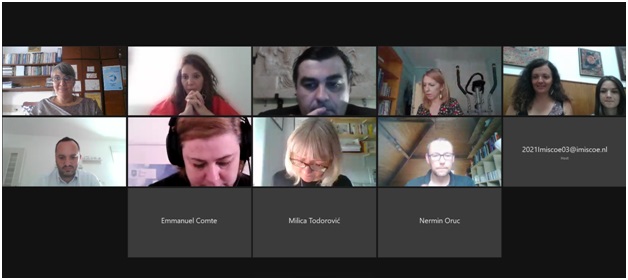
Online IMISCOE Annual Conference was held from July 7 to 9, 2021 under the title “Crossing borders, connecting cultures”. The conference proposed to zoom deeper into people’s migration experiences by foregrounding how migration is connected to culture and language. Nexus of migration, and culture was explored in more depth by asking how migration is lived, experienced, mediated, and reflected in general and through everyday cultural, linguistic, and artistic practice. This year conference gathered scholars around the following topics:

  • Reflexive Migration Studies
  • Migrant Transnationalism
  • Migration, Citizenship and Political Participation
  • Superdiversity, Migration and Cultural Change
  • Older Migrants
  • Gender and Sexuality in Migration Research
  • Immigration, Immigrants and the labor market in Europe
  • Migration Politics and Governance
  • Education and social inequality
  • Methodological Approaches and Tools in Migration Research
  • Privileged Mobilities: local impacts, belonging and citizenship
  • Revisiting Return Migration in Shifting Geopolitics
  • Norms and Values in Migration and Integration

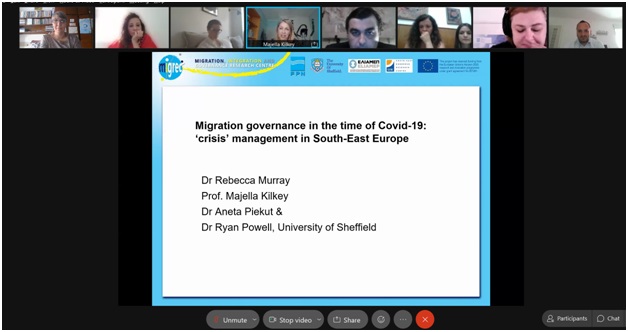
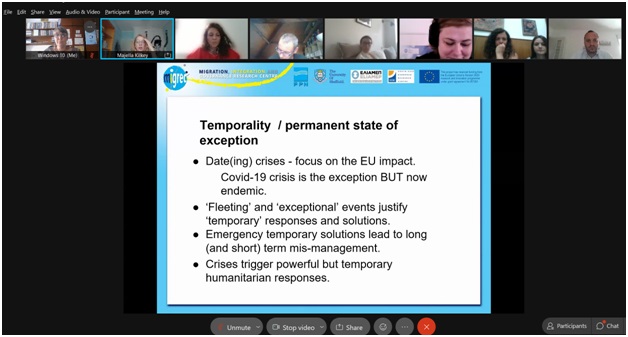
MIGREC Team participated with its stand-alone panel under the title “Migration governance in the time of Covid-19: case studies of ‘crisis’ management in South-East Europe”. The panel comprehensively examined the “crisis” management through policy, media and behavioural lenses, and as related to different groups of migrants (irregular, regular and returnees). By interrogating intersections between migration, health, security and economic development, the panellists considered the impact of Covid-19 on different aspects of migration governance, such as border control, domestic sociopolitical parameters that have been steering decision making toward securitization of migration policies toward further “campization” of migrants as well as the patterns of interpretation of migration issues found in the media. Beside the governmental, media and NGO role, the panel provided insight into the intentions of Covid-19 triggered returnees in regard to permanently settling in their home country and potential solutions to mitigate emigration flows from the region.

The panel was chaired by Dragana Stoeckel from the University of Belgrade – Faculty of Political Science. The discussants were Izabela Grabowska, a Professor at the University of Social Sciences and Humanities in Warsaw, Poland and Dejan Pavlović from the University of Belgrade – Faculty of Political Science. The panel gathered five presentations.

“Migration governance in the time of Covid-19: ‘crisis’ management in South-East Europe” was presented by Majella Kilkey, Rebecca Murray, Aneta Piekut and Ryan Powell from the University of Sheffield, UK. The panelists interrogated what the ‘crisis’ framing of Covid-19 has entailed for migration policy across the region. They found that policy responses, to some extent, have built upon pre-existing cognitive frames and practices, highlighting the enfolding of ‘crisis’ one within another, as well as the mutually reinforcing relationship between ‘crisis’ and ‘routine’. Moreover, policy responses have been largely instrumental and ad hoc, seeking to find a solution to the immediate ‘problem’. The ‘crisis’ frame, therefore, works to conceal underlying systemic problems within migration policy, and fails to embed deeper social and political change.

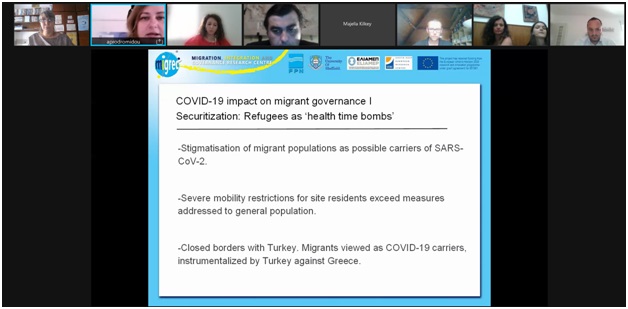
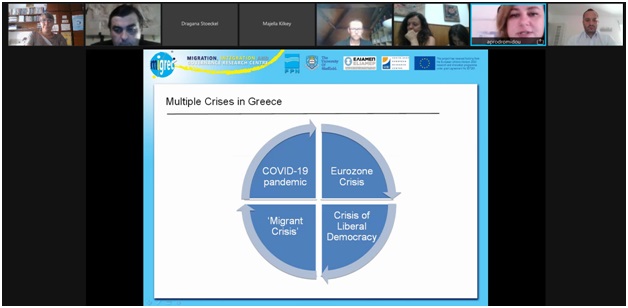
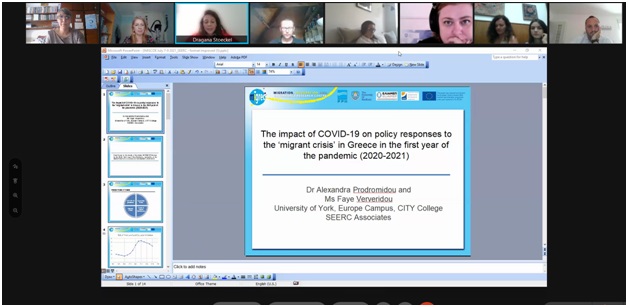
Alexandra Prodromidou and Faye Ververidou from the South-East European Research Centre (SEERC) presented on “The impact of COVID-19 on policy responses to the ‘migrant crisis’ in Greece in the first year of the pandemic (2020-2021)”. The main premise of their presentation was a framework of multiple crises in the EU periphery, which reenact each other. The combination of a prolonged period of strict economic austerity measures, political and social turmoil dating back to 2010, had left the country severely unable to deal with the influx of irregular migrants. The COVID-19 pandemic reduced significantly the influx of migrants, while it created an urgency for speeding up processes for access to housing and to health services for migrants already in Greece, a group described as a ‘health time bomb’ because of the living conditions they have been subject to.

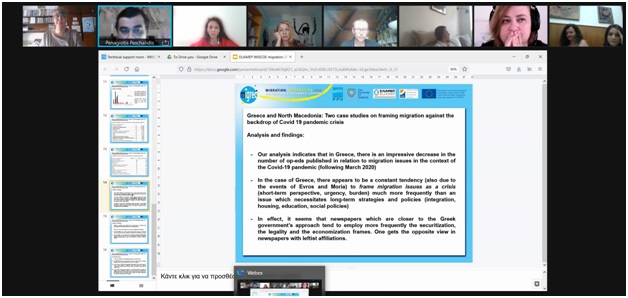
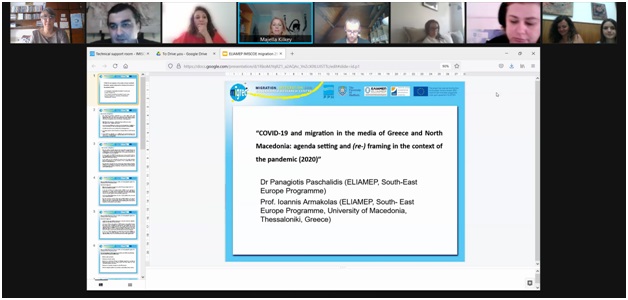
“COVID-19 and migration in the public spheres of Greece and North Macedonia: agenda setting and (re-) framing in the context of the pandemic (2020)” was presented by Ioannis Armakolas and Panagiotis Paschalidis from the Hellenic Foundation for European and Foreign Policy (ELIAMEP). They studied the impact of the coronavirus pandemic on the dominant patterns of interpretation (frames and agenda setting) of migration issues in the public sphere of Greece and North Macedonia. The presentation provided a qualitative discourse analysis of opinion papers from various media sources (print and digital) in Greece and North Macedonia and an analysis of discourse on social media platforms (i.e. Facebook and Twitter).

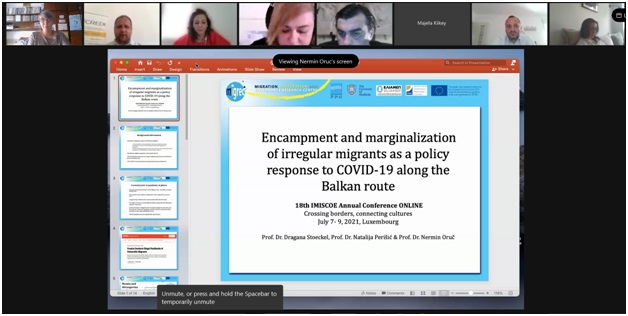
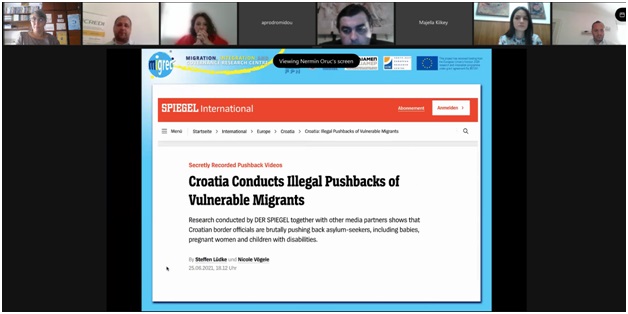
Natalija Perišić, Dragana Stoeckel (both from the University of Belgrade – Faculty of Political Science) and Nermin Oruč (Centre for Development Evaluation and Social Science Research, Sarajevo, Bosnia and Herzegovina) presented on “Encampment and marginalization of irregular migrants as a policy response to COVID-19 along the Balkan route”. Within the overall context of the impact of COVID-19 on irregular migrants in the countries along the Balkan Route, their presentation was focused on Serbian and Bosnia and Herzegovina’s government measures targeted at irregular migrants from the beginning of the COVID-19 crisis. They analyzed the regulation of their life in the camps and effectuation of rights to services in the two countries, as well as the roles of the public and the civil sector organizations, both international and national, and their contribution to the welfare of migrants in the camps in the changed reality.

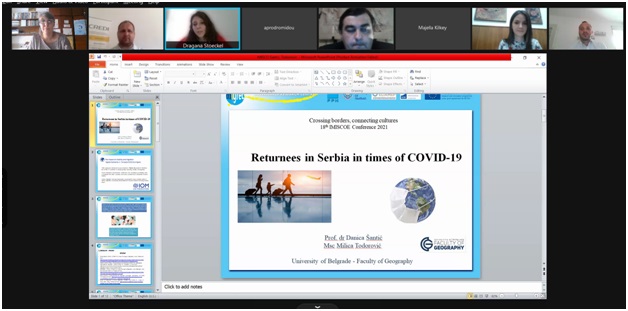
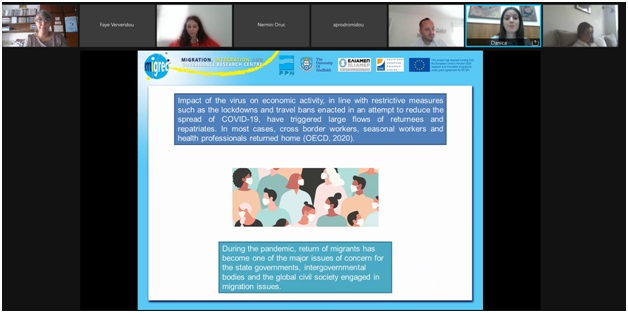
Danica Šantić and Milica Todorović from the University of Belgrade – Faculty of Geography presented on “Returnees in Serbia in times of COVID-19”. They presented a research obtained from a total of 336 respondents to an online survey during the period 25th September – 20th October 2020. The purpose of information gathering was to provide an opportunity for better understanding the reasons for outward migration, characteristics of life abroad, as well as the insight into potential systematic solutions to mitigate permanent emigration flows.


MIGREC at 18th IMISCOE Annual Conference Read More »
MIGREC Seminar Series – Migration Governance

The second set of workshops in the MIGREC series focused on migration governance and spanned from April to May 2021 to include eight speakers.  It sought to engage an exciting interdisciplinary group of external scholars whose work speaks directly to the themes of MIGREC.  The speakers covered the global context of migration governance, crises and migrant solidarities and also touch upon the geographical focus.  Most important however, was the opportunity for Belgrade team members to present their work, obtain feedback and continue the dialogue from the last workshop series.

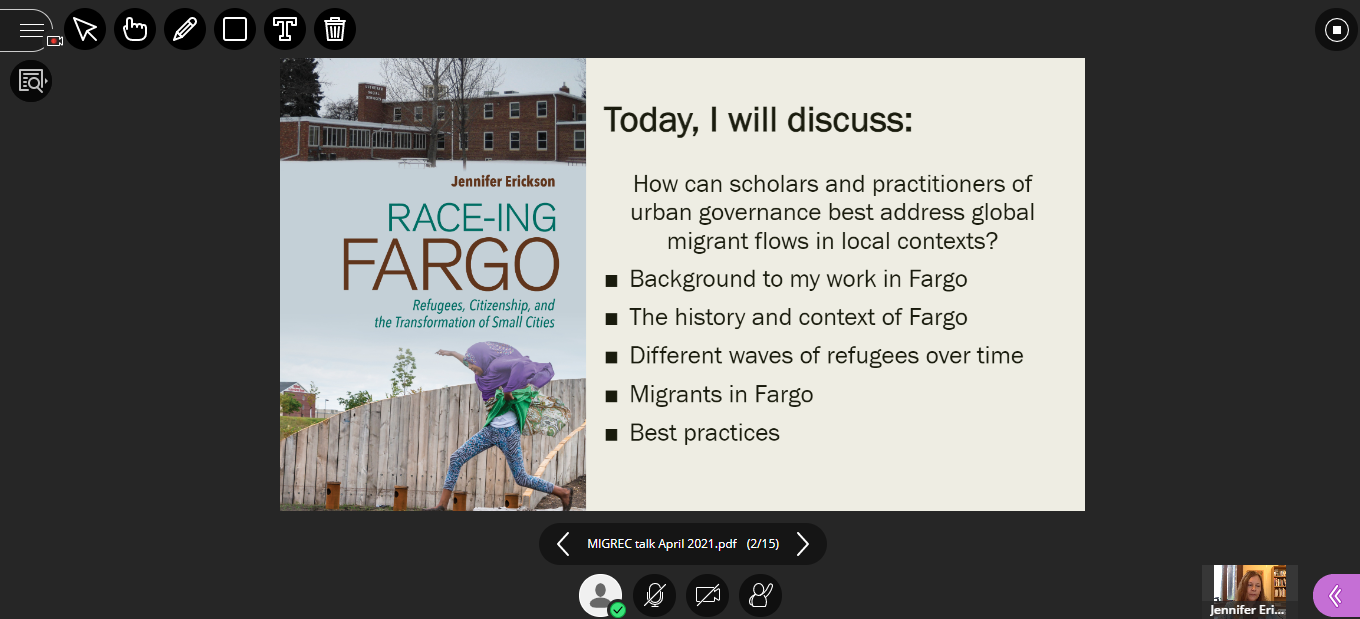
Jennifer Erickson, an Associate Professor and Assistant Department Chair of Anthropology, affiliated faculty member in Women’s and Gender Studies and African American Studies, and a member of the steering committee for the Association of American University Professors at Ball State University in Muncie, Indiana, presented her chapter ‘Race-ing Fargo: Mobility, Context, and Global Refugee Flows’. In her talk, prof. Erickson examined refugee resettlement to Fargo, North Dakota, a small city in the United States. She highlighted the ways in which global political, economic and cultural structures, such as (post)colonialism and (post)socialism, flow through and intersect with local histories, norms, and practices.

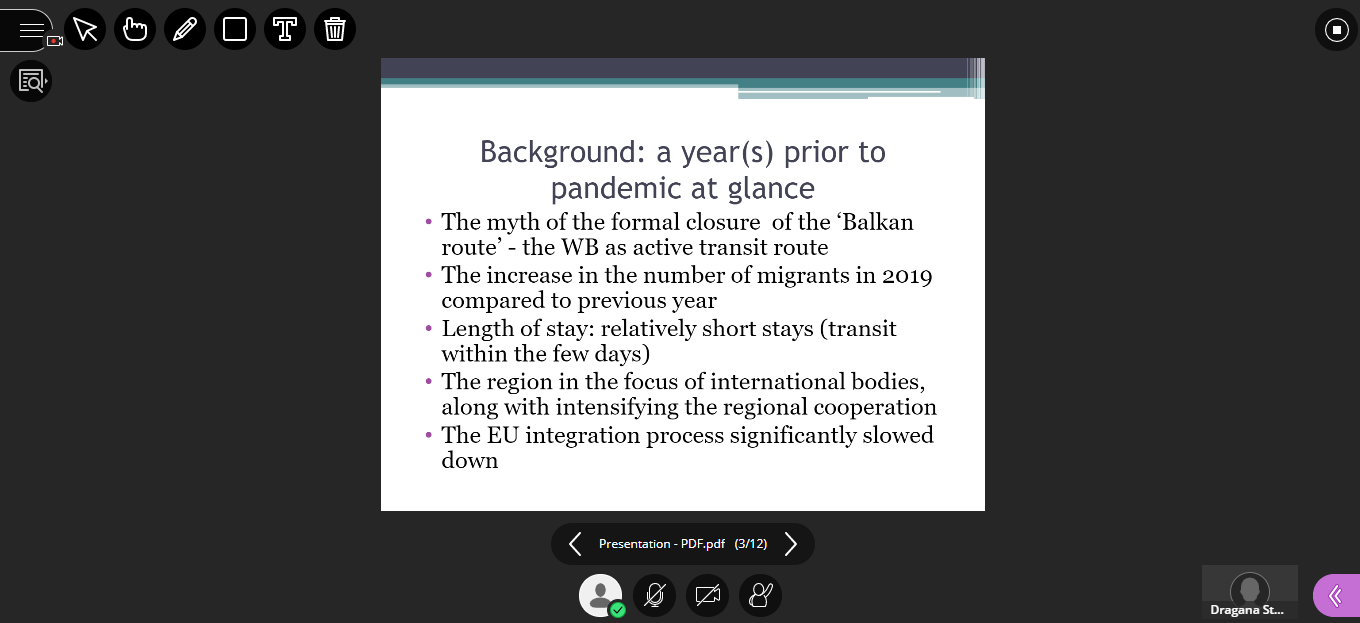
Dragana Stoeckel, an Assistant Professor at the University of Belgrade – Faculty of Political Science presented ‘Stranded migrants on the Balkan route in the Covid-19 era: selectivity in border management on the way to European Union’. She pointed that the coronavirus pandemic had caused a global health crisis with large-scale and far-reaching consequences which are deteriorating an already existing migrant crisis. The Covid-19 prevention measures, aimed at restricting the movement, increased health risk for migrants, led to many incidents in/around the camps, but also to mistreatment of the migrants by border officers, police and military staff and “pushbacks”.

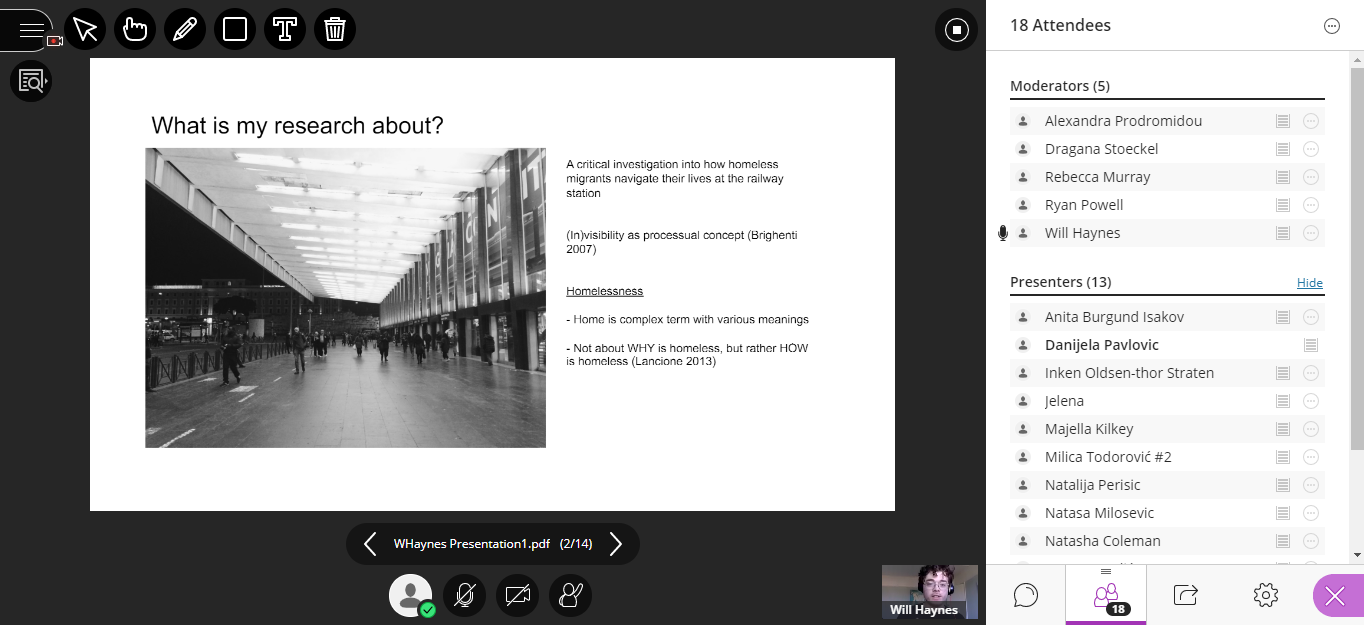
Will Haynes, a PhD Candidate from the University of Sheffield presented his work ‘The railway station as a key site of mobility for homeless migrants in Rome’. Building on debates around Europe’s spaces of exclusion and urban marginality, he investigated into how homeless migrants navigate their lives within an essential and multi-faceted urban transit space: the train station in Rome.

Suzanne Hall, an interdisciplinary urban scholar from the London School of Economics presented ‘The Migrant’s Paradox: edging against the state of contradiction’. She showed that a migrant is a person required and refuted by Western sovereignty. To inhabit this impossible dualism requires living with a steadfastly unstable status, readily questioned at the onset of national elections or economic crises, while tenuously embraced under the banners of celebratory multiculturalism.

Danica Šantić, an Associate Professor at the University of Belgrade – Faculty of Geography, presented ‘Policy coherence on Migration Governance in Serbia’. Her overview provided an analysis of existing policies, strategies and practices in the field of migration governance at the national level, and identifying national priorities with references of the legal and policy frameworks for migration regulation and governance.

Danijela Pavlovic, a PhD from the University of Belgrade – Faculty of Political Science, presented ‘Asylum Policy Governance in the Republic of Serbia’. She pointed out that the government and civil society organizations have developed various services to ensure the effectuation of the rights of asylum seekers and analysed the asylum policy with a focus on the existing normative and institutional framework in this area.

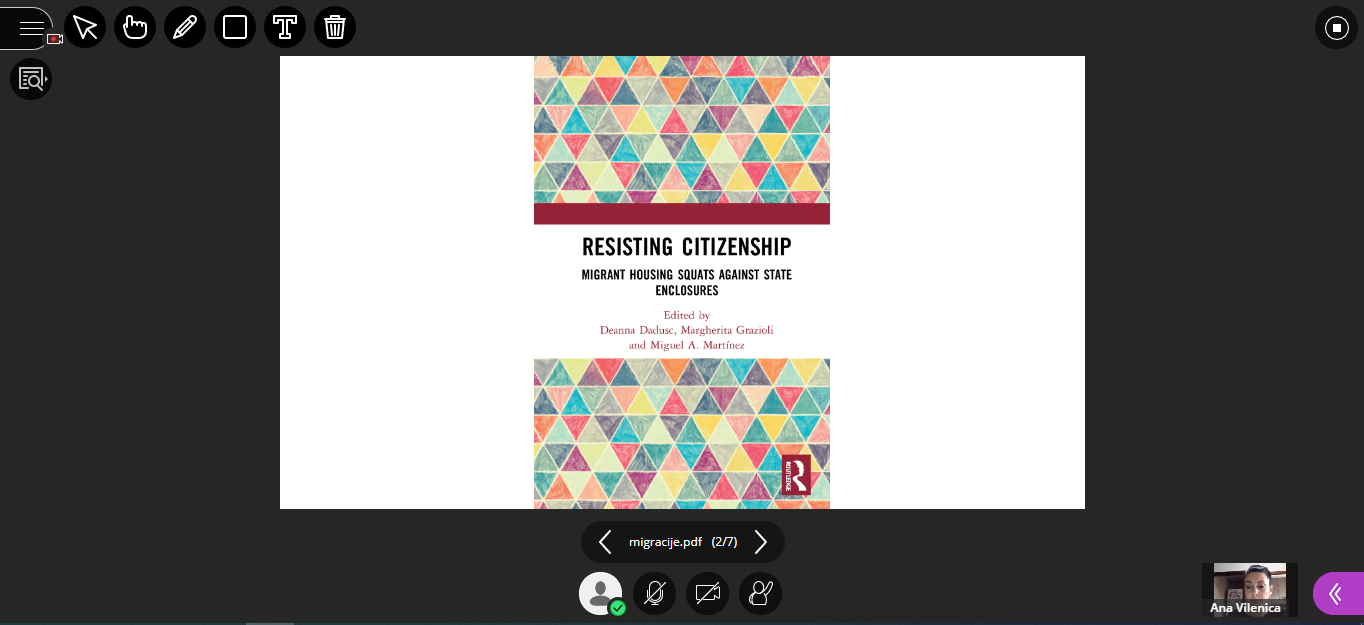
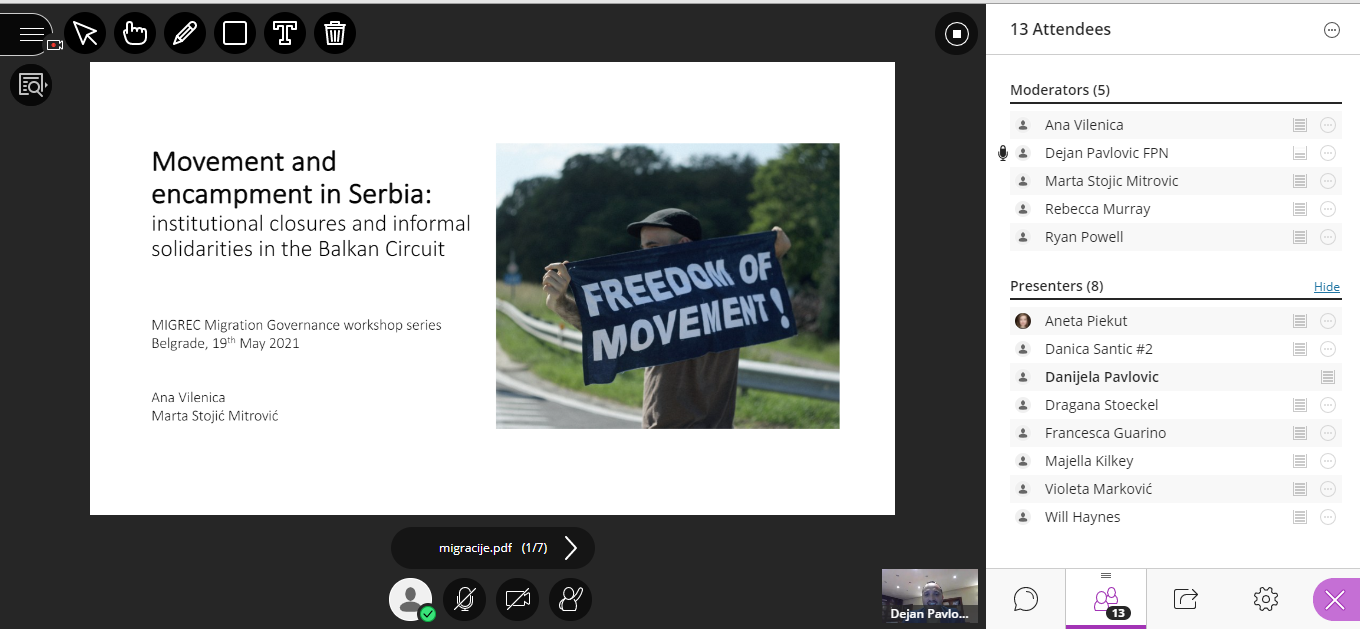
Marta Stojić Mitrović from the SASA Institute of Ethnography and Ana Vilenica from the London South Bank University presented ‘Movement and encampment in Serbia: institutional closures and informal solidarities in the Balkan Circuit’. They discussed bordering enacted by the state actors and informal migrant support in Serbia, a state lying on the land migration route from Turkey to central Europe, in the Western Balkans, a EUropean “periphery within”. They described versatile dynamics in a diachronic perspective, with special emphasis on 2020-2021, when the pandemic crisis rhetoric energized securitarian practices and anti-migrant discourse.

Migration governance workshops is to be followed by Migration development nexus workshop in October to December 2021.


MIGREC Seminar Series – Migration Governance Read More »
MIGREC at Neuchatel Graduate Conference of Migration and Mobility Studies

Members of the MIGREC team Violeta Marković, Danijela Pavlović and Sanja Polić Penavić participated at the conference „Neuchatel Graduate Conference of Migration and Mobility Studies“ organized by the University of Neuchatel with presentation „Protection of Migrants and Refugees during COVID-19 in the Republic of Serbia – perspective of professionals in the social protection system“ on July 2, 2021.

The conference was structured around six topics:

  1. Borders – securitization
  2. (Non)essential mobility and unequal migration management
  3. Normative accesses to migration, mobility and citizenship
  4. Family spatial configurations in new mobility framework
  5. Social protection of movable population
  6. Future of asylum

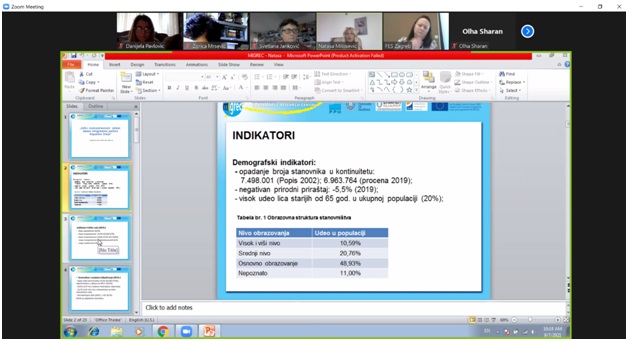
In order to analyze and understand changes in the system of social security of migrants and refugees in the Republic of Serbia during the COVID-19 pandemic, the authors carried out a qualitative research with professionals working in the system of social protection of migrants. Violeta Marković pointed out that professionals faced with multiple challenges during the COVID-19 pandemic.

Health crisis caused worries among the respondents for lives of their families and friends, their own life and lives of their dependants. She stressed that the research results showed that professionals faced many challenges deriving from 24/7 lockdown of refugees and migrants in the Republic of Serbia during the state of emergency and even after it. The lack of information for refugees and migrants, lack of appropriate cooperation with health, educational and legal systems have been the most frequent challenges; in addition, the respondents encountered aggravation of public perception of refugees and migrants in Serbia, Marković said.

She further underlined that the COVID-19 pandemic did not influence new arrivals into the Republic of Serbia, but again underlined the lack of capacities for adjustment of the social protection system and lack of readiness for critical situation – starting from the challenges in consistent and even supply of protective equipment to the lack of supervision for professionals.


MIGREC at Neuchatel Graduate Conference of Migration and Mobility Studies Read More »
MIGREC’s second Publishing Seminar a success

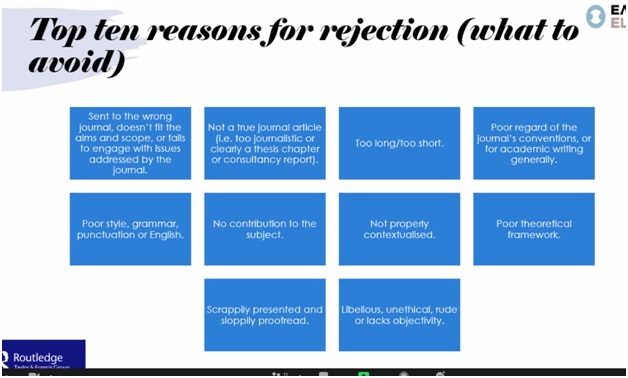
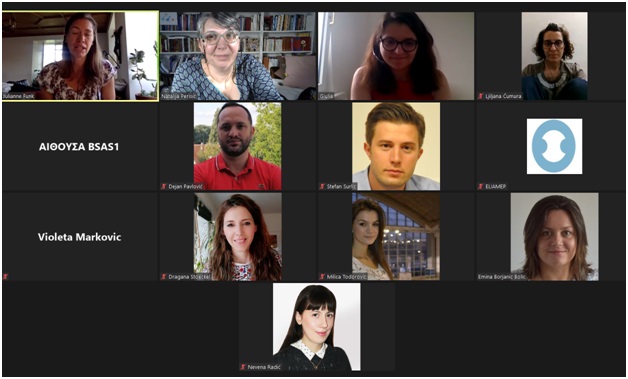
In June 2021 the MIGREC project held its second Publishing Seminar on the theme ‘Publish or Perish: publishing internationally’. The seminar was led by ELIAMEP team members of MIGREC, Dr. Ioannis Armakolas and Dr. Julianne Funk, who are also editors of the journal Southeast European and Black Sea Studies” (SEEBSS). The three sessions of the seminar were held online and attended mostly by University of Belgrade MA students, PhD candidates and professors, but also other MIGREC team members from ELIAMEP and SEERC. The goal of the seminar was to grow participants’ capacities to produce more appealing research outputs for prominent international scientific journals.

Guest speaker at the first session was Giulia Guariento, Portfolio Manager – Area Studies, Taylor & Francis Group, who focused on journal ranking and impact factor. Guariento elaborated on two main topics: the relevancy of the impact factor and journal ranking and the benefits and disadvantages of the metric and exploring alternatives. The session aimed at helping early career researchers to avoid common pitfalls during the publication process. It covered basic dos and don’ts and publication best practice checklists.

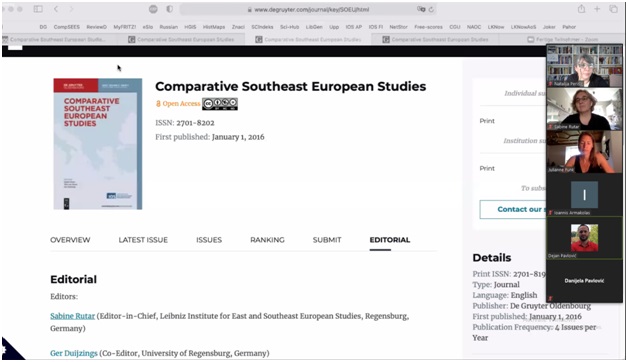
The second session featured Dr. Sabine Rutar, an Editor-in-Chief of “Comparative Southeast European Studies” and concentrated around open access (OA). The session was devoted to the discussion of the pros and cons of open access publishing. Dr. Rutar shared her experience and advice as an editor of international open access journal where participants may want to publish in future.

The third session of the seminar featured Madeleine Hatfield, Founder and Editor of Yellowback with the presentation “Being peer reviewed and becoming a peer reviewer”. This session considered how the journal peer review process works what to expect and do when you receive peer reviews on your work, why you would want to do a peer review yourself and how to become a peer reviewer.


MIGREC’s second Publishing Seminar a success Read More »
Conference “Strengthening of Cooperation with Business Diaspora”

Members of the MIGREC team Danica Šantić and Milica Todorović participated at the conference “Strengthening of Cooperation with Business Diaspora in Austria, Switzerland and Germany” organized by the Link Up! Serbia II Project, financed by the Austrian Development Agency (ADA), through funds of the Austrian Development Cooperation (ADC), and implemented by the International Centre for Migration Policy Development (ICMPD). The conference was held from June 16 to 18, 2021.

The conference was aimed at presenting results of the first year of the Link Up! Serbia II Project implementation, discussion of new modes of cooperation being developed between business diaspora and local self-governments and MFA in Serbia and the new Diaspora Business Hub, online platform – Business Atlas for Diaspora and Serbia. The discussion also included other topics related to enhancing cooperation with diaspora in the German-speaking countries. The list of participants included representatives of the Government of the Republic of Serbia, several embassies in Belgrade, higher educational institutions, media, local self-governments and business diaspora.

Prof. Danica Šantić participated as a moderator, whereas Milica Todorović, MA, was one of the panellist at the session devoted to steps for improving grants for successful realization of diaspora potentials. Participants at the session discussed projects and grant support schemes in the context of successful realization of diaspora potential, limits or challenges to its achievement and possibilities to overcome them. One of the session’s topic was how to lay the foundation or, if such foundation already exists, how to “scale up” the cooperation for yielding significant changes in broader eco-system in Serbia.

Prof. Danica Šantić also participated in the session dealing with business and research as developmental format of Diaspora Days. Within this session, the participants discussed important topics of cooperation with diaspora and challenges and obstacles at local and regional levels. The significance of the Diaspora Days was stressed as an opportunity and occasion for professional and academic communities from Serbia and diaspora to gather at an academic conference in order to offer ideas and solutions for all challenges accompanying local development.


Conference “Strengthening of Cooperation with Business Diaspora” Read More »